Source Push Up Board for Bodybuilding, Home Fitness, and Muscle Training
Compare 30 Push Up Board options from Jiangsu suppliers with ABS and PP materials. Buyers can evaluate models like gy1888 and GP5876 for indoor bodybuilding and home use applications.
Key considerations
Products List
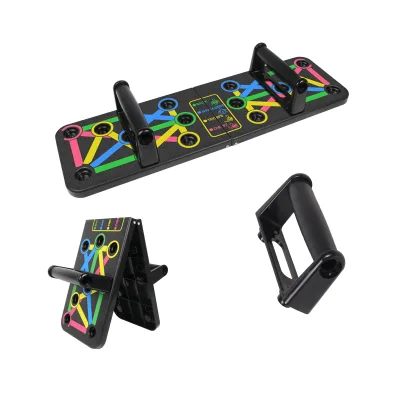
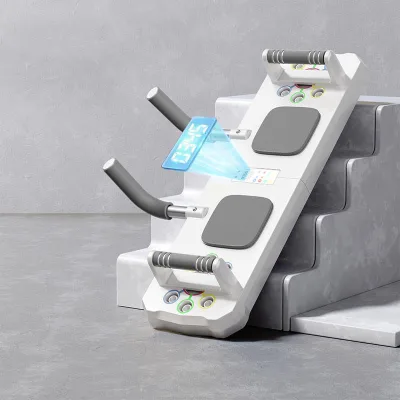
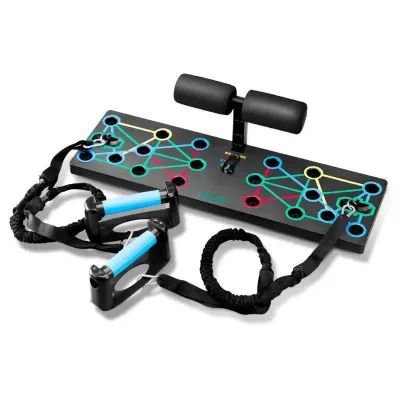
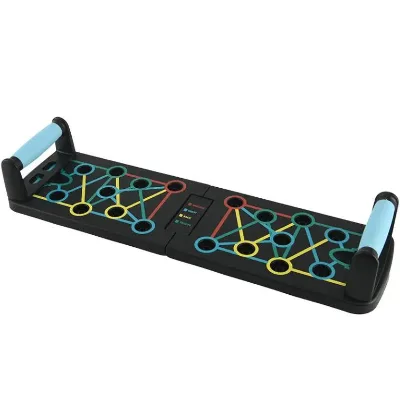
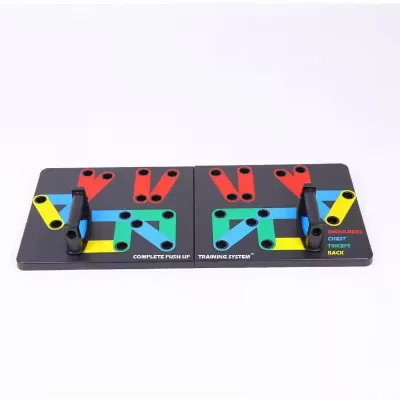
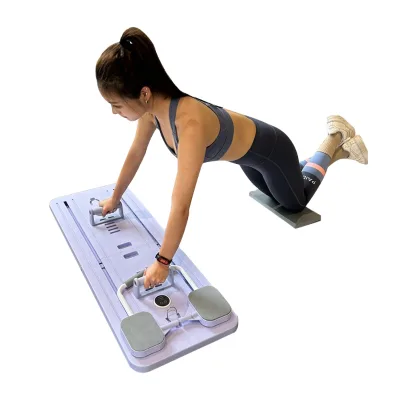
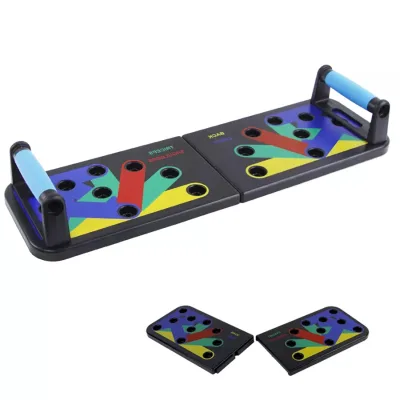
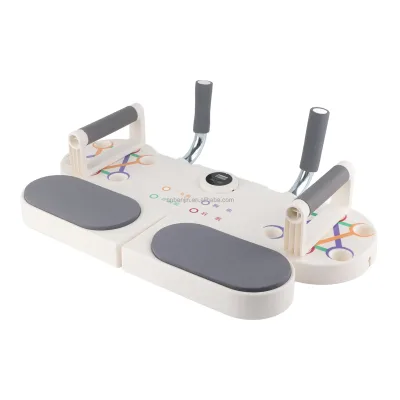
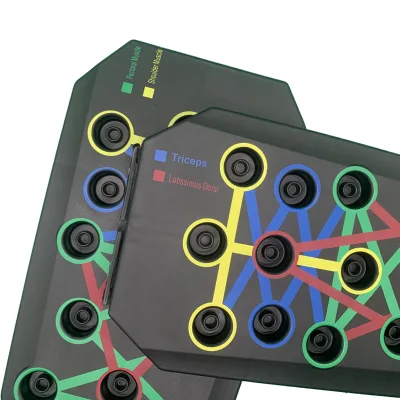
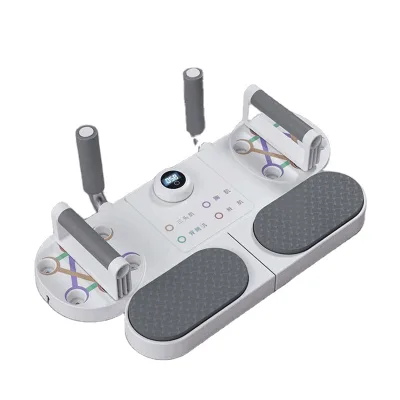
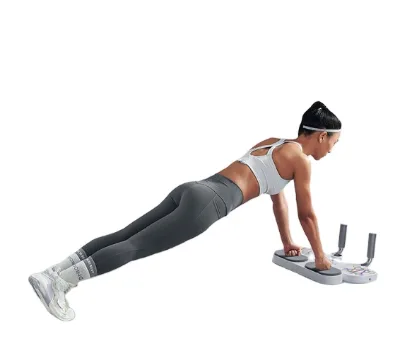
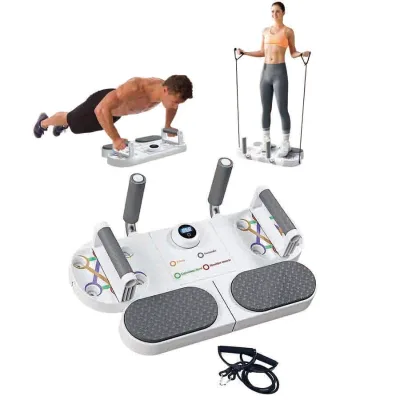
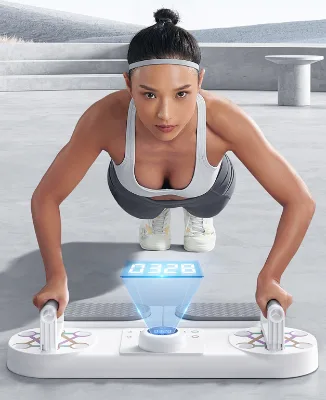
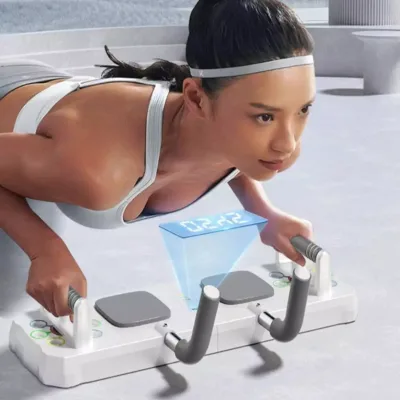
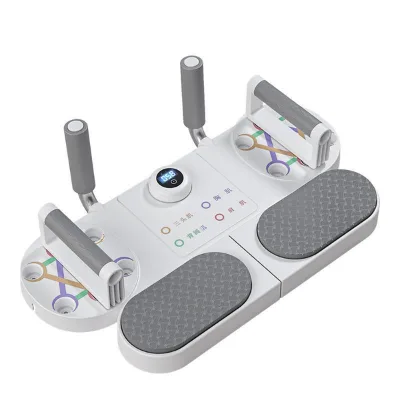
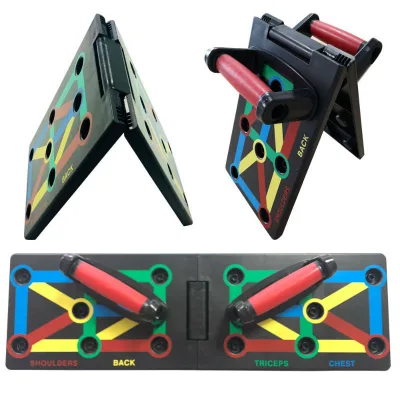
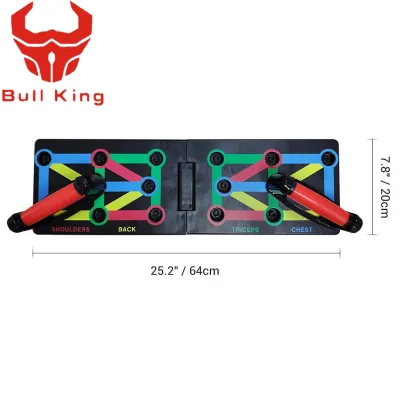
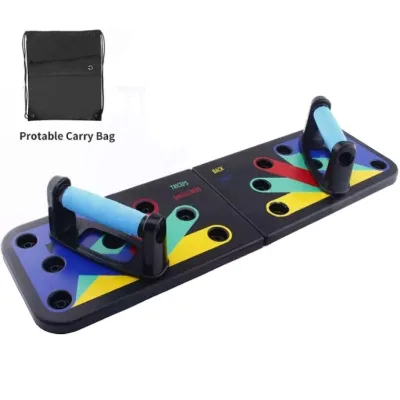
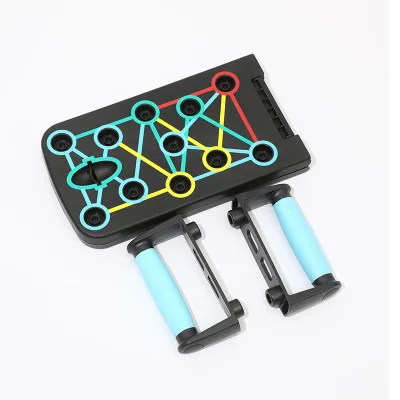
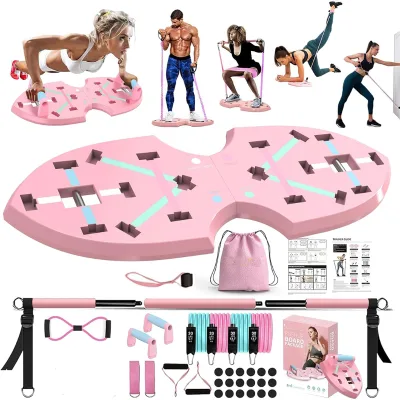
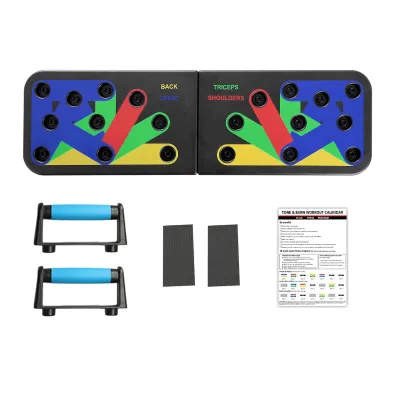
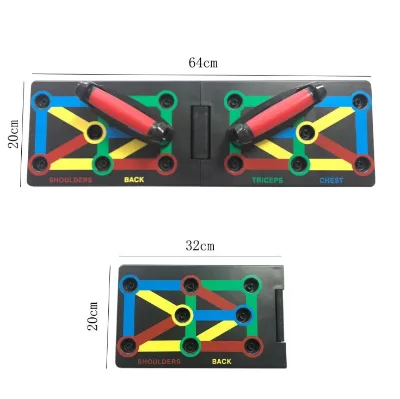
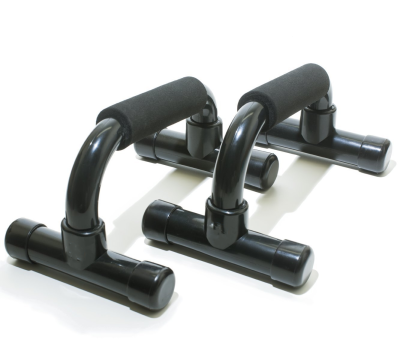


Fodable Training Board Body Building Fitness Exercise Workout Push-up Board
$15.50 - $16.90
MOQ: 100 Pieces

Multi Function Home Use Foldable Abdominal Assistance Board Push-up Board
$6.90 - $12.50
MOQ: 100 Pieces


Comprehensive Sourcing Guide
Strategic Sourcing Guide for Push Up Boards
Understanding Product Specifications and Variants
The Push Up Board is a specialized fitness accessory designed to facilitate bodybuilding and muscle exercise, primarily for adult users. When sourcing this equipment, buyers must recognize that the product is not a monolithic item but rather a category containing distinct variants defined by model numbers, materials, and functional configurations. Based on current market data, the core product line includes specific model identifiers such as gy1888, GP5876, GP6455, GP77, GP5147, and NTJY-0145. These model numbers often correspond to specific design iterations, ranging from standard single-item units to more complex functional trainer machines.
Material composition is a primary differentiator among these variants. The supply chain currently offers products constructed from ABS (Acrylonitrile Butadiene Styrene) as well as PP (Polypropylene). ABS variants are typically associated with high durability and structural rigidity, suitable for intense bodybuilding applications. In contrast, PP materials may offer different weight-to-strength ratios, potentially influencing the portability of the unit. Buyers should verify the specific material grade for each model, as this directly impacts the product's longevity and resistance to wear under repeated load.
Physical dimensions and packaging also vary significantly across the catalog. Observed specifications include a single package size of 42x12x55 cm with a gross weight of 5.200 kg for certain heavy-duty models, while other variants, such as the foldable Push Up Board, feature a more compact footprint of 70x20x6 cm and a reduced gross weight of 2.000 kg. The standard size for some units is recorded as 41x10.6 cm. These dimensional differences are critical for logistics planning, as they determine shipping volume and storage requirements. Furthermore, the product is explicitly non-inflatable, distinguishing it from other inflatable fitness equipment and ensuring a fixed, stable surface for exercise.
Cost Drivers and Pricing Dynamics
The pricing structure for push up boards in the current market reflects a wide range of value propositions, with observed prices spanning from 1.84 USD to 25.38 USD. This substantial variance is not arbitrary but is driven by several key factors including material quality, model complexity, and customization levels. The lower end of the price spectrum likely corresponds to basic ABS or PP units with standard packaging, while the higher end may encompass models with advanced functional trainer capabilities, custom branding, or specialized color configurations.
Minimum Order Quantity (MOQ) is another significant cost driver that influences the unit economics of procurement. The market exhibits an MOQ range from 1 unit to 1000 units. Specific models carry distinct MOQ requirements; for instance, certain configurations require a minimum of 30 pieces, while others mandate a batch of 100 pieces. Buyers must align their order volume with these thresholds to secure optimal pricing. Ordering below the specified MOQ for a particular model may result in higher per-unit costs or may not be feasible at all.
Customization represents a major variable in the final cost. The availability of customized logos and colors is a standard feature across many suppliers, but this service invariably adds to the base price. Models offering "Customized Color" options or specific branding services will command a premium over standard black, purple, pink, blue, red, or green variants. Additionally, the packaging method, whether standard color boxes or customized packing solutions, impacts the overall cost structure. Buyers should request detailed breakdowns of costs associated with these value-added services to ensure the total landed cost aligns with their budget constraints.
Compliance, Certification, and Safety Verification
While the product is marketed for home use and bodybuilding fitness, buyers must exercise caution regarding compliance and safety certifications. The provided data indicates that warranty terms are listed as "OTHER," which suggests that warranty policies are not standardized across the industry and may vary significantly by supplier. This variability necessitates a rigorous verification process before finalizing any purchase agreement.
There is no explicit mention of specific international safety standards or certifications in the available product attributes. Consequently, buyers cannot assume that a listed Push Up Board automatically complies with specific regional safety regulations, such as those from the EU or North America. It is imperative for procurement teams to request independent test reports and certification documents from potential suppliers. These documents should verify that the materials used, particularly the ABS and PP plastics, meet relevant flammability and toxicity standards.
Furthermore, the structural integrity of the board under load is a critical safety concern. Since the allowable passenger count is listed as 1, the product is designed for single-user application. Buyers must verify that the product can safely support the maximum weight of the intended adult user without structural failure. This verification should include checking for stress points in the design, particularly where the user's hands and feet make contact with the board. Suppliers should be asked to provide evidence of load-bearing testing to ensure the product does not pose a risk of collapse or injury during high-intensity workouts.
Typical Applications and User Demographics
The primary application of the Push Up Board is bodybuilding and fitness exercise, specifically targeting muscle development. The product is designed for adult users and is generally categorized as unisex, making it suitable for a broad demographic of fitness enthusiasts. The functional classification ranges from simple "push up" boards to "fitness bodybuilding exercise" tools and even "bodybuilding functional trainer machines," indicating a spectrum of utility from basic calisthenics to more structured training regimens.
The product is explicitly designated for indoor use, which limits its application to controlled environments such as home gyms, commercial fitness centers, or private training studios. The non-inflatable nature of the product ensures stability, which is essential for maintaining proper form during push-up exercises. The availability of foldable models, such as the NTJY-0145, expands the application to users with limited space, allowing for easy storage when not in use.
Color options, including black, purple, pink, blue, red, and green, allow for aesthetic customization to match the decor of a home gym or commercial facility. The "Universal" applicability mentioned in some attributes suggests that the design is intended to accommodate a wide range of body types and fitness levels, provided the user adheres to the single-person usage limit. Buyers should consider the specific needs of their target market when selecting between the various model numbers, as some may be better suited for high-volume commercial use while others are optimized for individual home workouts.
Supplier Evaluation and Quality Control
Evaluating suppliers for push up boards requires a focus on consistency, material integrity, and customization capabilities. The market features several known brand names, including "Get Power" and "NTJY," which serve as indicators of established manufacturing lines. However, the presence of a brand name does not guarantee uniform quality across all models. Buyers should conduct a thorough audit of the supplier's production capabilities, specifically regarding their ability to maintain consistent quality control for ABS and PP materials.
Quality control checks should focus on the finish and assembly of the product. Since the packing is typically 1pc/color box or customized packing, the condition of the product upon arrival is heavily dependent on the supplier's packaging standards. Buyers should verify that the packaging is robust enough to prevent damage during transit, especially for models with larger dimensions or higher weights. The "Customized Logo Available" feature requires precise printing or molding techniques; buyers should request samples to ensure that logos are applied cleanly and do not peel or fade over time.
When evaluating suppliers, it is crucial to assess their responsiveness to customization requests. The ability to provide "Customized Logo" and "Customized Color" options is a key differentiator. Suppliers that can offer flexible production runs while maintaining quality standards are preferable for buyers looking to create branded products. Additionally, the "Single gross weight" and "Single package size" data provided in the product attributes should be used to verify the supplier's accuracy in shipping documentation, as discrepancies can lead to logistical issues and increased freight costs.
Long-Term Procurement and Inventory Management
Long-term procurement of push up boards involves strategic planning for inventory, supply chain stability, and product lifecycle management. Given the observed MOQ range of 1 to 1000 units, buyers have the flexibility to start with small test orders or scale up to bulk purchases depending on their market demand. However, maintaining a consistent supply of specific model numbers like gy1888 or GP5876 requires a reliable relationship with the supplier to avoid stockouts.
Inventory management should account for the varying dimensions and weights of the different models. For instance, the 42x12x55 cm model with a 5.200 kg gross weight will consume significantly more warehouse space and incur higher shipping costs compared to the 70x20x6 cm model weighing 2.000 kg. Buyers should optimize their storage strategy by grouping similar-sized items and ensuring that the warehouse layout can accommodate the specific packaging requirements of each variant.
Sustainability and product longevity are also long-term considerations. The "Durable" feature highlighted in the product attributes suggests that these boards are designed for extended use. However, the actual lifespan depends on the quality of the materials and the frequency of use. Buyers should consider the environmental impact of the ABS and PP materials and explore suppliers who offer recycling programs or use eco-friendly manufacturing processes. Additionally, the "Warranty: OTHER" status indicates that warranty terms are negotiable; buyers should strive to secure favorable warranty conditions that protect against premature failure and ensure customer satisfaction in the long run.
Comparative Analysis of Key Product Attributes
To facilitate decision-making, the following table summarizes the key attributes observed across the different Push Up Board models. This comparison highlights the diversity in specifications, materials, and customization options available in the market.
| Attribute | Model gy1888 | Model GP5876 | Model GP6455 | Model GP77 | Model GP5147 | Model NTJY-0145 |
|---|---|---|---|---|---|---|
| Material | ABS | ABS | PP | ABS | PP | PP |
| Color | Black | Black | Customized | Black | Customized | 3 Color / Blue, Red, Green |
| Function | Bodybuilding | Exercise Muscle | Fitness Bodybuilding | Fitness Bodybuilding | Functional Trainer | Foldable Push Up |
| MOQ | Not Specified | Not Specified | 30 pcs | 100 pcs | Not Specified | Not Specified |
| Packaging | 1pc/color Box | Color Box | Color Box | Customized | Customized | Customized |
| Logo | Customized | Customized | Customized | Customized | Customized | Not Specified |
| Size | Not Specified | Not Specified | Not Specified | Not Specified | Not Specified | 70x20x6 cm |
| Weight | Not Specified | Not Specified | Not Specified | Not Specified | Not Specified | 2.000 kg |
| Usage | Bodybuilding Fitness | Home Use | Home Use | Home Use | Home Use | Home Use |
This table underscores the importance of selecting the right model based on specific procurement needs. For buyers requiring high durability and standard branding, the ABS models may be preferable. Conversely, those seeking lightweight, portable, or foldable solutions might find the PP-based NTJY-0145 model more suitable. The variation in MOQ and packaging options further emphasizes the need for a tailored approach to sourcing, ensuring that the selected product aligns with both budgetary constraints and logistical capabilities.
FAQs
What materials are used for push up boards?
Push up boards are constructed from ABS or PP plastic materials. ABS variants offer high durability and structural rigidity for intense bodybuilding, while PP materials provide different weight-to-strength ratios that may influence portability for home use.
Which model numbers are available for this product?
The core product line includes specific model identifiers such as gy1888, GP5876, GP6455, GP77, GP5147, and NTJY-0145. These numbers correspond to distinct design iterations ranging from standard units to functional trainer machines with varying specifications.
Can buyers customize the logo and color of the board?
Yes, customized logos and colors are available for many models. Buyers can request specific branding services or choose from standard options like black, purple, pink, blue, red, or green, though these value-added services may increase the base price.
What is the minimum order quantity for push up boards?
The market exhibits an MOQ range from 1 unit to 1000 units depending on the specific configuration. Some models require a minimum of 30 pieces, while others mandate a batch of 100 pieces to secure optimal pricing and feasibility.
How do package dimensions vary across different models?
Package sizes vary significantly, with some heavy-duty models measuring 42x12x55 cm and weighing 5.200 kg. In contrast, foldable variants like the NTJY-0145 feature a compact footprint of 70x20x6 cm and a reduced gross weight of 2.000 kg.
Are these push up boards suitable for adult users?
Yes, the product is designed for adult users and is categorized as unisex. The allowable passenger count is listed as 1, ensuring the board is intended for single-user application with a focus on stability and safety during exercise.