Source Eco-Friendly Solid Pet Bed for Dogs Cats Small Animals
Find 30 Eco-Friendly Solid Pet Bed options from verified suppliers. Compare models made of wood and cotton with customizable sizes and features for dogs, cats, and small animals; compare the available evidence and request quotations based on your requirements.
Key considerations
Products List


High Quality Eco Friendly Durable Waterproof Custom Soft Washable Pet Bed
$10.20 - $10.50
MOQ: 500 Sets
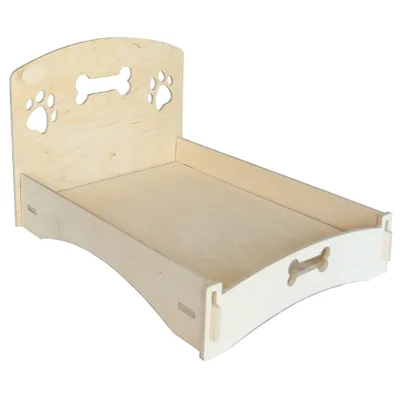


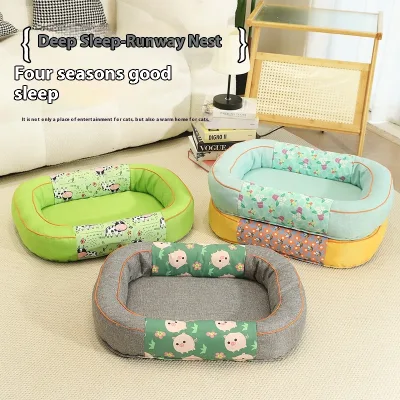


9 Needle Stitched Pet Bed with Anti Slip Bottom and Chew Resistant Fabric
$10.30 - $11.90
MOQ: 50 Pieces
Comprehensive Sourcing Guide
Eco-Friendly Solid Pet Bed Sourcing Guide
Sourcing eco-friendly solid pet beds requires a careful balance between material sustainability, structural durability, and aesthetic versatility. Buyers must navigate a market where "solid" often refers to the frame construction, while the bedding components may vary significantly in composition. The core appeal lies in the natural appeal of wood combined with sustainable textile choices, offering a premium alternative to synthetic plastic or foam-heavy designs. This guide outlines the critical verification steps for procurement teams seeking to align inventory with environmentally conscious consumer demands while maintaining commercial viability.
The observed product landscape reveals a diverse range of configurations, from minimalist wooden frames to fully assembled units with integrated mattresses. Procurement specialists should note that material definitions can be ambiguous; some listings specify wood for the structure but cotton for the cushioning, while others may imply composite materials. Understanding these distinctions is vital for accurate cost modeling and quality assurance. This guide focuses on verifying the tangible attributes that define true eco-friendly solid pet beds, ensuring that marketing claims align with physical product realities and supply chain transparency.
Product Scope and Observed Listing Signals
The current market signals indicate a strong presence of rectangular, freestanding pet beds available in natural wood tones and gray or blue fabric options. Listings frequently highlight customization capabilities, allowing buyers to tailor logos, colors, and packaging to specific brand identities. The observed size ranges typically include small, medium, and large dimensions, with some variants offering a one-size-fits-all approach. These structural variations cater to different animal sizes, from small cats to larger dogs, necessitating precise inventory planning based on target demographic data.
Material composition is a primary differentiator, with cotton and wood being the most frequently cited components for eco-friendly positioning. Buyers should observe that while the frame is often solid wood, the bedding may be folded or unfolded, and some units include mattresses while others do not. This variability impacts shipping volume and final assembly requirements. The presence of eco-friendly and sustainable features suggests a focus on renewable resources, but buyers must verify the specific source of these materials to ensure genuine environmental benefits rather than superficial greenwashing.
Technical Specifications to Verify
Technical verification begins with confirming the exact dimensions and weight of the single package, which directly influences logistics costs. Observed data points to single package sizes around 60x50x30 cm and gross weights near 3.000 kg, though these figures can vary by model. Buyers must request detailed technical drawings for each SKU to ensure compatibility with retail shelving and home environments. The distinction between folded and unfolded states is critical for storage efficiency, so verifying the assembly instructions and required tools is essential for end-user satisfaction.
Model numbers such as rp-191, rp-182, and YF115024 indicate distinct product lines with potentially different structural integrity and material grades. Procurement teams should verify the technique used, such as polished finishes, to ensure durability and safety for pets. The application scope, covering dogs, cats, and small animals, requires robust construction to withstand varying levels of activity. Confirming the shape and structural design ensures that the bed meets the ergonomic needs of the animal while maintaining the aesthetic standards expected in modern home decor.
Compliance and Safety Documentation
Compliance verification is paramount when sourcing pet products, as safety standards vary by region and material type. While some listings mention standards like CE, BSCI, and ISO9001, buyers must independently verify the current validity of these certifications for the specific manufacturing facility. The presence of GOTS or OEKO-TEX certifications for cotton components would significantly enhance the eco-friendly claim, but these are not universally present in all listings. Buyers should request up-to-date test reports to confirm that materials are free from harmful chemicals and allergens.
Documentation should also cover the origin of the wood, particularly if FSC certification is claimed for sustainable forestry practices. Buyers must ensure that the supplier can provide chain-of-custody documentation to substantiate any environmental claims. Additionally, verifying the safety of finishes and adhesives used in the solid wood construction is crucial to prevent toxicity risks. Clear compliance documentation not only mitigates legal risks but also builds consumer trust in the product's safety and environmental integrity.
Cost Drivers and Commercial Terms
Cost structures for eco-friendly solid pet beds are influenced by material sourcing, customization levels, and packaging requirements. The observed MOQ ranges from 2 to 5000 sets, offering flexibility for both small boutique brands and large retailers. Buyers should analyze the price range of 1-86 USD to understand the value proposition of different material grades and feature sets. Higher customization, such as specific logos or unique packaging, may incur additional setup fees or higher unit costs, so these variables must be factored into the total landed cost.
Commercial terms, including delivery times and sample availability, play a significant role in supply chain planning. Lead times of approximately 30-40 days are common for customized orders, while samples may be available within 5-7 days. Buyers should negotiate clear terms for packaging, whether in boxes, cartons, or OPP bags, as this affects shipping efficiency. Understanding the payment terms and warranty policies is essential for managing cash flow and risk, ensuring that the procurement process remains smooth and predictable.
Supplier Qualification and Quality Control
Supplier qualification requires a thorough assessment of manufacturing capabilities and quality control processes. Buyers should prioritize suppliers with proven experience in producing solid wood pet beds, as craftsmanship directly impacts product longevity. Verifying the supplier's ability to handle customization requests, such as logo printing or color matching, is essential for brand consistency. Requesting references or case studies from previous clients can provide insights into the supplier's reliability and responsiveness.
Quality control measures should include regular inspections of raw materials, in-process checks during assembly, and final random inspections before shipment. Buyers should establish clear acceptance criteria for defects, such as splinters, uneven finishes, or loose joints, to ensure product quality. Implementing a robust QC plan helps minimize returns and customer complaints, protecting the brand's reputation. Collaborating with the supplier to refine these processes ensures that every unit meets the high standards expected for eco-friendly pet products.
Long-Term Procurement Checks
Long-term procurement success depends on continuous monitoring of supplier performance and market trends. Buyers should regularly review supplier metrics, including on-time delivery rates, defect rates, and responsiveness to issues. Establishing a feedback loop with end-users can provide valuable insights into product performance and areas for improvement. Staying informed about emerging sustainability standards and consumer preferences allows buyers to adapt their sourcing strategies proactively.
Building a diversified supplier base can mitigate risks associated with single-source dependencies. Buyers should explore opportunities to collaborate with suppliers on new product development, leveraging their expertise to innovate in the eco-friendly pet bed category. Regular audits and relationship management ensure that suppliers remain aligned with the buyer's quality and ethical standards. By maintaining a strategic approach to procurement, buyers can secure a competitive advantage in the growing market for sustainable pet accessories.
FAQs
What materials are used for eco friendly solid pet beds?
These beds are crafted from solid wood and cotton. The wood provides a sturdy, natural frame, while the cotton lining offers a soft, breathable surface for pets. This combination ensures durability and comfort, making it suitable for dogs and cats who prefer a stable resting place.
Can I customize the logo on these pet beds?
Yes, customized logos are available for bulk orders. Buyers can request specific branding to be applied to the product or packaging. This service supports private labeling strategies, allowing retailers to maintain their brand identity while sourcing high-quality, eco-friendly pet furniture from manufacturers in China.
What sizes are available for these solid pet beds?
Sizes typically include Small, Medium, and Large options. Some models offer One Size or specific dimensions like S and M. Buyers should check the single package size, which may be around 60x50x30 cm, to ensure the bed fits their retail space and customer needs effectively.
How long is the delivery time for these orders?
The standard delivery time is about 30 to 40 days. This timeline accounts for production and shipping logistics. Buyers should plan their inventory accordingly, especially for large orders, as lead times may vary based on the specific model number and the current production schedule of the factory.
Are these pet beds waterproof?
No, these beds are not waterproof. They are made from cotton and wood, which are absorbent materials. Buyers should advise end-users to keep the beds indoors or use washable covers. This ensures the longevity of the product and maintains its eco-friendly and sustainable appeal for pet owners.
What certifications do these manufacturers hold?
Manufacturers often hold standards such as CE, BSCI, and ISO9001. These certifications indicate compliance with quality and social responsibility norms. Buyers can verify these credentials to ensure ethical sourcing and product safety, which is crucial for maintaining brand reputation in competitive global markets for pet accessories and furniture.