Source Anti-Corrosion Steel Storage Systems for Warehouses, Workshops, and Power Plants
Compare 30 anti-corrosion steel storage systems designed for warehouses, textile processing, and heavy industry. These single-storey structures feature Q355b steel, customizable dimensions, and CE certification with a service life exceeding 50 years.
Key considerations
Products List

Robust Steel Storage Systems for Streamlined Logistics Solutions
$18.90 - $48.00
MOQ: 200 Square Meters


Premium Steel Storage Systems for Industrial Use and Efficiency
$18.90 - $48.00
MOQ: 200 Square Meters

Reliable Steel Workshop Storage Systems for Efficient Organization
$18.90 - $48.00
MOQ: 200 Square Meters

Global Advanced Steel Storage Solutions for Efficient Distribution
$18.90 - $48.00
MOQ: 200 Square Meters

Versatile Steel Storage Solutions for Global Distribution Needs
$18.90 - $48.00
MOQ: 200 Square Meters


Premium Steel Storage Systems for Streamlined Warehouse Operations
$20.00 - $35.00
MOQ: 700 Square Meters


Heavy-Duty Modular Steel Storage Systems for Industrial Applications
$20.00 - $35.00
MOQ: 700 Square Meters

Heavy-Duty Steel Storage Systems for Optimal Workshop Organization
$20.00 - $35.00
MOQ: 700 Square Meters


Versatile Modular Steel Storage Solutions for Efficient Organization
$50.00 - $80.00
MOQ: 100 Square Meters


Customized Steel Storage Solutions with Effective Fire Protection Systems
$50.00 - $56.00
MOQ: 100 Square Meters


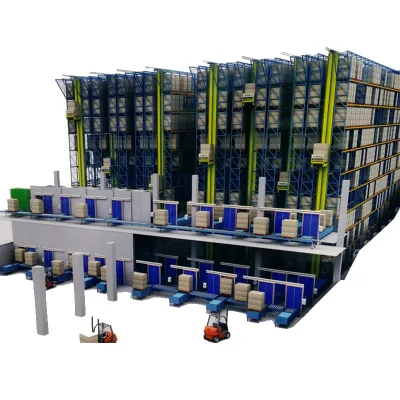


Weather Resistant Steel Storage Facility Ensuring Reliable Protection for Goods
$20.00 - $75.00
MOQ: 300 Square Meters
Qingdao Xinguangzheng Fancan Construction Engineering Co., Ltd.


Comprehensive Sourcing Guide
Strategic Sourcing Guide for Anti-Corrosion Steel Storage Systems
Understanding the Technical Architecture of Steel Warehouses
When sourcing anti-corrosion steel storage systems, buyers must first distinguish between the structural framework and the enclosure materials, as both contribute to the system's longevity and performance. The core structural element typically utilizes high-grade steel, specifically Q355b and Q235B grades, which provide the necessary tensile strength for heavy-duty applications. These materials are selected for their ability to withstand significant loads while maintaining structural integrity over decades. The connection form for these systems is predominantly bolted, a method that allows for precise assembly and potential future disassembly or expansion without compromising the structural frame.
The enclosure system is equally critical for anti-corrosion performance. The roof and wall materials are generally available as PPGI (Pre-Painted Galvanized Iron) steel sheets or sandwich panels containing EPS (Expanded Polystyrene) or fiberglass cores. The sandwich panel option offers superior thermal insulation and corrosion resistance compared to single-layer sheets, making it a preferred choice for environments with high humidity or chemical exposure. The gutter systems are constructed from either galvanized steel plates or stainless steel, ensuring that water runoff does not lead to rust accumulation at the building's perimeter. Similarly, downpipes may be fabricated from PVC or metal, depending on the specific environmental conditions and drainage requirements of the site.
The structural design is typically a single-storey, single-layer configuration, optimized for high-bay storage and heavy industrial operations. This design facilitates the installation of overhead cranes with capacities ranging from 5 to 20 tons, which is essential for logistics operations involving heavy machinery or bulk materials. The steel consumption for these structures generally falls within the range of 20 to 50 kilograms per square meter, a variance that depends on the specific design load, span width, and local wind or snow load requirements. Buyers should verify the exact consumption rate for their specific project parameters, as this directly impacts the material cost and structural efficiency.
Compliance Standards and Certification Verification
In the realm of industrial procurement, compliance with international and local building codes is non-negotiable. Reputable suppliers for steel storage systems often adhere to a suite of standards that ensure safety and quality. The documented standards for these structures include GB (Chinese National Standards), AISC (American Institute of Steel Construction), and CE (Conformité Européenne). These codes govern everything from the welding procedures and bolt torque specifications to the seismic resistance and wind load calculations.
Certification serves as a third-party validation of a supplier's quality management systems. The most frequently observed certifications for this category of product are CE and ISO9001. The CE mark indicates that the product meets EU safety, health, and environmental protection requirements, which is crucial for buyers operating in or exporting to European markets. The ISO9001 certification confirms that the manufacturer has a robust quality management system in place, ensuring consistent production processes and reliable product delivery.
Buyers must exercise caution when evaluating claims regarding "customization" of standards. While the product model and standard are often listed as customizable to meet specific project needs, the baseline adherence to GB, AISC, or CE codes should be verified through documentation. It is essential to request the specific test reports and calculation sheets that demonstrate compliance with the relevant building codes for the intended location. For instance, if a facility is being built in a seismic zone, the design must explicitly reference the earthquake resistance features and the specific load calculations that support this claim. The engineering services provided, including design, detailing, optimization, and erection, should be aligned with these certified standards to ensure the final structure is legally compliant and safe for operation.
Cost Drivers and Economic Factors in Procurement
The total cost of ownership for anti-corrosion steel storage systems is influenced by several dynamic factors beyond the initial purchase price. The primary cost driver is the raw material selection, specifically the grade of steel and the type of enclosure panels. The use of Q355b steel, which offers higher strength than Q235B, will naturally increase the base material cost but may reduce the overall steel weight required for the same load capacity. Similarly, the choice between PPGI steel sheets and sandwich panels with EPS or fiberglass cores significantly affects the unit price. Sandwich panels provide better insulation and corrosion protection, justifying a higher upfront investment for facilities requiring climate control or chemical resistance.
Another significant variable is the customization level. While the product model and dimensions are often customizable, extensive modifications to the design, such as unique crane capacities or specialized ventilation systems, will increase engineering and fabrication costs. The production time, which typically ranges from 4 to 8 weeks or 30 to 45 days depending on the order volume and complexity, also impacts the financial planning. Longer lead times may require buyers to account for storage costs or delays in project completion.
The packaging and logistics costs are also critical components of the procurement budget. Products are typically shipped in sea-worthy packages, palletized, and well-secured to prevent damage during transit. The origin of the product, often cited as Shandong, China, or Qingdao, influences freight costs and import duties. Buyers should consider the total landed cost, which includes the product price, packaging, shipping, insurance, and any applicable tariffs. The observed price range for these systems is broad, spanning from 1.2 to 250,000 USD, reflecting the vast difference between small modular units and large-scale industrial complexes. The minimum order quantity (MOQ) can vary from 1 to 1000 units, allowing flexibility for both small workshops and large industrial parks.
Typical Applications and Usage Scenarios
Anti-corrosion steel storage systems are designed for versatility, serving a wide array of industrial and commercial applications. The primary usage includes general warehousing, where the high intensity and easy installation of the structure provide a cost-effective solution for storing goods. However, the applications extend far beyond simple storage. These systems are frequently utilized in textile and electronic processing facilities, where the anti-corrosion features protect sensitive equipment from environmental degradation.
Specialized workshops and research facilities also benefit from the customizable nature of these structures. The ability to integrate specific features, such as dust-proof workshops or electrostatic workshops, makes them ideal for industries with strict environmental controls. For example, the inclusion of sky lighting panels ensures natural light during daytime hours, reducing energy consumption in large storage areas. The ventilation systems, often made of stainless steel, are crucial for maintaining air quality in facilities handling chemicals or producing fumes.
Heavy industry and high-voltage power plants represent another key application area. The structural integrity of the steel frame, combined with the high load-bearing capacity for overhead cranes, supports the rigorous demands of heavy manufacturing. The food and chemical industries rely on the anti-corrosion properties of the PPGI and stainless steel components to maintain hygiene and prevent contamination. The system's ability to withstand harsh conditions and its long service life of over 50 years make it a sustainable choice for these demanding sectors. The recyclable nature of the steel structure further aligns with the sustainability goals of modern industrial operations.
Supplier Evaluation and Engineering Capabilities
When evaluating potential suppliers, buyers should look beyond the basic product specifications and assess the depth of the supplier's engineering capabilities. A reliable supplier should offer comprehensive engineering services that include design, detailing, optimization, and erection support. This end-to-end service ensures that the final structure is not only manufactured to spec but also installed correctly and efficiently. The availability of online guidance for installation is a valuable feature, particularly for buyers who may not have a dedicated on-site engineering team.
The supplier's production capacity and quality control processes are also critical indicators of reliability. The production time of 4 to 8 weeks suggests a need for a well-organized manufacturing workflow. Buyers should inquire about the supplier's ability to handle large orders and their track record for meeting delivery deadlines. The origin of the product, often linked to major industrial hubs like Shandong or Qingdao, can be a proxy for the supplier's access to raw materials and skilled labor.
Furthermore, the supplier's commitment to customization should be verified. While the product model may be listed as customizable, the extent of this customization varies. Buyers should confirm that the supplier can accommodate specific requirements for dimensions, colors, and functional features without compromising the structural integrity or compliance with standards. The ability to provide a "wallboard supplied" option and customized colors upon request demonstrates a flexible approach to meeting client needs.
Quality Control and Long-Term Procurement Considerations
Ensuring the long-term performance of anti-corrosion steel storage systems requires a rigorous approach to quality control. The structural features, such as earthquake resistance and anti-corrosion treatments, must be validated through testing and inspection. The use of galvanized steel plates for gutters and stainless steel for ventilation components are specific quality indicators that buyers should verify. These materials are selected for their resistance to rust and corrosion, which is essential for the system's longevity.
The service life of these structures is typically cited as more than 50 years, a claim that depends heavily on the quality of materials and the execution of the installation. Buyers should request detailed maintenance guidelines and warranty information to understand the conditions under which this service life is guaranteed. The installation process, whether supported by online guidance or on-site assistance, plays a crucial role in realizing the full potential of the anti-corrosion features.
Long-term procurement considerations also include the scalability of the system. The bolt connection form allows for easy expansion or modification, which is a significant advantage for growing businesses. The recyclable nature of the steel structure ensures that the building can be decommissioned and its materials reused, reducing environmental impact and disposal costs. Buyers should also consider the energy efficiency of the system, particularly the impact of sky lighting panels and insulation materials on heating and cooling costs. By focusing on these long-term factors, buyers can ensure that their investment in anti-corrosion steel storage systems delivers value over the entire lifecycle of the facility.
Comparative Analysis of System Features
To facilitate informed decision-making, the following table summarizes the key technical attributes and variations available in the market for anti-corrosion steel storage systems. This comparison highlights the diversity of options while grounding the data in the observed facts.
| Feature Category | Standard Option | Premium/Custom Option | Key Benefit |
|---|---|---|---|
| Steel Grade | Q235B | Q355b | Higher strength-to-weight ratio for heavy loads |
| Wall/Roof Material | PPGI Steel Sheet | Sandwich Panel (EPS/Fiberglass) | Superior insulation and corrosion resistance |
| Gutter Material | Galvanized Steel Plate | Stainless Steel | Enhanced durability in corrosive environments |
| Ventilation | Standard | Stainless Steel Ventilation | Better air quality control for chemical/food use |
| Crane Capacity | 5 Tons | Up to 20 Tons | Supports heavy industrial lifting operations |
| Service Life | >50 Years | >50 Years | Long-term asset value and reduced replacement costs |
| Installation | Online Guidance | Support Installation | Flexibility for remote or on-site technical needs |
| Certification | CE, ISO9001 | GB, AISC, CE | Compliance with international and local building codes |
This table illustrates that while the core functionality remains consistent, the specific material choices and engineering supports can be tailored to meet diverse operational requirements. Buyers should use this framework to align their specific project needs with the available product attributes, ensuring that the selected system offers the optimal balance of performance, cost, and longevity.
FAQs
What materials are used for the steel structure and enclosure?
The structure uses Q355b and Q235B steel grades for high intensity. Enclosures typically feature PPGI steel sheets or sandwich panels with EPS or fiberglass cores for anti-corrosion protection.
Which certifications do these storage systems typically hold?
These systems commonly hold CE and ISO9001 certifications. They also adhere to building codes such as GB, Aisc, and CE to ensure safety and structural integrity during installation.
How long is the production and delivery time for orders?
Production time ranges from 4 to 8 weeks or 30 to 45 days depending on complexity. Delivery times vary based on order volume and specific customization requirements requested by the buyer.
Can the dimensions and colors be customized for specific projects?
Yes, dimensions and colors are fully customizable to meet project needs. Buyers can request specific colors like blue, gray, or yellow, along with tailored structural specifications.
What is the expected service life of these steel warehouses?
The expected service life is more than 50 years. This longevity is achieved through anti-corrosion treatments, high-intensity steel usage, and proper maintenance of the structural components.
How much steel is consumed per square meter of the building?
Steel consumption typically ranges from 20 to 50 kilograms per square meter. The exact amount depends on the specific design load, span width, and local wind or snow load requirements.