Source Waterproof PVA Jointing Agent for adhesives, emulsifiers, dispersants
Compare 30 listings of Waterproof PVA Jointing Agent from verified suppliers. Explore specifications for adhesives, emulsifiers, and dispersants with varying MOQs and packaging options.
Key considerations
Products List


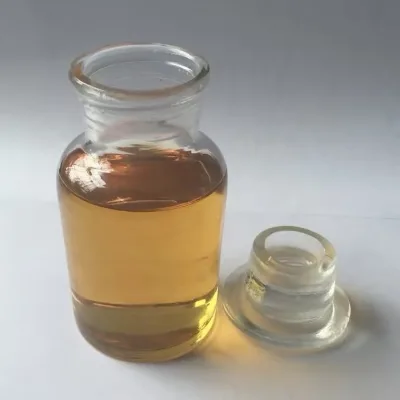


Reinforcing Coupling Agent for Polypropylene Compounds with Good Stability
$2400.00 - $2600.00
MOQ: 1 Tons


Comprehensive Sourcing Guide
Strategic Sourcing Guide for Waterproof PVA Jointing Agents
Navigating the global market for waterproof polyvinyl alcohol (PVA) jointing agents requires a disciplined approach to distinguishing between generic chemical auxiliaries and specialized construction materials. The core keyword "Waterproof PVA Jointing Agent" often conflates distinct product categories, ranging from standard PVA emulsions used as binders to specialized silicate-based waterproofing systems. Buyers must rigorously analyze product attributes, technical specifications, and supplier claims to ensure the selected material meets the specific demands of construction applications. This guide outlines the critical factors for sourcing these agents, focusing on verified product data, compliance verification, and quality assurance protocols.
Technical Specifications and Product Classification
The primary challenge in sourcing waterproof PVA agents lies in the variability of product definitions. Market listings frequently display conflicting attributes regarding morphology, composition, and function. A comprehensive evaluation begins with understanding the fundamental classification of the material. Some listings identify the product as a "Chemical Auxiliary Agent" with a usage profile for "Adhesives, Emulsifiers, and Dispersants," while others explicitly categorize it as a "Waterproofing Agent" or "Foaming Agent."
When evaluating technical specifications, buyers must scrutinize the physical state of the product. Data indicates that PVA jointing agents can appear as "Powder" or "Water Emulsion." The morphology is a critical determinant for application; a "Water Emulsion" with a "Pressure sensitive Adhesive" bonding function suggests a liquid application suitable for specific jointing scenarios, whereas a "Powder" form may require on-site reconstitution. The color of the product is another observable attribute, with listings showing both "White" and "Yellow" variants. While color alone does not dictate performance, significant deviations from the expected white or off-white appearance of standard PVA may indicate the presence of other additives or impurities.
Chemical composition is equally vital. Some product data points to "Main Ingredients" such as "Potassium Methylsilicate," which suggests a silicate-based waterproofing system rather than a pure PVA emulsion. This distinction is crucial because silicate systems often offer different chemical resistance and penetration capabilities compared to pure PVA. The "Solid Content" is a key performance metric, with observed data indicating a value of 42% at 90 minutes at 150°C. Similarly, the "Active Content" is listed at 23%, which directly influences the dosage rate and final film strength. Buyers must verify these percentages against the specific requirements of their jointing project, as lower solid content may necessitate higher application volumes to achieve the desired waterproofing effect.
Compliance, Certification, and Safety Standards
In the construction sector, compliance with environmental and safety standards is non-negotiable. The sourcing guide emphasizes the need to verify "Environmental Protection" status, which is listed as "Yes" for certain products in the observed data. This claim typically aligns with the "Low Voc" (Volatile Organic Compounds) attribute, which is a significant advantage for indoor applications and projects adhering to strict green building certifications. The product is also described as "Odorless, Tasteless, and Non-Toxic," attributes that are essential for worker safety and occupant health.
However, buyers must be cautious regarding specific certification claims. While some background information references standards like "EN204," this should not be assumed as a guaranteed compliance status for every listed product. Instead, procurement teams should request current test reports and certificates of analysis from the supplier. The "prod_standard" field in product data often contains vague entries like "100%" or specific viscosity ranges such as "45.0-55.0cps." These figures must be cross-referenced with international standards relevant to the buyer's region, such as ASTM or ISO standards for waterproofing agents.
The "Grade" of the material is another compliance factor. The observed data specifies "Industrial Grade," which implies the product is suitable for general construction but may not meet the stringent purity requirements for specialized or high-performance applications. Buyers should explicitly confirm if the product meets local building codes and environmental regulations regarding chemical discharge and waste disposal. The "Shelf Life" of 12 months and storage requirements for "Closed Containers" are also critical compliance points, as improper storage can degrade the product's efficacy and lead to non-compliant performance in the field.
Cost Drivers and Economic Considerations
The cost structure of waterproof PVA jointing agents is influenced by several variables, including raw material prices, packaging, and logistics. The observed "MOQ" (Minimum Order Quantity) ranges widely, from 1 ton to 10 tons, and even up to 20,000 units in some contexts. This variance suggests that pricing models are highly dependent on order volume. Suppliers may offer tiered pricing, where the unit cost decreases significantly as the order quantity increases from the 1-ton threshold to the 10-ton threshold.
Packaging is a direct cost driver. The data lists "25kg/Bag" as a standard packaging format, while other entries mention "Tank" or "Rectangular" containers with a capacity of "1000kg/tank." The choice between bagged and bulk tank delivery impacts shipping costs, handling labor, and potential waste. For smaller projects, the 25kg bag may be more economical despite a higher per-kilogram cost, whereas large-scale infrastructure projects may benefit from the efficiency of tank delivery.
The "Selling Units" are listed as "Single item," which can be misleading in a B2B context. Buyers should clarify whether the price quoted is per unit, per ton, or per batch. The "Brand Name" and "Customization" availability also play a role in pricing. Customized formulations, such as specific viscosity adjustments or color variations, typically incur a premium. Additionally, the "Origin" of the product, noted as "P. R. China" or "China," influences logistics costs and import duties. Buyers must factor in the total landed cost, including freight, insurance, and tariffs, rather than focusing solely on the ex-works price.
Typical Applications and Performance Expectations
The versatility of waterproof PVA jointing agents allows for a broad range of applications, primarily in the construction industry. The "Function" is explicitly listed as "Construction Material," and the "Usage" includes "Construction" and "Adhesives." The product is designed to serve as a "Dispersant" and "Emulsifier," which aids in the uniform distribution of other components within a mixture.
One of the primary advantages highlighted in the product data is "Good Waterproof Performance and Weather Resistance." This makes the agent suitable for exterior applications where exposure to rain, humidity, and temperature fluctuations is a concern. The ability to "Greatly Improve The Service Life of The Substrate" is a key selling point for contractors looking to reduce long-term maintenance costs. The "Water-Based System" nature of the product ensures it is environmentally friendly and easy to apply, reducing the need for hazardous solvents.
The "Bonding Function" is described as "Pressure sensitive Adhesive," which suggests the product may be used in scenarios requiring immediate tack or specific pressure application. However, buyers must verify if this specific bonding mechanism aligns with their jointing requirements. For instance, in masonry or tile applications, the agent must provide a strong, durable bond that resists water ingress. The "Characteristic" of being "Waterproof" is central to its utility, but the actual performance depends on the "Active Content" and the specific formulation of the silicate or PVA base.
Supplier Evaluation and Selection Criteria
Selecting the right supplier is as critical as selecting the right product. The observed data includes a "Brand Name" of "XMM," but buyers should not rely on brand recognition alone. Instead, they should evaluate suppliers based on their ability to provide consistent quality and technical support. The "After-sales Service" of "24 Hours Online Service" is a valuable indicator of a supplier's commitment to customer support, which is essential for troubleshooting application issues or addressing quality concerns.
Suppliers should be vetted for their ability to provide detailed technical data sheets (TDS) and safety data sheets (SDS). The presence of specific attributes like "MF: Mixtures" indicates that the product is a complex blend, and the supplier must be able to explain the formulation and the role of each component. The "Customization: Available" attribute suggests that suppliers are willing to tailor products to specific project needs, which is a significant advantage for unique applications.
When evaluating suppliers, buyers should also consider the "prod_origin" and the logistics capabilities of the supplier. A supplier located in "China" may offer competitive pricing, but the buyer must ensure that the supplier has a reliable export infrastructure to handle the "MOQ" requirements and manage lead times. The "Storage" requirements, such as keeping the product in "Closed Containers," must be communicated clearly to the supplier to ensure that the product arrives in optimal condition.
Quality Control and Long-Term Procurement
Quality control is paramount in the procurement of chemical construction materials. Buyers should implement a rigorous inspection protocol that includes verifying the "Solid Content" and "Active Content" upon receipt. The "Specific Gravity" of 1.29 at 25/25°C is a physical property that can be easily tested to ensure the product has not been diluted or contaminated. Regular sampling and testing against the "Standard" of "100%" or the specified viscosity range are essential to maintain consistency.
Long-term procurement considerations involve establishing a stable supply chain. The "Shelf Life" of 12 months means that buyers should avoid overstocking unless they have a guaranteed consumption rate. The "Storage" conditions must be strictly adhered to, as exposure to air or moisture can degrade the product. Buyers should also consider the "Environmental Protection" aspect, ensuring that the supplier's production processes align with their own sustainability goals.
In conclusion, sourcing a Waterproof PVA Jointing Agent requires a meticulous approach that balances technical specifications, compliance, cost, and supplier reliability. By focusing on verified data points such as solid content, active content, and specific gravity, and by demanding clear evidence of environmental and safety compliance, buyers can secure a product that delivers the promised waterproofing performance and extends the service life of their construction projects. The wide range of observed attributes and MOQs necessitates a tailored sourcing strategy that aligns with the specific needs of each project.
FAQs
What is the solid content of the Waterproof PVA Jointing Agent?
The solid content is 42 percent when tested for 90 minutes at 150 degrees Celsius. This value indicates the active material concentration available for waterproofing applications in construction projects.
Can the product be customized for specific project needs?
Yes, customization is available for this Waterproof PVA Jointing Agent. Buyers can request specific formulations to match unique application requirements while maintaining the core industrial grade quality.
What is the minimum order quantity for purchasing this agent?
The minimum order quantity is 1 ton for standard orders. Some listings may require 10 tons, so buyers should verify the specific MOQ with the supplier before placing an order.
How should the product be stored to maintain quality?
The product must be stored in closed containers to prevent degradation. This storage method ensures the water-based system remains effective throughout its 12-month shelf life.
Which packaging formats are available for this chemical agent?
Available packaging includes 25kg bags and 1000kg tanks. The choice between bagged and bulk tank delivery depends on the project scale and logistical requirements.
Is the Waterproof PVA Jointing Agent environmentally friendly?
Yes, the product is environmentally friendly with low VOC emissions. It is also odorless, tasteless, and non-toxic, making it safe for use in various construction environments.