Source Anti-Corrosion Steel Storage Units for Warehouses
Compare 30 Anti-Corrosion Steel Storage Units from verified Chinese suppliers. These durable units feature recyclable materials, earthquake resistance, and customizable designs suitable for warehouses, workshops, and industrial sites with production times of 4 to 8 weeks; compare the available evidence and request quotations based on your requirements.
Key considerations
Products List


Heavy-Duty Steel Storage Unit for Ultimate Durability and Efficiency
$20.00 - $35.00
MOQ: 700 Square Meters


Versatile Steel Storage Units for Worldwide Logistics Solutions
$45.00 - $70.00
MOQ: 500 Square Meters


Durable Galvanized Steel Workshop Storage Units for Enhanced Efficiency
$30.00 - $45.00
MOQ: 1 Square Meters


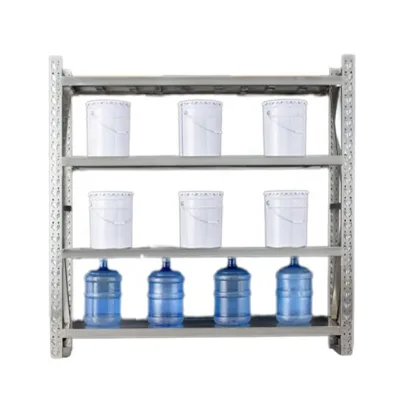


Small Box-Type Units Are Generally Used in Small Cold Storage Facilities.
$100.00 - $100000.00
MOQ: 1 Pieces

Versatile Steel Storage Units for Cost-Effective Building Solutions
$47.00 - $65.00
MOQ: 200 Square Meters


Versatile Modular Steel Storage Solutions for Efficient Organization
$50.00 - $80.00
MOQ: 100 Square Meters


Comprehensive Sourcing Guide
Anti-Corrosion Steel Storage Units Sourcing Guide
Procuring anti-corrosion steel storage units requires a strategic approach that balances structural integrity with environmental durability. Buyers must first define the specific operational context, whether for finished goods warehousing or specialized industrial storage, to ensure the selected unit meets load-bearing and spatial requirements. The observed market offers a diverse range of models, from mini warehouses to large-scale portal frame structures, each with distinct engineering solutions. Understanding these variations is critical for aligning procurement with long-term facility needs.
The sourcing landscape is characterized by significant variability in material specifications and customization options. Suppliers often provide options such as color steel plates with specified thicknesses, alongside various enclosure systems like single-corrugated or sandwich panels. This flexibility allows for tailored solutions but demands rigorous verification of technical parameters. Buyers should prioritize suppliers who offer comprehensive design services and engineering support, ensuring that the final product integrates seamlessly with existing infrastructure while adhering to strict anti-corrosion standards.
Product Scope and Observed Listing Signals
The current market presents a wide array of steel storage solutions, ranging from compact mini warehouses to extensive industrial facilities. Listings indicate a strong emphasis on recyclability and high-intensity performance, suggesting that modern units are designed for both sustainability and robustness. Key features frequently highlighted include earthquake resistance and ease of installation, which are vital for rapid deployment in dynamic commercial environments. These attributes signal a shift towards modular and adaptable storage systems that can withstand diverse geographical and operational challenges.
Observed product models and configurations reveal a high degree of customization availability. Suppliers offer various structural types, including latticetruss, portal frame, and suspended designs, catering to different architectural and functional demands. The presence of specific model identifiers, such as XGZO-I01 and GY-SW series, indicates a standardized yet flexible product line. Buyers should note that while many units are described as new and customized, the exact specifications can vary significantly between suppliers, necessitating careful review of individual product datasheets.
Technical Specifications to Verify
Verifying technical specifications is paramount to ensuring the longevity and safety of steel storage units. Buyers must confirm the steel consumption rates, which typically range from 20 to 40 kg per square meter, as this directly impacts structural strength and material costs. Additionally, the surface treatment processes, such as painting and galvanizing, are critical for anti-corrosion performance. It is essential to verify the thickness of the color steel plate, often specified around 0.45mm, to ensure it meets the required durability standards for the intended storage environment.
Connection methods and structural detailing also require close scrutiny. Bolt connections are commonly used, offering flexibility for assembly and disassembly, but the quality of these connections must be validated against engineering drawings. Suppliers often provide engineering solutions that include design, detailing, and optimization, which should be reviewed for compliance with local building codes. Buyers should request detailed CAD or 3D models to assess the precision of the fabrication and ensure that all components fit together seamlessly without compromising structural integrity.
Compliance and Safety Documentation
Compliance with international and local standards is non-negotiable for steel storage units. Certifications such as CE and ISO9001 are frequently cited, indicating adherence to quality management and European conformity standards. Buyers must verify that these certifications are current and applicable to the specific product models being procured. Additionally, standards like AWS D1.1 and EN1090 are relevant for welding and structural steelwork, ensuring that fabrication processes meet rigorous safety and quality benchmarks.
Building codes such as GB, AISC, and CE provide the regulatory framework for structural design and installation. Buyers should ensure that the supplier’s engineering solutions align with these codes, particularly if the units are to be installed in regions with specific seismic or wind load requirements. Documentation should also include material test reports and surface treatment certifications, which validate the anti-corrosion properties of the steel. Without proper documentation, buyers risk non-compliance and potential safety hazards, making thorough verification a critical step in the procurement process.
Cost Drivers and Commercial Terms
Several factors influence the cost of anti-corrosion steel storage units, with material consumption and customization levels being primary drivers. The steel consumption rate, typically between 20 and 40 kg per square meter, directly correlates with material costs. Customization options, such as specific colors, enclosure systems, and structural designs, can also increase pricing. Buyers should request detailed cost breakdowns to understand how these variables affect the final price, ensuring transparency and avoiding hidden fees.
Production time and logistics are also significant cost components. Lead times generally range from 4 to 8 weeks, depending on the complexity of the order and customization requirements. Packaging methods, such as palletized, wooden crate, or bulk packaging, impact shipping costs and handling requirements. Buyers should negotiate clear commercial terms regarding payment schedules, delivery timelines, and warranty provisions. Understanding these cost drivers helps in budgeting accurately and selecting suppliers who offer the best value for money without compromising on quality.
Supplier Qualification and Quality Control
Evaluating supplier qualifications is essential for securing reliable anti-corrosion steel storage units. Buyers should assess the supplier’s engineering solution capabilities, including proficiency in tools like 3dsolidwork, CAD, and 3dmax, which indicate a high level of technical expertise. OEM and ODM acceptability is another key factor, suggesting the supplier’s ability to tailor products to specific buyer requirements. Verifying the supplier’s track record and past projects can provide insights into their reliability and consistency in delivering high-quality products.
Quality control processes must be rigorously examined to ensure product consistency and durability. Buyers should inquire about the supplier’s inspection protocols, including pre-shipment inspections and material testing. The use of standardized packaging, such as palletized and well-secured methods, helps prevent damage during transit. Additionally, suppliers should provide clear guidelines for installation and maintenance, ensuring that the anti-corrosion features are preserved over the unit’s lifespan. Establishing a strong quality control framework with the supplier minimizes risks and ensures long-term satisfaction.
Long-Term Procurement Checks
Long-term procurement success depends on continuous monitoring and evaluation of supplier performance. Buyers should establish key performance indicators (KPIs) related to delivery times, product quality, and after-sales support. Regular audits and feedback loops can help identify areas for improvement and ensure that suppliers remain aligned with evolving business needs. Maintaining open communication channels with suppliers facilitates timely resolution of issues and fosters a collaborative partnership.
Lifecycle management of steel storage units also requires attention to maintenance and potential upgrades. Buyers should develop a maintenance schedule that includes regular inspections of surface treatments and structural connections. Understanding the expected usage time, which can exceed 50 years, helps in planning for long-term facility management. By proactively addressing maintenance needs and staying informed about industry advancements, buyers can maximize the value and longevity of their anti-corrosion steel storage investments.
FAQs
What certifications do these steel storage units hold?
These units hold CE and ISO9001 certifications as standard. Some listings also mention CCC certification. These documents verify compliance with international safety and quality management systems for the steel structures.
How long is the production time for these units?
The production time typically ranges from four to eight weeks. This duration applies to standard orders and may vary based on specific customization requests or current factory capacity for the steel storage units.
Can I request custom colors for the steel storage units?
Yes, customization for colors is available upon request. Standard options include blue, gray, yellow, red, white, and green. You can specify unique color requirements to match your facility branding or safety standards.
What is the expected usage time for these units?
The expected usage time exceeds fifty years for these steel storage units. This longevity is achieved through anti-corrosion treatments and high-intensity materials like color steel plates designed for long-term durability in various environments.
Which engineering solutions are offered for these units?
Engineering solutions include design, detailing, optimization, and erection services. Advanced capabilities support 3D modeling using SolidWorks and 3ds Max. These services ensure the structure meets specific site requirements and building codes.
How are these units packed for shipping?
Packing methods vary by model and include palletized, well-secured, wooden crate, bundle frames, or nude packages. The specific method depends on the product model and shipping requirements to ensure safe transport of the steel units.