Source Anti-Fray Tricep Rope for Gymnasium, Park, Community
Compare 30 listings for Anti-Fray Tricep Rope designed for strength training in gymnasium, park, and community settings. Buyers can evaluate materials like TPE and steel, customization options, and lead times from verified manufacturers in China.
Key considerations
Products List
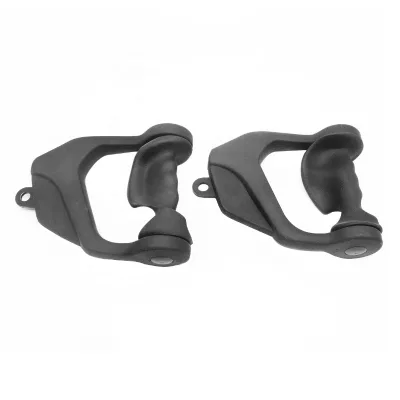


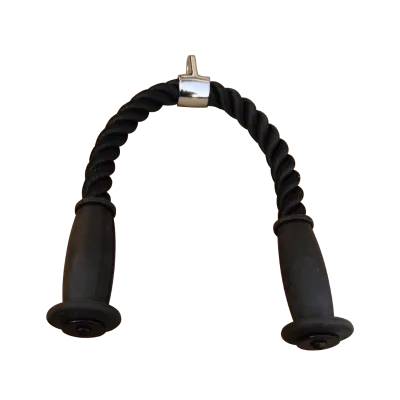
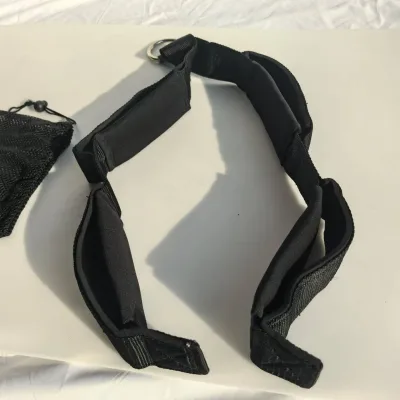

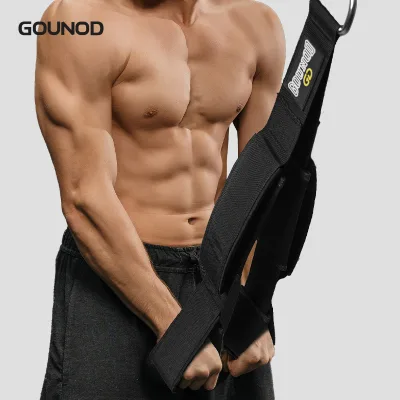


Comprehensive Sourcing Guide
Anti-Fray Tricep Rope Sourcing Guide
Procuring anti-fray tricep ropes requires a strategic approach that balances material durability with specific training applications. These accessories are essential for strength training, particularly for targeting the triceps during cable machine exercises. Buyers must recognize that while the core function remains consistent, the construction varies significantly between manufacturers, with some utilizing TPE for flexibility and others relying on steel cores for maximum tensile strength. Understanding these material distinctions is the first step in selecting a product that aligns with the intended intensity of the training environment.
The sourcing landscape for these items often involves a mix of customized and standard offerings, with suppliers frequently providing options for personalized branding and color variations. Buyers should anticipate a wide range of minimum order quantities, which can span from small batches of 20 pieces to large industrial orders of 5,000 units. This variability allows for flexibility in procurement strategies, enabling both small gyms and large equipment distributors to source inventory that fits their specific budget and storage constraints without overcommitting to excessive stock.
Product Scope and Observed Listing Signals
The market for tricep ropes includes products designed for diverse environments, ranging from home gyms to large community parks and professional fitness centers. Listings indicate that these accessories are suitable for unisex use and cater to adult age groups, making them versatile for general fitness applications. The observed product attributes highlight a focus on durability, with many items explicitly marketed as suitable for high-frequency use in both indoor and outdoor settings. This dual-environment capability suggests that the materials used must withstand varying weather conditions and rigorous physical stress without degrading.
Visual and descriptive signals in product listings often emphasize customization capabilities, such as the availability of logos and specific color options. Buyers will frequently encounter models with specific identifiers like GY94 or DY-BT-122B, which denote distinct design iterations or manufacturer-specific standards. The presence of "Customized Logo Available" and "Customized Color Accept" signals indicates that suppliers are prepared to handle branding requests, a critical factor for private label distributors looking to establish a unique market presence.
Technical Specifications to Verify
Material composition is the primary technical differentiator for anti-fray tricep ropes, with listings showing a split between TPE and steel constructions. TPE materials offer a softer touch and flexibility, often preferred for comfort during high-repetition sets, while steel-based ropes provide superior strength and resistance to snapping under heavy loads. Buyers must verify the specific material grade and core construction to ensure the rope can handle the intended resistance levels of their cable machines. The standard lengths observed in the market include 9, 10, 12, and 15 meters, which should be selected based on the specific cable machine setup and the required range of motion for the exercises.
Packing and structural integrity are also critical technical specifications that influence the longevity and shipping safety of the product. Standard packaging often involves individual polybag protection followed by carton consolidation, though some suppliers utilize woven bags for added durability during transit. The folded nature of some models suggests a design that prioritizes storage efficiency, which is particularly valuable for facilities with limited space. Verifying the exact model number, such as WL262401 or rope01-002, ensures that the buyer receives the precise configuration of length, material, and attachment hardware required for their specific equipment.
Compliance and Safety Documentation
Safety certifications are a non-negotiable aspect of sourcing fitness accessories, particularly for products used in public or commercial settings. The observed market data includes references to CE, ISO, and RoHS certifications, which indicate that the products meet specific European safety and environmental standards. Buyers should request current certification documents to verify that the materials used are free from harmful substances and that the manufacturing process adheres to international quality management systems. These documents serve as proof of due diligence and are often required by insurance providers and facility managers before equipment can be deployed.
Warranty terms provide an additional layer of protection and indicate the manufacturer's confidence in their product's durability. Listings frequently mention a one-year warranty period, which covers defects in materials and workmanship. This standard term suggests that the supplier expects the product to perform reliably for at least twelve months under normal usage conditions. Buyers should clarify the specific scope of this warranty, including whether it covers normal wear and tear or only manufacturing defects, to ensure they have adequate recourse in the event of premature failure.
Cost Drivers and Commercial Terms
The pricing structure for tricep ropes is influenced by material costs, customization levels, and order volume. The observed price range spans from $0.25 to $398, reflecting the difference between basic single-unit purchases and bulk orders of specialized, branded equipment. High-volume orders typically benefit from economies of scale, but the final cost is heavily dependent on the complexity of the customization, such as the inclusion of custom logos or specific color requests. Buyers must balance the desire for branding with the budgetary constraints, as premium customization options can significantly increase the unit price.
Payment and shipping terms are critical commercial factors that affect cash flow and delivery timelines. Standard payment structures often require a 30% deposit followed by a 70% balance upon completion or before shipment. Lead times vary, with some suppliers offering delivery within 20 days of the initial payment, while others may require approximately 30 days. Shipping methods are predominantly sea freight, which is cost-effective for large volumes but requires careful planning to align with inventory needs. Understanding these terms allows buyers to accurately forecast total landed costs and manage their supply chain schedules effectively.
Supplier Qualification and Quality Control
Supplier location and origin play a significant role in the logistics and reliability of the supply chain. The majority of observed listings originate from manufacturing hubs in China, specifically regions like Jiangsu, Nantong, and Hebei Dingzhou. These areas have established ecosystems for fitness equipment production, offering a competitive advantage in terms of manufacturing expertise and supply chain efficiency. Buyers should verify the specific factory location to assess the proximity to major shipping ports and the supplier's ability to handle export logistics efficiently.
Quality control processes are essential to ensure that every unit meets the specified standards for durability and safety. Suppliers often indicate that their products adhere to customized standards, which implies a level of flexibility in meeting specific buyer requirements. However, buyers must implement their own quality checks, such as requesting pre-shipment samples or conducting third-party inspections, to verify that the anti-fray features and material integrity match the agreed specifications. This proactive approach mitigates the risk of receiving substandard goods that could lead to customer complaints or safety incidents.
Long-Term Procurement Checks
Sustaining a successful procurement relationship requires ongoing monitoring of supplier performance and product consistency. Buyers should establish clear communication channels to address any issues regarding lead times, quality deviations, or changes in material availability. Regular audits of the supplier's production capabilities and adherence to agreed-upon standards ensure that the supply chain remains robust and responsive to changing market demands. This continuous engagement helps in building a partnership that prioritizes mutual growth and reliability over time.
Future-proofing the procurement strategy involves staying informed about industry trends and technological advancements in fitness equipment. As the demand for durable, high-performance accessories grows, suppliers may introduce new materials or designs that offer improved anti-fray properties. Buyers should remain open to updating their specifications and requirements to incorporate these innovations, ensuring that their inventory remains competitive and aligned with the evolving needs of their customers. This adaptability is key to maintaining a strong market position in the fitness equipment sector.
FAQs
What material is used for the tricep rope?
The tricep rope is constructed from durable TPE material, ensuring longevity and resistance to wear during intense workouts. This composition supports consistent performance for strength training applications. The material choice aligns with the product's focus on durability and suitability for both indoor and outdoor exercise environments.
Can I customize the logo on the product?
Yes, customized logos are available for this tricep rope accessory. Buyers can request specific branding to meet their business needs. This customization option allows for distinct product identification, making it suitable for private label arrangements or corporate gym equipment procurement.
What is the minimum order quantity for this item?
The minimum order quantity varies by specification, with observed ranges starting from 20 pieces up to 1000 pieces. Specific models like GY94 have an MOQ of 20 PCS, while others may require higher volumes. Buyers should verify the exact MOQ for their chosen model number.
How long is the delivery time for orders?
Delivery times typically range from about 20 to 30 days after receiving the initial payment. Some specifications indicate shipping within 20 days, while others allow approximately 30 days. This lead time applies to standard production cycles for the tricep rope accessories.
What certifications does the product hold?
The product holds CE and ISO RoHS certifications, indicating compliance with relevant safety and environmental standards. These certifications ensure the tricep rope meets international quality requirements for gymnasium and community use. Buyers can rely on these documented standards for procurement compliance.
Where is the product manufactured?
The product originates from Jiangsu, China, with specific production locations including Nantong and Hebei Dingzhou. These regions are known for manufacturing fitness accessories. The origin information helps buyers assess logistics and supply chain factors for their sourcing decisions.