Source Anti-Fog Tempered Glass Snorkel Mask for diving, snorkeling, and free diving
Explore 30 listings for the Anti-Fog Tempered Glass Snorkel Mask suitable for diving, snorkeling, and free diving activities. Buyers can compare specifications, certifications, and customization options from verified suppliers in China.
Key considerations
Products List


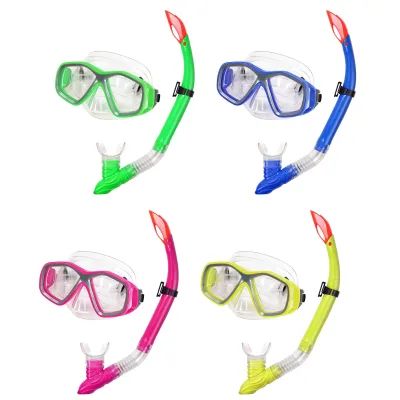


Full Face Snorkel Mask Easy Breathing Snorkeling Anti-Fog Scuba Diving Masks
$12.00 - $18.00
MOQ: 100 Pieces


Comprehensive Sourcing Guide
Strategic Sourcing Guide for Anti-Fog Tempered Glass Snorkel Masks
The global demand for high-performance snorkeling and diving equipment continues to expand, driven by growing recreational water activities and professional underwater exploration needs. Among the various categories of diving gear, the anti-fog tempered glass snorkel mask stands out as a critical piece of equipment where optical clarity and structural integrity are paramount. For B2B procurement professionals, sourcing these masks requires a nuanced understanding of material science, regulatory compliance, and supply chain logistics. This guide provides a disciplined framework for evaluating suppliers and products, ensuring that the final procurement decision aligns with safety standards and operational requirements.
Technical Specifications and Material Composition
The core of a high-quality snorkel mask lies in its lens construction and frame material. The term "tempered glass" refers to a specific manufacturing process where the glass is treated to increase its strength and resistance to impact. Unlike polycarbonate or acrylic alternatives, tempered glass offers superior scratch resistance and optical clarity, which is essential for underwater visibility. In the context of the available market data, the material composition is frequently cited as silicone for the skirt and frame components. Silicone is the industry standard for the skirt because it provides a comfortable, airtight seal against the face while remaining flexible enough to accommodate various facial structures.
When evaluating product specifications, buyers must verify the specific model numbers and dimensions. The supply chain data indicates a variety of models, such as MM-201, MK1000+SK100, and P-MM500, each potentially offering different configurations. The physical dimensions are critical for inventory planning; for instance, one standard listing notes a size of 211212.5cm, while others may offer "all sizes" or specific sizing like M and S. The weight of the equipment is another vital specification; observed data points to weights around 185g for diving snorkels and 215g for diving goggles, which influences the fatigue level for the user during extended periods of use.
Furthermore, the anti-fog capability is a functional attribute that must be verified. While some listings mention "Free Diving Equipment" or "Support Camera" functions, the specific anti-fog treatment is often a surface coating or a chemical treatment applied to the interior of the glass. Buyers should confirm whether the anti-fog property is a permanent feature of the glass or requires periodic reapplication. The color options observed in the market, ranging from black and purple to yellow, blue, green, and red, allow for customization to match brand identities or user preferences, but the optical performance must remain consistent regardless of the tint.
Compliance and Certification Verification
In the B2B procurement of diving equipment, regulatory compliance is non-negotiable. Safety standards ensure that the product will not fail under pressure or cause injury to the end-user. The market data explicitly highlights the presence of CE certification, a mandatory conformity mark for products sold within the European Economic Area. This certification indicates that the product meets EU safety, health, and environmental protection requirements. Additionally, ISO conditions are noted in the product attributes, suggesting adherence to international management system standards, which often correlate with consistent manufacturing quality.
When sourcing, procurement teams must demand valid certification documentation from suppliers. It is not sufficient to rely on a supplier's claim; the actual certificate numbers and issuing bodies must be verified. The data shows that some products list "CE" under the standard field, while others list it under certification. This distinction is important for legal compliance in different jurisdictions. For example, if the destination market requires specific diving gear standards beyond CE, such as those from the US Coast Guard or specific Asian regulatory bodies, the buyer must verify if the supplier can provide those specific documents.
The "Condition: New" attribute is a basic requirement for all new inventory, but it should be cross-referenced with the manufacturing date to ensure the silicone skirt has not degraded during storage. Furthermore, the "OEM/ODM: Acceptable" and "Customized Logo Brands" attributes indicate that many suppliers offer private labeling. While this is beneficial for branding, it does not exempt the product from the need for independent third-party testing to verify the CE or ISO claims. Buyers should treat these certifications as observations that require validation rather than guaranteed attributes of every listed product.
Cost Drivers and Pricing Structures
Understanding the cost structure of snorkel masks is essential for budgeting and margin analysis. The observed price range in the market spans from $2.38 to $24.50 USD. This significant variance suggests that price is heavily influenced by the complexity of the design, the quality of the tempered glass, the brand positioning, and the level of customization requested. Lower-priced items in the $2.38 range may be basic models with standard packaging, while the higher end of the spectrum likely includes premium features such as advanced anti-fog coatings, specialized camera mounts, or high-grade silicone with superior durability.
Minimum Order Quantity (MOQ) is another critical cost driver. The observed MOQ range is between 10 and 1000 units. A lower MOQ of 10 units allows for smaller, more agile orders, which is ideal for testing new markets or fulfilling urgent replenishment needs. However, the unit cost at this level will likely be higher. Conversely, an MOQ of 1000 units typically unlocks economies of scale, reducing the per-unit cost significantly. Buyers must balance their cash flow constraints with their volume requirements.
Packaging costs also contribute to the final landed cost. The data lists various packaging options, including "Hard Case," "Blister," "Blister Package and Colorized Hard Card," and "Carton." Customized packaging, such as colorized hard cards or specific carton configurations (e.g., 50 PCS Per Carton), adds to the production cost but enhances the product's retail appeal. Buyers should factor in the cost of these packaging variations when negotiating the total price. Additionally, the origin of the product, primarily from China, Shenzhen, and Guangdong, influences logistics costs. While these regions are major manufacturing hubs, freight rates and import duties will vary based on the specific port of entry and the chosen shipping method.
Typical Applications and Functional Versatility
Snorkel masks are designed for a variety of aquatic activities, and understanding the specific application helps in selecting the right product. The primary use case identified is "Diving," which encompasses both recreational snorkeling and more serious free diving. The "Free Diving Equipment" classification suggests that some models are optimized for breath-hold diving, requiring a low internal volume to minimize the effort needed to clear the mask. Other models are described as "Full Face Snorkel Mask," which offers a different user experience by allowing breathing through the nose and mouth, often preferred by beginners or those with respiratory concerns.
The functional versatility of these masks is further expanded by features like "Support Camera." This attribute indicates that the mask is designed to accommodate action cameras, a popular feature for content creators and tourists who wish to record their underwater experiences. This requires specific mounting points or a flat front design that does not interfere with the camera lens. Additionally, the "Customization: Available" and "Customized Logo Brands" attributes highlight the potential for these masks to be used in corporate events, resort rentals, or promotional campaigns.
The gender-specific attributes, such as "Men" and "Women" (implied by the variety of colors and sizes), suggest that manufacturers are tailoring products to fit different facial structures. The availability of sizes like S and M ensures a better fit for a broader demographic. The "Jkdf: 12" attribute, while less common, may refer to a specific design standard or a proprietary feature related to the mask's durability or fit, which buyers should investigate further to understand its impact on performance.
Supplier Evaluation and Sourcing Strategy
Evaluating suppliers requires a systematic approach to ensure reliability and quality. The supply chain data indicates that the primary production locations are in China, specifically in Shenzhen and Guangdong. These regions are known for their robust manufacturing ecosystems, but buyers must conduct due diligence to identify reputable partners. Key evaluation criteria should include the supplier's ability to provide valid CE and ISO certifications, their track record with OEM/ODM projects, and their quality control processes.
Buyers should verify the "OEM/ODM: Acceptable" status by requesting samples of previous work to assess the quality of custom logos and packaging. The ability to customize the "Logo Brands" and "Color" options is a significant advantage for B2B buyers looking to build a private label. However, the supplier's capacity to meet the "Customized" requirements without compromising the structural integrity of the tempered glass or the silicone skirt is crucial.
The "Condition: New" attribute should be verified through a pre-shipment inspection to ensure that the products have not been damaged or stored in conditions that could degrade the silicone. Suppliers should also be evaluated on their ability to handle the "prod_packing" requirements, whether it is a simple blister pack or a more complex hard case. The "50 PCS Per Carton" specification is a standard logistical detail that affects shipping efficiency and should be confirmed to ensure the packaging is robust enough for international transit.
Quality Control and Long-Term Procurement Considerations
Quality control (QC) is the final gatekeeper before products reach the end-user. Given the safety implications of diving equipment, a rigorous QC process is essential. Buyers should implement a sampling plan based on the observed MOQs. For smaller orders, a 100% inspection of critical features like the lens clarity and skirt seal is recommended. For larger orders, a statistical sampling approach based on AQL (Acceptable Quality Limit) standards should be employed.
Long-term procurement considerations involve building a sustainable relationship with suppliers who can consistently deliver high-quality products. The "Customization: Yes" and "OEM" capabilities suggest that suppliers are willing to adapt to changing market needs. However, buyers must ensure that the "Anti-fog" performance remains consistent over time and across different production batches. The "Standard: 211212.5cm" and "Standard: all sizes" notes indicate that dimensions can vary, so buyers must maintain strict control over the specifications to avoid compatibility issues with accessories or storage solutions.
Finally, the "Lead time" and "MOQ" flexibility are critical for managing inventory. While the observed MOQ ranges from 10 to 1000, buyers should negotiate terms that allow for agile responses to market demand. The "Condition: New" and "Certification: CE" attributes must be maintained throughout the supply chain, from the factory floor to the final destination. By focusing on these quality and logistical factors, B2B buyers can secure a reliable supply of high-performance anti-fog tempered glass snorkel masks that meet the rigorous demands of the diving industry.
FAQs
What certifications are required for anti fog tempered glass snorkel masks?
CE certification is a mandatory requirement for products sold in the European Economic Area. Some listings also indicate ISO conditions, suggesting adherence to international management system standards for consistent manufacturing quality.
Which materials are used for the skirt and frame of these masks?
Silicone is the industry standard material used for the skirt and frame components. This material provides a comfortable, airtight seal against the face while remaining flexible enough to accommodate various facial structures.
Can buyers customize the logo and packaging for these diving masks?
Yes, customization is available for logo brands and packaging options like hard cases or blister packs. Buyers can request specific configurations such as colorized hard cards or carton quantities like 50 pieces per carton.
How does the price range vary for anti fog tempered glass snorkel masks?
The observed price range spans from 2.38 to 24.50 USD depending on design complexity and features. Lower prices often reflect basic models, while higher costs include premium features like advanced anti-fog coatings or specialized camera mounts.
What are the typical minimum order quantities for sourcing these masks?
The minimum order quantity ranges from 10 to 1000 units depending on the supplier and customization level. Lower MOQs allow for agile testing, while higher volumes typically unlock better economies of scale for per-unit costs.
Where are the primary manufacturing locations for these diving equipment products?
Primary production locations are in China, specifically in Shenzhen and Guangdong regions. These areas are major manufacturing hubs known for robust ecosystems, though logistics costs will vary based on the specific port of entry.