Source Anti-Hijacking Motorcycle Alarm for Bikes, E-Bikes, Scooters
Compare 30 verified anti-hijacking motorcycle alarm options featuring wireless transmission, adjustable sensitivity, and keyless entry. Buyers can evaluate specifications like 110dB alarm volume, IP55 waterproof rating, and 433.92MHz frequency for bicycles, electric tricycles, and general vehicles.
Key considerations
Products List


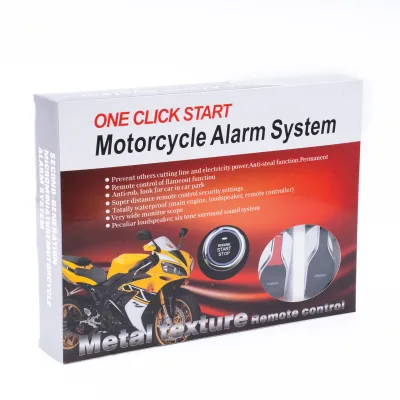
110dB Wireless Vibration Sensor Waterproof Bike Scooter Motorcycle Alarm
$5.90 - $7.90
MOQ: 100 Pieces


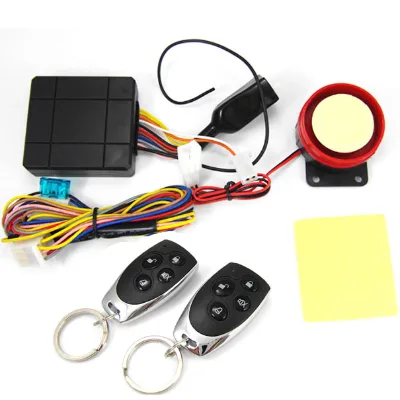


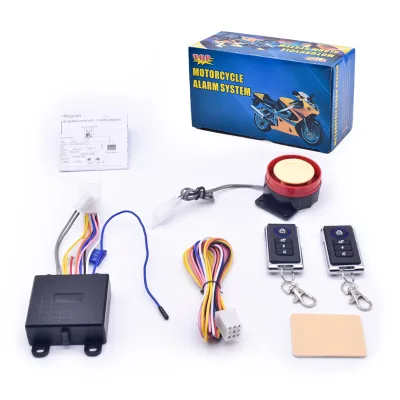


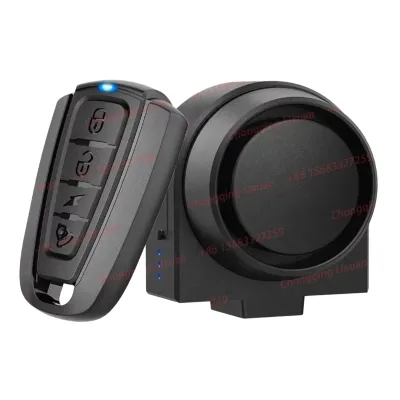
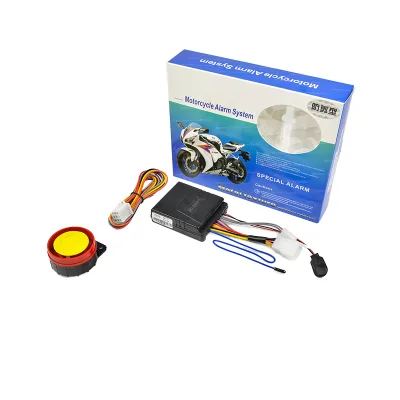



Comprehensive Sourcing Guide
Strategic Sourcing Guide for Anti-Hijacking Motorcycle Alarms
The global demand for motorcycle security solutions has intensified as vehicle theft methods become more sophisticated. For B2B procurement professionals, sourcing an anti-hijacking motorcycle alarm requires a nuanced understanding of technical specifications, regulatory compliance, and supply chain reliability. This guide synthesizes available product data to provide a disciplined framework for evaluating suppliers and selecting systems that meet rigorous security and operational standards. The focus remains on evidence-based attributes derived from current market offerings, ensuring that procurement decisions are grounded in verifiable facts rather than speculative claims.
Technical Architecture and Operational Specifications
Understanding the technical architecture is the first step in defining procurement requirements. The core functionality of modern anti-hijacking alarms relies on a combination of wireless transmission, passive working modes, and robust siren output. Based on observed product data, these systems typically operate on a 433.92MHz frequency, which is a standard band for short-range wireless communication in security devices. The transmission mode is predominantly wireless, utilizing a signal transmission protocol designed for immediate alarm activation without physical tethering.
The operational range is a critical performance metric. Market observations indicate a signal transmission range between 40 and 80 meters for specific models, while other configurations list control distances ranging from 10 to 100 meters. Procurement teams must verify the specific range claims for the target model, as this dictates the effective security perimeter. The working mode is generally passive, meaning the system remains dormant until triggered by specific events such as unauthorized movement or forced entry. Sensitivity is often adjustable, with some units offering up to seven distinct levels to prevent false alarms while maintaining high detection rates.
Power management is another vital technical consideration. These systems frequently utilize 3*AAA batteries for the transmitter, ensuring portability and ease of replacement. The receiver unit typically operates on a 12V±3V ECU voltage, compatible with standard motorcycle electrical systems. Technical specifications also highlight low power consumption, with some units drawing less than 4.0mA, which is essential for preventing battery drain on the motorcycle's main power source during extended periods of inactivity. The siren output is a defining feature of the anti-hijacking capability, with observed alarm volumes ranging from 108dB to 125dB within a 1-meter radius. This high decibel level is designed to deter thieves and alert bystanders immediately.
Compliance, Certification, and Material Standards
In the B2B sector, compliance is not merely a formality but a prerequisite for market entry and liability protection. The product data indicates that reputable suppliers in this category often provide certifications including CE, ISO, RoHS, and CCC. These certifications verify that the electronic components meet European safety standards, international quality management systems, restrictions on hazardous substances, and Chinese compulsory certification requirements. Specifically, the CE and RoHS marks are frequently cited, ensuring the device does not emit harmful radiation and is free from lead, mercury, and other toxic materials.
Material composition plays a significant role in the durability and longevity of the alarm system. The housing is typically constructed from a combination of plastic and metal, with specific references to PC (polycarbonate) material shells and ABS (Acrylonitrile Butadiene Styrene) plastic. These materials are selected for their impact resistance and ability to withstand environmental stress. The waterproof rating is a crucial specification for outdoor motorcycle applications; observed data points to an IP55 rating, which protects against dust ingress and low-pressure water jets from any direction. However, buyers should verify the exact IP rating for specific models, as higher ratings (such as IP67) may be required for extreme weather conditions.
Operating temperature ranges are also standardized in the industry. The observed data suggests an operational temperature range of -20°C to +60°C. This range ensures the device functions correctly in both freezing winter conditions and hot summer climates. When evaluating suppliers, procurement officers should request test reports confirming that the unit maintains functionality within these thermal boundaries without degradation of the battery life or electronic components.
Cost Drivers and Economic Parameters
The pricing structure for anti-hijacking motorcycle alarms is influenced by several factors, including the complexity of the electronics, the quality of materials, and the level of customization offered. The observed listed price range in the market spans from $2.10 to $21.00 USD. This wide variance reflects differences in features, such as the inclusion of keyless entry systems, central locking capabilities, and ignition control functions. Higher-priced units often integrate more advanced features like multi-tone sound selection, with some models offering six selectable tones, and enhanced anti-hijacking protocols.
Minimum Order Quantity (MOQ) is a significant economic parameter that affects procurement strategy. The observed MOQ range varies from 2 units to 500 units, with specific listings indicating an MOQ of 10 sets. This flexibility allows buyers to scale their orders based on immediate demand or long-term inventory planning. However, buyers must be aware that lower MOQs may come with higher per-unit costs, while larger orders often trigger volume discounts.
Packaging and logistics also contribute to the total cost of ownership. Products are typically shipped in color boxes or colorful gift boxes, with single package sizes measuring approximately 22.5x15.5x5.5 cm. The single gross weight is recorded at 0.35 kg. These dimensions and weights are critical for calculating freight costs and optimizing container loading efficiency. Buyers should factor in the cost of specialized packaging if the product is intended for retail distribution, as the "colorful gift box" format adds value for end consumers but increases material costs for the supplier.
Typical Applications and Vehicle Compatibility
The versatility of anti-hijacking motorcycle alarms makes them suitable for a wide array of applications. The primary target is the motorcycle market, but the data indicates suitability for bicycles, electric tricycles, and other vehicles. This broad compatibility is often achieved through universal car fitment designs, allowing the system to be installed on various makes and models without the need for vehicle-specific modifications. The "Keyless Entry" function is a prominent feature, offering convenience alongside security by allowing users to lock and unlock the vehicle remotely.
The functional scope extends beyond simple theft deterrence. Advanced systems include ignition control, which prevents the engine from starting without the authorized remote signal. This feature is particularly effective against hijacking attempts where the thief might have access to the ignition key. The "Anti-hijacking" feature is explicitly highlighted in product descriptions, suggesting that these systems are designed to detect and respond to forced entry or tampering attempts more aggressively than standard alarms.
For fleet managers or distributors, the ability to service multiple vehicle types is a key advantage. The system's compatibility with electric tricycles, which are increasingly common in urban logistics, expands the potential market reach. However, buyers must verify the voltage compatibility for electric vehicles, as some may operate on different voltage standards than the standard 12V motorcycle systems. The "One Way" transmission type noted in some specifications implies that the remote sends a signal to the receiver but does not receive confirmation, which may be a limitation for applications requiring real-time status updates.
Supplier Evaluation and Quality Assurance
Selecting the right supplier is as critical as selecting the right product. The data identifies "Aidelion" as a brand name associated with these products, and the place of origin is consistently listed as Guangdong, China. While this provides a geographic context, buyers should not rely solely on brand recognition. Instead, they must evaluate the supplier's ability to maintain consistent quality and provide after-sales support. The product data mentions "Professional" after-sales service, which should be validated through direct communication with the supplier to understand the scope of support, including warranty terms.
The warranty period is a strong indicator of supplier confidence. An observed warranty of 15 months suggests a commitment to product reliability. Buyers should ensure that the warranty covers manufacturing defects and that the process for claims is clear and efficient. Additionally, the customization options available, such as specific branding or feature adjustments, can be a differentiator for suppliers. The ability to customize the product allows buyers to tailor the solution to their specific market needs, whether that involves specific color schemes, logo placement, or feature sets.
Quality control processes should be a primary focus during supplier evaluation. Buyers should request documentation regarding the manufacturing process, including how the IP55 waterproof rating is achieved and how the sensitivity levels are calibrated. The use of PC and ABS materials must be verified to ensure they meet the stated durability standards. Furthermore, the consistency of the 433.92MHz frequency and the stability of the 12V±3V voltage operation should be confirmed through sample testing before placing a large order.
Long-Term Procurement and Market Sustainability
Sourcing decisions should be made with a long-term perspective, considering the lifecycle of the product and the sustainability of the supply chain. The 15-month warranty and the availability of replacement parts, such as AAA batteries, are essential for maintaining the product's value over time. Buyers should also consider the environmental impact of the materials used, particularly the plastic and metal components, and ensure that the supplier adheres to RoHS standards to minimize hazardous waste.
The market for motorcycle security is dynamic, with evolving theft techniques requiring continuous innovation. Suppliers who offer features like adjustable sensitivity and multiple alarm tones are better positioned to adapt to changing security needs. The "Keyless Entry" and "Central Locking" functions represent a trend toward integrated security systems that offer both convenience and protection. As the market evolves, buyers should look for suppliers who can provide firmware updates or hardware upgrades to keep their products competitive.
Finally, the logistics of long-term procurement must be managed carefully. The single package size and weight data provided are useful for planning storage and distribution. However, buyers should also consider the lead times for production and shipping, which can vary based on order volume and seasonal demand. Establishing a reliable relationship with a supplier who can meet consistent delivery schedules is crucial for maintaining inventory levels and meeting customer expectations. By focusing on these long-term factors, buyers can build a resilient supply chain that supports their business growth and ensures the continued availability of high-quality anti-hijacking motorcycle alarms.
FAQs
What certifications do anti-hijacking motorcycle alarms typically have?
These alarms typically hold CE, ISO, RoHS, and CCC certifications. These marks verify compliance with European safety standards and restrictions on hazardous substances, ensuring the device is safe for global distribution and use on various vehicles.
How loud is the siren on a standard anti-hijacking alarm?
The siren volume generally ranges from 108 to 125 decibels within one meter. This high output is designed to deter thieves and alert bystanders immediately, with some models offering adjustable sensitivity levels to prevent false triggers.
Can I customize the alarm for specific vehicle types?
Yes, customization is available for various applications including bicycles, electric tricycles, and motorcycles. The system features universal fitment and can be tailored with different tones or branding to suit specific fleet or retail requirements.
What is the typical operating temperature range for these units?
The units operate reliably between -20°C and +60°C. This wide thermal range ensures the alarm functions correctly in freezing winter conditions and hot summer climates without degrading battery life or electronic components.
Which wireless frequency is used for signal transmission?
The system operates on the 433.92MHz frequency band. This standard band is used for short-range wireless communication, allowing for a control distance of approximately 40 to 80 meters depending on the specific model configuration.
What is the minimum order quantity for these alarms?
The minimum order quantity typically starts at 10 sets but can range up to 500 units. Buyers should verify specific MOQs with suppliers, as lower quantities may incur higher per-unit costs while larger orders often trigger volume discounts.
How long is the warranty period for the product?
The standard warranty period is 15 months for these security systems. This duration indicates supplier confidence in product reliability, covering manufacturing defects and ensuring support for the device throughout its initial operational lifecycle.