Source Mini 4G Car GPS Tracker for Fleet, Logistics, and Security
Source a Mini 4G Car GPS Tracker from 30 verified listings. Compare GSM/GPS models with 12-month warranties, 5m accuracy, and 4G LTE bands. Find OEM options for fleet management, logistics tracking, and vehicle security applications; compare the available evidence and request quotations based on your requirements.
Key considerations
Products List


$11.93 - $14.29
MOQ: 2 Pieces


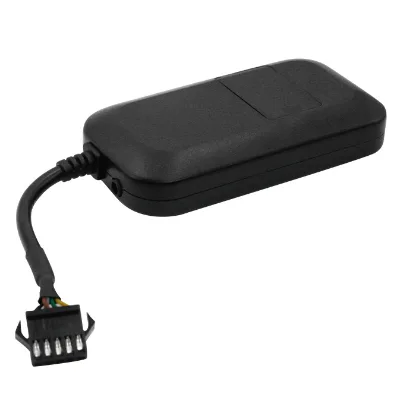
SIM Card Car GPS Tracker 4G Auto Remotely Stop Car Mini GPS Tracking Device
$17.90 - $19.90
MOQ: 2 Pieces

Smart GPS Tracker & Locator Remote History Playback 4G Mini Car GPS Tracker
$17.90 - $19.90
MOQ: 2 Pieces




Comprehensive Sourcing Guide
Mini 4G Car GPS Tracker Sourcing Guide
Procuring a Mini 4G Car GPS Tracker requires careful evaluation of network compatibility and physical form factors to ensure seamless integration with modern vehicle fleets. The observed market data indicates that these devices typically operate on GSM, GPRS, and LTE networks, supporting specific 4G bands such as B1, B2, B3, and B5 to guarantee global connectivity. Buyers must verify that the selected unit supports the specific frequency bands required in their target deployment regions to avoid signal loss or connectivity failures during transit.
Beyond network capabilities, the physical design and power requirements are critical decision points for fleet managers and logistics coordinators. The available product listings show units designed for 12V to 24V vehicle electrical systems, often featuring internal chargeable lithium-ion batteries for backup power during ignition-off periods. Sourcing teams should prioritize models with compact dimensions, such as those measuring approximately 6.78 by 4.1 centimeters, to ensure discreet installation on windshields, dashboards, or under vehicle panels without obstructing driver visibility.
Product Scope and Observed Listing Signals
The current market for mini 4G GPS trackers reveals a distinct segmentation between automotive-specific units and general handheld positioning devices. While many listings explicitly state an automotive use case with features like oil cut and resume capabilities, other entries describe handheld applications with different battery types and placement options. Buyers must scrutinize product descriptions to distinguish between hardwired vehicle trackers and portable units, as the intended application dictates the necessary power input and mounting hardware requirements.
Listing signals also highlight significant variations in packaging and standardization across different supplier offerings. Some manufacturers provide standard color boxes containing 100 units per carton, while others offer bulk packaging with different weight specifications and unit counts per carton. These logistical details are essential for procurement planning, as they directly impact shipping costs, storage requirements, and the ease of distribution to end-users or regional service centers.
Technical Specifications to Verify
Technical verification begins with confirming the positioning accuracy and the underlying satellite systems supported by the device. The observed data suggests a typical GPS accuracy of around 5 meters, utilizing a combination of GSM, GPS, GPRS, LBS, and AGPS technologies to maintain location tracking even in urban canyons. Buyers should request detailed test results or datasheets that validate the device's ability to switch seamlessly between satellite and terrestrial positioning modes to ensure reliable tracking performance in diverse environments.
Network performance and data transmission capabilities are equally critical when selecting a mini 4G tracker for real-time fleet monitoring. The devices must support high-speed data transmission via LTE networks while maintaining compatibility with legacy 2G bands for fallback connectivity. Procurement teams need to verify the specific carrier frequencies, such as 850/900/1800/1900MHz, and ensure the hardware reset features function correctly to restore connectivity after network interruptions or power cycles.
Compliance and Safety Documentation
Regulatory compliance is a non-negotiable aspect of sourcing electronic tracking devices for international markets. The available product information frequently cites CE and FCC certifications, which are essential for selling these devices in North America and the European Union. Buyers must insist on valid, up-to-date certification documents for every batch purchased, as these proofs demonstrate that the radio frequency emissions and electrical safety standards meet the legal requirements of the destination country.
In addition to radio certifications, environmental and safety standards such as RoHS play a vital role in the procurement process. Many listings indicate compliance with RoHS directives, ensuring that the devices are free from hazardous substances like lead and mercury. Sourcing managers should verify that the supplier can provide a Declaration of Conformity for these standards, as this documentation is often required for customs clearance and to satisfy corporate sustainability policies regarding electronic waste and material safety.
Cost Drivers and Commercial Terms
The final cost of a mini 4G GPS tracker is influenced by several factors, including the complexity of the hardware, the inclusion of specific network bands, and the level of customization requested. While observed price ranges vary significantly, the inclusion of features like cloud storage, real-time map integration, and multi-channel port capabilities can drive up the unit price. Buyers should analyze the total cost of ownership, considering not just the hardware price but also the potential costs associated with SIM card data plans and software subscription fees.
Commercial terms such as Minimum Order Quantity (MOQ) and lead times are critical variables that affect procurement strategy and cash flow management. The market data indicates an MOQ range from 1 to 1000 units, offering flexibility for small startups while accommodating large fleet deployments. Procurement teams must negotiate clear lead times and payment terms, ensuring that the supplier can meet delivery schedules without compromising on quality or incurring hidden expedited shipping costs that could erode profit margins.
Supplier Qualification and Quality Control
Supplier qualification requires a thorough assessment of the manufacturer's production capabilities and their track record in the GPS tracking industry. Many suppliers are located in Shenzhen, a major hub for electronics manufacturing, which offers access to a robust supply chain and advanced production facilities. Buyers should verify the factory's capacity to handle custom orders, including OEM and ODM services for logo printing and packaging, to ensure the final product aligns with their brand identity and market positioning.
Quality control processes must be rigorously defined to prevent defects and ensure long-term reliability of the deployed devices. The observed warranty terms, typically ranging from one year to 12 months, serve as a baseline for supplier confidence in their product durability. Procurement teams should establish clear protocols for testing incoming shipments, including functional checks on battery life, GPS accuracy, and network connectivity, to identify any non-conforming units before they reach the end customer.
Long-Term Procurement Checks
Sustaining a successful partnership with a GPS tracker supplier involves regular audits of their quality management systems and adherence to agreed-upon standards. Buyers should schedule periodic reviews to ensure that the manufacturer continues to meet the specified technical requirements and maintains the necessary certifications for ongoing sales. This proactive approach helps mitigate risks associated with supply chain disruptions or changes in regulatory landscapes that could impact product availability.
Long-term procurement also demands a focus on after-sales support and the availability of spare parts or replacement units. The observed warranty time of 12 months indicates a standard expectation for product support, but buyers should negotiate extended support options for large-scale deployments. Establishing a clear communication channel for technical troubleshooting and software updates ensures that the fleet remains operational and that any firmware issues can be resolved quickly to maintain data integrity and tracking accuracy.
FAQs
What certifications do these mini 4g car gps trackers have?
These devices typically hold CE, FCC, and RoHS certifications to ensure regulatory compliance in various markets. Some models also feature ISO standards. Buyers should verify specific certificate documents with the supplier before placing orders to confirm that the exact batch meets the destination country's import requirements and safety regulations.
Can these trackers be customized with my brand logo?
Yes, customization is available for many models, including logo printing and custom packaging options. Suppliers often support OEM and ODM requests to help brands stand out. Buyers should discuss minimum order quantities for custom branding directly with the manufacturer to understand the cost implications and production timeline for personalized units.
What is the battery capacity and type for portable models?
Portable units often use a 3.7V 350mAh Li-ion battery or a polymer battery for reliable operation. This internal power source allows the device to function when disconnected from the vehicle. Buyers should note that battery life varies based on reporting intervals and usage patterns, so checking specific model specs is essential.
How accurate is the GPS positioning for these trackers?
The GPS accuracy is generally around 5 meters under open sky conditions. These devices utilize GSM, GPS, GPRS, and sometimes Beidou or LBS for positioning. This precision supports real-time tracking on maps. Buyers should ensure the tracker has a clear view of the sky for optimal performance in urban environments.
What voltage range do these automotive trackers support?
Most automotive mini 4g car gps trackers support a voltage range of 12V to 24V. This makes them compatible with a wide variety of vehicles, including cars, trucks, and motorcycles. Buyers should verify the specific voltage requirements of their target vehicle fleet to ensure seamless installation and reliable power monitoring features.
Which apps can be used to view tracker data?
Data can be viewed via Android and iOS apps, as well as PC platforms. Some models also support SMS coordinate tracking for basic location queries. Buyers should test the app interface and server stability before bulk purchasing to ensure the software meets their team's operational needs and provides reliable real-time updates.