Source Mini Magnetic Waterproof GPS Tracker for Fleets, Logistics, and Security
Source a Mini Magnetic Waterproof GPS Tracker for diverse vehicle tracking needs. Compare 30 models featuring 4G GSM networks, real-time positioning, and cloud storage. Options include heavy-duty magnetic mounts and portable dashboard units with CE and FCC certifications for global compliance.
Key considerations
Products List


Waterproof Mini Magnetic GPS Tracker with Power Save Mode Easy Installation
$21.00 - $27.00
MOQ: 2 Pieces


Mini Gpsmagnetic Mini Car Tracker GPS Real Time Management Car GPS Tracke
$27.59 - $27.60
MOQ: 10 Pieces


4G Mini GPS Vehicle Tracker with Magnetic Mount for Cars and Motorcycles
$9.49 - $12.90
MOQ: 10 Pieces


Strong Magnetic 4G LTE GPS Tracker Mini Hidden Real-Time Locator for Kids
$19.00 - $25.00
MOQ: 1000 Pieces


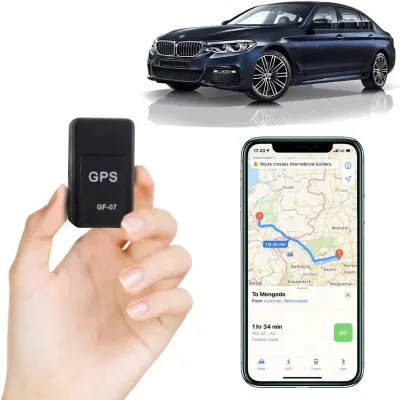


Comprehensive Sourcing Guide
Mini Magnetic Waterproof GPS Tracker Sourcing Guide
Procuring mini magnetic waterproof GPS trackers requires a careful balance between compact form factors and robust tracking capabilities. These devices are primarily designed for automotive applications, offering discreet placement options such as under vehicle chassis or on metal surfaces. The magnetic mounting feature simplifies installation for fleet managers and individual users who need rapid deployment without permanent wiring. Buyers must evaluate the trade-offs between size and battery life, as smaller units often rely on internal batteries that require periodic recharging or replacement.
The market offers various models with differing connectivity standards, including GSM, GPRS, and LTE networks. Understanding the specific network requirements of your target region is crucial, as some trackers support quad-band GSM while others may be limited to specific Asian or South American versions. Additionally, the waterproof rating ensures durability in harsh weather conditions, making these trackers suitable for heavy trucks, containers, and general vehicle tracking. Sourcing the right unit involves verifying compatibility with existing fleet management software and mobile applications.
Product Scope and Observed Listing Signals
The current market landscape for mini magnetic GPS trackers reveals a diverse range of models, each tailored to specific operational needs. Observed listings indicate a price range from approximately $1.78 to $68 USD, reflecting variations in hardware quality, network capabilities, and included services. Minimum order quantities (MOQ) typically span from single units for testing to bulk orders of up to 1000 pieces, catering to both small businesses and large fleet operators. This wide variance allows buyers to scale their procurement efforts based on immediate needs and budget constraints.
Key product attributes observed include support for real-time tracking via iOS and Android applications, as well as PC-based web platforms. Many models feature cloud storage for data retention, enabling historical route playback and geofencing alerts. The physical dimensions of these trackers vary, with some models measuring around 84.6mm x 57.2mm x 27.5mm, while others are slightly larger or more compact. Buyers should pay close attention to the specific model numbers, such as M588L or TW4, as these often dictate the available features and regional compatibility.
Technical Specifications to Verify
When evaluating technical specifications, the GPS chipset and frequency are critical determinants of tracking accuracy. Many units utilize the U-Blox 7020 chipset operating on the L1 frequency at 1575.42 MHz, which provides reliable positioning in open sky conditions. It is essential to verify the working voltage range, as most automotive trackers operate on 12VDC to 50VDC systems. Buyers should also confirm the positioning modes supported, which often include GSM, GPS, GPRS, LBS, AGPS, and Beidou, ensuring comprehensive coverage in urban canyons or areas with limited satellite visibility.
Network connectivity is another vital specification, with options ranging from 2G GSM/GPRS to modern 4G LTE quad-band networks. The choice of network affects data transmission speed and reliability, particularly in regions where older networks are being phased out. Additionally, the tracker’s ability to function as a vehicle tracking system alongside its GPS capabilities ensures seamless integration with fleet management protocols. Buyers must also consider the data storage method, with cloud storage being a common feature that facilitates remote access and analysis of vehicle movement data.
Compliance and Safety Documentation
Compliance with international standards is non-negotiable for importing electronic tracking devices. Buyers should verify that suppliers provide valid certifications such as CE, FCC, and RoHS, which indicate adherence to safety, electromagnetic compatibility, and hazardous substance restrictions. These certifications are crucial for ensuring that the devices can be legally sold and operated in various markets, including Europe, North America, and other regulated regions. Without proper documentation, shipments may face customs delays or rejection, leading to significant logistical and financial losses.
In addition to product certifications, buyers should inquire about the manufacturing standards and quality control processes employed by the supplier. While specific standards like ISO may not always be explicitly listed, reputable manufacturers often adhere to rigorous internal quality assurance protocols. It is advisable to request test reports or compliance certificates for each batch of products, especially when dealing with high-volume orders. Ensuring that the supplier supports OEM customization and provides neutral packaging can also facilitate smoother integration into your brand’s distribution channels.
Cost Drivers and Commercial Terms
Several factors influence the final cost of mini magnetic GPS trackers, including the complexity of the hardware, network technology, and customization requirements. Basic models with standard GSM connectivity tend to be more affordable, while those featuring 4G LTE, advanced geofencing, or long battery life command higher prices. Buyers should also consider the cost of associated software platforms, as some suppliers offer free basic apps while charging for premium fleet management features. Understanding the total cost of ownership, including potential subscription fees for data services, is essential for accurate budgeting.
Commercial terms such as MOQ, lead times, and payment conditions play a significant role in the procurement process. Suppliers may offer flexible MOQs for initial trials but require larger commitments for discounted pricing. It is important to negotiate clear terms regarding shipping, insurance, and return policies, especially when dealing with international suppliers. Buyers should also clarify whether the quoted price includes taxes, duties, and any necessary accessories, such as magnetic mounts or charging cables, to avoid unexpected expenses during the final stages of the transaction.
Supplier Qualification and Quality Control
Selecting a reliable supplier is paramount to ensuring consistent product quality and after-sales support. Buyers should prioritize suppliers with a proven track record in the GPS tracking industry, preferably those located in established manufacturing hubs like Shenzhen or Guangzhou in China. These regions often have mature supply chains and experienced engineers capable of providing technical support and customization services. Verifying the supplier’s business license and export history can provide additional confidence in their operational stability and compliance with international trade regulations.
Quality control measures should be clearly defined before placing orders, including inspection protocols for incoming materials and finished goods. Buyers may request pre-shipment inspections or third-party quality audits to ensure that the products meet specified standards. It is also advisable to establish a clear communication channel for addressing defects or performance issues, as timely support is crucial for maintaining fleet operations. Suppliers who offer warranty services, such as a one-year warranty, demonstrate confidence in their product durability and commitment to customer satisfaction.
Long-Term Procurement Checks
Long-term success in sourcing mini magnetic GPS trackers depends on continuous monitoring of product performance and supplier reliability. Buyers should regularly review tracking accuracy, battery longevity, and software updates to ensure that the devices remain effective over time. Establishing a feedback loop with end-users can help identify common issues or feature requests, allowing for proactive adjustments in future procurement cycles. Additionally, staying informed about advancements in GPS technology and network infrastructure will help buyers make informed decisions about upgrading or replacing their tracking fleets.
Building a strong relationship with suppliers can lead to better pricing, priority support, and access to new product innovations. Buyers should consider diversifying their supplier base to mitigate risks associated with supply chain disruptions or quality inconsistencies. Regularly auditing supplier performance against key metrics, such as on-time delivery rates and defect percentages, can help maintain high standards of procurement. By focusing on long-term partnerships and continuous improvement, buyers can optimize their fleet management operations and achieve greater efficiency in their tracking initiatives.
FAQs
What certifications do these GPS trackers have?
These devices typically carry CE, FCC, and RoHS certifications to ensure safety and compliance. Some models also include ISO standards. Buyers should verify specific certificates for their target market before placing bulk orders to meet local regulatory requirements.
Can I customize the packaging for these trackers?
Yes, customization is available for neutral packages and OEM branding options. Suppliers often support custom labeling and packaging designs to match your brand identity. This service allows businesses to create a unique product presentation without requiring minimum order quantities for standard packaging.
How does the GPS tracker function for vehicle tracking?
The device operates as a vehicle tracking system using GPS, GSM, and GPRS technologies. It supports real-time positioning via multiple modes including LBS and AGPS. Users can view location data through PC platforms or mobile applications on iOS and Android devices.
What is the working voltage range for these units?
The working voltage range spans from 12VDC to 50VDC, making them suitable for various automotive electrical systems. This wide range ensures compatibility with different vehicle types including heavy trucks and standard cars. Always check specific model specifications for exact voltage tolerances.
Where are these GPS trackers manufactured?
Manufacturing originates from China, specifically in regions like Guangzhou and Shenzhen in Guangdong province. These locations are known for electronics production. Buyers can expect competitive pricing due to the established supply chain infrastructure in these major manufacturing hubs.
What warranty is provided for the GPS tracker?
A standard one-year warranty is typically provided for these tracking devices. This coverage protects against manufacturing defects and ensures product reliability during the initial usage period. Buyers should confirm specific warranty terms with the supplier before finalizing any purchase agreement.