Source Keyless Entry Car Alarm System for Security, Access, and Monitoring
Explore 30 options for a Keyless Entry Car Alarm System designed for vehicle security and convenience. Compare features like remote trunk control, central locking automation, and GSM monitoring across models from Zhejiang and Guangdong manufacturers; compare the available evidence and request quotations based on your requirements.
Key considerations
Products List


Universal Smart Remote Control LCD Display Key Keyless Entry Car Alarm System
$62.00 - $68.00
MOQ: 50 Pieces

Ghf Intelligent Keyless Entry Remote Control Car Alarm System with Push Start
$30.00 - $34.00
MOQ: 2 Pieces


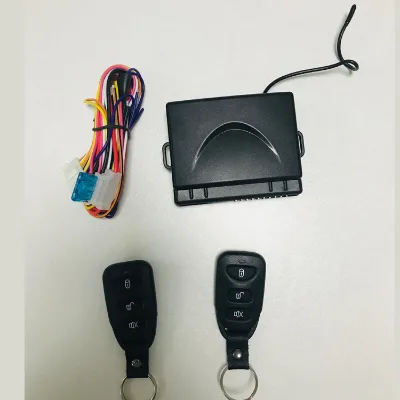


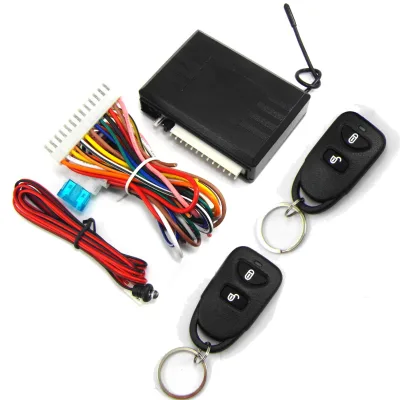


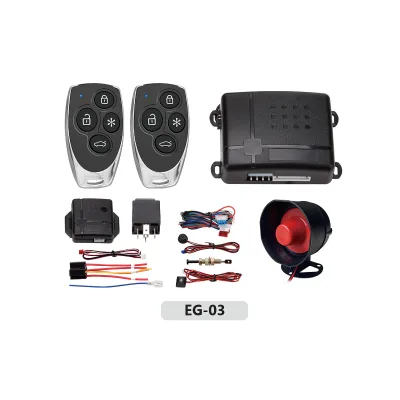
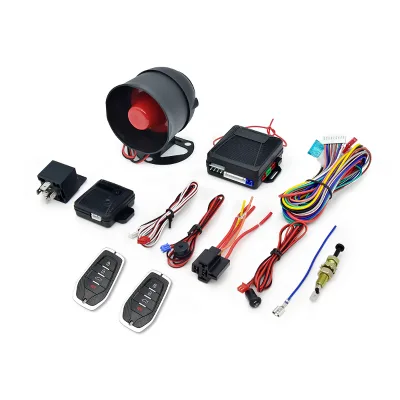


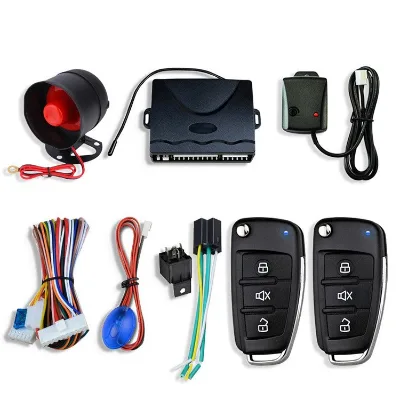
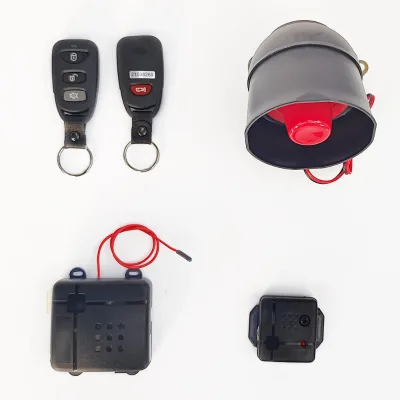
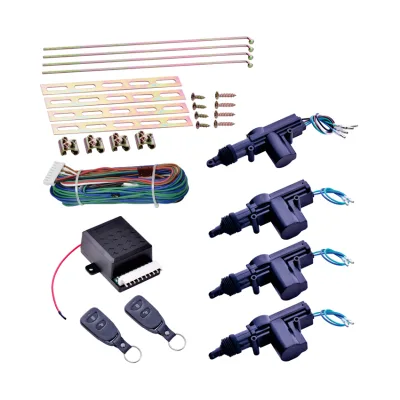
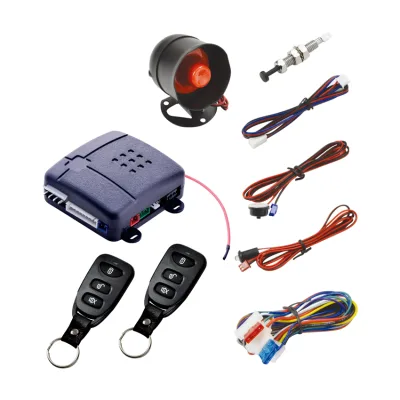
Comprehensive Sourcing Guide
Keyless Entry Car Alarm System Sourcing Guide
Procuring keyless entry car alarm systems requires a strategic balance between advanced convenience features and robust security protocols. These devices typically integrate remote central locking, anti-theft warnings, and passive keyless entry to enhance vehicle accessibility. Buyers must evaluate how these functions align with their target market’s expectations for automation and safety. The core value proposition lies in the seamless integration of smart key technology with traditional alarm mechanisms, ensuring that vehicles remain secure while offering effortless access for authorized users.
The sourcing landscape for these systems is diverse, with manufacturers offering various models tailored to different vehicle types and user preferences. Observations indicate a wide range of product models, from basic one-way alarms to sophisticated systems with GSM network monitoring and remote engine start capabilities. Understanding the specific functional requirements, such as automatic unlocking upon approach or mute anti-theft features, is crucial for selecting the right supplier. Buyers should focus on suppliers who can provide customizable solutions that meet the specific technical and aesthetic demands of their end-users.
Product Scope and Observed Listing Signals
The current market for keyless entry car alarm systems exhibits a broad spectrum of functionalities and price points. Listings reveal a price range from approximately $4.23 to $133, reflecting variations in feature sets, build quality, and included accessories. The minimum order quantities (MOQ) observed range from 1 to 1000 sets, indicating flexibility for both small-scale testers and large-volume distributors. This variability allows buyers to scale their procurement efforts according to their market penetration strategies and inventory management capabilities.
Product attributes highlight a strong emphasis on customization and universal compatibility. Many suppliers offer OEM logo acceptance and customizable packaging, such as color cards or boxes, to enhance brand visibility. The primary material used is ABS plastic, ensuring durability and a sleek black finish that appeals to modern automotive aesthetics. Furthermore, the frequency of operation is consistently noted at 433.92 MHz, a standard band that ensures reliable communication between the remote and the vehicle’s receiver unit across various environments.
Technical Specifications to Verify
Verifying technical specifications is critical to ensuring the reliability and performance of the keyless entry system. Buyers should confirm the control distance, which typically ranges from 100 to 150 meters, or above 120 meters for advanced models. This range ensures that the system responds reliably when the user approaches the vehicle, facilitating the passive keyless entry feature. Additionally, the voltage requirement is generally DC 12V, compatible with standard automotive electrical systems, but this must be verified for specific vehicle applications to prevent compatibility issues.
The remote code technology is another vital specification, with options including learning codes or hopping codes. Hopping codes offer enhanced security by changing the transmission code with each use, making it difficult for unauthorized parties to intercept or replay signals. Buyers should also assess the system’s ability to integrate with central locking systems and trunk release mechanisms. Features such as automatic door locking when approaching and remote engine start add significant value, but their implementation must be thoroughly tested to ensure seamless operation.
Compliance and Safety Documentation
Compliance with international standards is essential for importing and selling keyless entry car alarm systems in global markets. Suppliers often provide certifications such as ISO/TS, ISO, SGS, BSCI, and BRC, which indicate adherence to quality management and social responsibility standards. Buyers should request copies of these certificates to verify the supplier’s commitment to quality and ethical manufacturing practices. These certifications not only mitigate risk but also enhance the product’s credibility in competitive markets.
Safety documentation should include detailed instructions for installation and operation, ensuring that end-users can safely integrate the system into their vehicles. Buyers must ensure that the product meets local regulatory requirements for electronic devices, particularly regarding electromagnetic compatibility and radio frequency emissions. The 433.92 MHz frequency used by these systems must comply with regional spectrum regulations to avoid interference with other critical communication systems. Verifying these compliance aspects is crucial for avoiding legal issues and ensuring product safety.
Cost Drivers and Commercial Terms
Several factors influence the cost of keyless entry car alarm systems, including the complexity of features, material quality, and customization options. Systems with advanced features like GSM monitoring and remote engine start typically command higher prices due to the additional technology and development costs involved. Buyers should consider the total cost of ownership, including shipping, tariffs, and potential returns, when evaluating supplier quotes. Understanding these cost drivers helps in negotiating better terms and selecting suppliers that offer the best value for money.
Commercial terms such as payment methods and minimum order quantities also play a significant role in the procurement process. Common payment options include Western Union, PayPal, and T/T, offering flexibility for different transaction sizes. The MOQ of 1000 sets is a common threshold for many suppliers, but some may offer lower MOQs for initial trials. Buyers should negotiate favorable payment terms and delivery schedules to align with their cash flow and inventory needs, ensuring a smooth procurement process.
Supplier Qualification and Quality Control
Qualifying suppliers is a critical step in ensuring the reliability and consistency of keyless entry car alarm systems. Buyers should assess the supplier’s production capacity, quality control processes, and after-sales support. Suppliers located in regions like Zhejiang and Guangdong in China are known for their manufacturing expertise in automotive electronics. Verifying the supplier’s track record and customer reviews can provide insights into their reliability and product quality.
Quality control measures should include rigorous testing of the alarm system’s functionality, durability, and security features. Buyers should request samples to test the control distance, response time, and ease of installation. Additionally, suppliers should provide a warranty, typically 12 months, to cover any defects or malfunctions. Establishing a clear quality assurance protocol with the supplier ensures that the products meet the required standards and reduces the risk of post-sale issues.
Long-Term Procurement Checks
Long-term procurement success depends on continuous monitoring of supplier performance and market trends. Buyers should regularly review supplier delivery times, product quality, and customer feedback to identify any areas for improvement. Building a strong relationship with suppliers can lead to better pricing, priority production, and access to new product developments. Staying informed about technological advancements in keyless entry systems ensures that the procurement strategy remains competitive and relevant.
Market dynamics, such as changes in consumer preferences and regulatory requirements, can impact the demand for keyless entry car alarm systems. Buyers should adapt their procurement strategies to align with these changes, ensuring that the products offered meet current market needs. Regularly updating the product portfolio with new models and features can help maintain a competitive edge. By focusing on long-term partnerships and market agility, buyers can sustain growth and profitability in the automotive electronics sector.
FAQs
What functions does the Keyless Entry Car Alarm System provide?
The system provides anti-theft warnings, remote trunk opening, central locking automation, and mute anti-theft features. It also supports automatic unlocking when approaching and remote central locking. Some models include GSM network monitoring for real-time tracking and passive keyless entry capabilities.
Can the Keyless Entry Car Alarm System be customized with a logo?
Yes, OEM logo customization is acceptable for these systems. Buyers can request specific branding on the product or packaging. This service allows businesses to tailor the appearance of the alarm systems to match their brand identity while maintaining standard functional specifications and quality.
What is the control distance for the Keyless Entry Car Alarm System?
The control distance typically ranges from 100 to 150 meters. Some advanced models offer a control distance above 120 meters. This range ensures reliable operation for remote locking, unlocking, and engine start-stop functions without requiring direct line-of-sight between the remote and the vehicle.
Which certifications are available for the Keyless Entry Car Alarm System?
Available certifications include ISO, ISO/TS, ISO9001, SGS, BSCI, and BRC. These certifications indicate compliance with international quality and safety standards. Buyers can verify these credentials to ensure the products meet specific regulatory requirements for their target markets and supply chain audits.
What is the minimum order quantity for the Keyless Entry Car Alarm System?
The minimum order quantity is generally 1000 sets or pieces. This MOQ applies to standard bulk orders. Buyers should confirm specific MOQ requirements with suppliers, as some models or customization requests may have different minimum thresholds depending on production capacity and packaging options.
How is the Keyless Entry Car Alarm System packaged for shipping?
The systems are packaged in color cards, color boxes, or cartons. The packaging dimensions are approximately 48.5cm by 25.5cm by 37cm. This standardized packaging protects the units during transit and facilitates efficient storage and handling for both suppliers and buyers in the supply chain.