Source Anti-Pilling Polar Fleece Glove for Cycling, Skiing, and Daily Use
Compare 30 listings of Anti-Pilling Polar Fleece Glove options from verified suppliers. This selection includes unisex adult gloves with features like windproofing, breathability, and anti-slip grip for winter outdoor activities.
Key considerations
Products List


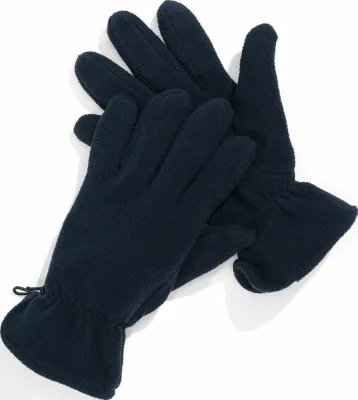
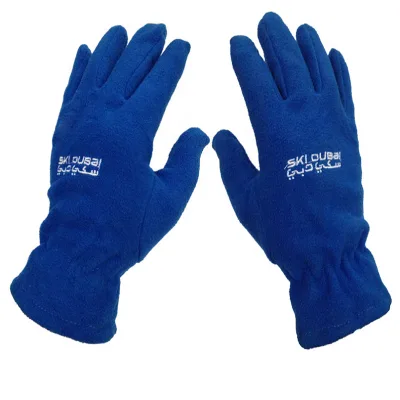


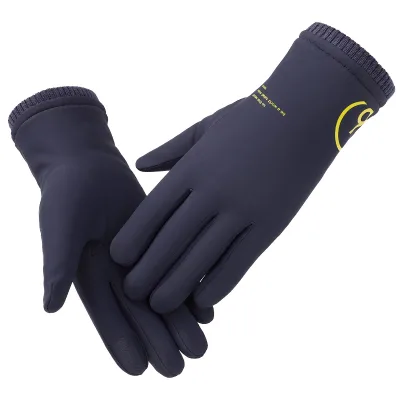


Camouflage Fleece Fishing Training Climbing Cycling Lifting Fitness Gloves
$1.98 - $3.28
MOQ: 100 pairs


Comprehensive Sourcing Guide
Strategic Sourcing Guide for Anti-Pilling Polar Fleece Gloves
Understanding Product Composition and Technical Specifications
When sourcing anti-pilling polar fleece gloves, the primary objective is to identify materials and construction methods that ensure durability and thermal retention without compromising comfort. Based on the available market data, the core material composition for these products is consistently 100% polyester. This synthetic fiber choice is critical because it offers a balance of softness, warmth, and resistance to moisture, which are essential for winter apparel. The specific technical attribute of "anti-pilling" indicates a manufacturing process designed to prevent the formation of small balls of fiber on the surface, a common issue in lower-quality fleece that degrades the aesthetic and tactile experience over time.
The production of these gloves often involves specific knitting techniques. Data indicates that "Weft Knitting" and "Machine Knitting" are the predominant processes used. These methods allow for the creation of a fabric structure that is both elastic and insulating. The weight of the material is a significant specification, with observed standards suggesting a weight of greater than or equal to 200g/m². This density is necessary to provide adequate warmth for outdoor activities in cold climates. Furthermore, the gloves are typically designed with a "Full Finger" configuration, ensuring complete coverage and protection for the hands. The length specification often targets the "WRIST" area, providing a secure fit that prevents cold air from entering the glove while allowing for easy layering under jacket cuffs.
The visual and functional style of these gloves is generally "Plain" or "Plain Dyed," which allows for versatility in branding and customization. The color options observed in the market include standard hues like Red, though the plain style suggests a readiness for custom dyeing or printing. The customization availability is a key feature for B2B buyers, as many retailers require specific branding or colorways to match their seasonal collections. The production origin is predominantly P. R. China, with specific manufacturing hubs noted in regions like Jiangsu, which is known for its robust textile infrastructure.
Compliance, Certification, and Quality Verification Protocols
In the B2B procurement of textile products, verifying compliance and certification is as important as the physical attributes of the goods. While the supplied data does not confirm specific certification statuses for every listed product, it highlights the presence of ISO standards and mentions "Needle detection" as a quality control measure. Buyers must treat these as observation points rather than universal guarantees. The "Needle detection" attribute is particularly significant for safety compliance, indicating that the manufacturing facility employs machinery to detect and remove metal fragments that could pose a hazard to the end-user. This is a standard requirement in many markets to ensure product safety.
Regarding certifications, the market data references ISO standards and OEKO-TEX as background context. However, buyers should not assume that every supplier listed automatically holds these certifications. Instead, the procurement strategy must involve a direct verification process. Buyers should request valid, current certificates from the supplier to confirm that the polyester material meets specific safety and environmental standards. The "ISOComposite Category" mentioned in the data suggests a focus on composite processes, but the specific application of this technology to the final glove product requires clarification.
The "Adult" standard is a consistent classification in the provided data, indicating that the primary target demographic for these products is adults. This is reflected in the sizing and construction, which are designed to fit adult hand dimensions. Buyers should verify that the sizing charts provided by the supplier align with international standards to ensure consistency across their inventory. Additionally, the "Anti-Slip" feature is a critical functional attribute that enhances the utility of the gloves for activities like cycling or handling tools. This feature must be verified through physical inspection or third-party testing to ensure it performs as claimed under various conditions.
Cost Drivers and Economic Factors in Procurement
The economic landscape of sourcing anti-pilling polar fleece gloves is influenced by several distinct cost drivers. The primary factor is the raw material cost of 100% polyester, which fluctuates based on global oil prices and supply chain dynamics. The weight of the fabric, specifically the ≥200g/m² specification, directly impacts the amount of material required per unit, thereby influencing the base cost. Heavier, denser fleece generally commands a higher price due to the increased material usage and the energy required for the knitting and finishing processes.
Customization is another significant cost driver. The availability of customization options, such as logo printing, color selection, and packaging, adds complexity to the production process. The data indicates that "Heat-Transfer Printing" is a common method for applying logos, which may involve additional setup costs compared to standard blank production. The "Polybag" and "Roll in Polyeste Bag" packing methods suggest that packaging is a variable cost that can be adjusted based on buyer requirements. Bulk purchasing can mitigate some of these costs, but the Minimum Order Quantity (MOQ) remains a critical constraint.
The observed MOQ ranges in the market vary significantly, from as low as 1,000 pairs for specific glove models to 2,000 meters for fabric rolls. This disparity highlights the importance of aligning order volume with supplier capabilities. Suppliers with higher MOQs may offer lower unit prices due to economies of scale, but they require a larger upfront investment. Conversely, suppliers with lower MOQs offer flexibility for smaller buyers but may charge a premium per unit. The lead time is also a factor, though specific durations are not provided in the data. Buyers should anticipate that complex customizations and high-volume orders will require longer production windows.
Typical Applications and Usage Scenarios
The versatility of anti-pilling polar fleece gloves makes them suitable for a wide range of applications. The data explicitly lists "Outdoor, Travel, Sports, Cycling, Go shopping, Fishing, SKI, Daily" as applicable scenes. This broad spectrum of usage underscores the product's adaptability. For sports and cycling, the "Anti-Slip" and "Breathable" features are crucial, allowing for dexterity and comfort during physical exertion. The "Windproof" attribute adds a layer of protection against the elements, making these gloves ideal for winter sports like skiing or general outdoor activities in cold weather.
In the industrial and home textile sectors, the durability of the anti-pilling fleece is a key selling point. The "Garment, Industrial, Home Textile" usage categories suggest that these materials are also used in the production of other apparel items or home goods. The "Keep warm" function is the primary utility for the general consumer, making these gloves a staple for winter clothing lines. The "Plain" style allows for easy integration into various fashion trends, while the "Customization" option enables brands to create unique products that stand out in the market.
The following table summarizes the key attributes and their corresponding applications:
| Attribute | Description | Primary Application |
|---|---|---|
| Material | 100% Polyester | General Winter Wear, Sports |
| Feature | Anti-Pilling, Anti-Slip | Cycling, Outdoor Activities |
| Feature | Windproof, Breathable | Skiing, Hiking, Travel |
| Season | Winter | Cold Weather Apparel |
| Usage | Keep Warm, Industrial | Daily Use, Workwear |
| Style | Plain, Customizable | Fashion, Branding |
Supplier Evaluation and Selection Criteria
Selecting the right supplier for anti-pilling polar fleece gloves requires a rigorous evaluation process that goes beyond price comparison. The first step is to verify the supplier's production capabilities. The data indicates that manufacturers are located in P. R. China, with specific mentions of Jiangsu as a production hub. Buyers should confirm that the supplier has the necessary equipment for "Weft Knitting" and "Polyurethane Roller Composite Technology" if composite features are required. The ability to handle "Needle detection" is a non-negotiable safety requirement that must be confirmed during the audit.
Customization capabilities are another critical factor. Suppliers must demonstrate proficiency in "Heat-Transfer Printing" and the ability to manage custom packaging in "Polybag" or "Roll" formats. The "Logo: blank" attribute suggests that some suppliers offer unbranded products, while others specialize in custom branding. Buyers should request samples to evaluate the quality of the printing and the consistency of the customization. The "Brand Name: dongyu" observed in the data serves as an example of a specific manufacturer, but buyers should not rely on this as a recommendation. Instead, they should use such names as a reference point for the type of branding information available.
The MOQ is a decisive factor in supplier selection. Buyers must match their order volume with the supplier's requirements. For instance, a supplier with an MOQ of 2,000 meters for fabric may not be suitable for a buyer looking for small batches of finished gloves. Conversely, a supplier with an MOQ of 1,000 pairs is more accessible for smaller retailers. The "Single package size" of 25.0X9.0X1.0 cm and "Single gross weight" of 0.05 kg are important for logistics planning. Buyers should calculate shipping costs based on these dimensions to ensure the total landed cost remains competitive.
Quality Control and Long-Term Procurement Strategies
Maintaining high quality in anti-pilling polar fleece gloves requires a robust quality control (QC) strategy. The "Anti-Pilling" feature must be validated through rigorous testing to ensure that the fabric does not degrade over time. Buyers should request test reports or conduct their own inspections to verify the durability of the material. The "Needle detection" process should be documented and verified to ensure that no metal contaminants are present in the final product. This is particularly important for products intended for children or sensitive applications, although the current data specifies "Adult" as the standard.
Long-term procurement strategies should focus on building strong relationships with suppliers who can consistently meet quality and delivery standards. The "Customization: Available" attribute suggests that buyers can work with suppliers to develop exclusive products. This collaboration can lead to better pricing and priority production slots. However, buyers must remain vigilant about changes in raw material costs and supply chain disruptions. The "100% Polyester" material is subject to market volatility, and buyers should consider hedging strategies or long-term contracts to stabilize costs.
The "Standard: Adult" and "Standard: Adult 25cm" specifications indicate that sizing and fit are critical. Buyers should ensure that the supplier maintains consistent sizing across batches to avoid returns and customer dissatisfaction. The "Style: Plain Dyed" attribute suggests that color consistency is also a key quality metric. Buyers should request color swatches and compare them against their brand standards before placing large orders. Finally, the "Product Origin: China" is a significant factor in global trade. Buyers should be aware of any potential tariffs or trade regulations that may affect the import of these goods into their target markets. By addressing these factors proactively, buyers can secure a reliable supply of high-quality anti-pilling polar fleece gloves.
FAQs
What material is used for anti pilling polar fleece gloves?
These gloves are made from 100% polyester to ensure durability and warmth. The fabric is designed to resist pilling while maintaining softness for winter use.
Can buyers customize the gloves with their own logo?
Yes, customization is available for these products. Buyers can request specific branding using heat-transfer printing methods on the plain style gloves.
Which features make these gloves suitable for cycling?
The gloves feature anti-slip and breathable properties ideal for cycling. They also offer windproof protection and are designed for full finger coverage.
What is the minimum order quantity for these gloves?
The minimum order quantity varies by supplier but can be as low as 1000 pairs. Some fabric options may require a minimum of 2000 meters.
How are these gloves packed for shipment?
The gloves are typically packed in polybags or rolls in polyester bags. Single package sizes are often around 25.0 by 9.0 by 1.0 cm.
Are these gloves certified for safety compliance?
Some products undergo needle detection to ensure safety. While ISO standards are referenced, buyers should verify specific certification documents with the supplier.
What is the origin of these anti pilling polar fleece gloves?
The products originate from the People's Republic of China. Specific manufacturing hubs include regions like Jiangsu known for textile production.