Source Cotton Voile Hijab for Daily, Outdoor, and Travel Use
Compare 14 Cotton Voile Hijab options from Chinese manufacturers. View specifications like 70x180cm and 110x110cm sizes, floral and plain patterns, and OEM services. Find suitable suppliers for women's daily and outdoor wear with standard packaging and digital print options; compare the available evidence and request quotations based on your requirements.
Key considerations
Products List


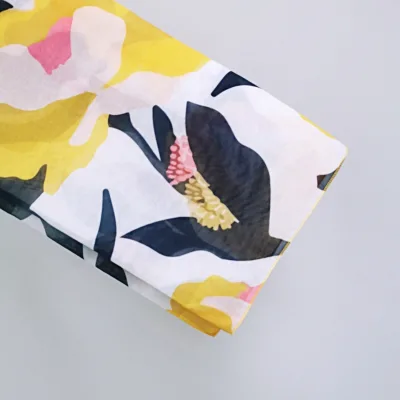
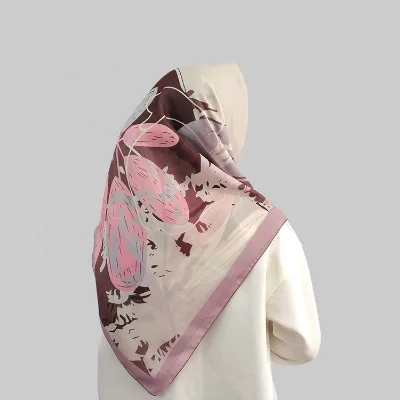
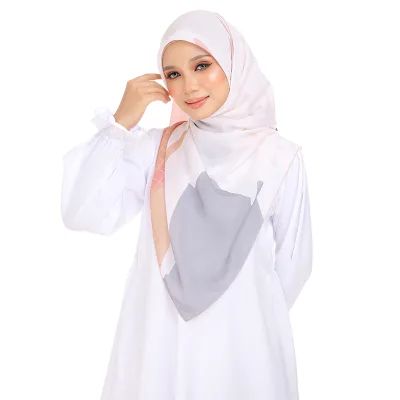
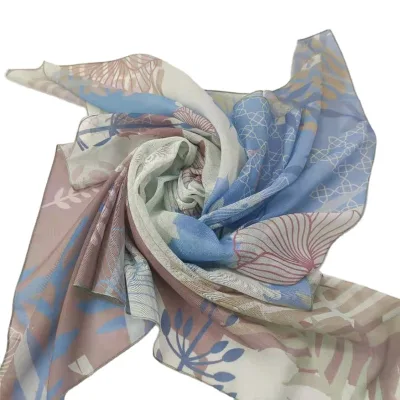


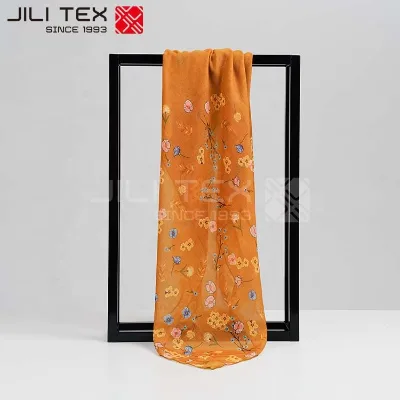
2025 Hot Sale Voile Square Hijab - Premium Quality Wholesale with Custom Hijab
$1.48 - $1.96
MOQ: 100 Pieces
Comprehensive Sourcing Guide
Cotton Voile Hijab Sourcing Guide
Sourcing cotton voile hijabs requires distinguishing between standard plain variants and printed designs, as observed listings show a mix of "Bawal Cotton Voile" and "Plain" styles with varying dimensions. Buyers must verify whether the supplier offers the specific 70x180cm rectangular format or the 110x110cm square style, as these serve different draping needs and cultural preferences. The material composition is consistently noted as cotton or cotton voile, ensuring breathability suitable for daily and outdoor wear in warm climates.
Procurement decisions should also account for the diverse color and pattern options available, ranging from solid hues like pink to floral and dot prints. Since the observed data indicates multiple colors and specific print methods like digital printing, buyers need to confirm if the supplier can maintain color consistency across large batches. Understanding these product variations is essential before placing orders, as the wrong size or pattern type can lead to significant inventory mismatches for retail or wholesale distribution.
Product Scope and Observed Listing Signals
The market for cotton voile hijabs presents a wide range of product types, including scarves and specific models like the 60 Bawal Cotton Voile Hijab. Listings indicate that these products are designed for adult women and cater to various ethnic regions, including the Middle East, Asia, and Pacific Islands. The observed product scope includes both standard packaging and custom options, with some suppliers offering single items while others support bulk orders with flexible minimums.
Buyers should note that while some listings specify a single gross weight of 0.104 kg, others indicate 0.075 kg, suggesting variations in fabric density or packaging methods. The seasonal applicability spans both summer and spring, highlighting the fabric's versatility for year-round use in different climates. When evaluating listings, it is crucial to check if the supplier explicitly states the fabric type as non-woven or cotton voile, as this distinction impacts the final drape and comfort of the garment.
Technical Specifications to Verify
Technical verification must begin with precise dimensional checks, as observed models range from 70x180cm to 115x115cm. Buyers should confirm the exact size requirements for their target market, as the 110x110cm square style differs significantly from the longer rectangular formats often preferred for specific draping styles. Additionally, the single package size varies between 16x16x1 cm and 20x30x1 cm, which directly influences shipping costs and storage efficiency for importers.
Material composition and print quality are equally critical technical parameters to validate. While some sources list the material simply as "voile," others specify "cotton voile," which affects the fabric's texture and absorbency. Buyers must verify the print method, such as digital printing, to ensure that patterns like floral or dot designs remain vibrant and do not fade after washing. Confirming these specifications prevents discrepancies between the sample received and the bulk order delivered.
Compliance and Safety Documentation
Although specific certifications like GOTS or OEKO-TEX are mentioned in background data, buyers cannot assume these are present without explicit verification from the supplier. It is essential to request current test reports to confirm that the cotton voile fabric meets international safety standards for skin contact and chemical residues. Relying on general claims of "High Quality" is insufficient; documented proof of compliance with standards like ISO 105 for color fastness is necessary for reputable B2B transactions.
Safety documentation should also address the specific ethnic and cultural requirements of the target markets, such as the Middle East or India & Pakistan. Buyers need to ensure that the dyes and printing inks used in the digital print process are free from harmful substances that could violate local regulations. Without clear evidence of compliance, importing these garments into regulated markets could result in customs delays or product recalls, making pre-shipment verification a non-negotiable step in the procurement process.
Cost Drivers and Commercial Terms
Cost structures for cotton voile hijabs are influenced by the complexity of the design, with floral and dot patterns potentially costing more than plain variants due to the digital print method. The observed price range of 1.48 to 2.88 USD per unit suggests that pricing is sensitive to order volume and customization levels. Buyers should analyze whether the lower price points correspond to standard packaging or if custom branding and OEM services incur additional fees that impact the final landed cost.
Commercial terms also vary significantly, with some suppliers accepting OEM and ODM services while others offer standard packaging only. The minimum order quantity (MOQ) ranges from 1 to 100 pieces, allowing flexibility for small retailers but potentially limiting bulk discounts for larger buyers. Payment terms like T/T are common, but buyers must clarify the delivery timeline, which is observed to be 7-15 working days, to ensure it aligns with their inventory planning and sales cycles.
Supplier Qualification and Quality Control
Supplier qualification should focus on their ability to handle custom designs and maintain consistent quality across different production runs. The presence of "Accept OEM" and "Custom Logo" attributes indicates that many suppliers are equipped for branding, but buyers must verify their capacity to meet specific design requirements without compromising the fabric's integrity. Quality control checks should include inspecting the fabric type to ensure it matches the "cotton voile" description and checking for any defects in the digital print application.
Geographic origin is another critical factor, with suppliers located in Zhejiang and Hebei, China, representing different manufacturing hubs. Buyers should assess the logistical capabilities of these locations to ensure reliable delivery within the stated 7-15 working day window. Establishing a clear communication channel for quality assurance is vital, as the observed variation in single gross weights and package sizes suggests that production consistency may vary between different factories or batches.
Long-Term Procurement Checks
Building a sustainable supply chain requires ongoing monitoring of supplier performance regarding delivery times and product consistency. Buyers should track whether the 7-15 working day delivery window remains stable over multiple orders, as delays can disrupt inventory levels and customer satisfaction. Regular audits of the production process help ensure that the "High Quality" claims are consistently met and that the fabric remains breathable and durable for daily and outdoor wear applications.
Long-term relationships also depend on the supplier's ability to adapt to changing market trends, such as new color palettes or seasonal demands. Since the product is suitable for spring and summer, buyers should verify if the supplier can ramp up production during peak seasons without sacrificing quality. Continuous feedback loops regarding the print quality and fabric feel will help maintain the brand's reputation and ensure that the cotton voile hijabs continue to meet the expectations of Muslim women in diverse ethnic regions.
FAQs
What are the standard dimensions for cotton voile hijabs?
The standard dimensions for cotton voile hijabs are typically 70 by 180 centimeters. Some variations exist, such as 110 by 110 centimeters or 115 by 115 centimeters. These sizes accommodate different wrapping styles and provide adequate coverage for daily wear. Buyers should verify specific measurements before ordering to ensure the product fits their preferred style and usage requirements.
Can I customize the logo on cotton voile hijabs?
Yes, you can customize the logo on cotton voile hijabs. The supplier accepts OEM and ODM services, allowing for custom branding. This option is ideal for businesses looking to create unique products. Customization helps in establishing brand identity and differentiating your offerings in the market. Ensure you provide clear design files to facilitate accurate production and branding.
What is the minimum order quantity for cotton voile hijabs?
The minimum order quantity for cotton voile hijabs is generally ten pieces. This low MOQ allows buyers to test the market or order small batches. It reduces initial investment risks for new businesses. However, larger orders may offer better pricing. Always confirm the exact MOQ with the supplier, as it can vary based on customization needs and specific product models.
How long does delivery take for cotton voile hijabs?
Delivery time for cotton voile hijabs is typically seven to fifteen working days. This timeframe allows for production and shipping preparation. Factors like customization and order volume may affect the exact duration. Plan your inventory accordingly to avoid stockouts. For urgent orders, discuss expedited options with the supplier to ensure timely arrival and meet your business deadlines effectively.
What payment methods are accepted for cotton voile hijabs?
The accepted payment method for cotton voile hijabs is T/T, or Telegraphic Transfer. This is a common and secure method for international trade. It ensures direct bank-to-bank transactions. Buyers should verify bank details carefully before making payments. Discuss payment terms and schedules with the supplier to align with your financial planning and ensure a smooth transaction process.
Where are cotton voile hijabs manufactured?
Cotton voile hijabs are manufactured in China, specifically in regions like Zhejiang and Hebei. These areas are known for textile production capabilities. The origin ensures access to quality materials and efficient manufacturing processes. Buyers can leverage this geographic advantage for sourcing. Verify the specific origin with the supplier to understand logistics and potential shipping costs associated with the product.