Source Anti Slip Polygon Silk Scarf for Fashion Decoration
Compare 29 listings for the Anti Slip Polygon Silk Scarf from verified suppliers in China. Buyers can evaluate options based on material grade, size, and customization availability for spring and autumn use; compare the available evidence and request quotations based on your requirements.
Key considerations
Products List


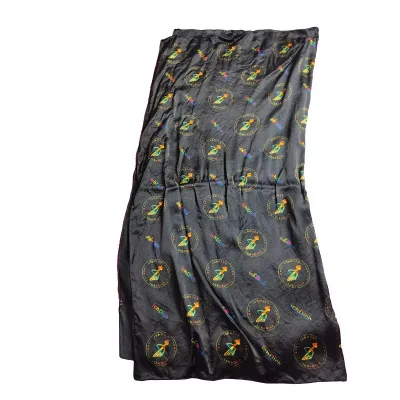


Comprehensive Sourcing Guide
Anti Slip Polygon Silk Scarf Sourcing Guide
Procuring anti-slip polygon silk scarves requires distinguishing between standard square designs and specialized geometric cuts that enhance grip and fit. The observed market data indicates a diverse range of models, including specific codes like ZG-03165 and ID9A4103, which often feature distinct dimensions such as 76x76cm or 23x137cm. Buyers must verify if the "polygon" descriptor refers to a specific cut pattern or a functional design element intended to prevent slipping, as standard listings frequently default to square or rectangular shapes.
When evaluating suppliers, it is critical to confirm whether the anti-slip feature is inherent to the fabric weave or an added treatment. The supplied facts highlight materials ranging from 100% silk to raw silk grades, with thicknesses varying from thin to medium for winter use. Sourcing teams should prioritize suppliers who explicitly define the texture or finish that provides the anti-slip characteristic, ensuring the product meets the specific functional needs of the end-user rather than relying on generic silk descriptions.
Product Scope and Observed Listing Signals
The current market listings reveal a broad spectrum of silk products, including bandanas, shawls, and stoles, with origins primarily in Hangzhou and Shanghai, China. While many items are described as having a twill or plain pattern, the specific "polygon" shape is not universally standardized in the provided data. Buyers should expect to encounter models like wl9A32183ww or zg-is0401, which may offer custom sizes, but must explicitly request geometric specifications to ensure the product matches the anti-slip polygon requirement.
Pricing and minimum order quantities (MOQ) show significant variance, with observed prices ranging from $0.80 to $77.77 and MOQs between 10 and 2000 units. This disparity suggests that the "anti-slip polygon" feature may be a premium customization rather than a standard SKU. Procurement teams should analyze whether the higher price points correlate with specific silk grades, such as 6A raw silk, or if they reflect the complexity of custom cutting and packaging, which often involves one piece per PP bag or carton boxes.
Technical Specifications to Verify
Verifying the physical dimensions and fabric weight is essential for ensuring the scarf functions correctly as an anti-slip accessory. The observed data lists specific widths like 114/140 inches and lengths of 180cm, alongside weights such as 125 grams. Buyers must confirm that the selected model supports the precise polygon geometry required, as standard listings often default to square or rectangular formats. Requesting sample lengths of 68cm or specific fabric thicknesses, such as 12mm, 14mm, or 16mm, will help validate the structural integrity needed for the anti-slip performance.
The material composition and weave type are equally critical, as the "anti-slip" attribute often depends on the fabric's surface texture. The supplied facts mention 100% silk, mulberry silk satin, and reeled silk rolls, but do not explicitly confirm a specific anti-slip weave. Sourcing teams should demand detailed technical sheets that describe the surface finish or any treatments applied to the silk to enhance friction. Without explicit confirmation of the weave structure or coating, the product may fail to meet the functional expectations of a polygon-shaped, non-slip accessory.
Compliance and Safety Documentation
While the provided data does not list specific certifications like OEKO-TEX or GOTS, buyers should treat these as mandatory verification points for silk products intended for direct skin contact. The absence of explicit certification claims in the listing signals means that compliance documentation must be requested proactively to ensure the silk is free from harmful residues. This is particularly important for products marketed as fashion accessories, where safety standards regarding chemical usage and dye stability are paramount for international markets.
Safety documentation should also address the manufacturing process, including the origin of the raw silk and the conditions under which the fabric is treated. Although some listings mention SGS standards, this reference is isolated and does not guarantee comprehensive safety compliance for the entire product line. Procurement teams must verify that the supplier can provide valid test reports for the specific batch, ensuring that the anti-slip treatment, if applied, does not introduce hazardous substances that could violate import regulations or consumer safety laws.
Cost Drivers and Commercial Terms
The cost of anti-slip polygon silk scarves is heavily influenced by the complexity of the custom cutting and the grade of the silk used. The observed data indicates that customization is available, with lead times ranging from 3-5 days for samples to 3-4 weeks for bulk production. Buyers should anticipate higher costs for specialized polygon shapes compared to standard squares, as the cutting process requires more precision and generates more fabric waste. Additionally, the choice of silk grade, such as 6A raw silk, will significantly impact the final unit price.
Commercial terms regarding packaging and shipping also play a crucial role in the total cost of ownership. Listings show varied packaging options, from simple PP bags to sustainable bags and carton boxes, which affect both the unit cost and the logistics efficiency. Buyers must clarify whether the packaging is included in the quoted price or billed separately, as this can vary by supplier. Furthermore, the MOQ of 10 to 2000 units suggests that smaller orders may incur higher per-unit costs, necessitating a careful balance between inventory investment and unit price negotiation.
Supplier Qualification and Quality Control
Establishing a robust quality control protocol is vital when sourcing custom silk products with specific functional requirements like anti-slip properties. The observed data highlights a "Make to Order" supply type, which implies that quality consistency depends heavily on the supplier's ability to replicate the custom specifications across large batches. Buyers should implement a strict sampling process, verifying that the sample dimensions, such as 76x76cm or 23x137cm, match the final production exactly before authorizing bulk manufacturing.
Supplier qualification should also include an assessment of their production capacity and their ability to handle custom requests without compromising quality. The presence of various product models and standards in the data suggests a diverse supplier base, but not all may possess the technical expertise for specialized polygon cuts. Procurement teams should request evidence of past performance in custom silk manufacturing and verify that the supplier has the necessary machinery and skilled labor to execute the anti-slip design consistently across the entire order volume.
Long-Term Procurement Checks
Sustaining a successful supply chain for anti-slip polygon silk scarves requires ongoing monitoring of supplier performance and product consistency over time. Buyers should establish regular review cycles to ensure that the silk grade, fabric thickness, and anti-slip characteristics remain stable across different production runs. This is particularly important given the "Make to Order" nature of the supply, where variations in raw material sourcing or production techniques could subtly alter the final product's performance.
Long-term checks should also include a re-evaluation of the supplier's compliance status and their ability to adapt to changing market demands. As the market for specialized silk accessories evolves, suppliers must demonstrate their capacity to innovate and maintain high standards. Procurement teams should maintain open communication channels to address any quality issues promptly and ensure that the supplier remains aligned with the buyer's evolving requirements for safety, sustainability, and functional performance in the anti-slip polygon silk scarf category.
FAQs
What materials are used for the silk scarves?
The scarves are made from 100% silk, including raw silk grade 6A and mulberry silk satin fabric. Some options feature twill or plain patterns with thickness ranging from thin to medium for winter use.
Can I customize the size and packaging of the scarves?
Yes, customization is available for standard sizes like 90*90cm or custom dimensions. Packaging options include one piece in a PP bag, carton boxes, or sustainable bags based on your specific request.
What is the lead time for bulk orders of silk scarves?
The bulk lead time is typically 3 to 4 weeks after sample approval. Sample time is shorter, usually taking 3 to 5 days to produce and ship the initial prototype for your review.
Which locations supply these silk scarf products?
Products originate from major manufacturing hubs in China, specifically Hangzhou and Shanghai. These locations support the production of various silk items including bandanas, shawls, and handkerchiefs for global distribution.
How are the silk scarves packaged for shipment?
Standard packaging involves one piece per PP bag, while some orders use carton boxes or sustainable bags. Custom packaging requests are also accommodated to meet specific logistical or branding requirements.
What styles and patterns are available for the scarves?
Available styles include printed, plain, and fashion designs suitable for spring and autumn seasons. Patterns range from twill to plain, with options for unisex and adult age groups in square or rectangular shapes.