Source Anti Slip Breathable Baby Bows for Hair, Outfits, and Events
Compare 30 listings for Anti Slip Breathable Baby Bows featuring cotton, satin, and fabric materials. Buyers can evaluate customization options, seasonal styles, and packing details for children's accessories.
Key considerations
Products List

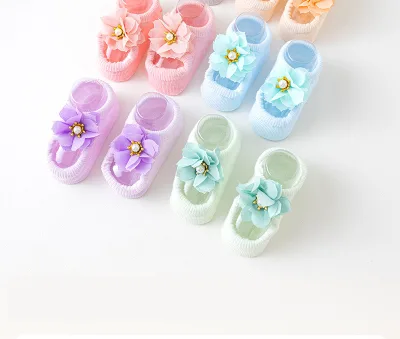


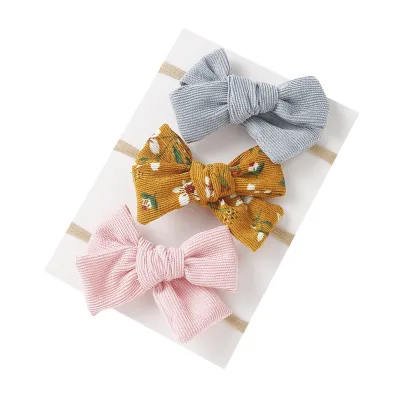
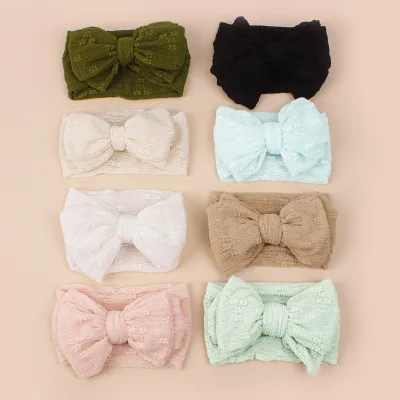
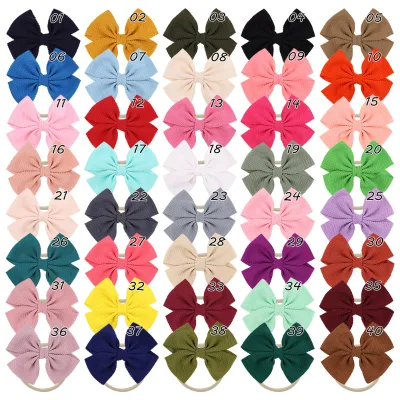
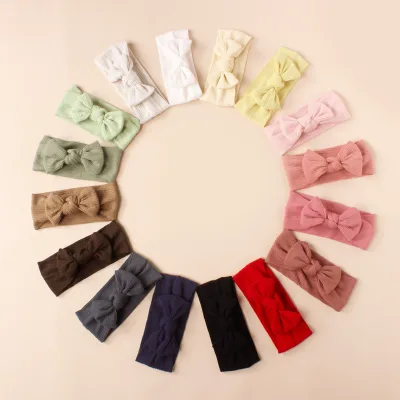
Baby Infant Printed Hair Accessories Hair Bows Headband Elastic Hairbands
$0.71 - $1.02
MOQ: 50 Pieces

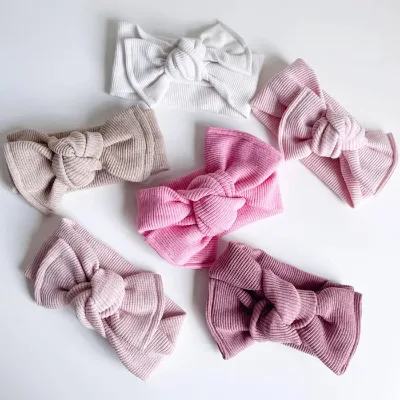
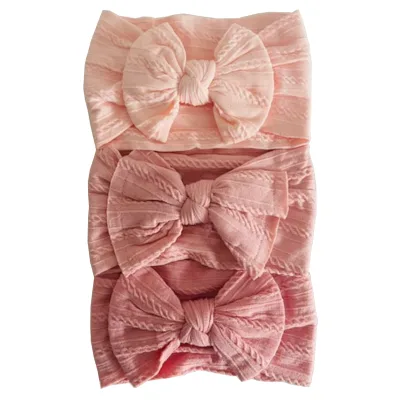
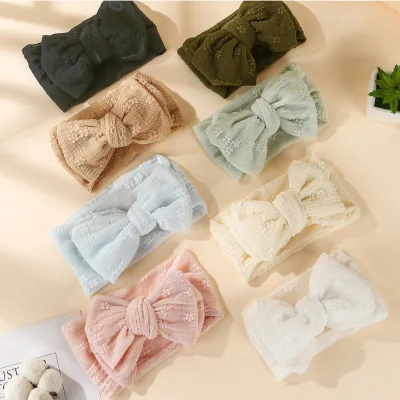
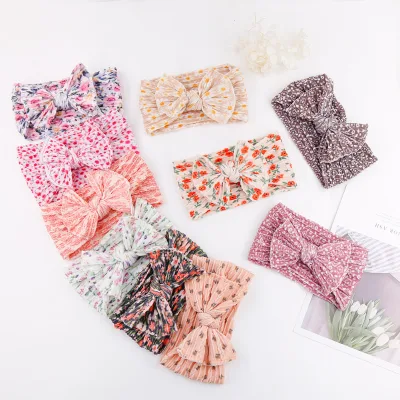


Comprehensive Sourcing Guide
Strategic Sourcing Guide for Anti-Slip Breathable Baby Bows
Navigating the global market for baby accessories requires a meticulous approach to balancing aesthetic appeal with rigorous safety and performance standards. When sourcing products described as "anti-slip breathable baby bows," buyers must distinguish between marketing terminology and verified product attributes. The current market landscape presents a diverse array of options, ranging from knitted cotton blends to satin ribbons, each serving different functional needs. This guide provides a structured framework for evaluating suppliers, understanding technical specifications, and ensuring compliance without relying on unverified claims. The primary objective is to secure a supply chain that delivers high-quality, safe, and customizable hair accessories suitable for infants and toddlers.
Understanding Material Composition and Functional Attributes
The foundation of any successful procurement strategy lies in the precise identification of materials. In the context of baby bows, the material dictates both the tactile experience and the functional performance, particularly regarding breathability and slip resistance. Market observations indicate a significant divergence in material offerings. Some listings specify "Satin" as the primary material, which offers a glossy finish and a smooth texture often associated with formal wear. However, satin alone may not inherently provide the breathability required for extended wear on sensitive infant skin. Conversely, other product data points to a blend of "Cotton + polyester + elastase," a combination that suggests enhanced flexibility and airflow.
When evaluating the "anti-slip" claim, buyers must scrutinize the backing or the structural integrity of the bow. A bow made purely of "Ribbon" or "Fabric" without a non-slip backing may slide easily through fine hair. The presence of "elastase" in the material blend is a critical indicator of stretch and recovery, which helps the bow maintain its shape and grip on the hair. Furthermore, the "Technics" of production play a vital role. While "Handmade" techniques often imply superior craftsmanship and attention to detail, "knitted" techniques suggest a more uniform, mass-produced structure that might offer consistent breathability. Buyers should verify whether the anti-slip feature is achieved through the material weave, a specific coating, or an integrated backing, as this distinction affects the product's durability and washability.
Technical Specifications and Sizing Standards
Precision in technical specifications is non-negotiable when dealing with products intended for children aged 1-3 years. The physical dimensions of the bow must align with safety standards to prevent choking hazards while ensuring the accessory is proportionate to the child's head size. Available data points to specific standard measurements, such as "5 cm*2cm" for certain models, while other listings indicate a broader range of "3mm-100mm." This variance highlights the importance of defining the exact size requirements before engaging with suppliers. A bow that is too large may be cumbersome, while one that is too small might be easily dislodged or swallowed.
The "Shape" of the bow is another critical specification. The "Bowknot" shape is a common design, but the complexity of the knot and the length of the tails must be standardized. Buyers should request detailed technical drawings that specify the width of the ribbon, the diameter of the knot, and the length of the tails. Additionally, the "Thickness" of the product is a key factor; a "Standard" thickness is generally preferred to ensure the bow is substantial enough to hold its shape but thin enough to be lightweight. The "prod_model" identifiers, such as "xl22031802" or "baby bows," serve as unique references for tracking specific batches, ensuring that the ordered specifications match the delivered goods exactly.
Compliance, Safety, and Certification Verification
Safety compliance is the most critical aspect of sourcing baby products. The "Age Group" of 1-3 years places these items in a high-risk category regarding choking and strangulation hazards. Buyers must verify that the supplier adheres to strict safety protocols, including the absence of loose parts that could detach. A specific data point notes "Needle detection: NO," which raises a red flag regarding the manufacturing process. For baby products, needle detection is typically a mandatory safety feature to ensure no metal fragments remain in the finished goods. A "NO" status suggests that the specific listing may not meet standard safety requirements for this age group, or it refers to a specific, non-standard testing context.
Buyers should not accept "NO" for needle detection as a standard for baby products. Instead, they must demand proof of compliance with international safety standards, such as ASTM F963 in the United States or EN71 in Europe. These standards mandate rigorous testing for small parts, flammability, and chemical content. The "prod_standard" of "5 cm*2cm" or "3mm-100mm" must be validated against these safety regulations to ensure the dimensions do not pose a suffocation risk. Furthermore, the "Material" composition must be free from harmful dyes and chemicals. Even if a product is labeled as "Cotton" or "Satin," the dyes used to achieve colors like "Pink" or "Custom color" must be non-toxic and compliant with REACH regulations.
Cost Drivers and Pricing Dynamics
The pricing of baby bows is influenced by a complex interplay of factors, including material costs, customization levels, and production techniques. The observed price range of 0.1 to 2.5 USD per unit indicates a wide spectrum of product quality and complexity. Lower-priced items often utilize basic "Ribbon" or "Fabric" materials with minimal customization, while higher-priced items may feature "Handmade" techniques, "Customized Logo" acceptance, and premium materials like "Cotton + polyester + elastase."
The "MOQ" (Minimum Order Quantity) is another significant cost driver. The observed range of 1 to 1000 units suggests that suppliers offer flexible terms, but the unit price typically decreases as the order volume increases. Buyers seeking "Custom Desgin Accept" or "Customized Package" should anticipate higher costs due to the setup fees and the specialized labor required. The "Supply Type" of "ODM" (Original Design Manufacturer) implies that the supplier can produce designs based on the buyer's specifications, which often comes at a premium compared to buying off-the-shelf inventory. Additionally, the "Lead Time" for sample orders, noted as "7 days," and delivery times of "5-8 days" for standard orders, can impact the overall cost if expedited shipping is required.
Supplier Evaluation and Production Capabilities
Evaluating a supplier requires a deep dive into their production capabilities and logistical reliability. The "Place of Origin" is listed as "Xiamen/China" and "Zhejiang, China," both of which are major manufacturing hubs for textiles and accessories. Buyers should verify the specific factory location to assess the supply chain's resilience. The "Customization" availability is a key differentiator; suppliers that offer "Customized Logo Accept" and "Custom color" options demonstrate a higher level of flexibility and customer service.
The "Sample Support" feature is crucial for quality verification before committing to a large order. A supplier that supports "7 days sample order lead time" allows for rapid prototyping and testing. However, buyers must ensure that the sample provided is representative of the mass-produced goods. The "prod_packing" methods, such as "Polybag+Cartoon" or "Polybag + Paper Box," also reflect the supplier's attention to detail. A "Paper Box" suggests a higher-end presentation, which may be necessary for retail packaging, whereas a simple "Polybag" might suffice for bulk distribution. Buyers should also inquire about the "Needle detection" process again, as this is a critical safety checkpoint that should be standard for all baby products.
Quality Control and Long-Term Procurement Strategy
Implementing a robust quality control (QC) strategy is essential for maintaining brand reputation and ensuring child safety. The "Feature" of "Breathable" socks and bows must be verified through physical testing, not just supplier assertions. Buyers should conduct tests for air permeability and moisture wicking to ensure the product performs as claimed. The "Style" variations, such as "Floral," "Cute," or "Fashion," should be consistent across batches to maintain brand identity.
For long-term procurement, establishing a clear communication channel regarding "Design" changes and "Package" updates is vital. The "Usage" of these products as "Daily Wear Socks" or hair accessories implies a need for durability and washability. Buyers should request wash test results to ensure the bows do not lose their shape or color after multiple cycles. The "Season" of "Summer" or "Whole Year" usage should be matched with appropriate material choices; for instance, "Cotton" blends are preferable for summer due to their breathability. Finally, buyers should maintain a relationship with suppliers that offer "ODM" services to allow for continuous product innovation and adaptation to market trends.
Comparison of Product Attributes for Sourcing Decisions
To facilitate a clearer decision-making process, the following table compares key attributes observed in the market data. This comparison helps buyers identify which product profiles align with their specific sourcing needs regarding safety, customization, and material quality.
| Attribute | Option A: Premium Custom | Option B: Standard Mass Production | Option C: Basic Retail |
|---|---|---|---|
| Material | Cotton + polyester + elastase | Fabric / Ribbon | Satin |
| Technics | Knitted / Handmade | Knitted | Handmade |
| Customization | Custom Logo, Custom Color, Custom Package | Custom Color | None |
| Safety Feature | Needle Detection (Verified) | Needle Detection (Unverified) | Needle Detection (Unverified) |
| MOQ Range | 500 - 1000 | 1 - 500 | 1 - 100 |
| Lead Time | 7 days sample, 5-8 days delivery | 7 days sample | Immediate |
| Target Age | 1-3 Years | 1-3 Years | 1-3 Years |
| Packaging | Polybag + Paper Box | Polybag + Cartoon | Polybag |
This table illustrates the trade-offs between customization, safety verification, and cost. Buyers seeking high-end, safe products for infants should prioritize Option A, ensuring that needle detection is confirmed and materials are breathable. Those looking for cost-effective solutions for older children or non-critical applications might consider Option B or C, but must still verify safety standards independently.
In conclusion, sourcing "anti-slip breathable baby bows" requires a disciplined approach that prioritizes safety compliance, material integrity, and supplier transparency. By focusing on verified technical specifications and avoiding unverified claims, buyers can build a reliable supply chain that meets the rigorous demands of the baby product market. The key lies in rigorous due diligence, particularly regarding needle detection and material safety, to ensure that every product delivered is safe for the youngest consumers.
FAQs
Can I get custom logos on these baby bows?
Yes, customized logo acceptance is available for these products. Buyers can request specific branding on the bows, which requires a minimum order quantity of 500 units to proceed with the customization setup.
What material is used for the breathable baby bows?
The products are made from cotton, polyester, and elastase blends to ensure breathability and stretch. Some variations also utilize satin or fabric ribbons, depending on the specific style and design requirements chosen by the buyer.
How long does it take to receive a sample order?
A sample order lead time of 7 days is supported for these baby bows. This allows buyers to verify quality and design before committing to a larger bulk order, ensuring the product meets their specific safety and aesthetic standards.
Which size specifications are available for the bows?
Available specifications include standard sizes like 5 cm by 2 cm and a range from 3 mm to 100 mm. Buyers should select dimensions appropriate for the 1-3 years age group to ensure safety and proper fit for infants.
What is the minimum order quantity for these bows?
The minimum order quantity is 500 units for standard customization requests. However, some suppliers may accept lower quantities down to 1 unit for sample purposes, though bulk pricing typically applies to orders meeting the 500-unit threshold.
Can the packaging be customized for retail use?
Yes, customized packaging is accepted, including options like polybags with paper boxes or polybags with cartons. This flexibility allows buyers to tailor the presentation to their brand identity while maintaining secure protection during shipping.
What is the production location for these baby accessories?
Products originate from manufacturing hubs in Xiamen and Zhejiang, China. These locations are known for textile production, ensuring efficient supply chains and competitive pricing for international buyers sourcing baby bows and related accessories.