Source Anti-Slip Bicycle Grips for Mountain Road BMX Bikes
Compare 30 listings for Anti-Slip Bicycle Grips made from rubber or TPE+TPU materials. Buyers can evaluate models like HC-PJ-182 and TJ-GRIP-001 with various lengths and colors for mountain, road, and kids bikes.
Key considerations
Products List


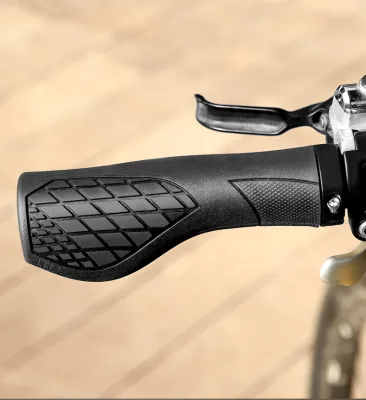
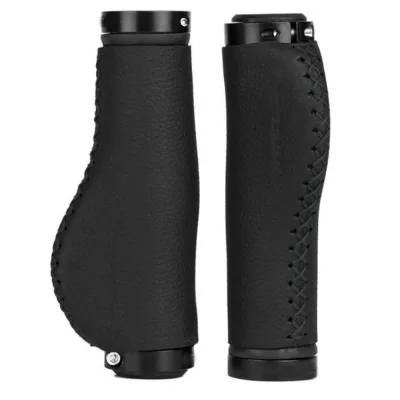


Comprehensive Sourcing Guide
Anti-Slip Bicycle Grips Sourcing Guide
Selecting the right Anti-Slip Bicycle Grips is a critical decision for maintaining control, comfort, and safety across various riding disciplines. These components serve as the primary interface between the rider’s hands and the bicycle’s handlebars, directly influencing steering precision and vibration dampening. In the current market, sourcing these parts requires a nuanced understanding of material science, ergonomic design, and supply chain logistics. Buyers must navigate a landscape where generic offerings coexist with specialized, high-performance options tailored for specific use cases such as mountain biking, road cycling, or BMX riding. The distinction between standard and customized grips often dictates not only the unit cost but also the complexity of the procurement process, making it essential to align product specifications with the intended end-use environment.
The procurement strategy for anti slip grips must account for the diverse range of materials and construction methods available today. Traditional rubber compounds remain prevalent due to their durability and cost-effectiveness, while newer thermoplastic elastomers like TPE and TPU offer enhanced tactile feedback and environmental resistance. Understanding these material differences is vital for buyers who need to balance performance requirements with budget constraints. Furthermore, the availability of customization options allows brands to differentiate their products through unique colors, textures, and branding, but this flexibility introduces additional variables in quality control and lead time management. A thorough evaluation of these factors ensures that the sourced grips meet both functional expectations and commercial viability.
Product Scope and Observed Listing Signals
The market for Anti-Slip Bicycle Grips encompasses a wide array of products designed for different bicycle types, including mountain bikes, road bikes, ordinary bicycles, and kids' bikes. Observed listings indicate that these grips are typically supplied in new condition and are available in various colors such as black, blue, brown, green, purple, orange, and red. The material composition varies, with rubber being a common choice for durability, while TPE and TPU blends are used for applications requiring specific flexibility or eco-friendly attributes. These material choices directly impact the grip’s performance in wet or dry conditions, making it necessary for buyers to verify the specific compound used for their target market. The presence of both customized and non-customized options suggests that suppliers can accommodate both standard inventory needs and bespoke branding requirements.
Listing signals also reveal significant variation in packaging and model specifications, which can affect logistics and inventory management. Products are often packed in durable cartons, with some listings specifying quantities such as 100 pairs per carton, while others simply note carton packaging. Model numbers like HC-PJ-182(G), HC-PJ-179A, and TJ-GRIP-001 indicate a structured product catalog, allowing buyers to reference specific designs. Additionally, dimensions such as lengths of 70mm to 95mm or specific diameters like 22.2mm are commonly observed, providing a baseline for compatibility with standard handlebars. Buyers should carefully review these specifications to ensure that the grips fit the intended bicycle models, as mismatched dimensions can lead to installation issues and customer dissatisfaction.
Technical Specifications to Verify
Verifying technical specifications is paramount to ensuring that the anti slip grips meet the functional requirements of the end product. Key attributes to confirm include the internal diameter, which is often standardized at 22.2mm, and the length, which can vary based on ergonomic preferences and handlebar width. Buyers should also assess the material composition, distinguishing between pure rubber and composite materials like TPE or TPU, as these affect the grip’s texture, durability, and resistance to UV degradation. The presence of anti-slip features, such as textured patterns or ergonomic contours, should be evaluated through product samples or detailed technical drawings. These physical characteristics directly influence rider comfort and control, particularly in high-vibration environments typical of mountain biking or off-road cycling.
In addition to physical dimensions, buyers must verify the compatibility of the grips with various bicycle types and handlebar systems. While many grips are designed for mountain and road bikes, some listings indicate suitability for BMX and kids' bikes, which may require different sizing or mounting mechanisms. The standardization of internal diameters is crucial, as non-standard sizes can limit the applicability of the product. Buyers should also inquire about the installation method, whether it involves adhesive, locking rings, or friction-fit designs, as this impacts the ease of assembly and long-term security. Confirming these technical details early in the sourcing process helps prevent costly errors and ensures that the final product integrates seamlessly with the bicycle frame.
Compliance and Safety Documentation
Compliance and safety documentation are essential components of the procurement process, particularly when sourcing grips for international markets. Certifications such as CE and ISOCE indicate that the products meet specific European safety and quality standards, which may be mandatory for import into certain regions. Buyers should request valid certification documents from suppliers to verify that the materials used are free from harmful substances and that the manufacturing process adheres to recognized quality management systems. Additionally, certifications like BSCI may be relevant for buyers concerned with social compliance and ethical labor practices in the supply chain. These documents not only ensure regulatory compliance but also enhance the brand’s credibility and market access.
Beyond formal certifications, buyers should also consider the safety implications of the materials used in the grips. Rubber and thermoplastic materials must be tested for durability and resistance to wear, as premature failure can lead to loss of control and potential accidents. Suppliers should provide test reports or material safety data sheets (MSDS) to confirm that the grips meet industry safety benchmarks. It is also important to verify that the products are labeled correctly with relevant safety warnings and usage instructions. By prioritizing compliance and safety documentation, buyers can mitigate risks associated with product liability and ensure that the grips are safe for consumer use.
Cost Drivers and Commercial Terms
The cost of Anti-Slip Bicycle Grips is influenced by several factors, including material selection, customization requirements, and order volume. Observed price ranges suggest that basic rubber grips are available at lower price points, while customized or premium material options may command higher prices. Minimum order quantities (MOQs) typically range from 1 to 2000 units, allowing buyers to scale their orders based on demand. Buyers should negotiate pricing terms carefully, considering the impact of volume discounts and the cost of customization. Understanding the cost structure helps in budgeting and forecasting, ensuring that the final product remains competitive in the target market.
Commercial terms also play a significant role in the overall cost and logistics of the procurement process. Suppliers often offer various price terms such as FOB, CIF, CNF, and EXW, each with different implications for shipping and insurance responsibilities. Lead times are typically cited as 7-15 days after deposit receipt, but buyers should confirm these timelines to plan inventory effectively. Additionally, the availability of samples can be a valuable tool for evaluating product quality before committing to large orders. By understanding the commercial terms and cost drivers, buyers can make informed decisions that balance cost efficiency with product quality and delivery reliability.
Supplier Qualification and Quality Control
Supplier qualification is a critical step in ensuring the reliability and consistency of the anti slip grips supply chain. Buyers should verify the supplier’s location, with many manufacturers based in Xingtai, Hebei Province, China, a region known for its bicycle component industry. Assessing the supplier’s production capacity, quality control processes, and past performance is essential to mitigate risks. Buyers should request references or case studies to evaluate the supplier’s ability to meet specific requirements. Additionally, verifying the supplier’s certifications and compliance with international standards provides assurance of their commitment to quality and ethical practices.
Quality control measures should be implemented throughout the production process to ensure that the final products meet the specified standards. Buyers should establish clear quality criteria, including dimensional accuracy, material consistency, and aesthetic finish. Regular inspections, either through third-party agencies or internal teams, can help identify and address defects early in the production cycle. It is also important to maintain open communication with the supplier to address any issues promptly. By prioritizing supplier qualification and rigorous quality control, buyers can ensure a steady supply of high-quality anti slip grips that meet their customers’ expectations.
Long-Term Procurement Checks
Long-term procurement checks involve continuous monitoring of supplier performance and market trends to ensure sustained value. Buyers should regularly review supplier metrics, such as on-time delivery rates, defect rates, and responsiveness to issues. Establishing key performance indicators (KPIs) helps in objectively evaluating supplier performance and identifying areas for improvement. Additionally, staying informed about market trends, such as new material innovations or changing consumer preferences, allows buyers to adapt their sourcing strategies proactively. Regular audits and feedback loops with suppliers foster a collaborative relationship that drives continuous improvement.
Furthermore, buyers should periodically reassess their supplier base to ensure competitiveness and resilience. Diversifying suppliers can mitigate risks associated with single-source dependencies, such as production disruptions or price volatility. Engaging in strategic partnerships with key suppliers can lead to better pricing, priority production slots, and joint innovation opportunities. By implementing long-term procurement checks, buyers can build a robust and adaptable supply chain that supports their business growth and maintains high standards of product quality and service.
FAQs
What materials are used for Anti-Slip Bicycle Grips?
Anti-Slip Bicycle Grips are commonly made from rubber or a combination of TPE and TPU materials. These materials provide durability and a secure hold for riders on various terrains including mountain and road bikes.
Which certifications do these grips typically hold?
Many Anti-Slip Bicycle Grips carry ISOCE, CE, or BSCI certifications to ensure quality and safety standards. Buyers should verify specific certification documents when sourcing from manufacturers in regions like Hebei, China.
Can I request custom specifications for these grips?
Yes, custom specifications are available for Anti-Slip Bicycle Grips including length and diameter adjustments. Suppliers often offer options like 70mm to 95mm lengths or specific diameters such as 22.2mm based on buyer requests.
What is the typical lead time for delivery?
The typical lead time for delivery is 7 to 15 days after the deposit is received. This timeframe applies to standard orders from factories located in Xingtai, Hebei Province, China.
How are the grips packaged for shipping?
Grips are typically packed in durable cartons with quantities like 100 pairs per carton. Some suppliers also use standard carton packaging to ensure the products remain secure during international transit.
Which bicycle types are compatible with these grips?
These grips are compatible with mountain bikes, road bikes, BMX, and kids bikes. The design accommodates various applications ensuring a comfortable and safe riding experience across different bicycle categories.