Source Anti-Slip Bouldering Climbing Shoes for Gyms, Outdoors, Training
Compare 30 listings of Anti-Slip Bouldering Climbing Shoes featuring stretch fabric, faux leather, and rubber soles. Buyers can evaluate options with customizable sizes, OEM support, and features like slip resistance and durability for various climbing needs; compare the available evidence and request quotations based on your requirements.
Key considerations
Products List
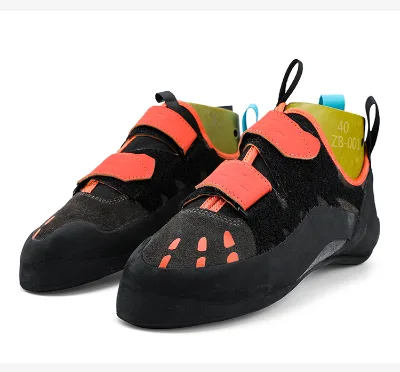
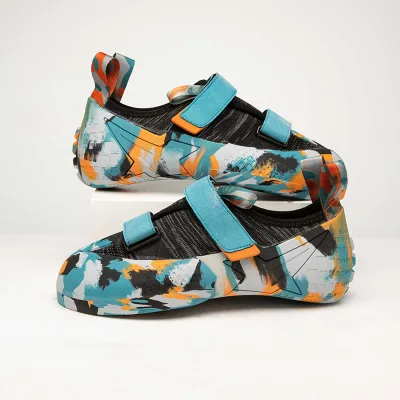
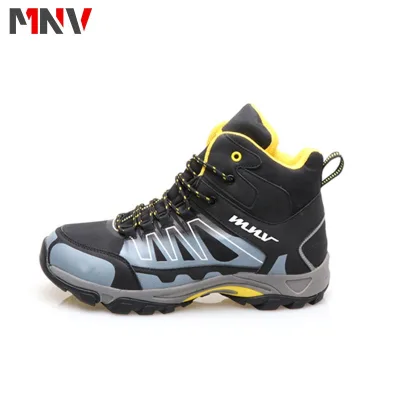
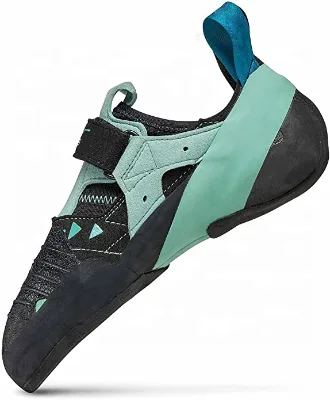


Double Color Anti-Slip Sole Mountaineering Safety Shoes with Steel Toe Cap
$7.70 - $7.95
MOQ: 500 Pairs


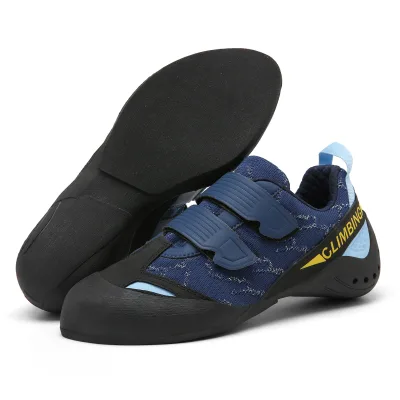
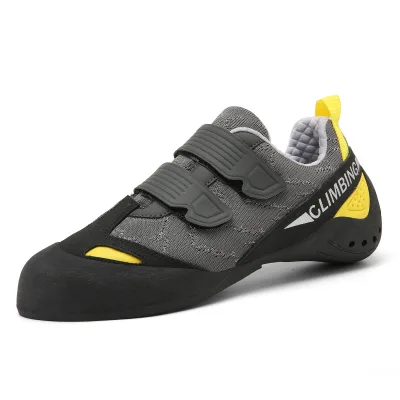
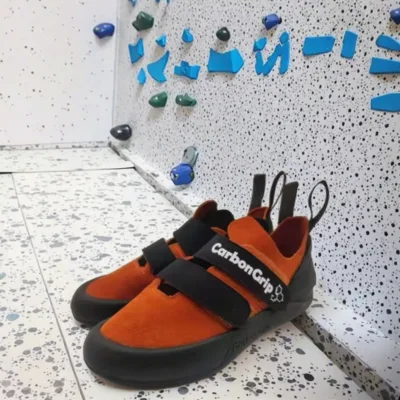
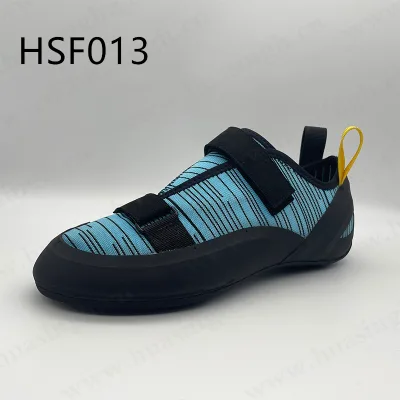
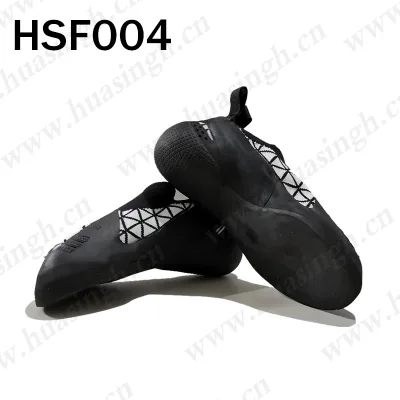
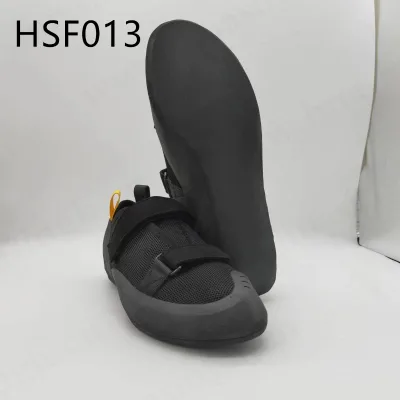
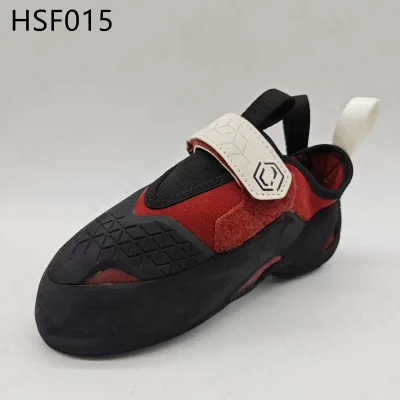
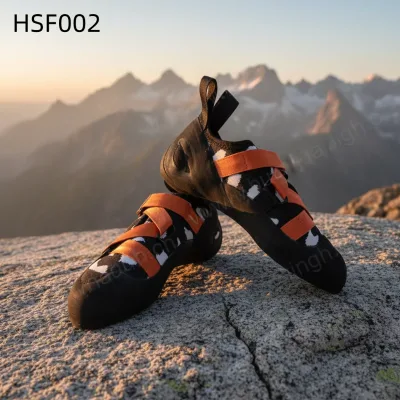

Comprehensive Sourcing Guide
Anti-Slip Bouldering Climbing Shoes Sourcing Guide
Procuring anti-slip bouldering climbing shoes requires distinguishing between general athletic footwear and specialized gear designed for vertical friction. The observed market data indicates a diverse range of products, from stretch fabric models to genuine leather options, each serving different climbing styles. Buyers must carefully evaluate whether a listed item is intended for sport climbing, bouldering, or general outdoor use, as the upper material and sole composition directly impact performance on rock faces.
Sourcing decisions should prioritize the specific friction requirements of the intended climbing discipline. While some listings highlight features like "Light Weight" and "Comfortable" for general wear, true bouldering shoes demand a precise fit and aggressive rubber compounds for edging and smearing. The presence of "Anti-Slip" and "Slip-Resistant" attributes in the data suggests a focus on traction, yet buyers must verify if these claims apply to wet rock conditions or dry gym environments to ensure the selected footwear meets the rigorous demands of the sport.
Product Scope and Observed Listing Signals
The current market landscape for climbing footwear reveals significant variation in material composition and design intent. Listings frequently cite "Stretch Fabric" and "Faux Leather" alongside "Genuine Leather" and "Fabric" options, indicating a split between performance-oriented technical gear and casual fashion wear. Buyers must scrutinize product descriptions to confirm if the item is a dedicated climbing shoe or a generic "Sport Shoes" style that merely mimics the aesthetic without offering the necessary structural support for bouldering.
Observations of color options ranging from "Black" and "Brown" to "Blue" and "Gold" suggest a broad commercial appeal, yet the functional utility varies widely. Some products are explicitly labeled as "Rock Climbing shoes," while others carry generic "Fashion wear-resisting" tags. This inconsistency necessitates a rigorous review of the product name and feature list to ensure the item possesses the specific anatomical shape and rubber grip required for safe and effective climbing, rather than serving as a general-purpose athletic shoe.
Technical Specifications to Verify
Critical technical verification begins with the upper material and sole construction, which dictate the shoe's durability and friction capabilities. The data shows a mix of "Rubber" outsoles paired with various uppers, including "Mesh" lining and "PU" or "EVA" insoles. Buyers must confirm that the rubber compound is specifically formulated for climbing friction, as generic rubber may lack the stickiness required for bouldering. Additionally, the distinction between "Hand Made" and "Not Handmade" processes can significantly influence the precision of the last and the overall fit quality.
Size standardization and fit customization are equally vital for performance and safety. While some listings offer a standard range from 34# to 48#, others provide "Customized" sizing options, which is essential for achieving the tight fit necessary for bouldering. The "Single package size" varies between 28x20x9 cm and 31x21x11 cm, reflecting differences in packaging and potentially shoe volume. Procurement teams must verify that the specified shoe sizes align with international sizing standards to avoid fit issues that could compromise a climber's ability to stand on small edges.
Compliance and Safety Documentation
Safety documentation for climbing footwear often centers on slip resistance and material durability rather than industrial safety certifications. The provided data includes attributes like "Slip-Resistant," "Anti-Static," and "Acid and Alkali Resistant," which are more typical of industrial safety shoes than recreational climbing gear. Buyers should be cautious when these claims appear on products marketed as bouldering shoes, as they may indicate a mismatch between the product's intended use and the buyer's expectations for rock climbing performance.
Verifying the absence of hazardous materials and the presence of appropriate durability standards is essential for long-term product safety. While some listings mention "Waterproof" capabilities, others explicitly state "Not Waterproof," a critical distinction for climbers who may encounter wet rock or rain. Procurement teams must request test reports or manufacturer declarations confirming that the materials used, such as "Genuine Leather" or "Stretch Fabric," meet relevant safety standards for footwear, ensuring they do not degrade prematurely under the stress of climbing activities.
Cost Drivers and Commercial Terms
Pricing in the climbing footwear sector is heavily influenced by material quality, manufacturing complexity, and brand positioning. The observed price range of 2.21 to 35.8 USD reflects a wide spectrum from basic fabric models to more premium leather constructions. Buyers must understand that lower-priced items often utilize generic materials that may not offer the necessary performance for serious bouldering, whereas higher-priced options typically feature specialized rubber compounds and ergonomic designs that justify the cost through enhanced durability and grip.
Commercial terms such as Minimum Order Quantity (MOQ) and customization options play a significant role in the total cost of ownership. The data indicates an MOQ range from 1 to 1800 pairs, offering flexibility for small retailers and large distributors alike. The availability of "OEM ODM Supported" services and "Customized" materials allows buyers to tailor products to their specific market needs, but these services often incur additional costs. Understanding the trade-off between unit price and customization fees is crucial for maintaining healthy profit margins while meeting customer expectations.
Supplier Qualification and Quality Control
Supplier qualification requires a deep dive into the manufacturing capabilities and origin of the products. The data points to origins in "Fujian, China" and "Linyi City Shandong Province," regions known for diverse footwear production. Buyers should verify the supplier's experience specifically in climbing or athletic footwear, as general shoe manufacturers may lack the expertise required to produce shoes with the precise fit and tension needed for bouldering. The distinction between "Hand Made" and "Not Handmade" processes should be confirmed to ensure consistent quality control.
Quality control protocols must address the variability observed in product attributes, such as the conflicting "Waterproof" and "Not Waterproof" claims. Implementing a rigorous inspection process is essential to ensure that the final product matches the agreed-upon specifications regarding materials, sizing, and features. Buyers should request pre-shipment samples to verify the "Anti-Slip" performance and the integrity of the "Rubber" outsole, ensuring that the shoes meet the functional requirements before committing to a larger order volume.
Long-Term Procurement Checks
Sustaining a successful procurement relationship involves continuous monitoring of product consistency and market feedback. The wide range of observed features, from "Steel Toe" to "Fashion wear-resisting," suggests a need for ongoing verification that the supplied products remain aligned with the specific needs of the climbing community. Buyers should establish a feedback loop with end-users to identify any performance issues, such as premature sole wear or fit inconsistencies, which could indicate a need to adjust supplier specifications or switch to a more specialized manufacturer.
Long-term viability also depends on the supplier's ability to adapt to changing trends and standards in the climbing industry. As the market evolves, the demand for specialized materials and designs will likely increase, requiring suppliers to invest in research and development. Buyers should maintain open communication with suppliers regarding future product developments and ensure that the "Customized" options remain available to meet emerging market demands. This proactive approach helps mitigate risks associated with product obsolescence and ensures a steady supply of high-quality climbing footwear.
FAQs
What materials are used for the upper of these shoes?
The upper materials include stretch fabric and faux leather options. These materials provide flexibility and durability for various climbing activities. Buyers can also request customized material choices to meet specific performance needs or aesthetic preferences for their brand.
Can I customize the color and size of the order?
Yes, customization is available for both color and size. Standard colors include black, brown, blue, grey, red, and gold. Sizes range from 34 to 46, with options for customized sizing. OEM and ODM services are supported to tailor products to your requirements.
What is the minimum order quantity for these shoes?
The minimum order quantity is one pair. This low MOQ allows buyers to test product quality and market response before committing to larger bulk orders. It provides flexibility for small businesses or individual buyers looking to source specialized climbing footwear with minimal initial investment.
Are these shoes suitable for all seasons?
Yes, the shoes are designed for all-season use. They feature breathable mesh linings and durable rubber outsoles that perform well in various conditions. Some variants offer waterproof features, while others prioritize slip resistance and comfort, making them versatile for different climbing environments year-round.
Where are these climbing shoes manufactured?
These shoes are manufactured in Fujian, China, and Linyi City, Shandong Province. The production facilities support OEM and ODM services, ensuring quality control and customization capabilities. Buyers can rely on established manufacturing hubs in China for consistent supply and competitive pricing for bulk orders.