Source Anti-Slip Compression Bandage Socks for Sports, Recovery, and Daily Use
Find 30 listings for Anti-Slip Compression Bandage Socks suitable for sports, recovery, and daily wear. Buyers can compare features like material, compression level, and size options from multiple suppliers to find the right fit.
Key considerations
Products List


High Quality Compression Stockings Anti-Embolism Medical Compression Socks
$5.59 - $6.62
MOQ: 100 Pairs


Medical 23-32mmhg High Waist Breathable Women Compression Socks Pantyhose
$6.28 - $7.50
MOQ: 100 Pairs
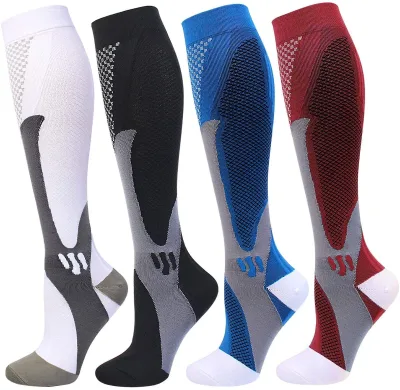
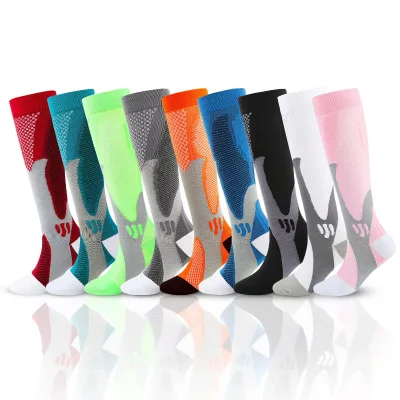
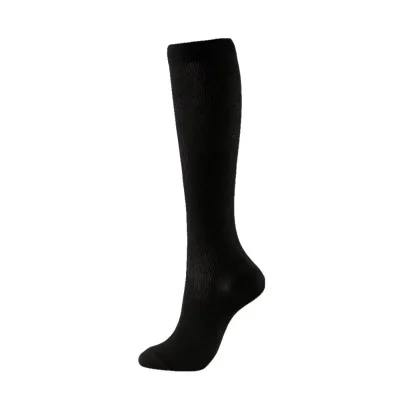


Breathable and Anti-Slip Sports Running Compression Socks Unisex Short Socks
$0.20 - $1.50
MOQ: 200 Pairs

Men's Breathable Compression Socks - Ultimate Anti-Slip Sports Performance
$0.30 - $1.50
MOQ: 200 Pairs


High-Performance Compression Socks for Men - Perfect for Sports Activities
$0.30 - $1.50
MOQ: 200 Pairs


Comprehensive Sourcing Guide
Strategic Sourcing Guide for Anti-Slip Compression Bandage Socks
The global market for compression bandage socks has expanded significantly, driven by a convergence of athletic performance demands and medical recovery needs. For procurement professionals targeting the specific niche of anti-slip compression bandage socks, the sourcing landscape requires a nuanced understanding of technical specifications, material composition, and supplier capabilities. This guide synthesizes available product data and industry standards to provide a structured approach for evaluating potential supply chain partners. The focus remains on evidence-based criteria, ensuring that procurement decisions are grounded in verifiable product attributes rather than marketing assertions.
Technical Specifications and Material Composition
When sourcing compression bandage socks, the primary differentiator lies in the interplay between material composition and mechanical properties. The supplied product data indicates a diverse range of materials, with cotton explicitly listed as a key component in several listings. However, the standard "cotton/polyester" blend appears frequently, suggesting that pure cotton may be less common for high-performance compression applications due to elasticity limitations. Buyers must verify the specific fiber ratio, as the presence of synthetic fibers like polyester or elastane is often critical for achieving the "High Elasticity" and "Graduated Compression" features observed in the market.
The compression level is a critical technical parameter. The data confirms the existence of "Firm" compression levels and specific pressure values ranging from 15-25mmhg. These figures align with medical-grade compression standards often required for therapeutic use. Procurement teams should demand test reports that validate these pressure values across the length of the sock, ensuring the "Graduated Compression" profile is consistent from the ankle to the calf. Furthermore, the "Needle Count" of 168n mentioned in the specifications indicates a high-knit density, which is essential for durability and the precise tension required for compression.
Anti-slip functionality is another vital technical specification. The product attributes list "Anti-Slip" as a distinct feature alongside "Breathable" and "Eco-Friendly" properties. This feature is typically achieved through silicone grips or specialized rubberized patterns on the sole or heel. Buyers should request physical samples to test the grip strength under various conditions, particularly when the socks are subjected to moisture or sweat, which can compromise adhesion. The "Foot Length" specifications provided, such as 22-24 cm and 24-26 cm, highlight the importance of sizing accuracy. A mismatch in foot length can lead to slippage, negating the anti-slip design intent.
Compliance, Certification, and Standard Verification
Navigating the regulatory landscape for textile products requires rigorous verification of standards and certifications. While the supplied data lists "customized" as a product standard, it also references specific packaging dimensions like "705550CM" and material standards like "cotton/polyester." It is crucial to distinguish between product standards and packaging standards. The "customized" standard suggests that suppliers may offer flexibility in meeting specific buyer requirements, but this does not imply a lack of adherence to baseline safety or quality norms.
Regarding certifications, the background information mentions GOTS, BSCI, Oeko-Tex, and ISO 9001. However, these are listed as low-confidence background data and should not be assumed as present in any specific listing without verification. Buyers must explicitly request current certification documents from suppliers. For anti-slip compression socks, Oeko-Tex Standard 100 is particularly relevant to ensure the absence of harmful substances, especially given the close contact with skin and the potential for prolonged wear. BSCI certification is equally important for verifying ethical labor practices, which is a growing requirement for many B2B buyers.
The "Standard" attribute in the data also includes "705550CM," which appears to be a packaging dimension rather than a product standard. This distinction is vital for logistics planning. Buyers should clarify whether the supplier adheres to international textile standards for compression garments, such as those defined by the European Committee for Standardization (CEN) or specific national medical device regulations if the socks are marketed for therapeutic use. Without explicit confirmation, procurement teams should treat all compliance claims as unverified until supported by third-party audit reports.
Cost Drivers and Pricing Dynamics
The observed price range for these products spans from $0.20 to $20.00 USD, a wide variance that reflects differences in material quality, compression technology, and order volume. The Minimum Order Quantity (MOQ) ranges from 10 to 2000 units, with specific listings showing an MOQ of 300 pairs. This variability suggests that cost drivers are heavily influenced by order scale and customization levels.
Material costs are a primary driver. Socks utilizing a "cotton/polyester" blend with high needle counts and specialized anti-slip technology will naturally command a higher price point than basic cotton variants. The "Firm" compression level and "Graduated Compression" features also add to the manufacturing complexity, requiring more precise knitting machinery and quality control processes. Additionally, the "Customization" attribute indicates that bespoke designs, such as specific patterns like "Polka dot" or "Solid," may incur additional setup costs.
Packaging also impacts the final cost. The data lists both "OPP Bag" and "Carton" packaging options, with specific carton dimensions provided. Bulk packaging, such as "300pairs/CTN," is more cost-effective for large orders but requires careful logistics planning. Buyers should analyze the total landed cost, including packaging, rather than focusing solely on the unit price. The "Sample: Availalbe" attribute suggests that suppliers are willing to provide prototypes, which can be a cost-effective way to validate quality before committing to large MOQs.
Typical Applications and Market Segmentation
The product data reveals a broad spectrum of applications, ranging from sports to medical recovery. The "Application" field explicitly lists "Soccer Basketball," while the "Usage" is categorized as "Sports." This indicates a strong market segment focused on athletic performance, where anti-slip features prevent foot movement inside footwear, reducing blister formation and improving stability. The "Season: Spring / Autumn" attribute suggests these products are optimized for transitional weather, balancing breathability with thermal retention.
Beyond sports, the "Compression Level: Firm" and "Pressure Value: 15-25mmhg" point to therapeutic applications. These specifications are consistent with socks designed for circulation improvement and muscle recovery. The "Gender: Unisex" and "Age: Adults" attributes confirm that the target demographic is broad, covering both male and female consumers across various age groups. The "Indoor/Outdoor" and "Occasion: Outdoor" tags further expand the potential use cases to include daily wear and outdoor activities.
The "Style" variations, including "Stockings," "Ankle," and "Tall," allow suppliers to cater to different aesthetic and functional preferences. For instance, "Ankle Socks" are ideal for sports like soccer, while "Tall" or "Middle" height options may be preferred for medical compression or fashion purposes. Understanding these segmentation nuances is essential for matching the right product to the right market channel.
Supplier Evaluation and Quality Control
Evaluating suppliers for compression bandage socks requires a multi-faceted approach. The "OEM: Yes" attribute confirms that most suppliers are capable of Original Equipment Manufacturing, allowing buyers to brand the products. However, OEM capability does not guarantee quality. Buyers should assess the supplier's production capacity, specifically their ability to maintain the "168n" needle count and consistent compression levels across large batches.
Quality control protocols must be robust. Given the "Anti-Bacterial" and "Deodorization" features listed, suppliers should provide evidence of the efficacy of these treatments. The "Disposable" attribute in some listings suggests a different product category, possibly for medical or hygiene-focused applications, which requires distinct quality standards compared to reusable sports socks. Buyers should verify whether the anti-bacterial treatment is permanent or washable, as this impacts the product's lifecycle and value proposition.
Inspection criteria should include checks for elasticity retention, seam integrity, and the durability of anti-slip grips. The "Thickness" attribute, ranging from "Normal" to "Thick," indicates that buyers must specify their preference clearly to avoid receiving the wrong product variant. Regular third-party inspections are recommended, especially for orders exceeding the lower MOQ thresholds, to ensure consistency with the "customized" standards agreed upon.
Long-Term Procurement Considerations
Sourcing compression bandage socks is not merely a transactional activity but a strategic partnership. The "Customization: Available" attribute offers significant long-term value, allowing buyers to adapt products to changing market trends or specific customer needs. However, customization requires clear communication and documentation to ensure that design changes do not compromise the core compression or anti-slip functionality.
Supply chain resilience is another critical consideration. With the "prod_origin: China" being the primary source, buyers should diversify their supplier base to mitigate risks associated with geopolitical tensions or logistical disruptions. The "Lead time" is not explicitly provided in the data, but buyers should negotiate clear timelines based on the MOQ and customization requirements.
Sustainability is increasingly important in the textile industry. The "Eco-Friendly" feature appears in multiple listings, indicating a market trend toward environmentally responsible products. Buyers should inquire about the specific eco-friendly practices employed, such as the use of organic cotton or recycled polyester, and verify these claims against recognized standards. Long-term contracts should include clauses for continuous improvement in sustainability and quality, ensuring that the supply chain evolves alongside market demands.
Comparative Analysis of Product Attributes
To facilitate decision-making, the following table summarizes key product attributes observed in the market data, highlighting the variations buyers must navigate.
| Attribute Category | Observed Values | Procurement Implication |
|---|---|---|
| Material | Cotton, Cotton/Polyester | Verify fiber ratio for elasticity and durability. |
| Compression | Firm, Graduated (15-25mmhg) | Demand test reports for pressure consistency. |
| Anti-Slip | Listed as a feature | Test grip strength under wet/dry conditions. |
| Size/Length | Ankle, Middle, Tall; 22-26cm | Ensure foot length matches target demographic. |
| MOQ | 10 - 2000 (300 pairs common) | Align order volume with budget and storage. |
| Packaging | OPP Bag, Carton (300pairs/CTN) | Optimize for logistics and retail presentation. |
| Features | Anti-Bacterial, Breathable, Eco-Friendly | Verify efficacy and certification of treatments. |
| Origin | China | Assess logistics costs and supply chain risks. |
This comparative view underscores the necessity of precise specification management. The wide range of options allows for tailored sourcing strategies but requires diligent verification to ensure that the final product meets the intended performance and quality standards. By focusing on these evidence-based criteria, procurement professionals can build a reliable supply chain for anti-slip compression bandage socks that delivers value and consistency.
FAQs
What materials are used for Anti-Slip Compression Bandage Socks?
These socks typically use cotton or a cotton polyester blend. The material composition is critical for achieving high elasticity and ensuring the product meets firm compression standards required for therapeutic and athletic applications.
Can I customize the compression level and pattern of these socks?
Yes, customization is available for compression levels and patterns like polka dots or solids. Buyers can specify firm compression levels and request specific designs while maintaining the required high elasticity and anti-slip functionality.
What is the minimum order quantity for these compression socks?
The minimum order quantity ranges from 10 to 2000 units depending on the supplier. Specific listings indicate an MOQ of 300 pairs for certain models, so buyers should verify the exact threshold before placing an order.
How is the compression level measured for these bandage socks?
Compression levels are measured in pressure values ranging from 15 to 25 mmHg. This graduated compression profile ensures consistent tension from the ankle to the calf, which is essential for effective circulation support and muscle recovery.
Which features ensure the socks remain anti-slip during sports?
The socks feature anti-slip technology combined with breathable and anti-bacterial properties. High needle counts of 168n and specific foot length sizes like 22-24 cm help maintain grip and prevent slippage during intense athletic activities.
Where are these Anti-Slip Compression Bandage Socks manufactured?
These products are manufactured in China. The origin is confirmed as China, and suppliers offer OEM services with various packaging options including OPP bags or cartons containing 300 pairs per carton.
What packaging options are available for bulk orders of these socks?
Packaging options include OPP bags or cartons with dimensions of 70 by 55 by 50 cm. Bulk orders often use cartons containing 300 pairs, which helps optimize logistics and reduce shipping costs for large volume purchases.