Source anti-slip eva hotel disposable slippers for Travel Spa Indoor
Find 30 listings for anti-slip eva hotel disposable slippers suitable for hotel rooms, spas, and travel. Buyers can compare sole thickness, customization options, and packaging details across multiple suppliers in Yangzhou and Jiangsu.
Key considerations
Products List


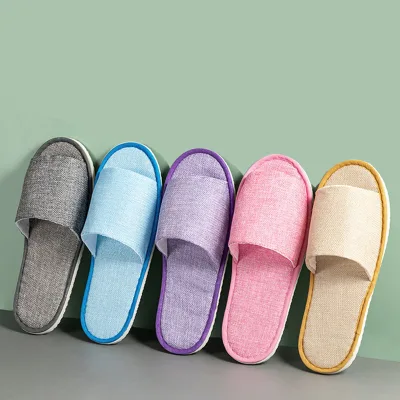
Custom Logo Cheap and Comfortable Multi-Purpose Hotel Disposable Slippers
$0.16 - $0.17
MOQ: 5000 Pairs




Comprehensive Sourcing Guide
Strategic Sourcing Guide for Anti-Slip EVA Hotel Disposable Slippers
Understanding the Product Category and Core Specifications
The procurement of anti-slip EVA hotel disposable slippers requires a precise understanding of the material composition and structural design that defines this specific B2B category. Based on the observed product data, these items are fundamentally designed as single-use or limited-use footwear for hospitality environments, including hotels, spas, and travel settings. The primary material identified for the sole is Ethylene-Vinyl Acetate (EVA), a polymer known for its lightweight properties and cushioning capabilities. In the specific product listings analyzed, the sole thickness varies, with observations noting a 6mm thickness for the sole and a 3mm thickness for the sponge layer, suggesting a composite construction designed for comfort.
The color palette for these products is predominantly white, though black variants are also available in the market. The design is typically plain, though printed options exist for branding purposes. A critical functional attribute is the sole type, which is frequently described as an "EVA Sole" with "Closed Toe" construction and specific "Anti-slip" features. This anti-slip characteristic is essential for safety in wet environments such as hotel bathrooms and spa areas. The dimensions of the slippers vary slightly across different models, with standard sizes observed ranging from 28cm to 30cm in length and 11cm to 12cm in width. Buyers must verify the exact dimensions required for their specific inventory, as models like TSL129, TSL141, and T-SL24175 may have distinct sizing profiles.
Technical Specifications and Material Standards
When evaluating technical specifications, the focus must remain on the tangible attributes that ensure the product meets the operational needs of a hotel or spa. The product model designation is a key identifier, with "hotel slipper" and "airline slippers" being common classifications. The physical standard for these items is often defined by their dimensions, such as 2911cm or 3011cm. The construction involves a sponge layer of 3mm thickness, which contributes to the softness and thermal insulation of the slipper. The sole, measuring 6mm in thickness, provides the necessary durability for a disposable item while maintaining the anti-slip functionality.
The material composition is strictly defined as EVA for the sole, which is distinct from other foam materials used in footwear. This material choice is critical for the "washable" or "disposable" classification. While some listings note the product as washable, the primary market positioning is often as a disposable amenity. The "Closed Toe" feature is a standard specification for many of these models, ensuring a secure fit and protection for the wearer. However, buyers should also be aware of models that offer a "Toe Open or Close" feature, indicating a need to specify the exact style during the ordering process. The packaging is typically done in cartons, with specific carton box dimensions and packing methods varying by supplier.
Cost Drivers and Pricing Dynamics
The pricing structure for anti-slip EVA hotel disposable slippers is influenced by several variables, including material costs, customization levels, and order volume. The observed price range in the market spans from $0.10 to $3.90 USD per unit, a significant variance that reflects differences in quality, branding, and order quantity. The Minimum Order Quantity (MOQ) is a major cost driver, with observed ranges extending from as low as 1 unit to as high as 10,000 units. A specific listing indicates an MOQ of 5,000 pairs, which is typical for OEM/ODM projects involving custom branding.
Buyers should anticipate that lower unit prices are generally associated with higher order volumes. The cost is also affected by the level of customization. While the base product is often plain, the acceptance of customized logos allows for branding opportunities that may incur additional setup or per-unit costs. Payment terms, such as a 30% advance and 70% balance via T/T, are standard in this sector and impact the cash flow requirements of the procurement process. The delivery time, typically ranging from 20 to 30 days, also influences the total cost of ownership, as longer lead times may require higher safety stock levels.
Compliance, Certification, and Quality Verification
In the hospitality sector, compliance and quality verification are paramount. While the provided data does not confirm specific certification statuses for all listed products, the mention of ISO9001 in the background context suggests that buyers should actively seek suppliers who hold this quality management certification. It is crucial not to assume that every listed product is certified; instead, buyers must request valid certificates as part of the supplier evaluation process.
Quality control should focus on the consistency of the EVA material and the integrity of the anti-slip sole. The "Anti-slip Sole" attribute must be verified through practical testing or supplier-provided test results to ensure it meets safety standards for wet environments. The "Washable" attribute, while listed, should be scrutinized against the "Disposable" classification to ensure the product performs as intended for its specific use case. Buyers should also verify the "Standard" dimensions, ensuring that the 28cm, 29cm, or 30cm lengths align with the target demographic of the hotel guests. The origin of the products, often listed as Yangzhou or Jiangsu, China, indicates a manufacturing hub known for textile and amenity production, but buyers should verify the specific factory location to assess logistical efficiency.
Supplier Evaluation and Operational Capabilities
Selecting the right supplier requires a thorough evaluation of their operational capabilities and flexibility. The data indicates that suppliers in this sector often offer OEM and ODM services, accepting customized logos and designs. This flexibility is a significant advantage for hotels looking to brand their amenities. The "Style" of the product is often categorized as "3-5 Stars Hotel Amenities" or "5 Stars Hotel Amenities," suggesting that suppliers have experience catering to different market segments.
When evaluating suppliers, buyers should consider the "Loading Port," which is frequently listed as Shanghai or Wuhan. This information is critical for calculating freight costs and determining the logistics timeline. The "Delivery Time" of 20-30 days is a standard expectation, but buyers should confirm if this timeline can be expedited for urgent orders. The "Product Packing" method, typically by cartons, should be verified to ensure it meets the requirements for bulk shipping and storage. Additionally, the "Brand" of the supplier, such as Topmed, may be a factor in the decision-making process, though buyers should remain open to unbranded or private-label options.
Typical Applications and Usage Scenarios
The versatility of anti-slip EVA hotel disposable slippers makes them suitable for a wide range of applications. The primary usage scenarios include travel, spa treatments, indoor activities, and hotel room amenities. The "Application" field explicitly mentions beauty centers, massage facilities, and hotels, highlighting the product's suitability for the wellness and hospitality industries. The "Design" being plain or printed allows for customization to match the aesthetic of the establishment.
The "Closed Toe" feature is particularly beneficial for indoor use, providing a sense of security and warmth for guests. The "Winter Slippers" classification suggests that these products may also be marketed for colder seasons, offering additional insulation. The "Spa" and "Indoor" usage indicates that the anti-slip sole is a critical safety feature, preventing accidents on wet surfaces. Buyers should consider the specific needs of their guests when selecting the model, ensuring that the size and design align with the expected usage patterns.
Long-Term Procurement Considerations
For long-term procurement, buyers must consider the sustainability and supply chain stability of the product. The "Disposable" nature of the slippers raises questions about waste management, and buyers should evaluate if the supplier offers eco-friendly alternatives or recyclable packaging. The "Customization" availability allows for long-term branding strategies, but buyers must ensure that the supplier can maintain consistent quality over multiple production runs.
The "Payment" terms, such as the 30% advance and 70% balance, are standard but should be negotiated based on the volume and relationship with the supplier. The "Lead Time" of 20-30 days should be factored into inventory planning to avoid stockouts. Buyers should also monitor the "Origin" of the products, as geopolitical factors or shipping disruptions can impact supply chain reliability. Finally, the "MOQ" of 5,000 pairs or similar thresholds should be weighed against the actual demand to ensure cost-effective inventory management. By carefully considering these factors, buyers can establish a reliable and efficient procurement strategy for anti-slip EVA hotel disposable slippers.
FAQs
What is the standard sole thickness for these slippers?
The sole thickness is typically 6mm, while the sponge layer measures 3mm. This composite construction provides cushioning and durability for disposable use in hotels and spas.
Can I customize the logo on these hotel slippers?
Yes, customized logos are accepted for these products. Suppliers often offer OEM and ODM services to allow hotels to brand their amenities with specific designs or company names.
Which origin locations supply these disposable slippers?
Products originate from Yangzhou and Jiangsu, China. These regions are known manufacturing hubs for textile and hotel amenity production, ensuring a steady supply chain for buyers.
How long is the delivery time for bulk orders?
The standard delivery time ranges from 20 to 30 days. This lead time should be factored into inventory planning to ensure timely restocking for hotel operations.
What are the typical dimensions for these slippers?
Standard sizes vary between 28cm and 30cm in length and 11cm to 12cm in width. Buyers must verify specific model dimensions like TSL129 or TSL141 for accurate sizing.
What is the minimum order quantity for these items?
The minimum order quantity can range from 1 to 10,000 units depending on the supplier. Some listings specify an MOQ of 5,000 pairs for customized OEM projects.