Source Cartoon Anime Hair Tie for Girls, Women, and Daily Use
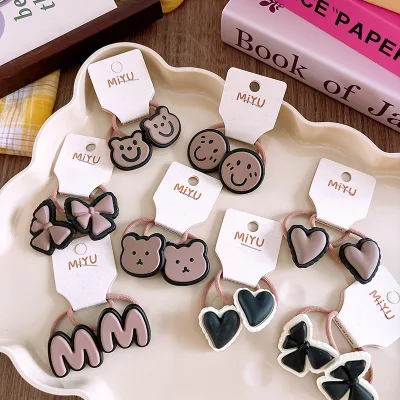
Explore 30 listings for Cartoon Anime Hair Tie options including alloy, fabric, rubber, and plastic materials. Buyers can compare customization, packaging, and MOQ details for elastic bands and hairpins suitable for girls and women; compare the available evidence and request quotations based on your requirements.
Key considerations
Products List

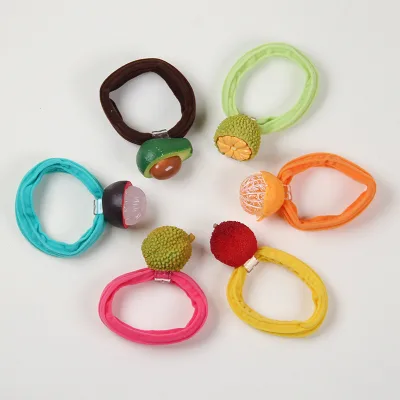
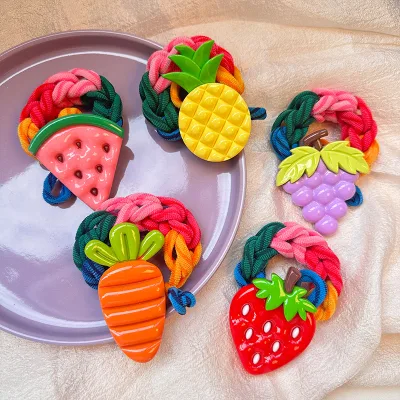
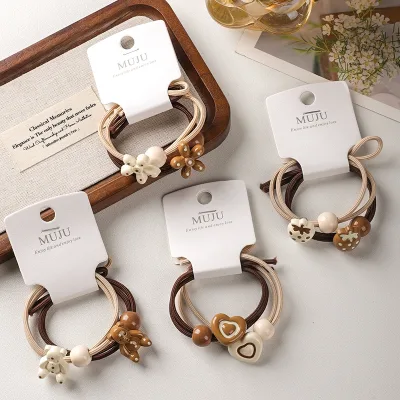
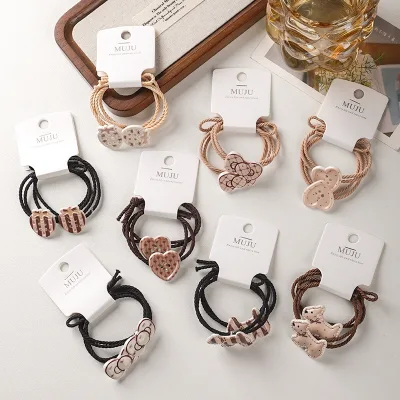
Cartoon Weaving Hair Tie Colorful Animal Hair Accessories Headwear Jewelry
$0.45 - $0.54
MOQ: 12 Pieces


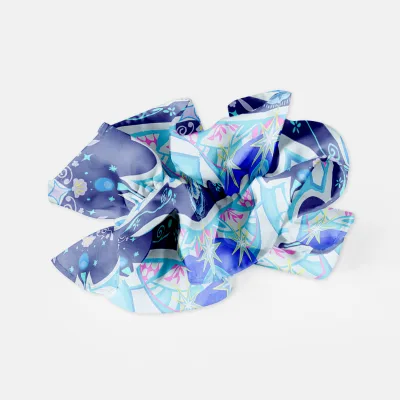
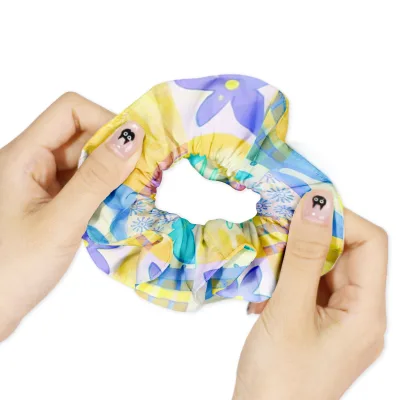
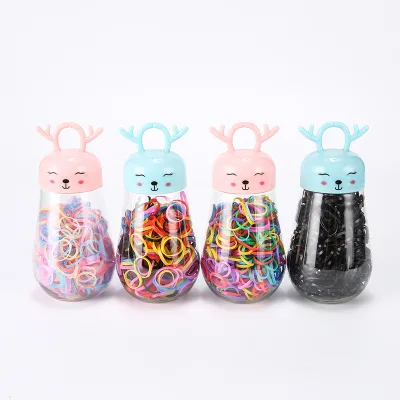
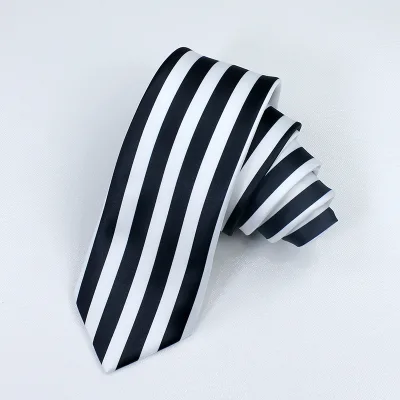
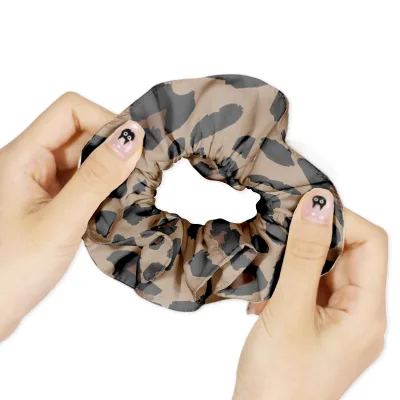
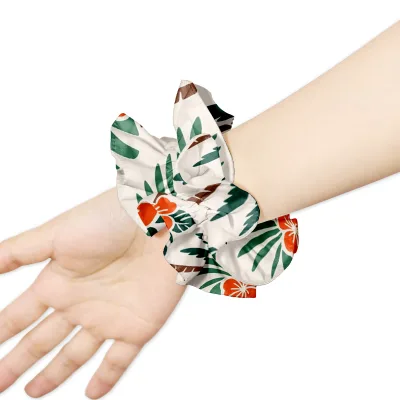
Source Tie a Hair Knot Tie a Headband a Headband a Wristband Company Events Small Gifts
$0.08 - $0.08
MOQ: 2857 Pieces


Comprehensive Sourcing Guide
Cartoon Anime Hair Tie Sourcing Guide
Sourcing cartoon anime hair ties requires a nuanced understanding of the diverse product landscape, which ranges from simple elastic bands to complex spiral wire designs. Buyers must navigate a market where materials vary significantly, including alloy, fabric, rubber, and plastic components, each offering distinct aesthetic and functional properties. The observed product range indicates a strong emphasis on customization, with many suppliers accepting OEM and ODM requests to tailor designs to specific brand identities. This flexibility allows purchasers to create unique merchandise that resonates with fans of specific anime franchises while maintaining consistent quality standards across large orders.
The target demographic for these accessories is broad, encompassing girls, women, and ladies, with many products designed for daily use and suitable for all seasons. This versatility makes them ideal for retail chains, gift shops, and online marketplaces seeking high-turnover items. However, the diversity in styles, from cute flower-shaped hairpins to telephone wire hair bands, necessitates careful selection based on the intended customer profile. Buyers should prioritize suppliers who demonstrate a clear understanding of these stylistic nuances, ensuring that the final product aligns with current trends and consumer preferences in the global hair accessory market.
Product Scope and Observed Listing Signals
The current market listings reveal a wide price range, typically between $0.08 and $2.70 USD, reflecting the variation in material quality and design complexity. Minimum order quantities (MOQs) also vary substantially, starting from as low as one unit for sampling up to 2,857 units for bulk production, with common design-based MOQs around 1,200 sets. This disparity allows buyers to test the market with small initial orders before committing to larger volumes. Understanding these signals is crucial for budgeting and inventory planning, as higher customization levels often correlate with higher MOQs and potentially longer lead times.
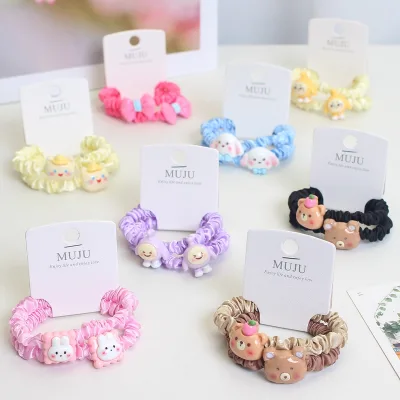
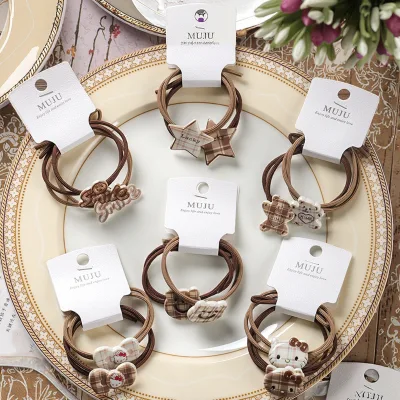
Packaging options are highly customizable, ranging from simple OPP bags to more structured carded packages like 6PCS/Card+Polybag or bulk shipments. Some suppliers offer specific packaging configurations, such as 36PCS/Card+50PCS/Card+Polybag, which can impact retail display strategies and shelf appeal. Buyers should evaluate these packaging details not just for cost but for their impact on product protection and brand presentation. The availability of stock for certain items, like telephone wire hair bands, offers an advantage for quick turnaround, while custom designs may require more extensive production planning and coordination with the supplier.
Technical Specifications to Verify
Verifying technical specifications is critical to ensuring product consistency and customer satisfaction. Key attributes to confirm include the outer diameter of elastic hair bands, which typically ranges from 3-8cm, and the thickness of spiral wire designs, often around 2-6mm. Buyers must also verify the material composition, whether it is alloy, fabric, rubber, or plastic, as this affects durability and comfort. Additionally, the shape and style, such as flower motifs or telephone wire spirals, should be matched precisely to the design brief to avoid discrepancies between samples and bulk production.
Size specifications are particularly important for hair ties, with some products defined by their outer diameter and others by their thickness and diameter. For instance, telephone wire hair bands are often specified by a 2-inch diameter and a specific thickness range. Buyers should request detailed technical drawings or physical samples to validate these measurements before placing large orders. Ensuring that the product model codes, such as "CA" or "elastic hair tie," correspond accurately to the desired specifications helps prevent miscommunication and ensures that the received goods meet the intended functional requirements.
Compliance and Safety Documentation
While specific certification statuses like FSC are mentioned in background data, buyers must independently verify the safety compliance of hair accessories, particularly those intended for children. Products made from alloy, rubber, or plastic must meet relevant safety standards regarding heavy metals, phthalates, and small parts that could pose choking hazards. It is essential to request test reports from accredited laboratories to confirm that the materials used are non-toxic and safe for prolonged skin contact. This due diligence protects the brand from liability and ensures consumer trust, especially when marketing to parents and young girls.
Documentation should also cover the manufacturing standards and quality control processes employed by the supplier. Buyers should inquire about the specific standards the factory adheres to, whether they are customized or industry-standard, and request evidence of regular quality audits. Understanding the export markets served by the supplier can provide insights into their compliance capabilities, as suppliers serving global markets often adhere to stricter regulatory requirements. Clear communication about safety expectations and documentation requirements upfront helps establish a transparent and compliant supply chain.
Cost Drivers and Commercial Terms
Several factors influence the final cost of cartoon anime hair ties, including material selection, customization complexity, and packaging requirements. Products with intricate designs or multiple material components, such as alloy hairpins with fabric accents, typically command higher prices than simple elastic bands. The MOQ also plays a significant role in pricing, with larger orders often benefiting from economies of scale. Buyers should negotiate terms that balance cost efficiency with flexibility, especially when dealing with custom designs that may have higher setup costs.
Commercial terms should clearly outline payment structures, shipping responsibilities, and return policies. Given the global nature of the market, understanding Incoterms and logistics options is crucial for managing total landed costs. Buyers should also consider the cost of customization, including design fees and sample charges, which may be refundable upon placing a bulk order. Transparent communication about these cost drivers helps in accurate budgeting and prevents unexpected expenses during the procurement process. Establishing clear commercial terms early on fosters a stable and predictable business relationship.
Supplier Qualification and Quality Control
Selecting a reliable supplier involves assessing their production capabilities, quality control systems, and responsiveness to customization requests. Suppliers located in key manufacturing hubs like Yiwu City, Zhejiang Province, China, often have established supply chains and expertise in hair accessories. Buyers should verify the supplier’s ability to handle OEM/ODM projects and their track record in delivering consistent quality. Requesting references or case studies from previous clients can provide valuable insights into the supplier’s reliability and professionalism.
Quality control measures should be integrated into the procurement process, including pre-production samples, in-line inspections, and final random inspections. Buyers should define clear acceptance criteria for defects, such as color mismatches, material imperfections, or packaging errors. Establishing a robust quality control protocol helps minimize the risk of receiving substandard products and ensures that the final goods meet the agreed-upon specifications. Regular communication with the supplier regarding quality expectations and feedback helps maintain high standards throughout the production cycle.
Long-Term Procurement Checks
Building a long-term procurement strategy for cartoon anime hair ties requires ongoing monitoring of supplier performance and market trends. Buyers should regularly review supplier metrics, including on-time delivery rates, defect rates, and responsiveness to issues. Continuous improvement initiatives, such as regular quality audits and performance reviews, help ensure that the supplier remains aligned with the buyer’s evolving needs. Staying informed about emerging trends in anime merchandise and hair accessory designs allows buyers to proactively adjust their product offerings and maintain competitiveness.
Additionally, diversifying the supplier base can mitigate risks associated with single-source dependencies. Establishing relationships with multiple suppliers provides flexibility in sourcing and negotiation power. Buyers should also invest in building strong communication channels with their suppliers to facilitate collaboration and problem-solving. Long-term success in this market depends on maintaining high quality standards, adapting to consumer preferences, and fostering mutually beneficial partnerships with reliable suppliers. Regular strategic reviews help identify opportunities for growth and optimization in the procurement process.
FAQs
What materials are used for cartoon anime hair ties?
These hair ties are made from alloy, fabric, rubber, and plastic materials. The specific material depends on the product type, such as hairpins or elastic bands. Buyers can choose from various options to suit their design needs and target audience preferences.
Can I customize the packaging for these hair accessories?
Yes, customized packaging is available for these hair accessories. Options include OPP bags, cards with polybags, or bulk packages based on customer demand. Buyers can request specific packing configurations like 6 pieces per card or 36 pieces per card to meet their requirements.
What is the minimum order quantity for these items?
The minimum order quantity varies by product design, ranging from 1 to 2857 units. Some specific designs require 1200 sets per design or 2400 sets per style. Buyers should check the specific model requirements to determine the exact MOQ for their order.
Which sizes are available for elastic hair bands?
Elastic hair bands are available in sizes ranging from 3 to 8 centimeters in outer diameter. Some spiral wire bands have a thickness of 2 to 6 millimeters and a diameter of 2 inches. These dimensions ensure a comfortable fit for women and girls.
How can I source these hair ties from China?
You can source these hair ties from manufacturers located in Yiwu City, Zhejiang Province, China. The products are exported to the global market and support OEM and ODM services. A sourcing agent is also available to assist with the procurement process.
Are these hair ties suitable for daily use?
Yes, these hair ties are suitable for daily use and whole-year occasions. They are designed with cute and fashion styles, making them ideal for girls and women. The high-quality construction ensures durability for regular wear and tear.
What styles are available for cartoon anime hair accessories?
Available styles include cute, fashion, and telephone wire designs. The shapes often feature flowers or spiral wire patterns. These styles cater to various preferences for women, girls, and ladies looking for decorative hair accessories.