Source Anti-Slip EVA Foam Clogs for Beach, Indoor, Outdoor
Compare 30 listings of anti-slip EVA foam clogs designed for beach, indoor, and outdoor use. Buyers can review features like waterproofing, quick-drying, and breathability across various models and customization options.
Key considerations
Products List


OEM Colorful EVA Medical Clogs for Nurses and Doctors with Anti Slip Sole
$5.00 - $6.00
MOQ: 100 Pairs


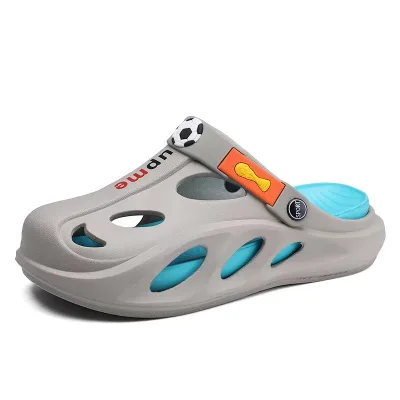


Soft Breathable Non-Slip Nurse Clogs Breathable EVA Garden Casual Slippers
$2.84 - $3.25
MOQ: 1200 Pairs


Comprehensive Sourcing Guide
Strategic Sourcing Guide for Anti-Slip EVA Foam Clogs
Understanding Material Composition and Performance Attributes
The core of sourcing anti-slip EVA foam clogs lies in a precise understanding of the material science behind Ethylene-Vinyl Acetate (EVA). In the context of the current market, EVA is frequently cited as the primary material for these footwear items, often appearing alongside other compounds such as Rubber, PVC, PU, Leather, Plastic, and even Wooden components in mixed-material designs. The distinct advantage of EVA foam in this category is its inherent lightweight nature, which is a critical specification for buyers targeting comfort and extended wearability. Unlike heavier rubber or leather alternatives, EVA foam clogs are engineered to reduce fatigue during prolonged use, making them ideal for environments where workers or consumers are on their feet for extended periods.
When evaluating product attributes, the "Light weight" characteristic is consistently observed in high-quality listings. This is not merely a marketing term but a functional requirement that differentiates premium clogs from standard footwear. The material's cellular structure allows for significant shock absorption, a feature that directly correlates with the "Anti-Slippery" and "Non-slip" performance claims found in the market. The surface texture of the EVA outsole is engineered to provide traction on wet or oily surfaces, a necessity for applications in kitchens, hospitals, and industrial settings. Furthermore, the material exhibits "Quick-Drying" properties, which are essential for products marketed for beach, pool, or outdoor use where moisture management is a priority.
Buyers must also scrutinize the "Waterproof" attribute. While many EVA products are naturally water-resistant due to their closed-cell structure, the specific manufacturing process determines the extent of this protection. In the observed data, "Waterproof" is listed as a definitive feature for several models, ensuring that the footwear remains functional in wet conditions without degrading or absorbing water. This attribute is particularly relevant for the "Summer" and "Spring/Autumn" seasons, where exposure to rain or water is common. The combination of "Breathable" and "Waterproof" can sometimes seem contradictory, but in advanced EVA formulations, micro-ventilation channels allow for air circulation while maintaining a barrier against liquid ingress.
Technical Specifications and Design Variations
Technical specifications for anti-slip EVA foam clogs vary significantly based on the intended user demographic and usage environment. A critical observation from the market data is the diversity in sizing, with ranges extending from 24-35 for children's models to 32-45 and 35-46 for adult unisex or female-specific lines. This variance indicates that suppliers often maintain distinct production lines for different age groups, which impacts the minimum order quantity (MOQ) and the complexity of inventory management for the buyer. The "Flat" heel height is a standard specification across the majority of these clogs, prioritizing stability and safety over aesthetic elevation. This flat profile is crucial for preventing slips and falls, aligning with the "Non-slip" and "Anti-Slippery" performance requirements.
The design of the toe area is another vital technical consideration. The market features both "Round" toe styles and "Fish Mouth" designs. The "Round" toe is generally preferred for industrial and medical settings as it offers maximum protection against impact and crushing injuries. Conversely, the "Fish Mouth" style is often associated with casual or leisure wear, offering a more relaxed fit. The closure pattern is another differentiator, with "Hook" closures being a common feature. This type of closure allows for easy adjustment and quick donning and doffing, which is essential for professionals who need to switch footwear rapidly.
Model numbers such as BX-JBT116 ALL, BX-HT049, BX-JSH355, and BX-MJ080 represent specific design iterations within the supplier catalog. These identifiers are crucial for buyers when requesting samples or placing repeat orders, as they ensure consistency in the product received. The "Customized" standard and "OEM ODM" design capabilities suggest that buyers can request modifications to the sole pattern, color, or branding. However, the extent of customization is often limited by the supplier's existing mold inventory and production capacity. The "Flowers" element mentioned in the product attributes indicates a trend toward decorative designs, which may appeal to specific consumer segments looking for aesthetic variety in their casual footwear.
Compliance, Certification, and Safety Standards
In the realm of B2B procurement, verifying compliance and safety standards is non-negotiable, particularly for products intended for professional or industrial use. While the supplied data does not list specific certification bodies or test results, buyers must proactively verify that the EVA foam used meets relevant safety standards for the target market. For instance, in the European Union, footwear materials must comply with REACH regulations regarding chemical substances, ensuring that no harmful phthalates or heavy metals are present in the foam. In the United States, compliance with ASTM standards for slip resistance and durability is often expected, especially for clogs used in food service or healthcare environments.
The "Acid and Alkali Resistant" attribute observed in some product listings is a significant technical claim that requires rigorous verification. If a supplier claims resistance to chemical exposure, the buyer should request documentation proving that the specific EVA formulation has been tested against common industrial chemicals. Without third-party test reports, such claims should be treated as observations rather than guaranteed performance metrics. Similarly, the "Disposable" status of the product is listed as "Non-Disposable," which implies a focus on durability and long-term use. This distinction is vital for procurement strategies, as disposable footwear typically has a different cost structure and lifecycle compared to reusable EVA clogs.
Buyers should also investigate the "Hand Made" versus "Not Handmade" distinction. While some listings indicate "Hand Made" production, others specify "Not Handmade." This difference can impact the consistency of the product quality and the lead time. Hand-made processes may allow for more intricate detailing but can introduce variability in sizing and finish. Automated production, on the other hand, typically offers higher consistency and faster turnaround times. The "Customized Logo" and "Customized" standard options suggest that suppliers are willing to adapt their processes for branding, but the buyer must ensure that any customization does not compromise the structural integrity or safety features of the clog.
Cost Drivers and Pricing Dynamics
The pricing of anti-slip EVA foam clogs is influenced by a complex interplay of material costs, manufacturing complexity, and order volume. The observed price range of 0.59 to 11.05 USD highlights the vast disparity between basic, mass-produced models and premium, highly customized units. The lower end of the spectrum likely represents simple, unbranded clogs with minimal features, while the higher end may include advanced designs with specialized soles, ergonomic insoles, or premium branding. The "Light weight" and "Breathable" attributes, while desirable, do not necessarily command a premium unless they are backed by proprietary technology or advanced manufacturing techniques.
Minimum Order Quantity (MOQ) is another critical cost driver, with observed ranges spanning from 2 to 1200 units. Suppliers with low MOQs, such as those accepting orders as small as 2 units, are often catering to buyers testing the market or those with niche requirements. However, these low-volume orders typically come with a higher unit price due to the lack of economies of scale. Conversely, orders at the higher end of the MOQ spectrum can secure significant discounts, making them more viable for large-scale retail or corporate procurement. The "Small Orders: Accepted" attribute indicates flexibility in the supply chain, which is beneficial for buyers who need to manage cash flow or test new designs before committing to large volumes.
Additional cost factors include the "prod_packing" method, which varies from "1 Pair /Polybag" to "Box" packaging. Premium packaging, such as individual boxes, adds to the overall cost but may be necessary for retail presentation. The "Origin" of the product, specifically "China" and "Fuzhou China," suggests that the supply chain is concentrated in a major manufacturing hub, which can influence logistics costs and lead times. Buyers should also consider the "Customization" costs, as adding logos, changing colors, or modifying molds will incur additional fees. Understanding these cost drivers is essential for developing a realistic budget and negotiating effectively with suppliers.
Supplier Evaluation and Quality Control Protocols
Evaluating suppliers for anti-slip EVA foam clogs requires a multi-faceted approach that goes beyond price and product specifications. The "Design: OEM ODM" capability is a strong indicator of a supplier's flexibility and technical competence. However, buyers must verify the supplier's ability to maintain quality consistency across different production runs. The "Hand Made" versus "Not Handmade" distinction is particularly relevant here, as manual processes can introduce variability that automated lines avoid. Buyers should request samples from different production batches to assess consistency in size, weight, and finish.
Quality control protocols should be a central part of the supplier evaluation process. Buyers must ensure that the supplier has a robust system for inspecting the "Anti-Slippery" and "Waterproof" attributes. This may involve requesting test reports for slip resistance on wet surfaces and water absorption tests. The "Acid and Alkali Resistant" claim, if relevant to the buyer's needs, should be backed by specific test data. Additionally, the "Non-Disposable" nature of the product implies a need for durability testing, such as flexing and abrasion resistance, to ensure the clogs can withstand the rigors of daily use.
The "Customized Logo" and "Customized" standard options offer opportunities for branding but also introduce potential quality risks. Buyers should establish clear guidelines for logo placement, color accuracy, and material compatibility to ensure that customization does not detract from the product's performance. The "prod_standard: Customized" attribute suggests that the supplier is willing to adapt to specific buyer requirements, but this flexibility must be balanced with strict quality control measures. Buyers should also consider the supplier's location, with "Fuzhou China" being a known manufacturing hub, and evaluate their logistics capabilities to ensure timely delivery.
Long-Term Procurement and Application Strategy
The long-term success of sourcing anti-slip EVA foam clogs depends on aligning the product with the specific application needs of the buyer. The "Usage" attributes of "Beach, Indoor, Outdoor" and "Leisure" indicate a broad range of potential applications. For indoor use, such as in kitchens or hospitals, the "Anti-Slippery" and "Waterproof" features are paramount. For outdoor and beach use, the "Quick-Drying" and "Light weight" attributes become more critical. Buyers should carefully match the product specifications to the intended environment to ensure optimal performance and customer satisfaction.
The "Season" attributes of "Spring/Autumn," "Summer," and "Winter" suggest that these clogs are versatile enough for year-round use, but specific designs may be optimized for certain weather conditions. For example, "Summer" models may prioritize breathability and quick-drying capabilities, while "Winter" models might focus on insulation and grip on icy surfaces. The "Gender" specifications, ranging from "Unisex" to "Female," allow buyers to target specific demographics, but the "Suitable for: Leisure" attribute suggests a broad appeal that transcends gender boundaries.
Long-term procurement considerations also include the potential for product evolution and market trends. The "Flowers" element and "Casual" style indicate a trend towards more aesthetic and fashion-forward designs. Buyers should monitor these trends and work with suppliers who can adapt their designs to meet changing consumer preferences. The "Customization" and "OEM ODM" capabilities provide a strategic advantage, allowing buyers to differentiate their products in a competitive market. By maintaining a strong relationship with suppliers and investing in quality control, buyers can ensure a steady supply of high-performance anti-slip EVA foam clogs that meet the evolving needs of their customers.
FAQs
What materials are used for anti-slip eva foam clogs?
EVA is the primary material, often combined with rubber, PVC, PU, leather, plastic, or wood. These clogs feature lightweight properties and waterproof designs suitable for summer and spring autumn seasons.
Which features ensure safety and comfort in these clogs?
Key features include anti-slippery soles, non-slip surfaces, and breathable materials. They offer flat heel heights and quick-drying capabilities for use on beaches, indoors, or outdoors.
Can I customize the logo and design of the clogs?
Yes, customization is available for logos and designs including OEM and ODM options. Buyers can request specific models like BX-JBT116 ALL with customized standards and packaging.
What are the typical size ranges for these clogs?
Sizes vary from 24-35 for kids to 32-45 and 35-46 for adults. Specific models support different toe styles like round or fish mouth depending on the intended usage.
How does the MOQ affect pricing for these clogs?
Minimum order quantities range from 2 to 1200 units, influencing the final price. Lower MOQs like 2 are accepted but may result in higher unit costs compared to bulk orders.
Are these clogs suitable for acid and alkali environments?
Some models claim acid and alkali resistance, but verification is required. These attributes are listed as observations and should be confirmed with specific test data before industrial use.