Source Anti-Slip Korean Style Baby Socks for Winter, Spring, and Summer
Find 30 anti-slip korean style baby socks designed for infants and toddlers. Compare options featuring cotton material, thickening for winter, and breathable designs for warmer seasons. Options include custom logos and various thickness levels to meet diverse sourcing needs; compare the available evidence and request quotations based on your requirements.
Updated
Key considerations
Products List


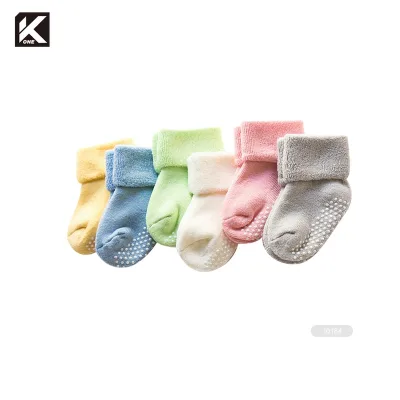
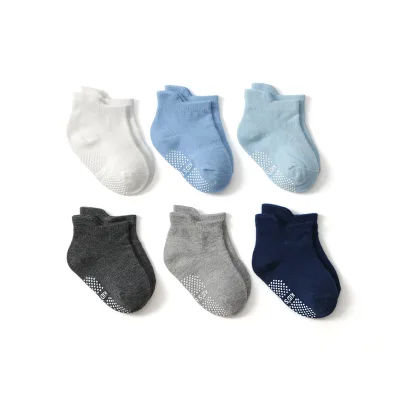

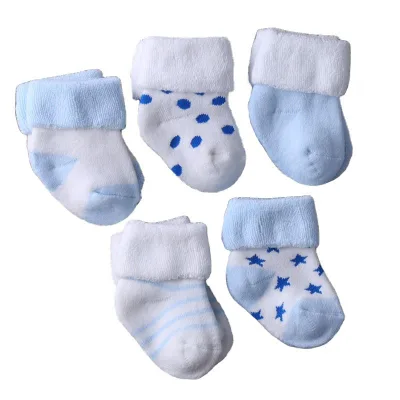


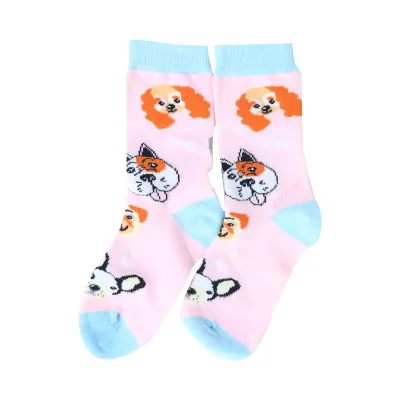
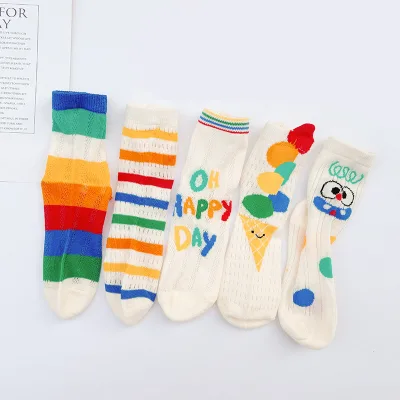
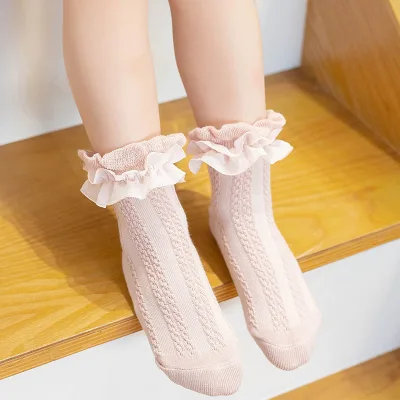
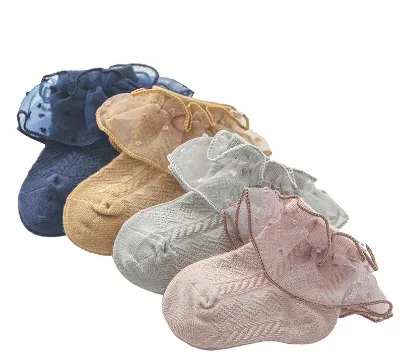
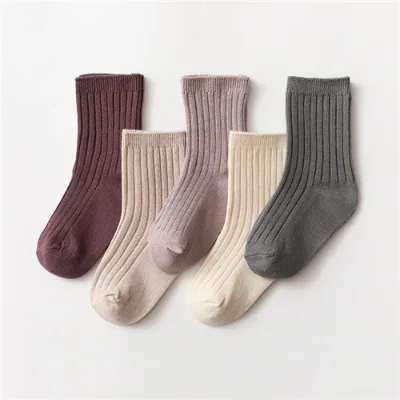


Comprehensive Sourcing Guide
Anti-Slip Korean Style Baby Socks Sourcing Guide
Procuring anti-slip Korean style baby socks requires identifying suppliers who offer specific customization capabilities for unique designs. The available market data confirms that customization is a standard feature, allowing buyers to request artwork or samples for the final product design. This flexibility is essential for brands seeking to differentiate their offerings in a competitive market where visual appeal drives purchasing decisions for infant and toddler apparel.
Buyers must also verify the seasonal adaptability of the inventory, as the observed listings include options for winter, spring, autumn, and summer conditions. The product attributes indicate a range of thickness levels, from normal to thickening, which directly impacts the suitability of the socks for different climates. Selecting the correct seasonal variant ensures that the final shipment meets the specific temperature requirements of the target market without compromising the anti-slip functionality.
Product Scope and Observed Listing Signals
The product scope encompasses a variety of styles including ankle, stockings, and general baby socks designed for infants and children. The observed listings highlight specific features such as anti-slip properties, breathability, and antibacterial treatments, which are critical for maintaining hygiene and safety during active play. These attributes suggest that the market offers solutions tailored to both the functional needs of growing babies and the aesthetic preferences of modern parents.
Listing signals indicate that the products are available in various sizes, with specific mentions of size S and unisex gender options. The packaging data reveals diverse configurations, ranging from individual polybagging to bulk export cartons containing 120 pairs. Understanding these packaging variations is vital for logistics planning, as the choice between single-pair packaging and bulk cartons will significantly influence shipping costs and retail presentation strategies.
Technical Specifications to Verify
Technical verification must begin with the material composition, as cotton is the primary fabric observed in the current listings. Buyers should confirm that the cotton blend meets specific softness and durability standards suitable for sensitive baby skin. Additionally, the thickness specification varies between normal and thickening options, requiring precise selection based on the intended seasonal use and the specific climate of the destination market.
The height of the socks is another critical technical parameter, with observations noting both low and middle height options. Ensuring the correct height is necessary to prevent the socks from slipping off or causing discomfort during movement. Furthermore, the model numbers such as BAT-B03 and SNJJ21052901 serve as unique identifiers that buyers must cross-reference to ensure they are ordering the exact configuration of features and dimensions required for their specific product line.
Compliance and Safety Documentation
Safety documentation is paramount when sourcing products for babies, particularly those with anti-slip features intended for active use. While the provided data mentions an average standard and custom standards, buyers must explicitly request test reports verifying that the anti-slip materials do not contain harmful substances. It is crucial to ensure that the antibacterial and breathable claims are backed by laboratory results that meet international safety regulations for infant textiles.
Buyers should also verify the origin of the products, as the data indicates manufacturing locations in China and specifically Zhejiang. Understanding the regulatory environment of the manufacturing region helps in anticipating potential compliance hurdles. Ensuring that the supplier can provide necessary documentation regarding the safety of the dyes and the structural integrity of the anti-slip grips is essential for maintaining brand reputation and avoiding regulatory penalties in the destination market.
Cost Drivers and Commercial Terms
Cost drivers in this category are heavily influenced by the level of customization and the specific material composition chosen. The ability to add custom logos on packages and the requirement for specific artwork designs can increase production costs compared to standard stock items. Buyers should analyze how these value-added services impact the unit price, especially when ordering in smaller quantities that may not benefit from economies of scale.
Commercial terms vary significantly, with observed minimum order quantities ranging from 20 to 3000 pairs and delivery times as short as 3-7 days. Payment methods such as TT and PayPal are available, but buyers must negotiate terms that align with their cash flow and risk management strategies. The packaging configuration, whether 10 pairs per polybag or bulk cartons, also affects the overall landed cost, making it a key factor in the final pricing calculation.
Supplier Qualification and Quality Control
Supplier qualification should focus on their ability to maintain consistent quality across different production runs, as the data notes a "High Quality" attribute for some items. Buyers must implement a rigorous quality control process to verify that the anti-slip features remain effective after washing and repeated use. This is particularly important for baby socks where safety is non-negotiable and any failure in the grip mechanism could lead to accidents.
Quality control checks should also include a verification of the packaging integrity, ensuring that the export cartons and polybags protect the socks during transit. The observed packing standards, such as brown cartons or specific polybag configurations, must be adhered to strictly to prevent damage. Establishing clear quality benchmarks with the supplier before production begins is essential to ensure that the final delivered goods match the approved samples and specifications.
Long-Term Procurement Checks
Long-term procurement success depends on maintaining a reliable supply chain that can adapt to changing seasonal demands and design trends. Buyers should regularly review the supplier's ability to deliver on time, given the observed lead times of 3-7 days, and ensure they can scale production up or down as market needs fluctuate. Consistent communication regarding inventory levels and production schedules will help prevent stockouts during peak seasons.
Continuous monitoring of product performance and customer feedback is necessary to validate the durability and comfort of the socks over time. Buyers should track any recurring issues related to the anti-slip features or material quality to address them proactively with the supplier. Building a partnership based on mutual trust and clear performance metrics will ensure a sustainable sourcing relationship that supports long-term business growth and brand loyalty.
FAQs
Can these baby socks be customized with my own design?
Yes, customization is available for these socks. You can provide your own artwork or samples for the design. The manufacturer supports custom logo printing on the package as well. This allows you to create a unique brand identity for your baby sock line while maintaining high quality standards.
What is the minimum order quantity for these socks?
The minimum order quantity is 120 pairs. This low MOQ makes it easier for new buyers to test the market. The product is available in various models like BAT-B03 and SNJJ21052901. Buyers can order small batches to evaluate quality before committing to larger volumes.
Are these socks suitable for winter use?
Yes, these socks are suitable for winter. Some models feature thickening materials for extra warmth. Other options are available for spring, autumn, or summer seasons. The cotton material ensures comfort, while anti-slip features provide safety for babies and children during colder months.
How are the socks packaged for export?
The socks are packaged in export cartons containing 120 pairs. Each pair is individually packed in a polybag for protection. The carton dimensions are typically 60x40x40 cm. This packaging ensures the products remain clean and organized during shipping and storage.
What features do these baby socks have?
These socks feature anti-slip and breathable properties. Some models include anti-bacterial materials for hygiene. They are designed for babies and children, with styles ranging from ankle to middle height. The cotton material ensures softness and comfort for sensitive skin.
Where are these socks manufactured?
These socks are manufactured in China, specifically in Zhejiang. The production follows average or custom standards depending on the order. The origin ensures access to high-quality cotton materials and efficient manufacturing processes for baby and children's socks.