Source Anti-Slip Jacquard Reading Room Carpet for Home Hotel Outdoor
Find 30 anti-slip jacquard reading room carpet options with customizable designs, needle-punched or woven techniques, and various thicknesses. Buyers can compare features like stain resistance, waterproofing, and material types for commercial, hotel, and home applications.
Key considerations
Products List

Anti Slip Living Room Polyester Jacquard Carpet for Hotel Flooring
$0.56 - $0.59
MOQ: 500 Square Meters


100% Polyester Double Colour Nonwoven Jacquard Carpet for Living Room
$0.56 - $0.59
MOQ: 500 Square Meters

Factory Directly Top Sale Double Color Jacquard Carpet for Living Room
$0.56 - $0.59
MOQ: 500 Square Meters

Anti Slip Flameproof Event Jacquard Carpet for Living Room Office
$0.56 - $0.59
MOQ: 500 Square Meters


Polyester Double- or Single-Color Nonwoven Jacquard Carpet for Living Room Wedding
$0.56 - $0.59
MOQ: 500 Square Meters

No Linting No Balling-up Double Color Jacquard Carpet for Living Room
$0.56 - $0.59
MOQ: 500 Square Meters


Double Jacquard Carpet Stylish and Functional Many Designs Carpet
$0.82 - $1.58
MOQ: 1000 Square Meters

100% Polyester Office Use Double Colors Polyester Jacquard Floor Carpet
$0.82 - $1.58
MOQ: 1000 Square Meters

Double Color Floor Mat Anti-Skidding Jacquard Carpet for Office and Stairs
$0.82 - $1.58
MOQ: 1000 Square Meters


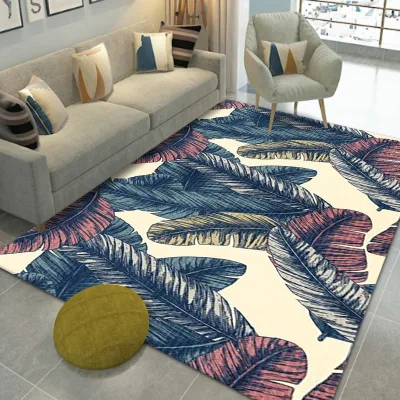
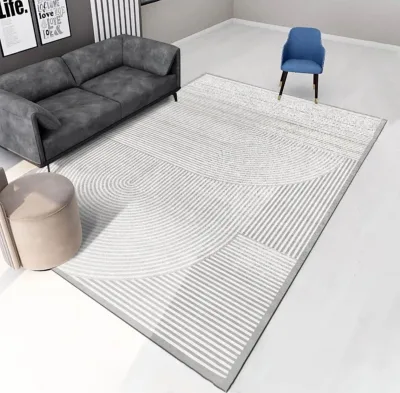
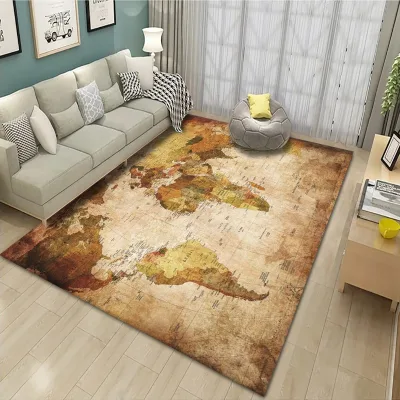

Comprehensive Sourcing Guide
Strategic Sourcing Guide for Anti-Slip Jacquard Reading Room Carpets
Understanding Technical Specifications and Material Composition
When sourcing anti-slip jacquard carpets specifically designed for reading rooms, buyers must first dissect the technical specifications that define product performance. The core keyword implies a need for a specific weaving technique, surface texture, and safety feature. Based on available market data, the Jacquard technique is a primary attribute for this category, distinguishing it from needle-punched or tufted alternatives. This weaving method allows for complex, high-definition patterns that are essential for the aesthetic requirements of a reading room, where visual appeal and texture depth contribute to a calming environment.
The material composition is equally critical. The supply chain data indicates that Chemical Fiber is the predominant material used for these products. This category often includes synthetic blends that offer durability and ease of maintenance. For the specific application of a reading room, the surface material is frequently noted as Pet (Polyester), which provides a soft underfoot feel suitable for barefoot use or light foot traffic. The backing material is a crucial differentiator for the "anti-slip" requirement. Data points confirm the use of PVC or TPR backing materials. These backings are engineered to provide the necessary friction against hard flooring surfaces, preventing the carpet from shifting during use, which is a safety imperative in any commercial or institutional setting.
Dimensions and physical properties vary significantly across suppliers. The standard width for these carpets is observed in the range of 1 meter to 4 meters, though some specifications list specific width standards like 40x60cm, 50x80cm, 60x90cm, or 90x120cm. Thickness is another variable that buyers must verify; observed ranges span from 1mm to 6mm, with specific models citing 5mm or 6mm as standard thicknesses. For a reading room, a thickness in the mid-range (approximately 5mm to 6mm) often balances comfort with stability, preventing the carpet from feeling too "squishy" while still providing acoustic dampening. The product form is listed as either Carpet or Rugs, and the design style is predominantly Modern or Custom Design, allowing for integration into various interior schemes.
Compliance, Certification, and Safety Verification
In the B2B procurement of textiles for public or commercial spaces like reading rooms, compliance and safety verification are non-negotiable. While the supplied product data does not explicitly list specific certification bodies or test results for every item, buyers must actively verify these aspects before placing orders. The presence of an Anti-Slip feature is a functional claim that requires validation. Buyers should request test reports confirming the coefficient of friction for the PVC/TPR backing to ensure it meets local building codes and safety standards for commercial flooring.
Regarding fire safety, which is often a primary concern in public buildings, the product attributes mention a Fire Proof model variant. However, this is a specific attribute of certain models rather than a universal guarantee for all listed products. Procurement teams must not assume that every "Jacquard carpet" listed is fire-resistant. Instead, buyers should explicitly request certification documents, such as those referencing ISO 105 or local fire safety standards, to verify the flame retardancy of the Chemical Fiber and Pet materials. The absence of a specific certification in a product listing should be treated as a gap in information, not as a pass/fail indicator.
Furthermore, the Cleaning & Maintenance attributes provide indirect clues about chemical compliance. Some listings mention Stain Resistant and Waterproof properties, while others note Disposable characteristics. For a reading room, where spills are a risk, Stain Resistant and Waterproof treatments are highly desirable. Buyers should inquire about the chemical treatments used to achieve these properties to ensure they do not release volatile organic compounds (VOCs) that could affect indoor air quality, a critical factor in spaces dedicated to reading and study. The Customization availability also extends to material safety; buyers can often request specific eco-friendly or low-VOC material options if the standard chemical fiber does not meet their sustainability goals.
Cost Drivers and Pricing Structure Analysis
The pricing structure for anti-slip jacquard carpets is influenced by several dynamic factors, including material costs, customization levels, and order volume. The observed price range in the market is broad, spanning from $0.56 to $75 USD per unit. This wide variance indicates that the unit price is not a static figure but is heavily dependent on the specific product model, size, and complexity of the design. Lower-priced items typically correspond to standard sizes, basic color options, and minimal customization, often utilizing standard PP Woven Bag or Film Bag packaging.
Conversely, the higher end of the price spectrum is driven by custom designs, specialized PVC/TPR backings, and larger dimensions. The Custom Design attribute allows buyers to tailor patterns to specific branding or interior themes, which inevitably increases the unit cost due to the setup and production time required for Jacquard looms. Additionally, the Thickness of the carpet is a significant cost driver. Thicker carpets (e.g., 6mm vs. 1mm) require more raw material and potentially more complex backing processes, pushing the price upward.
Order volume plays a pivotal role in cost management. The MOQ (Minimum Order Quantity) range is observed between 5 and 1000 units. Buyers purchasing small quantities, perhaps for a single reading room pilot, will face a higher per-unit cost and may be limited to standard models. To achieve cost efficiency, buyers should aim for volumes that allow them to negotiate better rates, potentially leveraging the 30% TT, 70% at Sight of BL Copy payment terms to manage cash flow while securing bulk pricing. It is essential to note that the Lead Time of 14 Days After Deposit is a fixed operational parameter for many suppliers; rushing an order beyond this window may incur expedited fees, further impacting the total cost of ownership.
Typical Applications and Functional Suitability
While the core keyword focuses on "reading rooms," the versatility of anti-slip jacquard carpets allows for a broader application scope. The product attributes list usage scenarios including Hotel, Home, Commercial, Outdoor, Decoration, and Bath. For a reading room application, the Home and Commercial categories are the most relevant. In a commercial setting, such as a library, university, or corporate lounge, the Anti-Slip feature is vital for safety, preventing accidents in high-traffic areas. The Modern design style aligns well with contemporary institutional interiors, offering a professional yet inviting atmosphere.
The Usage data also highlights Outdoor applications, which suggests a level of durability and weather resistance in some models. However, for indoor reading rooms, the Stain Resistant and Waterproof attributes are more pertinent. These features ensure that the carpet can withstand accidental spills from beverages or cleaning agents without degrading. The Disposable cleaning attribute mentioned in some listings is less suitable for permanent reading room installations, as it implies a single-use or short-lifecycle product. Buyers should prioritize models with Stain Resistant and Waterproof capabilities for long-term use.
Furthermore, the Product Form of Rugs or Carpet allows for flexible installation. In a reading room, large area rugs can define specific zones, such as a quiet corner or a group study area, without the need for wall-to-wall installation. The Custom Size option is particularly valuable here, allowing buyers to fit the carpet precisely to the room's dimensions or specific furniture arrangements. The Plain, Rib, and Fire Proof model variations offer additional functional choices; for instance, a ribbed texture might provide better traction for barefoot users, while a plain weave might be easier to clean.
Supplier Evaluation and Operational Due Diligence
Selecting the right supplier requires a rigorous evaluation process that goes beyond the initial product listing. Buyers should scrutinize the Production Origin, which is consistently listed as China for these products. While this indicates a specific manufacturing hub, it necessitates a deeper dive into the supplier's logistical capabilities and quality control systems. The Packing methods vary, ranging from PP Woven Bag to Film Bag and Carton. For international shipping, the Carton or PP Woven Bag options are generally more robust, protecting the Jacquard pattern and PVC/TPR backing from moisture and physical damage during transit.
The Payment terms, specifically 30% TT, 70% at Sight of BL Copy, are standard in the industry but require careful financial planning. Buyers must ensure their internal processes can handle the 70% payment upon the presentation of the Bill of Lading, which signifies that the goods are in transit. This term protects the buyer by ensuring payment is only made after the goods have shipped, but it also requires trust in the supplier's ability to deliver on time. The Delivery lead time of 14 Days After Deposit is a critical operational metric. Buyers must factor this into their project timelines, ensuring that the carpet arrives well before the scheduled opening of the reading room to allow for installation and off-gassing if necessary.
When evaluating suppliers, buyers should verify the consistency of the Customization process. Since Custom Design and Customized colors are available, the supplier must demonstrate a reliable workflow for handling bespoke orders. This includes the ability to provide digital proofs, manage color matching for Chemical Fiber materials, and ensure that the Jacquard weaving process accurately reproduces the requested pattern. The Model numbers, such as AK-JC016129 or BEIDI-01, serve as specific identifiers, but buyers should not rely solely on these codes. Instead, they should request physical samples to verify the Thickness, Surface Material, and Anti-Slip performance firsthand.
Quality Control and Long-Term Procurement Considerations
Quality control (QC) is the final gatekeeper in the procurement process for anti-slip jacquard carpets. Given the variation in Thickness (from 1mm to 6mm) and the reliance on Chemical Fiber and Pet materials, consistency is key. Buyers should establish a QC protocol that includes checking for weaving defects, ensuring the PVC/TPR backing is evenly applied, and verifying the Anti-Slip properties. The Standard width of 1m-4m or specific sizes like 40x60cm must be strictly adhered to; any deviation can lead to installation issues, especially in large commercial spaces.
Long-term procurement considerations extend beyond the initial purchase. The Cleaning & Maintenance attributes, such as Stain Resistant and Waterproof, are not just initial features but long-term performance indicators. Buyers should inquire about the recommended cleaning agents and methods to ensure the Anti-Slip backing does not degrade over time. A carpet that loses its grip after a few months of cleaning is a liability. Additionally, the Customization aspect offers a strategic advantage for future expansion. If a buyer starts with a small order for a single reading room, they can later scale up to a larger order for multiple rooms using the same Custom Design, ensuring brand consistency and potentially securing better pricing through volume.
The Product Form of Rugs or Carpet also impacts long-term maintenance. Rugs are easier to replace or rotate if they become worn, whereas wall-to-wall carpets require more invasive removal. For a reading room, where comfort and acoustics are paramount, the Thickness of 5mm or 6mm should be maintained consistently across all units to ensure a uniform experience. Finally, buyers should maintain a relationship with the supplier to monitor any changes in Material composition or Technics. The textile industry is dynamic, and suppliers may switch from PVC to TPR or alter the Chemical Fiber blend. Staying informed about these changes ensures that the procurement strategy remains aligned with the evolving needs of the reading room environment.
Summary of Key Procurement Parameters
To facilitate a streamlined decision-making process, the following table summarizes the critical parameters identified in the sourcing guide. This comparison highlights the variability and specific requirements buyers must address when sourcing anti-slip jacquard reading room carpets.
| Parameter | Observed Range/Options | Procurement Action Required |
|---|---|---|
| Technics | Jacquard, Needle Punched | Verify Jacquard for pattern complexity; confirm anti-slip backing. |
| Material | Chemical Fiber, Pet (Surface) | Request material safety data sheets (MSDS) for VOC compliance. |
| Backing | PVC, TPR | Test coefficient of friction for anti-slip performance. |
| Thickness | 1mm - 6mm (Common: 5mm, 6mm) | Select 5-6mm for comfort; verify consistency across batch. |
| Width/Size | 1m-4m (Standard) or Custom | Confirm exact dimensions for room fit; check custom sizing fees. |
| MOQ | 5 - 1000 Units | Negotiate MOQ based on project scale; consider consolidation. |
| Lead Time | 14 Days After Deposit | Plan logistics to accommodate fixed production window. |
| Payment | 30% TT, 70% at Sight of BL | Ensure internal approval for 70% post-shipment payment. |
| Customization | Available (Design, Color, Size) | Provide detailed specs for custom orders; request digital proofs. |
| Packing | PP Woven Bag, Film Bag, Carton | Specify Carton for international shipping to prevent damage. |
By adhering to these structured guidelines and verifying the specific attributes against the supplied product facts, buyers can secure high-quality, compliant, and cost-effective anti-slip jacquard carpets that meet the unique demands of reading room environments.
FAQs
What material is used for anti-slip jacquard reading room carpets?
Chemical fiber, often specifically PET, is the primary surface material used for these carpets. The backing typically consists of PVC or TPR to ensure the anti-slip performance required for safe reading room environments.
How thick are the available anti-slip jacquard reading room carpets?
Thickness varies from 1mm to 6mm depending on the specific model selected. Standard options often include 5mm or 6mm thickness to provide a balance of comfort and stability for indoor use.
Can the size and design of these carpets be customized?
Yes, customization is available for both size and design to meet specific project needs. Buyers can request custom dimensions ranging from 40x60cm up to 4m width and select from modern or custom designs.
What is the typical lead time for ordering these carpets?
The standard delivery time is 14 days after the deposit is received. This timeline applies to most orders, though expedited options may vary based on supplier capacity and specific customization requirements.
Which payment terms are commonly accepted for these orders?
The standard payment structure involves a 30% TT deposit followed by 70% payment at sight of the Bill of Lading copy. This term is widely used to secure orders while protecting buyer interests.
What cleaning and maintenance features do these carpets offer?
Many models feature stain-resistant and waterproof properties for easy maintenance in commercial or home settings. Some specific variants may also offer disposable characteristics, though stain resistance is preferred for long-term use.
What is the minimum order quantity for these carpets?
The minimum order quantity ranges from 5 to 1000 units depending on the supplier and product model. Lower MOQs allow for smaller pilot orders, while larger volumes may secure better pricing tiers.