Source anti-slip leather women loafers for work, travel, and daily wear
Explore 30 listings of anti-slip leather women loafers featuring varied heel heights, sole materials, and customization options. Buyers can compare specifications like waterproofing, shock absorption, and MOQs to find suitable suppliers for bulk orders.
Key considerations
Products List


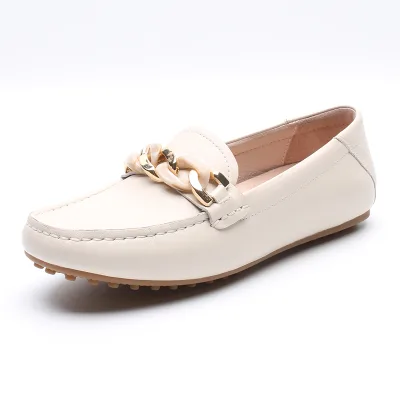
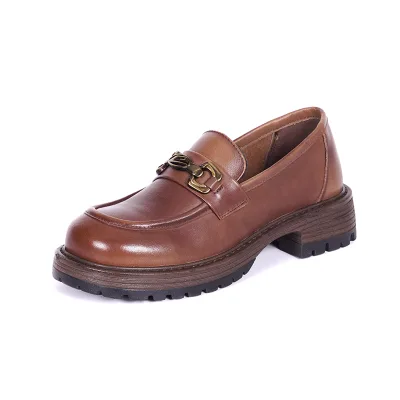


Women's Handcrafted Style Loafers with Beads, Suede Upper and Wide Fit Comfort
$8.70 - $13.70
MOQ: 400 Pairs


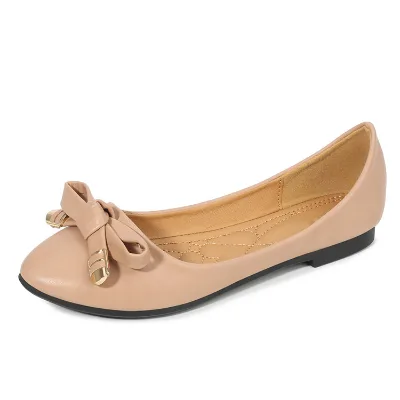
Loafers for Women Comfortable Pointed Toe PU Slip-Ons Flats Leather Shoes Lady
$3.65 - $3.96
MOQ: 10 Pairs

Modern Chic Slip-on Shoes - Comfortable Classic Loafers for Fashion Lovers
$2.50 - $3.50
MOQ: 1200 Pairs


Chic Trendy Slip-on Shoes - Classic Modern Loafers for Effortless Fashion
$2.50 - $3.50
MOQ: 1200 Pairs


Comfortable Trendy Slip-Ons - Elegant Loafers for Effortless Fashion Style
$2.50 - $3.50
MOQ: 1200 Pairs



Comprehensive Sourcing Guide
Anti-Slip Leather Women Loafers Sourcing Guide
Sourcing anti-slip leather women loafers requires a nuanced understanding of the diverse product landscape available from manufacturers, particularly those based in China. The market presents a wide array of options that vary significantly in material composition, construction methods, and functional design. Buyers must navigate between products explicitly labeled as leather and those utilizing synthetic alternatives, while also distinguishing between true waterproof capabilities and standard water-resistant finishes. The observed data indicates a broad spectrum of offerings, ranging from traditional flat loafers to more specialized designs featuring mid-heels or specific anti-slip technologies. This diversity necessitates a rigorous verification process to ensure that the selected supplier can meet the specific technical and aesthetic requirements of your brand.
The procurement strategy must account for the variability in minimum order quantities (MOQs) and production timelines, which can impact inventory planning and cash flow. Listings show MOQs ranging from as low as 500 pairs to as high as 1200 pairs, with delivery dates extending up to 45 days. These commercial terms are not uniform across all suppliers and often correlate with the complexity of the customization requested, such as OEM logo application or specific packaging requirements. Understanding these operational constraints is critical for aligning supplier capabilities with your supply chain demands, ensuring that you can secure consistent supply without overcommitting to large inventory volumes that may not sell through.
Product Scope and Observed Listing Signals
The product scope for women’s loafers in this category is defined by a mix of material claims and functional attributes that buyers must carefully dissect. While the core keyword emphasizes leather, the observed listings include products with upper materials made from synthetic leather, fabric, and even Flyknit, indicating that "leather" in supplier descriptions may sometimes refer to the visual style rather than the material composition. Buyers should verify the actual material content, as some products are explicitly described as having synthetic leather uppers or fabric linings, while others claim genuine leather materials. This distinction is crucial for pricing accuracy and for meeting specific brand positioning strategies, whether they focus on premium natural materials or durable, cost-effective synthetics.
Functional signals such as anti-slip design and waterproofing capabilities vary significantly across the observed listings. Some products feature anti-slip blades or protrusions on rubber or PVC outsoles, while others rely on EVA foam for shock absorption and anti-slip properties. Waterproofing is another key differentiator, with some products explicitly marketed as waterproof and others noted as not waterproof. Additionally, heel heights range from flat to mid-heel, and closure patterns include elastic bands and Velcro, suggesting that the "loafer" style is being adapted for various use cases, from casual wear to more active or practical scenarios. Buyers must align these observed features with their target customer’s needs, ensuring that the functional benefits match the intended use environment.
Technical Specifications to Verify
Verifying technical specifications is essential to ensure that the final product meets quality and performance expectations. Key areas of focus include the outsole material, which directly impacts durability and traction. Listings show outsoles made from EVA, rubber, and PVC, each offering different levels of grip and wear resistance. For anti-slip performance, the design of the outsole, such as the presence of blades or protrusions, should be evaluated against relevant safety standards. Additionally, the insole material, often listed as PU or cotton fabric, affects comfort and breathability, which are critical for women’s footwear. Buyers should request physical samples to assess the tactile quality of these materials and their integration into the shoe’s overall structure.
Construction details, such as the presence of hand-made elements and the type of upper material, also require close scrutiny. While some products are described as hand-made, others may be machine-produced, affecting both the aesthetic finish and the consistency of the product. The toe style, typically round in the observed listings, should be verified for fit and comfort, especially given the size ranges provided, which span from 36 to 44 in Chinese sizing. Furthermore, the shock absorption technology, whether EVA foam or air cushion, should be tested for its effectiveness in reducing impact during wear. These technical details collectively determine the product’s longevity and user satisfaction, making them non-negotiable points for verification during the sourcing process.
Compliance and Safety Documentation
Compliance and safety documentation are critical for mitigating risk and ensuring that the products meet regulatory requirements in the target market. Buyers must verify that suppliers can provide relevant test reports for materials, particularly regarding the presence of harmful substances in leather, synthetic materials, and adhesives. While specific certification statuses are not provided in the observed data, buyers should inquire about compliance with international standards such as REACH in Europe or CPSIA in the United States, depending on the destination. This due diligence is essential to avoid customs delays, product recalls, or legal liabilities associated with non-compliant footwear.
Safety documentation should also cover the anti-slip performance of the outsoles, especially if the products are marketed for use in environments where slip resistance is a key selling point. Buyers should request data from independent testing laboratories to validate the anti-slip claims, such as those made for products with anti-slip blades or protrusions. Additionally, if the products are claimed to be waterproof, buyers should verify the testing methods used to confirm this attribute, ensuring that the claims are substantiated by reliable data. This level of scrutiny helps build trust with consumers and protects the brand’s reputation for quality and safety.
Cost Drivers and Commercial Terms
Cost drivers for anti-slip leather women loafers include material selection, customization options, and order volume. The choice between genuine leather, synthetic leather, and fabric uppers significantly impacts the unit cost, as does the complexity of the anti-slip design and the type of sole material. Customization, such as OEM logo printing or embroidery, adds to the production cost and may require additional setup fees. Buyers should negotiate these costs transparently, ensuring that they understand the breakdown of expenses to avoid hidden charges that can erode profit margins.
Commercial terms, including MOQs, payment terms, and lead times, also play a crucial role in the overall cost structure. The observed MOQs range from 500 to 1200 pairs, with payment terms typically involving TT or L/C. Lead times can extend up to 45 days, which requires careful planning to align with inventory needs and market demand. Buyers should also consider the packaging options, such as box or polybag, as these can affect shipping costs and product protection. By understanding these commercial variables, buyers can optimize their procurement strategy to balance cost efficiency with supply chain reliability.
Supplier Qualification and Quality Control
Supplier qualification is a foundational step in ensuring a successful sourcing partnership. Buyers should assess suppliers based on their production capacity, quality management systems, and track record in exporting women’s footwear. Given that the observed products originate from China (Mainland), buyers should verify the supplier’s ability to handle international logistics and comply with export regulations. Requesting references from other international clients can provide insights into the supplier’s reliability and responsiveness, helping to identify potential risks before committing to a large order.
Quality control measures must be rigorously enforced throughout the production process. Buyers should implement pre-production, during-production, and pre-shipment inspections to ensure that the products meet the agreed-upon specifications. This includes checking the consistency of materials, the accuracy of sizing, and the integrity of the anti-slip features. For products with customization elements, such as OEM logos, buyers should verify that the branding is applied correctly and durably. Establishing clear quality standards and communication channels with the supplier is essential for maintaining product consistency and addressing any issues that may arise during production.
Long-Term Procurement Checks
Long-term procurement checks involve continuous monitoring of supplier performance and market trends to ensure sustained value. Buyers should regularly review supplier metrics, such as on-time delivery rates, defect rates, and responsiveness to issues, to identify areas for improvement. Building a strong relationship with the supplier can facilitate better communication and more flexible terms over time, which is beneficial for adapting to changing market demands. Additionally, staying informed about advancements in materials and manufacturing technologies can help buyers identify opportunities for product innovation and cost savings.
Market analysis is also crucial for long-term success. Buyers should monitor consumer preferences for women’s loafers, including trends in materials, styles, and functional features, to ensure that their product offerings remain relevant. This includes tracking shifts in demand for sustainable materials, such as eco-friendly leather alternatives, or new anti-slip technologies that enhance safety and comfort. By combining supplier performance data with market insights, buyers can make informed decisions that support the growth and competitiveness of their footwear business in the long run.
FAQs
Can I customize the logo on these loafers?
Yes, customization is available for the logo on these products. You can choose from printed, embroidered, or OEM options to match your brand identity. This flexibility allows for unique designs while maintaining the quality standards of the footwear.
What is the minimum order quantity for these shoes?
The minimum order quantity varies by supplier, with observed ranges from 500 to 1200 pairs. Some listings specify 1000 pairs as a standard requirement, while others may accept orders starting at 500 pairs depending on the specific manufacturer and product model.
How long does it take to receive a sample?
Sample delivery typically takes between 12 to 21 days depending on the supplier. Some manufacturers require 12 to 15 days for production, while others may need up to 21 days to prepare and ship the sample units to your location.
Are these loafers waterproof or water-resistant?
Product listings show mixed attributes where some models are waterproof while others are not. Buyers should verify the specific product model, as some variants feature waterproof capabilities while others do not include this protection in their design.
What materials are used for the upper and lining?
The upper materials include Flyknit, Synthetic Leather, and Fabric, while the lining is often made of Cotton Fabric. The insole typically uses PU material, and the sole may be constructed from EVA or PVC depending on the specific shoe model.
Which payment terms are accepted for bulk orders?
Standard payment terms include T/T or L/C for securing bulk orders. These financial arrangements are commonly accepted by suppliers to ensure secure transactions for international trade and large volume purchases of the footwear products.
What is the typical delivery lead time for production?
The standard delivery date for production is approximately 45 days from order confirmation. This timeline accounts for manufacturing, quality control, and packaging processes required to fulfill the order before shipping the goods to the destination.