Source Anti-Slip S2 Steel Screwdriver Bits for Repair, Assembly, and Maintenance
Compare 30 listings of anti-slip s2 steel screwdriver bits featuring high hardness and various surface treatments. Buyers can evaluate options for professional repair, industrial assembly, and general maintenance tasks with different packing and certification standards.
Key considerations
Products List






Comprehensive Sourcing Guide
Anti-Slip S2 Steel Screwdriver Bits Sourcing Guide
Sourcing high-performance screwdriver bits requires a disciplined approach to material verification and surface treatment analysis. The core keyword "anti-slip s2 steel screwdriver bits" points to a specific intersection of metallurgical hardness and mechanical grip, essential for professional repair environments. Buyers must distinguish between marketing terminology and verifiable physical attributes, particularly when evaluating the "anti-slip" claim against observed product features like knurled handles or specific surface textures. The procurement strategy must prioritize tools that demonstrate consistent hardness and reliable torque transmission, ensuring that the investment yields long-term durability in industrial or DIY settings.
This guide provides a structured framework for evaluating suppliers based on observed market data and trusted category knowledge. It focuses on the critical decision points for B2B buyers, including material grade verification, compliance documentation, and commercial terms. By adhering to these evidence-based criteria, procurement teams can mitigate risks associated with substandard materials, inconsistent manufacturing processes, and non-compliant safety standards. The objective is to establish a clear, repeatable process for selecting suppliers who can deliver professional-grade hand tools that meet rigorous quality and performance expectations.
Product Scope and Observed Listing Signals
The observed product landscape reveals a diverse range of screwdriver bits and sets, with prices ranging from $0.02 to $100 USD and minimum order quantities (MOQs) spanning from 1 to 10,000 units. This wide variance indicates a market segmented by volume, customization, and quality tier. Buyers should note that "Common" sizes and standard lengths such as 25mm, 50mm, 75mm, 100mm, and 150mm are frequently listed, alongside extended ranges up to 240mm. The presence of both individual bits and sets (e.g., 18pc) suggests flexibility in procurement, allowing buyers to tailor orders to specific inventory needs or project requirements.
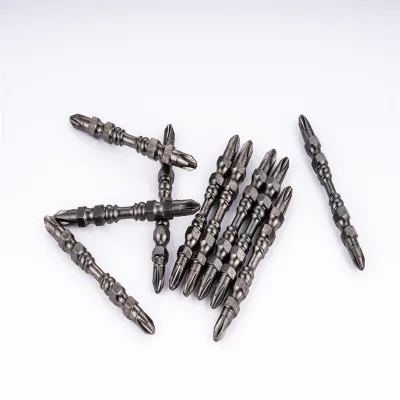
Key product attributes observed include S2 steel construction, which is a high-quality alloy known for its toughness and resistance to wear. Surface treatments vary, with manganese phosphate, nickel plating, sandblasting, and black oxide finishes commonly cited. These treatments are critical for corrosion resistance and grip, directly supporting the "anti-slip" characteristic. Additionally, features like Phillips screw heads, 1/4 inch hex shanks, and metallic or pure-colored handles are prevalent. Buyers must verify that the "anti-slip" claim is substantiated by these surface treatments or structural designs, rather than relying solely on product titles.
Technical Specifications to Verify
Material grade is the most critical technical specification for screwdriver bits, with S2 steel being a preferred choice for professional applications due to its superior hardness and impact resistance. The observed hardness range of 58-62 HRC aligns with professional-level standards, ensuring that the bits can withstand high torque without stripping or breaking. Buyers should request mill certificates or material test reports to verify that the steel meets S2 specifications, as lower-grade steels may appear similar but fail under stress. The "Professional Level" quality grade observed in listings further supports the need for rigorous material verification.
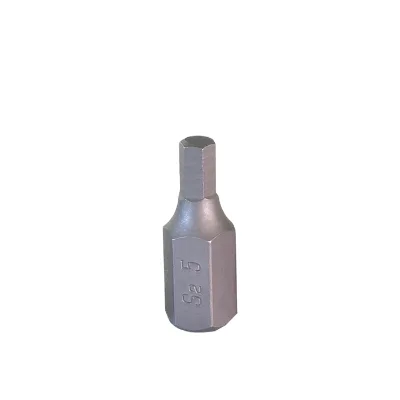
Structural and dimensional specifications must also be carefully evaluated to ensure compatibility with existing tools and applications. The hex shank size, typically 1/4 inch or 6.35mm, is a standard interface that must match the driver’s chuck. Surface treatments like manganese phosphate or sandblasting contribute to the "anti-slip" performance by increasing friction between the bit and the screw head. Buyers should inspect samples for consistent finish quality and check for features like magnetic tips, which can improve usability in tight spaces. The "Unadjustable" and "Straight Type" structures observed indicate standard, fixed-length bits, which are common for general-purpose repair tasks.
Compliance and Safety Documentation
Compliance with international standards is essential for ensuring the safety and reliability of hand tools. Certifications such as GS, CE, SGS, and BSCI have been observed in product listings, indicating that some suppliers adhere to specific safety and social compliance requirements. Buyers should verify the validity of these certifications by requesting copies of the certificates and checking their expiration dates. The presence of DIN and ANSI standards in product descriptions suggests that the tools may conform to recognized dimensional and performance benchmarks, which is crucial for interoperability and quality assurance.
Documentation should also include material safety data sheets (MSDS) and test reports for surface treatments, particularly if the tools are used in environments with strict chemical or environmental regulations. Buyers should inquire about the supplier’s quality management systems and whether they conduct regular internal audits. The "GS" certification, in particular, is a mark of safety tested by a recognized body, providing additional assurance for end-users. Ensuring that all compliance documentation is up-to-date and verifiable helps mitigate legal and reputational risks associated with product liability.
Cost Drivers and Commercial Terms
Cost drivers for screwdriver bits include material costs, surface treatment processes, packaging, and order volume. S2 steel is more expensive than standard carbon steel, contributing to a higher base price for professional-grade bits. Surface treatments like nickel plating or manganese phosphate add to the manufacturing cost but enhance durability and performance. Packaging options, ranging from bulk packing to plastic boxes and blister packs, also influence the final price, with more elaborate packaging typically commanding a premium. Buyers should evaluate the total cost of ownership, considering factors like tool lifespan and replacement frequency, rather than focusing solely on unit price.
Commercial terms such as MOQ, lead time, and payment terms are critical for supply chain planning. Observed MOQs range from 1 to 10,000 units, offering flexibility for both small-scale and large-volume buyers. Lead times of 10-30 days are common, allowing for adequate production and shipping planning. Buyers should negotiate clear terms for sample availability, as free samples can be a valuable tool for quality verification. OEM and ODM services are available, enabling customization of handles, packaging, and branding, which can be advantageous for private label programs.
Supplier Qualification and Quality Control
Supplier qualification should begin with a thorough review of their manufacturing capabilities and quality control processes. Buyers should assess whether the supplier has in-house production facilities or relies on third-party manufacturers, as this impacts consistency and traceability. The observed "Professional Level" quality grade and "Anti Slip Bits" features suggest that some suppliers specialize in high-performance tools. Buyers should request information on their quality control protocols, including incoming material inspections, in-process checks, and final product testing.
Quality control measures should include random sampling and stress testing to verify hardness, torque resistance, and surface finish durability. Buyers should also evaluate the supplier’s ability to provide consistent product quality across large orders, as variations in material or processing can lead to performance issues. The availability of OEM/ODM services indicates a level of flexibility and customer focus, which can be beneficial for long-term partnerships. Establishing clear quality expectations and communication channels with the supplier is essential for maintaining product integrity.
Long-Term Procurement Checks
Long-term procurement success depends on continuous monitoring of supplier performance and product quality. Buyers should establish key performance indicators (KPIs) such as defect rates, delivery accuracy, and responsiveness to issues. Regular audits and feedback loops can help identify areas for improvement and ensure that the supplier remains aligned with quality standards. The observed "OEM Available" and "Service: OEM/ODM" attributes suggest that suppliers are open to collaboration, which can facilitate ongoing product development and customization.
Buyers should also stay informed about industry trends and technological advancements in screwdriver bit design and materials. This includes monitoring changes in standards, such as ISO 1173, and adapting procurement strategies accordingly. Building a diversified supplier base can mitigate risks associated with single-source dependencies and ensure continuity of supply. By maintaining a proactive approach to supplier management and quality assurance, buyers can secure a reliable supply of high-performance screwdriver bits that meet their operational needs.
FAQs
What material is used for these anti-slip screwdriver bits?
The bits are manufactured from S2 steel, which provides high hardness and durability for professional use. This material ensures the tools can withstand significant torque without deforming during heavy-duty repair tasks.
Which certifications do these screwdriver bits hold?
These products hold GS, CE, SGS, and BSCI certifications to ensure safety and quality compliance. Buyers can verify these standards when sourcing professional-grade hand tools for industrial or commercial applications.
Can I request custom packaging for bulk orders?
Yes, customization is available for packaging options including bulk packing, blister packing, and plastic box packing. Suppliers offer flexible solutions to meet specific branding or logistical requirements for large-scale distribution.
What is the typical delivery time for these tools?
The standard delivery time ranges from 10 to 30 days depending on order volume and supplier capacity. This lead time applies to orders placed with manufacturers located in China who produce these professional hand tools.
How are the screwdriver bits hardened for durability?
The bits achieve a hardness rating of 58-62HRC through specialized heat treatment processes. This high hardness ensures the tools maintain their shape and performance during repeated use in adult repair applications.
What surface treatments are applied to the bits?
Surface treatments include manganese phosphate, nickel plating, sandblasting, and black oxide finishes. These processes enhance corrosion resistance and provide a secure grip for anti-slip performance during operation.
Are free samples available for testing these bits?
Free samples are available for buyers to test the quality and functionality before placing large orders. This service allows purchasers to verify the S2 steel grade and anti-slip features firsthand.