Source Anti-Slip Step Aluminum Alloy Ladder for Industrial Use
Find 30 anti-slip step aluminum alloy ladder options from Chinese suppliers. Compare models like AL01 and HL-11.060, featuring high-quality aluminum alloy construction, customizable sizes, and heavy-duty bearing capacities for industrial and domestic applications; compare the available evidence and request quotations based on your requirements.
Updated
Key considerations
Products List

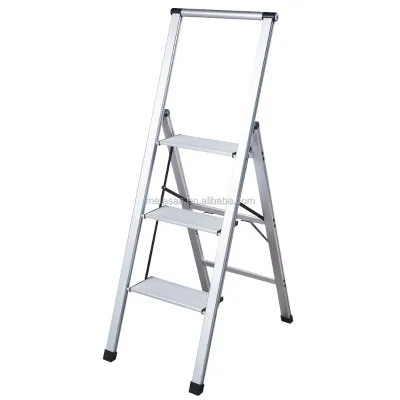


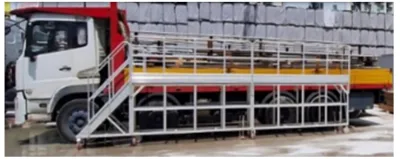
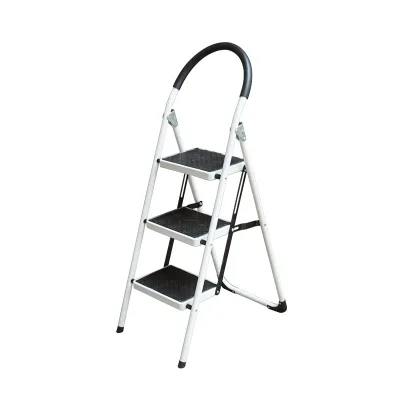
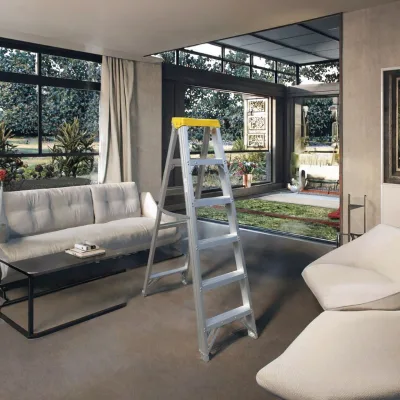


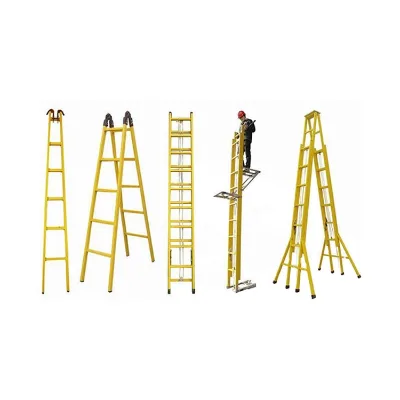
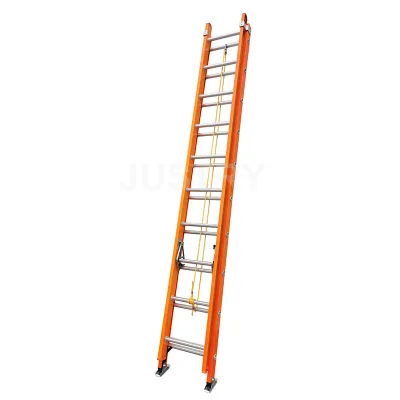
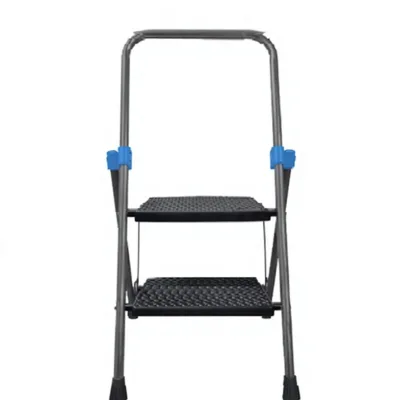
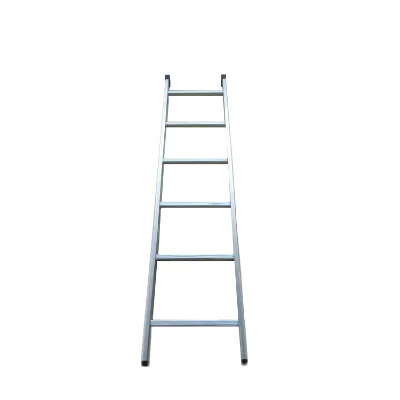
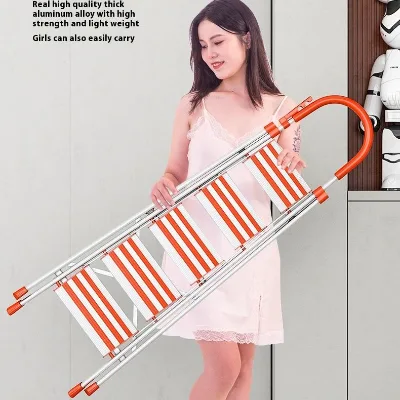
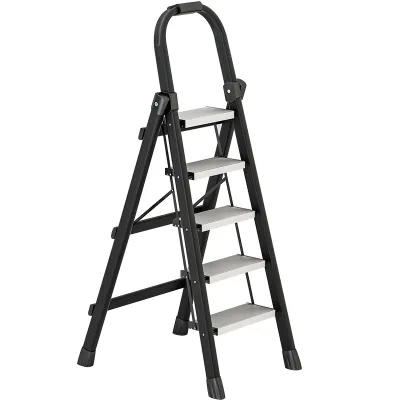
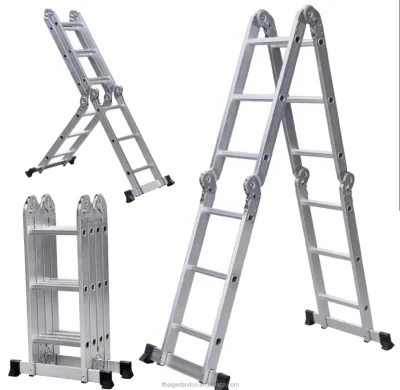
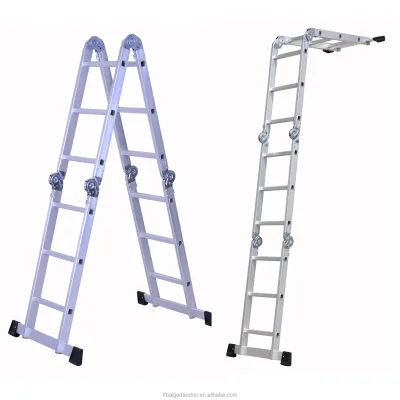
Multipurpose Durable Aluminum Ladder Convenient Folding Ladder Commerce Home Use Ladder
$23.0638 - $24.7977
MOQ: 105 pieces
Comprehensive Sourcing Guide
Anti-Slip Step Aluminum Alloy Ladder Sourcing Guide
Procuring anti-slip step aluminum alloy ladders requires a disciplined approach to balancing structural integrity with ergonomic safety features. Buyers must prioritize materials that offer high strength-to-weight ratios while ensuring the step surfaces provide adequate traction for industrial and domestic environments. The observed market signals indicate a wide range of customization options, from specific bearing weights to tailored dimensions, which necessitates clear technical definitions before engaging with suppliers. Understanding these baseline signals helps procurement teams filter out generic listings and focus on vendors capable of meeting precise operational demands.
The diversity in product attributes, such as folding mechanisms and insulation properties, suggests that a one-size-fits-all approach is ineffective for specialized procurement. Buyers should evaluate whether the ladder’s primary function aligns with their specific use case, whether it involves loading heavy machines or general indoor access. By analyzing the observed listing signals, such as the availability of OEM/ODM services and customizable colors, purchasers can identify suppliers who offer flexibility without compromising on the core structural requirements of the aluminum alloy construction.
Product Scope and Observed Listing Signals
The current market landscape for aluminum ladders reveals a broad spectrum of product types, ranging from heavy-duty industrial models to domestic folding ladders. Observed listings highlight products with bearing capacities extending up to twenty tons, indicating that some suppliers cater to extreme industrial applications involving forklifts or excavators. Conversely, other listings focus on standard step ladders with five steps, suitable for indoor use with loading capacities exceeding one hundred and fifty kilograms. This divergence underscores the importance of clearly defining the intended application to avoid mismatched procurement outcomes.
Customization is a dominant feature in the observed data, with many suppliers offering tailored sizes, colors, and packaging solutions. Buyers can expect options for wooden box packaging, PE film wrapping, or bulk shipments based on specific logistical needs. The presence of model numbers like AL01 and HL-11.060 suggests that suppliers maintain distinct product lines for different market segments. Procurement teams should leverage these variations to negotiate terms that align with their volume requirements, keeping in mind that minimum order quantities can range from a single piece to two hundred units depending on the customization level.
Technical Specifications to Verify
When evaluating technical specifications, buyers must verify the material composition and structural design to ensure long-term durability. The supplied facts indicate the use of high-quality aluminum alloy, which is critical for maintaining strength while minimizing weight. It is essential to confirm the specific alloy grade and thickness, as these factors directly influence the ladder’s load-bearing capacity and resistance to corrosion. Additionally, the structure type, whether it is a step ladder or a folding ladder, must be validated against the user’s mobility and storage requirements to ensure optimal functionality in the target environment.
Insulation properties and safety features are equally critical technical aspects that require rigorous verification. Some observed listings specify non-insulated ladders, while others mention insulation capabilities, which is a vital distinction for electrical work environments. Buyers should also check the pedal configuration and anti-slip features to ensure they meet the necessary safety standards for the intended use case. Verifying the model number and specific design parameters, such as the AFT-8S or HL-M02, helps in cross-referencing technical datasheets and ensuring that the product matches the exact engineering requirements of the procurement project.
Compliance and Safety Documentation
Compliance with international and regional safety standards is non-negotiable when sourcing aluminum ladders for professional use. The observed data mentions certifications such as ISO and GBT, which serve as baseline indicators of quality management systems. However, buyers must verify if the specific ladder model complies with relevant structural standards, such as EN131, which is critical for ensuring stability and safety during operation. Requesting valid test reports and certification documents from suppliers is essential to confirm that the product has undergone rigorous safety assessments and meets the legal requirements of the destination market.
Warranty and after-sales service terms provide additional layers of protection and assurance for procurement teams. The observed listings show warranty periods ranging from one to three years, which reflects the supplier’s confidence in their product’s durability. Buyers should carefully review the scope of these warranties, including coverage for structural defects and component failures. Furthermore, understanding the availability of online service support can significantly impact the total cost of ownership by reducing downtime and maintenance expenses. Clear documentation of these terms ensures that risks are mitigated and responsibilities are well-defined.
Cost Drivers and Commercial Terms
Several key factors influence the final cost of aluminum alloy ladders, with customization being a primary driver. Products with customized sizes, colors, or specific packaging requirements often incur higher unit prices due to the additional manufacturing steps involved. Buyers should assess whether standard models can meet their needs to optimize costs, or if the benefits of customization justify the premium. Additionally, the supply ability of the supplier, which can reach up to one hundred thousand pieces per month, may offer economies of scale for large-volume orders, potentially reducing the per-unit cost through bulk pricing agreements.
Commercial terms, including minimum order quantities and delivery times, play a significant role in budget planning and inventory management. The observed MOQ ranges from one piece to two hundred pieces, offering flexibility for both small-scale and large-scale procurement. Delivery times typically span twenty-five to thirty days, which buyers must account for in their supply chain planning. Understanding these terms allows procurement teams to negotiate favorable payment structures and align delivery schedules with project timelines, ensuring that cash flow is managed effectively and operational needs are met without delay.
Supplier Qualification and Quality Control
Supplier qualification is a critical step in ensuring the reliability and consistency of aluminum ladder procurement. Buyers should verify the supplier’s manufacturing capabilities, including their production facilities in locations such as Changzhou, Guangdong, and Qingdao. Assessing the supplier’s ability to handle OEM/ODM requests indicates their flexibility and technical expertise. It is also important to review their quality control processes, including material inspections and final product testing, to ensure that every unit meets the specified standards before dispatch.
Quality control measures should extend to the packaging and shipping phases to prevent damage during transit. The observed packaging options, ranging from wooden boxes to PE film, suggest that suppliers have varied capabilities in protecting their products. Buyers should specify packaging requirements that align with the fragility of the aluminum components and the logistics chain. Additionally, verifying the supplier’s track record and customer feedback can provide insights into their reliability and responsiveness. Establishing a robust quality control framework helps mitigate risks and ensures that the procured ladders perform as expected in the field.
Long-Term Procurement Checks
Long-term procurement success depends on establishing continuous performance monitoring and relationship management with suppliers. Buyers should implement regular audits and feedback loops to assess the ongoing quality and reliability of the aluminum ladders. Tracking metrics such as defect rates, delivery punctuality, and after-sales service responsiveness can highlight areas for improvement and inform future purchasing decisions. Maintaining open communication channels with suppliers facilitates timely resolution of issues and fosters a collaborative environment that supports continuous improvement.
Adapting to market changes and technological advancements is essential for staying competitive in the ladder procurement landscape. Buyers should stay informed about new materials, design innovations, and regulatory updates that may impact product specifications. Regularly reviewing the supplier’s product portfolio can reveal opportunities for upgrading to more efficient or safer models. By proactively managing these long-term factors, procurement teams can ensure that their aluminum ladder supply chain remains resilient, cost-effective, and aligned with evolving operational needs.
FAQs
What customization options are available for aluminum ladders?
Customization is available for size, color, and packaging details. Buyers can request specific dimensions and choose from customizable colors like blue or white. Packaging can be arranged in wooden boxes, PE film, or bulk as per customer requirements to meet unique project needs.
Which certifications do these aluminum ladders hold?
The products hold ISO and Gbt certifications. Some models also comply with the EN131 standard. These certifications ensure the ladders meet recognized safety and quality benchmarks for industrial and domestic applications involving heavy machinery loading.
How long is the delivery time for orders?
The standard delivery time ranges from 25 to 30 days. This timeline applies to the manufacturing and dispatch process from origins in Changzhou, Guangdong, Qingdao, or Changsha. Buyers should plan their procurement schedules accordingly to ensure timely arrival.
What is the minimum order quantity for these ladders?
The minimum order quantity varies between 1 piece and 100 pieces depending on the specific supplier and model. Some listings accept single items while others require a batch of 100. Buyers should verify the specific MOQ with the chosen vendor before placing an order.
Can these ladders be used for heavy machinery loading?
Yes, these ladders are designed for loading heavy machines like forklifts and excavators. They feature bearing weights ranging from 1 to 20 tons. The high-quality aluminum alloy construction ensures stability and safety during heavy-duty operations in various industrial environments.
What warranty periods are offered for aluminum step ladders?
Warranty periods vary between 1 year and 3 years depending on the specific product model and supplier. Some heavy-duty customized models offer a 3-year warranty, while others provide a standard 1-year coverage. Buyers should confirm the exact terms with the manufacturer.
Where are these aluminum ladders manufactured?
Manufacturing origins include Changzhou, Jiangsu, Guangdong, Qingdao, and Changsha in China. The products are dispatched from ports like Foshan, Shenzhen, or Shantou. These locations indicate a strong supply chain presence in key Chinese industrial regions for efficient logistics.