Source Anti-Slippery Cushioning Gladiator Sandal for Beach, Home, and Outdoor
Explore 30 listings for the anti-slippery cushioning gladiator sandal designed for beach, home, and outdoor use. Buyers can compare features like rubber outsoles, adjustable straps, and various sizes ranging from 35 to 45 EUR across multiple color options.
Key considerations
Products List
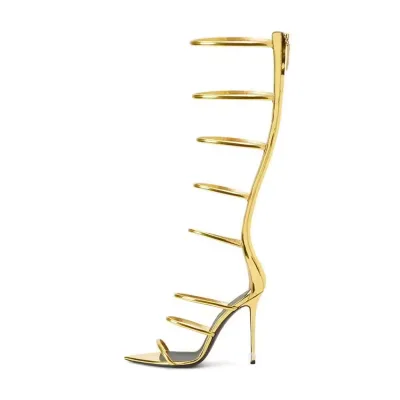
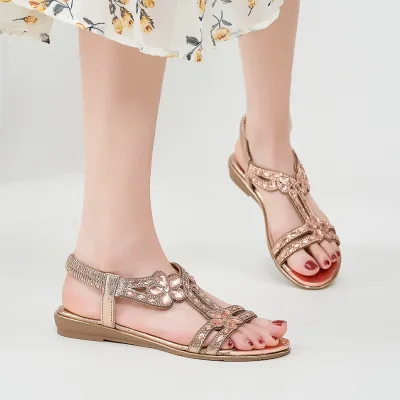


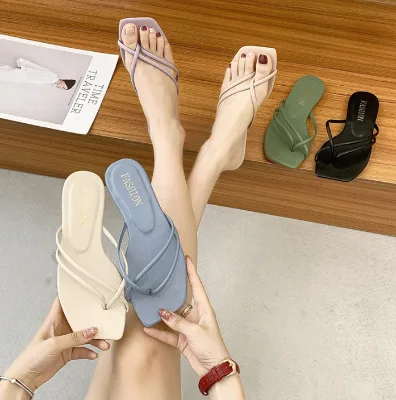


Breathable PU Sandals for Men with Adjustable Straps and Cushioned Footbed
$11.00 - $12.50
MOQ: 400 Pairs


Comprehensive Sourcing Guide
Strategic Sourcing Guide for Anti-Slippery Cushioning Gladiator Sandals
Understanding Product Specifications and Design Variations
The procurement of anti-slippery cushioning gladiator sandals requires a precise understanding of the technical specifications that define this footwear category. Based on the available product data, the term "gladiator" in this context often overlaps with specific design elements such as T-straps, ankle straps, and cross-strap configurations. These sandals are frequently categorized under broader styles including Fisherman, Slides, and Outdoor footwear, indicating a versatile design intended for both casual and semi-active use. The construction typically features an open toe style, which is a defining characteristic of the gladiator aesthetic, though some variations may include closed toe or peep toe designs depending on the specific model number, such as SHE016 or YS058.
Material composition is a critical factor in achieving the desired balance between durability and comfort. The upper lining material is predominantly Polyurethane (PU), which offers a flexible and durable surface that mimics leather while remaining lightweight. The outsole material is consistently specified as rubber, a non-negotiable attribute for ensuring the "anti-slippery" performance required for outdoor and beach applications. The rubber outsole is engineered to provide traction on various surfaces, including wet environments like seabeaches or home floors. The cushioning aspect is often achieved through specific design features like air cushion technology, arch support, and shock-resistant properties. Some models explicitly list features such as "Light Weight," "Cushioned," and "Comfort," which are essential for extended wear.
The color palette for these sandals is extensive, ranging from standard neutrals like Black, White, Grey, and Brown to vibrant options including Blue, Pink, Yellow, Red, and Purple. Some listings indicate a "Multi" color option or specific patterns like Plaids, allowing buyers to target diverse consumer preferences. The closure types vary significantly across the product range, with options including Slip-On, Lace-up, and Adjustable Straps. The adjustable strap feature is particularly relevant for gladiator styles, as it allows for a customized fit around the ankle and foot, enhancing stability and the anti-slip functionality. The heel type is generally flat, with some variations featuring a slope or specific heel shapes designed to increase height without compromising the flat, stable base necessary for anti-slip performance.
Compliance Verification and Certification Standards
When sourcing footwear from international markets, particularly from regions like Sichuan, China, verifying compliance and certification status is paramount for risk mitigation. While the supplied product data does not explicitly confirm that every listed item holds specific certifications, buyers must independently verify the presence of recognized standards before finalizing orders. The background context suggests potential relevance for certifications such as CE, ISO 9001:2015, ISO 14001, BSCI, FSC, and ISO 27001. However, these should be treated as verification targets rather than guaranteed attributes of the inventory.
Buyers should request valid test reports and certification documents directly from the supplier to confirm that the anti-slip properties of the rubber outsoles meet international safety standards. The "Anti-Slip" and "Slip Resistant" features listed in the product attributes are functional claims that require empirical validation. A compliant supplier should be able to provide test results demonstrating that the outsole friction coefficient meets specific thresholds for wet and dry conditions. Furthermore, the "Anti-Odor," "Anti-static," and "Antimicrobial" features listed in the product descriptions suggest the use of specific treatments or materials. Buyers must verify that these claims are backed by laboratory testing rather than marketing assertions.
Environmental and social compliance is another critical area. If the product claims to be "Recyclable" or "Evergreen," the supplier should provide documentation regarding the sustainability of the materials used, such as the PU lining and rubber outsoles. Certifications like FSC or ISO 14001 would be relevant if the supply chain involves sustainable forestry or environmental management, though these are not explicitly confirmed in the product listings. Similarly, social compliance certifications like BSCI are essential for ensuring ethical labor practices, especially given the "Hand Made" attribute found in some listings. Buyers should insist on proof of these certifications to align with corporate social responsibility (CSR) goals and to avoid supply chain disruptions due to non-compliance.
Cost Drivers and Pricing Structure Analysis
The pricing structure for anti-slippery cushioning gladiator sandals is influenced by a complex interplay of material costs, labor intensity, and customization requirements. The observed price range in the market spans from 1 to 24.64 USD, a wide variance that reflects differences in quality, brand positioning, and order volume. Several key factors drive these costs. First, the material composition plays a significant role; high-quality rubber outsoles and durable PU linings generally command higher prices than lower-grade alternatives. The inclusion of specialized features such as "Air Cushion," "Arch Support," or "Lighted" elements also increases the manufacturing cost.
Labor intensity is another major cost driver. The "Hand Made" attribute indicates that certain models require manual assembly, which is more expensive than fully automated production processes. This is particularly relevant for sandals with intricate strap designs, such as the gladiator or cross-strap styles, which require precise stitching and assembly. The "Customized brand" and "Customization: Available" attributes suggest that buyers requesting private labeling or specific design modifications will incur additional costs. These customizations often involve setup fees, mold charges, and higher minimum order quantities (MOQs).
The MOQ range observed from 1 to 2000 units significantly impacts the unit price. Buyers purchasing small quantities, such as single items or low-volume orders, will likely face higher per-unit costs. Conversely, larger orders can leverage economies of scale to reduce the price per pair. The packaging requirements also affect the final cost; products listed with "Box" packing or specific single package sizes (e.g., 30X20X11 cm) may have different logistics costs compared to bulk-packed items. Additionally, the weight of the product, ranging from 1.500 kg to 2.000 kg per single gross weight, influences shipping costs, which should be factored into the total landed cost calculation.
Typical Applications and Market Segmentation
Anti-slippery cushioning gladiator sandals are designed for a wide array of applications, catering to diverse market segments. The primary use cases identified in the product data include "Beach," "Seabeach," "Home," and "Outdoor" environments. The "Outdoor" and "Slides" classifications suggest suitability for casual wear in various settings, from poolside lounging to light hiking or walking on uneven terrain. The "Anti-Slip" and "Slip Resistant" features make these sandals particularly valuable for wet environments, such as bathrooms, pool decks, and beach areas, where traction is critical for safety.
The "Summer, Spring, Autumn" seasonality indicates that these products are primarily intended for warm-weather markets. However, the "Cushioned" and "Comfort" features also make them suitable for extended wear in indoor settings, such as homes or retail environments. The "Unisex" gender classification expands the potential market to include both men and women, while the "Korean Style" and "Fashion Trend" attributes suggest a strong appeal to consumers seeking contemporary, stylish footwear. The "Height Increasing" feature adds a functional benefit for consumers looking to enhance their stature, while the "Massage" and "Arch Support" features cater to those prioritizing foot health and comfort.
The versatility of the design allows for segmentation across different consumer needs. For example, the "Sporty" and "Air Cushion" models may appeal to active consumers who require support during light physical activities. The "Fashion Trend" and "Plaids" pattern options target style-conscious buyers who prioritize aesthetics. The "Disposable: Non-Disposable" attribute confirms that these are durable goods intended for long-term use, distinguishing them from single-use footwear. This durability makes them suitable for retail, wholesale, and e-commerce channels, where customers expect products to withstand regular wear and tear.
Supplier Evaluation and Quality Control Protocols
Selecting the right supplier is crucial for ensuring the quality and reliability of anti-slippery cushioning gladiator sandals. Buyers should evaluate suppliers based on their ability to meet technical specifications, maintain consistent quality, and adhere to compliance standards. The "Place of Origin: Sichuan, China" indicates a specific manufacturing hub, but buyers must verify the specific factory capabilities rather than relying solely on regional generalizations. Key evaluation criteria include the supplier's production capacity, quality control processes, and ability to handle customization requests.
Quality control protocols should be established early in the sourcing process. Buyers must verify that the supplier has a robust system for inspecting raw materials, such as the PU lining and rubber outsoles, to ensure they meet the specified standards. In-process inspections are essential to catch defects in stitching, strap alignment, and cushioning integrity before the final product is completed. Final inspections should focus on the "Anti-Slip" performance, ensuring that the outsole provides adequate traction in both wet and dry conditions. The "Single gross weight" and "Single package size" specifications should also be verified to ensure consistency across batches, as variations can indicate quality control issues.
Buyers should also assess the supplier's ability to handle customization. The "Customized brand" and "Adjustable Straps" features suggest that many orders may require specific modifications. Suppliers with flexible production lines and experienced design teams are better equipped to handle these requests without compromising quality. Additionally, buyers should verify the supplier's track record for on-time delivery and their ability to manage lead times, which can vary based on order volume and complexity. Requesting samples and conducting third-party audits can provide valuable insights into the supplier's capabilities and reliability.
Long-Term Procurement Considerations and Strategic Planning
Sourcing anti-slippery cushioning gladiator sandals requires a long-term strategic approach to ensure supply chain resilience and cost efficiency. Buyers should consider the scalability of their orders, the potential for product innovation, and the evolving market trends. The "Recyclable" and "Evergreen" attributes suggest a growing demand for sustainable products, and buyers should prioritize suppliers who are committed to environmental responsibility. This includes verifying the sustainability of materials and the efficiency of production processes.
Strategic planning also involves managing the relationship with suppliers to foster collaboration and continuous improvement. Regular communication and feedback loops can help identify areas for optimization, such as reducing packaging waste or improving the cushioning technology. Buyers should also monitor market trends to anticipate changes in consumer preferences, such as shifts in color popularity or design styles. The "Fashion Trend" and "Korean Style" attributes indicate that the market is dynamic, and suppliers must be agile enough to adapt to these changes.
Finally, buyers should consider the total cost of ownership, including logistics, tariffs, and potential risks. The "Single package size" and "Single gross weight" data are essential for calculating shipping costs and optimizing container utilization. Buyers should also evaluate the risk of supply chain disruptions and develop contingency plans to mitigate these risks. By taking a holistic approach to procurement, buyers can secure a reliable supply of high-quality anti-slippery cushioning gladiator sandals that meet the needs of their customers while maintaining profitability and sustainability.
FAQs
What materials are used for the lining and outsole?
The lining material is PU and the outsole is made of rubber. This combination provides flexibility and durability while ensuring the anti-slip performance required for outdoor and beach use.
Which sandal types are included in this category?
Available types include Ankle Strap, T-Strap, Fisherman, Gladiator, Slides, and Cross-strap designs. These styles often feature open toes and adjustable straps for a secure fit.
Can buyers request customized branding for these sandals?
Yes, customized branding is available for many models. Buyers should confirm specific requirements with the supplier as customization may affect minimum order quantities and production timelines.
What is the typical price range for these sandals?
The observed price range spans from 1 to 24.64 USD per unit. Final costs depend on order volume, material quality, and whether custom packaging or branding is requested.
Which sizes are available for these gladiator sandals?
EUR sizes range from 35 to 43, with some models offering customized sizing. Specific size availability varies by model number, so verify the exact list with the supplier.
Where are these sandals manufactured?
The place of origin is Sichuan, China. Buyers should verify the specific factory location and production capacity to ensure it meets their sourcing and logistics requirements.
What features ensure comfort and safety for the wearer?
Features include arch support, cushioning, anti-slip soles, and shock resistance. These elements make the sandals suitable for extended wear in wet or uneven environments.