Find anti-slippery cowboy boots for ranch work, hiking, and daily wear
Source 30 listings of anti-slippery cowboy boots with features like EVA foam shock absorption and genuine leather linings. Buyers can compare models FT-1068 and FT-1123 for styles ranging from casual to vintage, including options with ankle zippers and round or sharp toes.
Key considerations
Products List


Green Camouflage Forest Boots, Anti Slip and Wear-Resistant All Season Boots
$12.00 - $20.00
MOQ: 500 Pairs
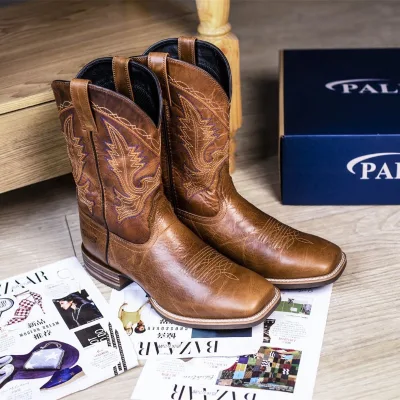
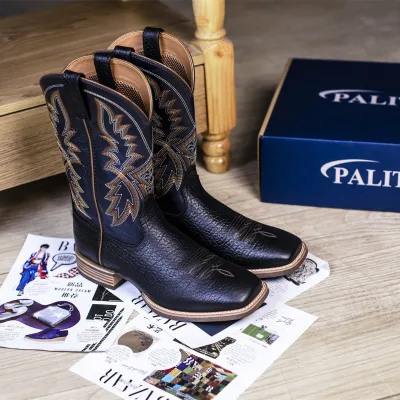
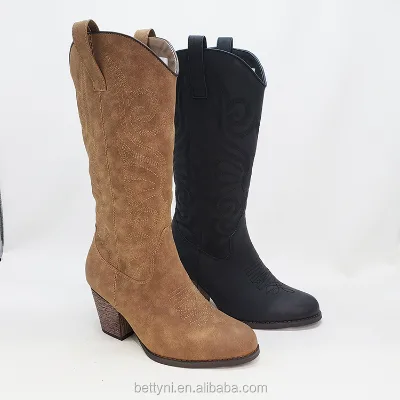
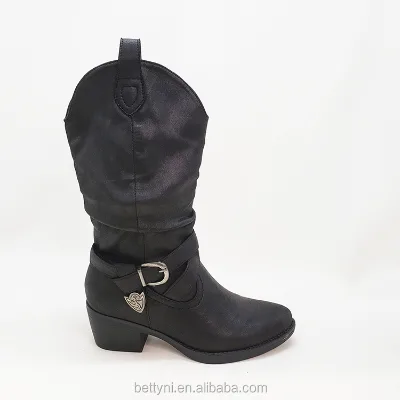
New Design Western Cowboy Boots for Lady Low Heel Women Fashion Booties
$11.50 - $11.90
MOQ: 300 pairs


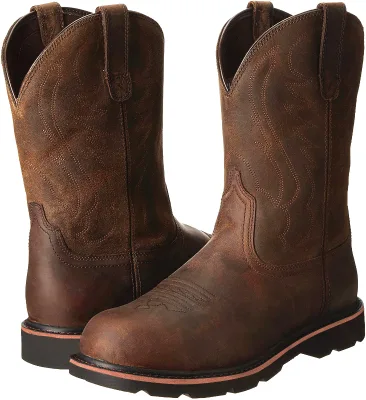
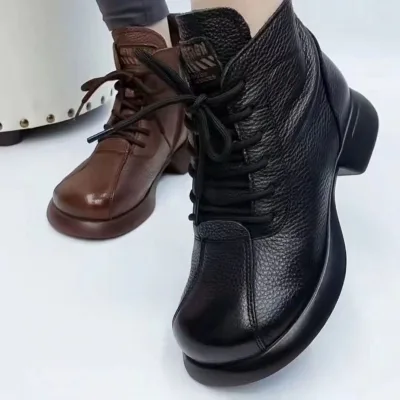
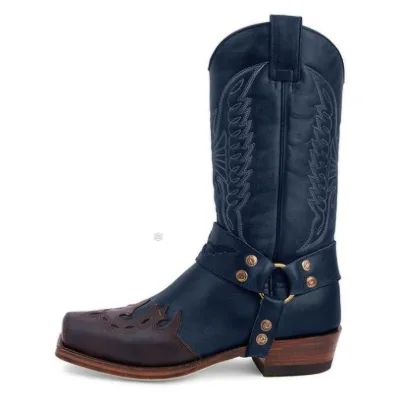
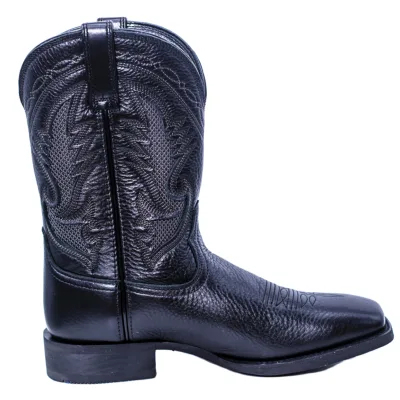
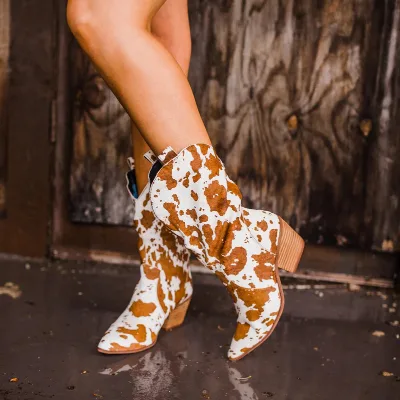
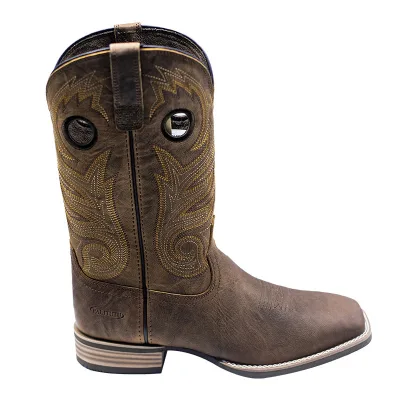
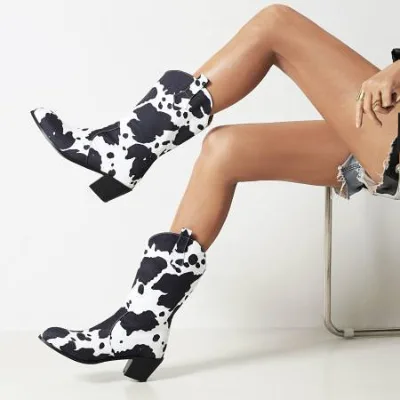
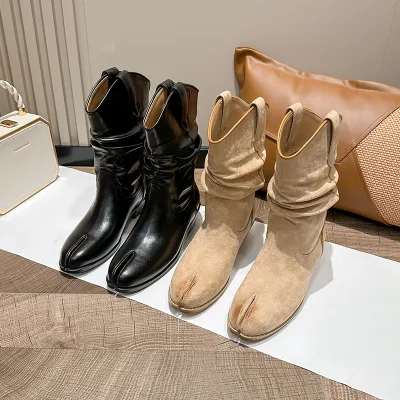

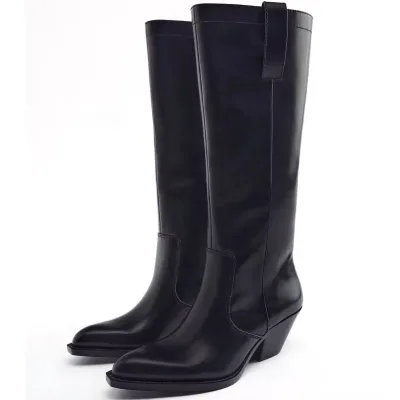
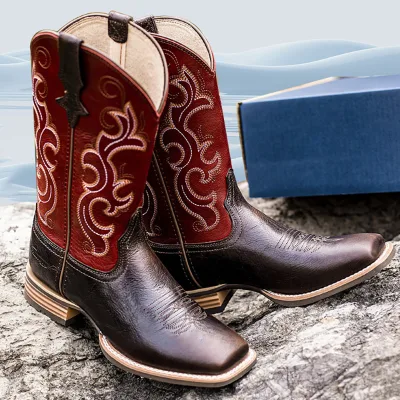
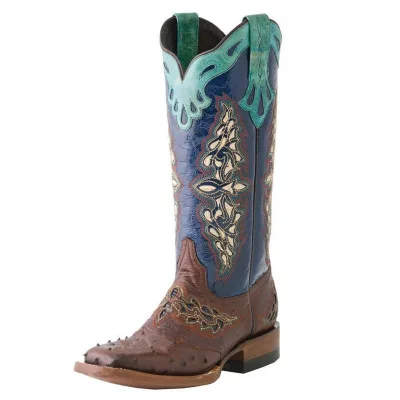

Cowboy Boots Women Pointed Toe Heeled Women Black Western Knee High Long Boots
$32.00 - $40.00
MOQ: 20 Pairs


Comprehensive Sourcing Guide
Strategic Sourcing Guide for Anti-Slippery Cowboy Boots
The global B2B market for footwear has seen a significant surge in demand for specialized work and leisure boots that combine traditional aesthetics with modern safety features. For procurement officers and sourcing managers, the core keyword "anti-slippery cowboy boots" represents a niche yet growing segment where style meets functional necessity. These boots are designed to offer the rugged, Western-inspired silhouette while addressing critical safety concerns regarding traction on varied surfaces. Sourcing this category requires a disciplined approach that balances aesthetic requirements with rigorous performance verification. The following guide outlines the essential technical, compliance, and operational factors buyers must evaluate to secure a reliable supply chain for this specific footwear category.
Technical Specifications and Material Composition
When evaluating anti-slippery cowboy boots, the primary technical differentiator lies in the outsole design and the material composition of the upper and lining. The supplied product data indicates that high-confidence observations for this category include specific traction features such as "Anti-slip Grooves" which are engineered to channel debris and water away from the contact patch. This design element is critical for maintaining grip on wet or oily surfaces, a common requirement in both industrial and casual environments.
The material selection is equally vital for durability and comfort. Observations from the current market supply suggest that genuine leather is a prevalent choice for the lining material, offering breathability and a premium feel against the skin. The upper material is frequently identified as leather, which provides the necessary structural integrity and water resistance properties, although buyers must verify specific waterproof claims on a per-SKU basis as some listings indicate "Not Waterproof" while others claim "Waterproof." The insole material is often rubber or EVA foam, the latter providing essential shock absorption for extended wear.
Furthermore, the heel height and toe style vary significantly across different models. Buyers should expect to encounter options ranging from "Flat" to "Low Heel" configurations, catering to different ergonomic needs. The toe style is not monolithic; the market offers "Round," "Sharp," and "Fish Mouth" variations. Understanding these distinctions is crucial for aligning the product with the specific use case, whether it is for heavy-duty labor requiring a reinforced toe or for fashion-forward leisure wear where a "Fish Mouth" or "Sharp" toe might be preferred.
Compliance, Certification, and Safety Standards
In the B2B procurement of safety footwear, compliance is not merely a formality but a prerequisite for market entry and liability protection. While the supplied data does not list specific third-party certifications like ISO or ASTM for every SKU, buyers must actively verify that the anti-slip properties meet the relevant regional standards. The "Anti-slip Grooves" mentioned in product attributes are a design feature, but the actual coefficient of friction (COF) must be validated against standards such as ISO 20344 or ASTM F2913, depending on the target market.
Buyers should request test reports from suppliers that specifically address the "Anti-skid design" claims. The presence of "EVA Foam" for shock absorption is a positive indicator for comfort, but it does not automatically confer slip resistance. The verification process should include checking if the supplier conducts internal or external testing for slip resistance on wet, oily, and dry surfaces. Additionally, if the boots are marketed as "Waterproof," the buyer must ensure that the manufacturing process includes seam sealing or membrane integration that has been tested to relevant water penetration standards.
The "Quality" attribute listed in the data ranges from standard to "High-Quality, High-End, Top-Quality." This variation suggests that certification levels may differ between product lines. Procurement teams should not assume that all "High-Quality" listings possess the same level of compliance. Instead, the procurement strategy must involve a direct request for certification documents and a clear definition of the required safety thresholds before placing any order.
Cost Drivers and Pricing Dynamics
The pricing for anti-slippery cowboy boots is influenced by a complex interplay of material costs, manufacturing complexity, and customization requirements. The observed price range in the market spans from $6.22 to $107.83 USD, a wide variance that reflects differences in material quality, labor intensity, and brand positioning. The lower end of this spectrum likely corresponds to boots with synthetic leather uppers or simplified construction, while the higher end typically features genuine leather, hand-made construction, and advanced anti-slip technologies.
A significant cost driver is the "Hand Made" attribute observed in the product data. Boots that are handcrafted generally command a premium due to the labor-intensive nature of the process, which often results in higher durability and better finishing. Conversely, machine-made boots may offer lower unit costs but could lack the same level of craftsmanship. The "Customization" availability is another major factor. Suppliers offering "Custom Wholesale Dropshipping" and "Accept Customized Logo" services will likely have higher minimum order quantities (MOQs) or higher unit costs due to the setup and tooling required for branding and design changes.
The MOQ range observed is between 1 and 1000 units. This flexibility allows buyers to test the market with small batches or scale up to large orders. However, the unit price will inevitably decrease as the order volume increases, a standard economic principle in manufacturing. Buyers must also consider the "prod_packing" specifications, such as "Shoesbox" or "1 Pair in 1 Box, 10 Boxes in 1 Carton," as packaging costs can impact the landed cost, especially for international shipping.
Typical Applications and Use Cases
The versatility of anti-slippery cowboy boots makes them suitable for a diverse range of applications. The "Style" attributes observed, including "Leisure," "Vintage," "Warm," "Casual," and "Fashion," indicate that these boots are not limited to industrial settings. They are increasingly popular in the hospitality industry, where staff require footwear that is both stylish and safe for wet kitchen floors. The "Female" and "Male" gender options, along with "Unisex" models, ensure that these boots can be sourced for mixed-gender workforces or retail collections targeting specific demographics.
In the agricultural and construction sectors, the "Anti-slip Grooves" and "Low Heel" or "Flat" designs provide necessary stability on uneven terrain. The "Round" toe style is often preferred in these environments for its protective qualities, while the "Fish Mouth" or "Sharp" toes might be reserved for fashion applications where safety is secondary to aesthetics. The "Breathable" and "Anti-microbial" features listed in the product attributes are particularly valuable for workers who spend long hours on their feet, helping to maintain foot health and hygiene.
The "Service" attribute of "Custom Wholesale Dropshipping" suggests that these boots are also viable for e-commerce retailers looking to fulfill orders directly to consumers without holding inventory. This model is particularly effective for brands that want to offer a curated selection of cowboy boots without the overhead of a physical warehouse.
Supplier Evaluation and Selection Criteria
Selecting the right supplier for anti-slippery cowboy boots requires a rigorous evaluation process that goes beyond price comparison. The "prod_origin" data points to Guangzhou, China, and general China origins, indicating that the majority of the supply chain is concentrated in this region. Buyers should verify the supplier's manufacturing capacity and quality control systems, as the "Hand Made" claim implies a reliance on skilled labor which can be a bottleneck during peak seasons.
Key evaluation criteria should include the supplier's ability to provide samples for testing, their responsiveness to customization requests, and their track record for on-time delivery. The "prod_model" variations, such as FT-1068, FT-1063, and smb130, suggest a diverse product portfolio. Buyers should assess whether the supplier can consistently maintain quality across different models. The "prod_standard" dimensions, such as "56cm32cm11cm" for packaging, should be verified to ensure they align with the buyer's logistics and storage requirements.
Additionally, the "Close Pattern" of "Ankle Zipper" is a specific feature that requires precise manufacturing. Buyers should inspect samples to ensure that the zippers function smoothly and do not compromise the structural integrity of the boot. The "Element" of "Lace" in some models adds another layer of complexity to the production process, requiring attention to detail in stitching and eyelet reinforcement.
Quality Control and Long-Term Procurement Strategy
Implementing a robust quality control (QC) protocol is essential for mitigating risks associated with footwear procurement. Given the variation in "Quality" attributes from standard to "High-Quality," buyers should establish clear acceptance criteria before production begins. This includes visual inspections for stitching defects, material consistency checks for leather and lining, and functional tests for the anti-slip grooves.
For long-term procurement, building a strategic partnership with the supplier is more beneficial than transactional buying. The availability of "Custom Wholesale Dropshipping" and "Accept Customized Logo" services suggests that suppliers are willing to collaborate on brand development. Buyers should leverage this by negotiating exclusive designs or prioritized production slots in exchange for volume commitments.
The "prod_packing" specifications, such as "1 Pair in 1 Box, 10 Boxes in 1 Carton," should be standardized to optimize shipping efficiency. Consistent packaging reduces the risk of damage during transit and simplifies inventory management. Furthermore, buyers should monitor the "prod_origin" and "lead times" closely, as geopolitical factors or supply chain disruptions can impact the availability of raw materials like leather and rubber.
Comparison of Key Product Attributes
To assist buyers in making informed decisions, the following table summarizes the key attributes observed in the anti-slippery cowboy boots market, highlighting the variability that must be managed during the sourcing process.
| Attribute Category | Observed Variations | Procurement Consideration |
|---|---|---|
| Material | Genuine Leather (Lining), Leather (Upper), Rubber (Insole) | Verify authenticity of leather; check for synthetic alternatives for cost reduction. |
| Safety Features | Anti-slip Grooves, Shock Absorption (EVA Foam) | Request slip-resistance test reports; verify EVA foam density for durability. |
| Water Resistance | Waterproof, Not Waterproof | Clearly define requirements; test seams and membranes for waterproof claims. |
| Style & Design | Round, Sharp, Fish Mouth Toe; Flat, Low Heel | Align toe/heel style with target demographic and use case (work vs. fashion). |
| Customization | Custom Logo, Custom Wholesale, Dropshipping | Confirm MOQs for customization; verify lead times for branded orders. |
| Origin | Guangzhou, China; General China | Assess logistics costs; verify supplier's export compliance and quality control. |
| Packing | Shoesbox, 1 Pair/Box, 10 Boxes/Carton | Standardize packaging to reduce shipping volume and damage risk. |
In conclusion, sourcing anti-slippery cowboy boots requires a balanced approach that integrates technical verification with strategic supplier management. By focusing on the specific attributes of anti-slip design, material quality, and customization capabilities, buyers can navigate the complex market landscape to secure high-performance footwear that meets both safety standards and aesthetic expectations. The wide range of observed prices and models offers flexibility, but it also demands a disciplined procurement process to ensure that the final product delivers on its promises.
FAQs
Can I get custom logos on these anti-slippery cowboy boots?
Yes, you can get custom logos accepted on these boots. The product data confirms that customized logo services are available for buyers seeking brand differentiation on their footwear orders.
What is the price range for anti-slippery cowboy boots?
The observed price range spans from 6.22 to 107.83 USD. This wide variance reflects differences in material quality, hand-made construction, and specific customization requirements found in the current supply.
Which heel heights are available for anti-slippery cowboy boots?
Available heel heights include low heel and flat configurations. These options cater to different ergonomic needs, ranging from casual leisure wear to more stable designs for varied work environments.
How is the anti-slip feature designed in these boots?
The anti-slip feature utilizes specific anti-slip grooves in the design. This engineering channels debris and water away from the contact patch to maintain grip on wet or oily surfaces.
What materials are used for the lining and insole?
The lining material is genuine leather while the insole is made of rubber. Some models also incorporate EVA foam for shock absorption to ensure comfort during extended wear periods.
Can I find anti-slippery cowboy boots with waterproof features?
Yes, some listings indicate waterproof features while others are not waterproof. Buyers must verify specific waterproof claims on a per-SKU basis as the supply includes both treated and untreated options.
What is the minimum order quantity for these boots?
The minimum order quantity ranges from 1 to 1000 units. This flexibility allows buyers to test the market with small batches or scale up to large orders depending on their needs.