Source Sheepskin Slide for Indoor, Winter, and Custom Orders
Compare 30 verified listings for Sheepskin Slide featuring genuine leather uppers, sheepskin linings, and TPR or EVA outsoles. Buyers can evaluate customization options, seasonal suitability, and packaging details from Chinese manufacturers; compare the available evidence and request quotations based on your requirements.
Key considerations
Products List


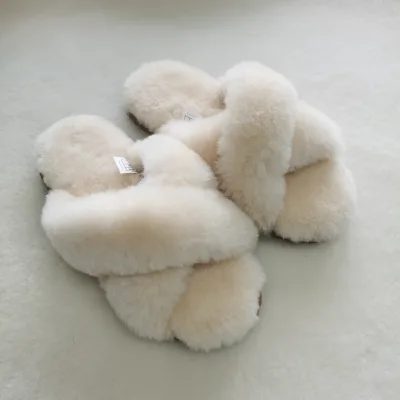
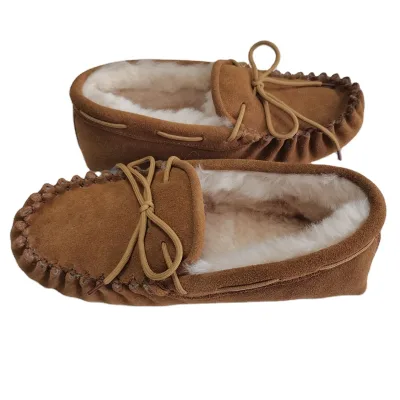
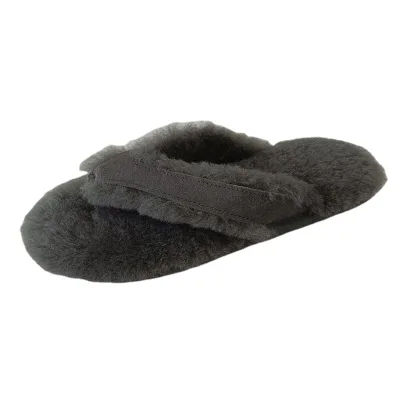
Women′ S Sheepskin Real Wool Slide Fuzzy Open Toe Ugging Slippers
$10.90 - $17.20
MOQ: 100 Pairs




Comprehensive Sourcing Guide
Sheepskin Slide Sourcing Guide
Sourcing sheepskin slides requires a careful balance between aesthetic appeal and functional durability, particularly for winter and transitional seasons. Buyers must prioritize suppliers who offer genuine leather uppers and authentic sheepskin linings to ensure the product meets consumer expectations for warmth and comfort. The observed market data indicates a strong preference for unisex designs, with customization options available for branding and color variations. This flexibility allows retailers to tailor inventory to specific demographic needs while maintaining a consistent quality standard across their collections.
The procurement landscape for these footwear items is characterized by a wide range of material compositions and sole technologies. While some listings highlight TPR or EVA outsoles for specific performance traits, others emphasize rubber or cow suede for enhanced grip and texture. Understanding these material distinctions is critical for defining the target market segment, whether it be luxury loungewear or practical indoor footwear. Buyers should evaluate the trade-offs between weight, breathability, and thermal retention to align product specifications with their brand’s value proposition and customer usage patterns.
Product Scope and Observed Listing Signals
The current market for sheepskin slides encompasses a diverse array of styles, ranging from minimalist indoor slippers to more structured outdoor-ready designs. Observed listings reveal a price range that reflects varying degrees of material authenticity and manufacturing complexity, with costs spanning from entry-level options to premium hand-made pieces. The presence of both TPR and EVA outsoles suggests that buyers can source products tailored to different use cases, from heavy-duty winter wear to lightweight, breathable summer alternatives. This variety necessitates a clear definition of the end-use environment to avoid misalignment between product capabilities and customer expectations.
Customization plays a pivotal role in the sourcing strategy for these items, with many suppliers offering tailored logos, colors, and packaging solutions. The availability of custom branding allows retailers to differentiate their offerings in a competitive marketplace, while the option for customized colors ensures that inventory can be aligned with seasonal trends or brand identity. Additionally, the observation of specific packing methods, such as OPP bags or box-and-carton combinations, provides insight into the logistical considerations for storage and retail display. Buyers should leverage these customization options to enhance product appeal while ensuring that the added complexity does not disproportionately impact lead times or costs.
Technical Specifications to Verify
Verifying the technical specifications of sheepskin slides is essential to ensure product consistency and performance. Buyers must confirm the exact composition of the upper material, distinguishing between genuine leather, cow suede, and other leather variants, as these materials offer different levels of durability and aesthetic appeal. The lining material, often cited as 100% sheepskin or sheep fur, is a critical factor in determining the thermal properties of the slide. It is imperative to request material certificates or samples to verify that the lining is authentic and meets the claimed warmth and comfort standards, as synthetic substitutes may not deliver the expected user experience.
Sole construction and sizing standards are another area requiring rigorous verification. The observed listings indicate the use of various outsole materials, including TPR, EVA, and rubber, each offering distinct advantages in terms of grip, flexibility, and weight. Buyers should assess the suitability of these materials for their target market, considering factors such as indoor versus outdoor usage and climate conditions. Furthermore, sizing standards vary, with references to EU and US size ranges, necessitating a clear understanding of the target region’s sizing conventions. Ensuring accurate size mapping and sole durability testing will help mitigate returns and enhance customer satisfaction.
Compliance and Safety Documentation
Compliance with regional safety and quality standards is a non-negotiable aspect of sourcing sheepskin slides, particularly when importing from major manufacturing hubs like China. Buyers must ensure that suppliers adhere to relevant EU and US standards for footwear, which may include restrictions on certain chemicals and requirements for flammability and slip resistance. Although specific certification statuses are not universally disclosed, it is crucial to request documentation that verifies compliance with these regulations. This due diligence helps protect the brand from legal liabilities and ensures that the products are safe for consumer use, thereby maintaining trust and reputation in the market.
Documentation regarding material sourcing and manufacturing practices is also vital for maintaining transparency and ethical standards. Buyers should inquire about the origin of the sheepskin and leather materials, ensuring that they are sourced from reputable suppliers who adhere to ethical and environmental guidelines. Additionally, verifying the manufacturing location, such as Henan, China, can provide insights into the supply chain’s reliability and quality control processes. By prioritizing suppliers with robust compliance frameworks, buyers can mitigate risks associated with regulatory changes and enhance the overall integrity of their procurement operations.
Cost Drivers and Commercial Terms
The cost structure of sheepskin slides is influenced by several key factors, including material quality, manufacturing complexity, and order volume. The observed MOQ range of 1 to 5000 pairs indicates flexibility for buyers of different scales, from small boutiques to large retailers. However, higher customization levels, such as unique logos or specific colorways, may incur additional costs and affect the minimum order requirements. Buyers should negotiate terms that balance cost efficiency with the desired level of customization, ensuring that the final product meets their quality standards without exceeding budget constraints.
Commercial terms, including payment methods and lead times, are critical components of the sourcing agreement. While specific lead times are not detailed in the observed data, buyers should establish clear expectations with suppliers regarding production schedules and delivery timelines. Understanding the packing specifications, such as OPP or box-and-carton options, is also important for calculating logistics costs and storage requirements. By aligning commercial terms with operational capabilities, buyers can optimize their supply chain efficiency and ensure timely product availability to meet market demand.
Supplier Qualification and Quality Control
Qualifying suppliers for sheepskin slides requires a thorough assessment of their manufacturing capabilities and quality control processes. Buyers should prioritize suppliers who demonstrate a commitment to quality, as evidenced by their use of genuine materials and hand-made techniques. Requesting product samples is an essential step in evaluating the craftsmanship, fit, and overall finish of the slides. Additionally, verifying the supplier’s ability to meet customization requests and maintain consistent quality across large production runs is crucial for long-term partnership success.
Implementing a robust quality control protocol is necessary to mitigate the risk of defects and ensure product consistency. Buyers should establish clear quality standards and conduct regular inspections during production and before shipment. This may include checking for material authenticity, stitching integrity, and sole attachment durability. By maintaining active oversight of the quality control process, buyers can identify and address potential issues early, reducing the likelihood of costly returns and enhancing customer satisfaction.
Long-Term Procurement Checks
Long-term procurement success for sheepskin slides depends on continuous monitoring of supplier performance and market trends. Buyers should regularly review supplier metrics, such as on-time delivery rates, defect rates, and responsiveness to issues, to ensure that partnerships remain productive and reliable. Additionally, staying informed about changes in material availability and pricing can help buyers anticipate cost fluctuations and adjust their sourcing strategies accordingly. By maintaining a proactive approach to supplier management, buyers can secure a stable supply of high-quality products that meet evolving consumer demands.
Adapting to seasonal shifts and consumer preferences is also vital for maintaining a competitive edge in the footwear market. Buyers should analyze sales data and customer feedback to identify trends in style, color, and material preferences, allowing them to refine their product offerings and inventory planning. Engaging in regular communication with suppliers to discuss future collections and potential innovations can further enhance the sourcing strategy. By fostering collaborative relationships and remaining agile in response to market dynamics, buyers can sustain long-term growth and profitability in the Sheepskin Slide segment.
FAQs
What materials are used for the upper and lining?
The upper is made of genuine leather or cow suede, while the lining features 100% sheepskin or sheep fur. These materials ensure warmth and comfort for winter wear. Some models also include EVA or TPR outsoles for durability. This combination provides a soft, breathable interior suitable for indoor use.
Can I customize the logo and color of the product?
Yes, customization is available for both the logo and color. Buyers can request specific colors like white or other customized options. The logo can also be tailored to meet brand requirements. This flexibility allows businesses to create unique products that align with their specific market needs and design preferences.
What is the minimum order quantity for these slippers?
The minimum order quantity is 100 pairs for most models. However, some listings indicate an MOQ range starting from 1 pair up to 5000 pairs depending on the supplier. Buyers should verify the specific MOQ with the manufacturer before placing an order to ensure it meets their procurement volume requirements.
Which sizes are available for the Sheepskin Slide models?
Available sizes range from EU 35 to 41, covering US sizes 35 through 41. Specific models like SMTD-018 and SMTA-001 follow these standard sizing charts. The footwear is designed for unisex and female wearers, ensuring a proper fit for various foot shapes and sizes within the specified European and US ranges.
How are the products packed for shipping?
Products are typically packed in OPP bags, boxes, and cartons. Specific packaging varies by model, with some using Box plus Carton or OPP plus Carton configurations. This ensures safe transport and protection during shipping. The single package size and gross weight also vary, so buyers should check specific model details for accurate logistics planning.
Are these slippers suitable for winter and indoor use?
Yes, these slippers are designed for winter, spring, and autumn seasons, making them ideal for indoor use. They feature warm sheepskin linings and are hand-made for comfort. The breathable and warm features ensure they provide necessary insulation during colder months while maintaining comfort for daily indoor activities.
What is the origin and standard compliance of the product?
The products originate from China, specifically Henan, and comply with EU standards ranging from 27 to 41. This ensures quality and safety for international markets. The manufacturing process involves hand-made techniques, and the materials used meet specific quality standards required for export to European regions.