Source Retro Open Toe Beach Sandals for Travel, Leisure, and Events
Compare 30 listings of Retro Open Toe Beach Sandals featuring waterproof designs, anti-slip soles, and EVA insoles. Buyers can evaluate styles like slide sandals and closed-toe slippers with varying heel heights and customization options for bulk orders; compare the available evidence and request quotations based on your requirements.
Key considerations
Products List

Popular Ladies' Open Toe Branded Designer Fashionable Beach Thick-Soled Sandals
$2.90 - $3.20
MOQ: 1000 Pairs


Top Quality New Design Stylish Beach Comfortable Outdoor Closed Toe Women Garden Sandals
$1.74 - $1.80
MOQ: 1000 Pairs

Popular Trend Wear-Resistant Beach Walking Best Price Breathable Sandals with Back Strap
$1.50 - $1.65
MOQ: 1000 Pairs




Comprehensive Sourcing Guide
Retro Open Toe Beach Sandals Sourcing Guide
Sourcing retro-style open-toe beach sandals requires a nuanced understanding of the intersection between vintage aesthetics and modern functional requirements. Buyers must navigate a market where visual appeal, characterized by minimalist designs and classic silhouettes, competes with the practical demands of footwear intended for wet, sandy, or uneven surfaces. The observed product landscape indicates a diverse range of options, from flat slide sandals to mid-heel styles, each catering to different consumer preferences for comfort and style. Understanding these variations is crucial for aligning procurement strategies with target market demographics, ensuring that the selected products resonate with buyers seeking both nostalgic charm and contemporary utility.
The procurement process is further complicated by the specific material and construction attributes that define quality in this category. Key observations highlight the prevalence of EVA insoles for shock absorption and anti-slip protrusions or grooves for traction, which are essential for beach environments. Additionally, features such as waterproofing, breathability, and anti-microbial properties are increasingly important for consumer satisfaction. Buyers need to verify these attributes carefully, as they directly impact the product's durability and user experience. The availability of customization options and OEM orders suggests that many suppliers are equipped to handle bespoke requirements, allowing brands to differentiate their offerings through unique colorways, packaging, or minor design tweaks.
Product Scope and Observed Listing Signals
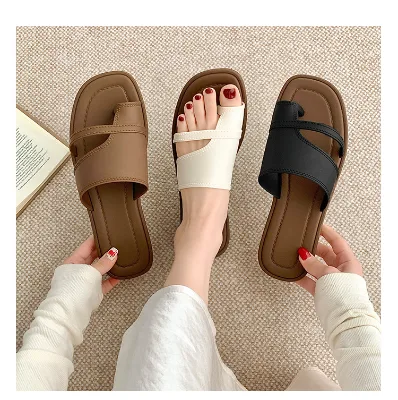
The current market for retro open-toe beach sandals presents a wide spectrum of styles, ranging from flat slides to mid-heel and even high-heel variants, though the latter may be less suitable for active beach use. Observed listings indicate a strong emphasis on minimalist decoration and open-toe designs, which align with the retro aesthetic while ensuring breathability and comfort in warm weather. The color palette typically includes versatile shades such as black, gray, and khaki, which appeal to a broad audience. Buyers should note that while the term "retro" suggests a vintage look, the underlying technology often incorporates modern materials like EVA foam for resilience and shock absorption, blending old-school style with new-school performance.
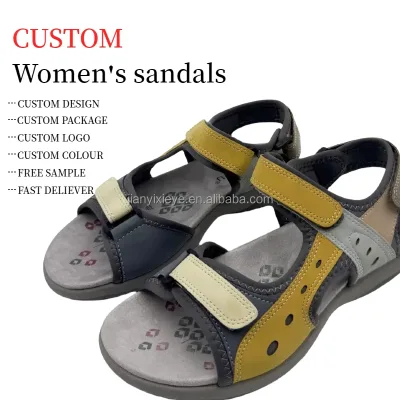
Seasonality and occasion play significant roles in the product scope, with many items specifically marketed for summer and beach occasions. The observed data shows that products are often designed as unisex, broadening their market appeal and simplifying inventory management for retailers. Furthermore, the presence of slip-on closure types and velcro options indicates a focus on ease of use, which is a key selling point for beachwear. Buyers should pay attention to the specific type of sandal, whether it is a slide, a closed-toe slipper, or a work shoe variant, as these distinctions affect both the target customer and the appropriate marketing strategy. Understanding these signals helps in curating a product line that meets diverse consumer needs.
Technical Specifications to Verify
When evaluating technical specifications, the heel height is a critical differentiator that impacts both style and functionality. Observed models range from flat designs to mid-heel and high-heel options, with some specific models featuring ballroom or Latin shoe heels under 3.5cm. Buyers must verify that the chosen heel height aligns with the intended use case, as high heels may be less practical for beach environments. Additionally, the anti-skid design is paramount, with options including anti-slip protrusions, grooves, and patterns. These features should be inspected to ensure they provide adequate traction on wet surfaces, reducing the risk of slips and falls for the end-user.
Material composition and construction details are equally important for long-term durability and comfort. The insole material is frequently listed as EVA, which offers lightweight shock absorption and resilience. Buyers should confirm the quality of this material, as it directly affects the footbed's ability to maintain its shape and provide cushioning over time. Other technical aspects to verify include the closure type, such as slip-on or velcro, and the toe style, which is predominantly open-toe for breathability. The presence of waterproofing and anti-microbial features should also be validated, as these attributes enhance the product's suitability for beach and poolside use, ensuring hygiene and longevity in humid conditions.
Compliance and Safety Documentation
Compliance and safety are foundational to successful procurement, particularly for footwear intended for outdoor and beach use. Buyers must ensure that suppliers provide relevant safety documentation, including test results for slip resistance, which is critical given the wet and sandy conditions associated with beach sandals. While specific standards were not explicitly detailed in the observed listings, buyers should request evidence of compliance with international safety norms for footwear, such as those governing sole adhesion and flexibility. Verifying these documents helps mitigate liability risks and ensures that the products meet the safety expectations of consumers and regulatory bodies in target markets.
In addition to safety, environmental and material compliance is increasingly important in the footwear industry. Buyers should inquire about the materials used in the EVA insoles and other components, ensuring they are free from harmful substances such as phthalates or heavy metals. Documentation regarding the manufacturing process, including any water printing techniques used for patterns, should also be reviewed to confirm adherence to environmental regulations. By prioritizing suppliers who provide comprehensive compliance documentation, buyers can protect their brand reputation and ensure that their products are safe, sustainable, and legally compliant in all markets where they are sold.
Cost Drivers and Commercial Terms
Cost drivers in the retro open-toe beach sandals market are influenced by material quality, customization levels, and order volume. The observed price range of 1.1 to 39.9 USD reflects significant variation based on these factors. Higher prices may correlate with advanced features such as fully waterproofing, anti-microbial treatments, or premium EVA materials. Buyers should analyze the cost structure to understand how much of the price is attributed to raw materials versus labor and overhead. Additionally, the availability of OEM orders and customization options can impact costs, as bespoke designs and packaging requirements often incur additional fees.
Commercial terms, including MOQ and lead times, are critical for planning and cash flow management. The observed MOQ range of 1 to 5000 units offers flexibility for both small startups and large retailers, but buyers must align their order quantities with their sales forecasts to avoid excess inventory. Lead times vary, with some suppliers offering delivery within 45-50 days, while others may require 75-90 days after sample confirmation. Buyers should negotiate clear terms regarding sample times, which can range from 10 to 20 days, and establish realistic expectations for production and shipping. Understanding these commercial dynamics helps in budgeting accurately and maintaining a steady supply chain.
Supplier Qualification and Quality Control
Supplier qualification is a vital step in ensuring the reliability and consistency of retro open-toe beach sandals. Buyers should assess suppliers based on their production capabilities, quality control processes, and ability to meet customization requests. The observed data indicates that many suppliers are located in Fujian, China, a region known for its footwear manufacturing expertise. Buyers should verify the supplier's track record, including their experience with OEM orders and their ability to handle complex designs. Additionally, checking for certifications and past performance with similar products can provide insights into the supplier's reliability and commitment to quality.
Quality control measures should be rigorously enforced throughout the production process. Buyers should implement pre-production, during-production, and pre-shipment inspections to catch defects early and ensure that the final products meet specified standards. Key quality checks include verifying the integrity of the anti-slip design, the comfort of the EVA insoles, and the overall construction of the sandals. Buyers should also establish clear communication channels with suppliers to address any issues promptly. By maintaining high standards for supplier qualification and quality control, buyers can minimize the risk of receiving subpar products and ensure customer satisfaction.
Long-Term Procurement Checks
Long-term procurement success depends on continuous monitoring and evaluation of supplier performance and market trends. Buyers should regularly review supplier metrics, such as on-time delivery rates, defect rates, and responsiveness to issues. Establishing a scorecard system can help track these metrics objectively and identify areas for improvement. Additionally, buyers should stay informed about emerging trends in retro footwear, such as new materials, design innovations, and consumer preferences. This proactive approach allows buyers to adapt their sourcing strategies and maintain a competitive edge in the market.
Sustainability and ethical sourcing are becoming increasingly important in long-term procurement strategies. Buyers should assess suppliers' commitment to environmental responsibility and ethical labor practices, as these factors are increasingly valued by consumers. Engaging in regular dialogues with suppliers about sustainability goals can foster a collaborative relationship and drive continuous improvement. Furthermore, buyers should diversify their supplier base to mitigate risks associated with supply chain disruptions. By focusing on long-term relationships and sustainable practices, buyers can build a resilient and responsible sourcing network that supports their brand's growth and reputation.
FAQs
Can I customize Retro Open Toe Beach Sandals with my brand logo?
Yes, customization is available for these sandals. Buyers can request OEM orders to include specific branding or design elements. The supplier accepts custom requests, allowing for tailored production that meets unique business needs. This service supports distinct product identities for various retail channels and marketing strategies.
What is the typical delivery time for these beach sandals?
The standard delivery time ranges from 45 to 50 days. This timeline applies to general production cycles. For sample orders, the sample time is typically 10 to 20 days. Bulk delivery may take within 75 to 90 days after samples are confirmed and deposits are paid, ensuring quality verification.
Are these sandals suitable for summer beach occasions?
Yes, these sandals are designed for summer and beach occasions. They feature an open toe style and slide-on closure for easy wear. The materials include EVA insoles for comfort and anti-slip protrusions for safety. The minimalist design and breathable properties make them ideal for warm weather and coastal activities.
What materials are used in the insole and outsole?
The insole is made from EVA material, providing cushioning and shock absorption. The outsole features anti-slip designs, including protrusions and grooves depending on the model. These materials ensure durability and comfort. The EVA foam contributes to resilience, making the sandals suitable for extended wear on various surfaces.
What sizes are available for these retro sandals?
Available sizes include 230, 240, 250, 260, 270, and 280. These specifications cater to various foot lengths. Some models may also reference US size 11. Buyers should verify specific size charts for each product model to ensure accurate fitting. The range supports diverse customer demographics and regional sizing preferences.
How are these sandals packaged for shipping?
Packaging options include OPP bags, non-woven bags, or cotton bags. Buyers can request specific packing methods to suit their retail needs. Each pair is typically packed individually. This flexible packaging approach protects the sandals during transit and allows for customized presentation, enhancing the unboxing experience for end consumers.