Source Anti-Uv PP Laminated Scaffold Plate for Construction
Compare 30 listings for Anti-Uv PP Laminated Scaffold Plate designed for scaffolding, truck bodies, and interior decoration. Buyers can evaluate specifications like panel thickness, resin types, and customization options from verified Chinese manufacturers; compare the available evidence and request quotations based on your requirements.
Key considerations
Products List


High Strength Waterproof Cfrt PP Laminated Plates for Scaffold Panel
$20.00 - $28.00
MOQ: 300 Square Meters




Easy Scaffolding Building Material Plank Construction PP Hollow Plastic Formwork
$22.00 - $25.00
MOQ: 500 Pieces


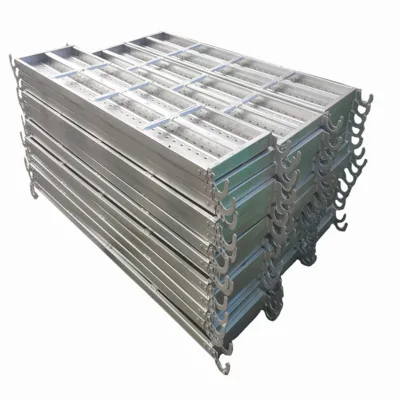
Metal Scaffolding Plank Platform Perforated Steel Plank Scaffolding Steel Plank
$10.00 - $10.50
MOQ: 500 Pieces


Comprehensive Sourcing Guide
Anti-Uv PP Laminated Scaffold Plate Sourcing Guide
Procurement professionals must first distinguish between standard thermoplastic honeycomb panels and specialized scaffold plates, as the supplied data indicates a broad range of plastic construction products. While some listings describe general interior decoration panels with cushioning functions, the specific requirement for scaffold applications demands verification of structural integrity and load-bearing capacity. Buyers should focus on products explicitly labeled with construction properties like "Installation Scaffold" or "Building Scaffold" to ensure the material is suitable for temporary elevated work platforms rather than static architectural use.
The observed product attributes reveal that these panels often utilize a PP honeycomb core with resin options including PP, PE, and PA6, which directly influences their suitability for outdoor scaffolding. It is critical to confirm that the specific unit includes the required anti-UV and anti-aging film lamination, as the core material alone may degrade under prolonged sun exposure. Without this specific surface treatment, the panel's high-intensity performance claims may not hold true in real-world construction environments where weather resistance is a primary safety concern.
Product Scope and Observed Listing Signals
Buyers should scrutinize the listed color options and working temperature ranges to ensure compatibility with local site conditions, as the data shows availability in yellow, red, or customized colors with a working range of -20°C to +45°C. This temperature constraint is vital for projects in extreme climates, as exceeding these limits could compromise the structural stability of the plastic feet or foot plates. Procurement teams must verify that the specific supplier's batch meets these thermal thresholds before committing to a large order, as generic plastic panels may not perform identically across different manufacturing runs.
The observed listing signals also highlight a significant variation in product models, ranging from general reinforced plastic panels to specific scaffolding accessories like UTM-PM-086 and UTM-RF-046. This diversity suggests that a single supplier may offer both general-purpose honeycomb panels and specialized scaffolding components, requiring careful selection to match the exact engineering requirements of the project. Buyers must explicitly request the model number associated with scaffold applications to avoid receiving standard interior decoration panels that lack the necessary mechanical strength for suspended or projecting scaffolding modes.
Technical Specifications to Verify
Technical verification must begin with the panel thickness and aperture dimensions, as the data indicates a thickness range of 8mm to 50mm and a specific aperture of 8mm for certain honeycomb variants. These dimensions directly impact the load distribution and the ability of the scaffold plate to accommodate standard scaffolding poles or couplers without failure. Procurement specialists should request detailed cross-section diagrams to confirm that the 8mm aperture aligns with the specific scaffolding system being deployed, ensuring a secure fit that prevents slippage during erection.
Weight and area density are equally critical parameters, with observed data citing a specific weight of 1450g and an area weight range of 2.0-8.0 Kg/M2 for Cfrtp honeycomb panels. These figures determine the ease of handling and the total dead load imposed on the scaffolding structure, which is a key factor in safety calculations for mobile or suspended scaffolding. Buyers must ensure that the selected panel's weight falls within the acceptable limits for their specific lifting equipment and that the area weight does not exceed the design capacity of the supporting framework.
Compliance and Safety Documentation
Safety documentation must explicitly confirm the panel's classification as a scaffold accessory rather than a general construction material, as the data lists keywords such as "Scaffolding Plastic Feet" and "Scaffolding Foot Cup." This distinction is essential for regulatory compliance, as scaffold components often require specific testing for load-bearing capacity and stability that general plastic panels do not undergo. Procurement teams should demand test reports that specifically address the "High Intensity" performance claim in the context of scaffolding loads, rather than generic material strength data.
The surface treatment process, which includes lamination with anti-UV and anti-aging films, must be backed by certification proving its durability under the stated working temperature conditions. Since the data mentions these films as a process capability, buyers should verify that the finished product has undergone accelerated aging tests to validate the long-term effectiveness of the UV protection. Without documented evidence of this specific surface treatment performance, the risk of material degradation and subsequent structural failure increases significantly in outdoor construction environments.
Cost Drivers and Commercial Terms
Cost drivers for these specialized panels are heavily influenced by the customization options and the specific resin composition used in the honeycomb core. The data indicates that resin types can vary from PP to PA6, and customization is available for color and dimensions, both of which will impact the final unit price. Buyers should anticipate that orders requiring specific color combinations or non-standard thicknesses within the 8mm-50mm range will incur higher costs due to the additional processing steps required for the lamination and molding.
Commercial terms must clearly define the Minimum Order Quantity (MOQ) and packaging requirements, as the observed data shows an MOQ of 100sqm for some panels and a range of 5-2000 units for others. The packaging method, whether it is a steel pallet, plywood box, or nude packing, also affects logistics costs and the risk of damage during transit. Procurement contracts should explicitly state the packaging standard to ensure that the panels arrive in a condition that maintains their structural integrity and surface finish, particularly for the anti-UV laminated layers.
Supplier Qualification and Quality Control
Supplier qualification should prioritize manufacturers with a proven track record in producing scaffolding accessories, as evidenced by the specific product models and construction properties listed in the data. Buyers must verify that the supplier's production facility in Qingdao or other locations in China (Mainland) has the capacity to handle orders exceeding 8 tons, ensuring they can meet large-scale project demands without supply chain bottlenecks. This capacity check is crucial for maintaining project timelines, especially when dealing with complex scaffolding systems that require precise component matching.
Quality control protocols must include rigorous inspection of the honeycomb core structure and the adhesion of the anti-UV film to the plastic surface. Since the data highlights the core material as PP honeycomb and the surface as laminated, buyers should request sample testing to confirm that the lamination does not delaminate under stress or temperature fluctuations. Implementing a pre-shipment inspection that focuses on these specific interface points will help mitigate the risk of receiving substandard panels that could fail during critical construction phases.
Long-Term Procurement Checks
Long-term procurement strategies should include periodic re-evaluation of the supplier's ability to maintain consistent quality in the anti-UV lamination process over multiple production cycles. As the data indicates that the surface can be laminated with various films, buyers must ensure that the specific film formulation remains stable and effective over the lifespan of the scaffolding system. Regular audits of the supplier's quality control records regarding UV resistance and aging performance will help maintain the safety standards required for ongoing construction projects.
Buyers should also establish a feedback loop to monitor the performance of the installed panels in real-world conditions, specifically tracking any signs of degradation or structural weakness. Since the working temperature range is limited to -20°C to +45°C, long-term monitoring in extreme climates is essential to validate the supplier's claims and ensure the panels continue to meet safety requirements. This proactive approach allows for timely adjustments to procurement specifications or supplier selection before any safety incidents occur due to material failure.
FAQs
What is the working temperature range for this scaffold plate?
The working temperature range is from -20 degrees Celsius to +45 degrees Celsius. This ensures stable performance in various climates while maintaining structural integrity for interior decoration and scaffolding applications without degradation.
Can I customize the color of the thermoplastic honeycomb panel?
Yes, customization is available for the color of the panel. You can choose from yellow, red, or request a customized color to match specific project requirements while maintaining the high intensity performance of the plastic material.
What is the minimum order quantity for scaffold plastic feet?
The minimum order quantity is 100 square meters for the honeycomb panel. This applies to the reinforced plastic panels used in scaffolding, ensuring efficient production runs for buyers needing substantial quantities for large construction projects.
How is the Cfrtp honeycomb panel packed for shipment?
The panel is packed on a pallet with shrink film or in a plywood box. Customized packing options are also available to ensure safe transport of the scaffold accessories and protect the surface from damage during international shipping.
Which materials are used for the core of the honeycomb panel?
The core material consists of PP honeycomb, while the resin options include PP, PE, PET, PETG, and PA6. These materials provide heat preservation and high intensity, making them suitable for truck bodies and scaffolding applications.
What is the standard size for the scaffold panel?
The standard size is 295mm by 495mm, though custom sizes are available upon request. The panel thickness ranges from 8mm to 50mm, allowing flexibility for different structural requirements in building scaffolding and interior decoration projects.
Can the surface of the panel be treated for UV protection?
Yes, the surface can be laminated with anti-UV and anti-aging films. This treatment enhances durability for external scaffolding use, ensuring the plastic material withstands environmental exposure while maintaining its structural properties over time.