Antirust Cold Heading Oil Suppliers and Manufacturers
Compare 18 verified suppliers offering Antirust Cold Heading Oil with details on location, lead times, and certifications. Review product specifications like API and ISO standards, then contact vendors directly to request quotes for your industrial needs; review the available evidence before requesting comparable quotations from suitable candidates.
Suppliers List
Tianjin Annuolida New Materials Technology Co., Ltd.
- Trading Company
- Tianjin, China
- Lead time15 days
- Avg. response≤ 1h
Main productsEngine oil,Lubricating oil,Lubricating grease,Petroleum coke,Charcoal
Main marketsNorth America(20.00%), Mid East(15.00%), Southeast Asia(10.00%), Eastern Europe(10.00%), South Asia(9.00%), Africa(6.00%), Western Europe(5.00%), South America(5.00%), Domestic Market(5.00%), Southern Europe(4.00%), Oceania(3.00%), Central America(3.00%), Eastern Asia(3.00%), Northern Europe(2.00%)
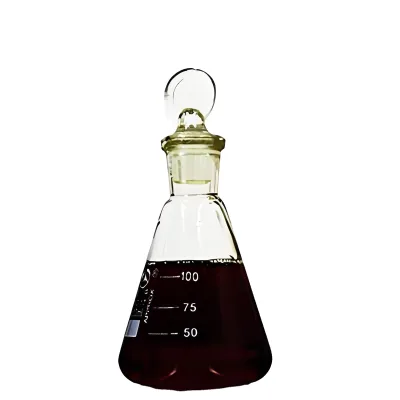
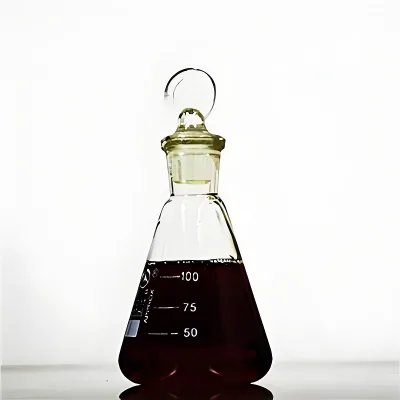
$25.98 - $36.37
MOQ: 10 pieces
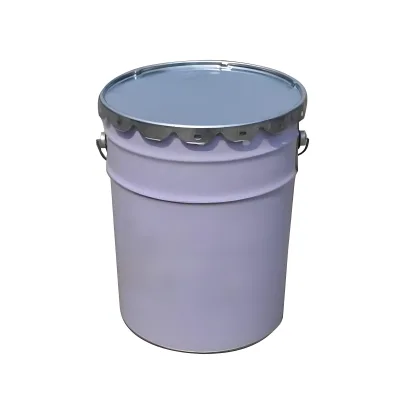
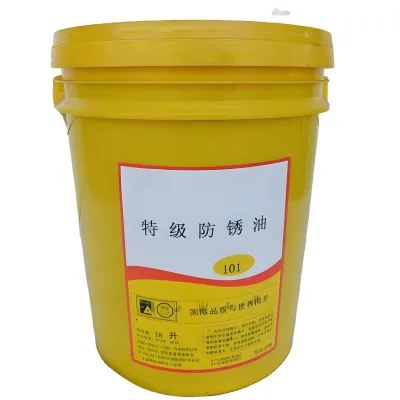
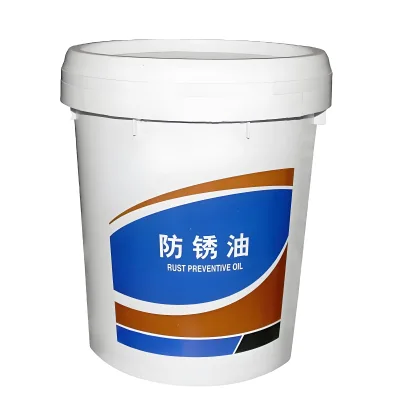
Factory Price Original Anti-rust Oil Fluid Super Long Life Anti-rust Oil Lubricants
$37.41 - $45.72
MOQ: 1 barrels

Hebei Fanghe New Material Co.,LTD
- Verified by TUVRHEINLAND
- Trading Company,Manufacturer/Factory
- China Hebei
- Lead time45 days
- Avg. response≤ 5h
Main productsCalcined Petroleum Coke, Graphite Electrode, Graphite Petroleum Coke, Engine Oil, Grease
Main marketsSouth America,Eastern Europe,Mid East,North America,Southeast Asia,Eastern Asia,Oceania,Western Europe,Africa


Extreme Pressure and Wear Resistance: High Quality Cold Heading Forming Oil
$1.50 - $2.50
MOQ: 1000 kg


High Quality Lubricating and Cooling High Performance Cold Heading Forming Oil
$1.50 - $2.50
MOQ: 1000 kg


Zhengzhou Chorus Lubricant Additive Co.,Ltd
- Verified by TUVRHEINLAND
- Trading Company,Manufacturer/Factory
- China Henan
- Lead time15 days
- Avg. response≤ 7h
Main productsLubricant Additive, Oil Additive, Extreme Pressure Additive, Polymer, Lubricant Additive Component, Lubricant Additive Package, Metal Working Fluid, Viscosity Index Improver, Friction Modifier, Synthetic Ester
Main marketsSouth America,Eastern Europe,Mid East,North America,Southeast Asia,Eastern Asia,Oceania

Water-Based Environmentally Friendly Cold Heading Oil/Carbon Steel Cold Heading Oil Additive Package
$3800.00 - $4000.00
MOQ: 1 Tons

$3800.00 - $4000.00
MOQ: 1 Tons


Linyi Xingguan Technology Co., Ltd.
- Combined
- China Shandong
- Lead time15 days
- Avg. response≤ 3h
Main productsCar Care Product, Carb & Choke Cleaner, Spray Paint, Lubricant
Main marketsDomestic

Shijiazhuang Fanao Lubricant Oil and Grease Co., Ltd.
- Verified by SGS
- Trading Company
- China Hebei
- Lead time15 days
- Avg. response≤ 8h
Main productsEngine Oil 5W30 5W40 0W30 0W20 0W40 10W30 10W40, Diesel Oil 15W40 20W50, Transmission Fluid at Fluid Ws T-IV Tc CVT, Anti-Wear Hydraulic Oil 32 46 68 100, Gear Oil, Compressor Oil, Refrigeration Oil, Turbine Oil, High Temperature Lithium Grease, Cutting Fluid
Main marketsSouth America,Eastern Europe,Mid East,North America,Southeast Asia,Eastern Asia,Oceania,Western Europe,Africa

Shandong Sailgoal New Materials Co. Ltd.
- Verified by SGS
- Combined
- China Shandong
- Lead time15 days
- Avg. response≤ 3h
Main productsPU Foam, Carburetor Cleaner, Spray Paint, MDF Kit, Anti Rust Lubricant, Car Care Products, Household Products
Main marketsAfrica,Others(foreignTradeCapacity.exportBusinessCapacityMarketOther),Southeast Asia/ Mideast,Domestic


Premium Anti Rust Lubricant for Long-Lasting Protection and Performance
$0.40 - $0.43
MOQ: 4000 Pieces


Shandong Sofire Energy Technology Co., Ltd
- Verified by SGS
- Combined
- China Shandong
- Lead time15 days
- Avg. response≤ 8h
Main productsPassenger Car Oil, Commercial Vehicle Oil, Construction Machinery Oil, Lubricating Grease, Industrial Oil, Engine Oil, Diesel Engine Oil, Transmission Oil, Base Oil, Lubricant Additive
Main marketsDomestic


High-Performance Extreme Pressure Anti-Wear Long-Life Gear Oil Lubricanting Oil
$2.03 - $2.19
MOQ: 10 Pieces

GUANGZHOU LIDI AUTOMOBILE SUPPLIES CO., LTD
- Combined
- China Guangdong
- Lead time30 days
- Avg. response≤ 17h
Main productsInjector Cleaner, Antifreeze Coolant, Auto Care, Brake Fluid, Carburetor Cleaner, Anti Rust Lubricant, Brake Oil, Engine Additives, Engine Oil, Car Care Products
Main marketsSouth America,Africa,Southeast Asia/ Mideast,Domestic

PUYANG XINYE SPECIAL LUBRICATING OIL AND GREASE CO.,LTD.
- Verified by TUVRHEINLAND
- Combined
- China Henan
- Lead time15 days
- Avg. response≤ 7h
Main productsGrease, Lubricating Oil, Construction Machinery Grease, Automobile Lubricating Grease, Industrial Lubricant, Calcium Grease, Lithium Grease, Special Grease, Hydraulic Oil, Engine Oil
Main marketsAfrica,Southeast Asia/ Mideast,Domestic


High Quality and High Performance Wear-Resistant Lubricating Oil 8 # Hydraulic Transmission Oil
$1.55 - $1.95
MOQ: 1000 L


Hebei Qidun Special Lubricant Co., Ltd.
- Verified by SGS
- Trading Company
- China Hebei
- Lead time15 days
- Avg. response≤ 4h
Main productsEngine Oil Lubricating Oil Automotive Lubricants
Main marketsDomestic,Australia

Xiamen Hengrun Petrochemical Co., Ltd.
- Verified by BV
- Trading Company
- China Fujian
- Lead time15 days
- Avg. response≤ 4h
Main productsOil, Rubber Process Oil, White Oil, Base Oil, Lubricating Oil, Naphthenic Oil, Transformer Oil, Paraffin Oil
Main marketsAfrica,Southeast Asia/ Mideast,East Asia(Japan/ South Korea),Domestic

- Trading Company
- China Hebei
- Lead time0 days
- Avg. response≤ 6h
Main productsEngine Oil, Coolant, Grease, Transmission Oil, Brake Fluid

Advanced Protection Multi Grade Engine Oil with Imported Cold Flow Improvers
$4.00 - $5.00
MOQ: 1 Pieces

High Performance Low Temperature Flow Oil with Quick Cold Start Protection
$4.00 - $5.00
MOQ: 1 Pieces


Sichuan Land Whale Technology Co., Ltd.
- Verified by SGS
- Trading Company
- China Sichuan
- Lead time30 days
- Avg. response≤ 2h
Main productsAutomotive Engine Oil Lubricant, Heavy-Duty Gear Oil, Cool The Antifreeze, Anti-Wear Hydraulic Oil, Hydraulic Transmission Oil, Brake Fluid, Vehicle Urea, Engine Oil Filler, High-Temperature Grease
Main marketsNorth America

Ningbo Yuena Import & Export Co., Ltd.
- Verified by TUVRHEINLAND
- Trading Company
- China Zhejiang
- Lead time23 days
- Avg. response≤ 3h
Main productsLace, Thread, Button, Ribbon, Zipper, Tailors Materials, Fabric, Reflective Materials, Sewing Machine Part, Bra Parts
Main marketsSouth America,Africa,Southeast Asia/ Mideast,Europe,North America

Jining Denaichi New Energy Co., Ltd.
- Verified by CTI
- Combined
- China Shandong
- Lead time15 days
- Avg. response≤ 2h
Main marketsAfrica,Domestic
Jinan Grace Industry Co., Ltd.
- Manufacturer, Trading Company
- Lead time旺季: "1 - 1":15,"> 1":"To be negotiated", 淡季: "1 - 1":15,"> 1":"To be negotiated"
- Avg. response≤ 3h
Main productsfeed additive,plant extract,other chemical,cosmetic ingredients,food additives
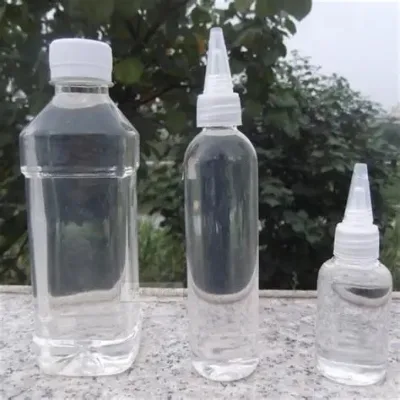
Heavy Duty Industrial White Oil Lubricating Oil
$0.80 - $1.00
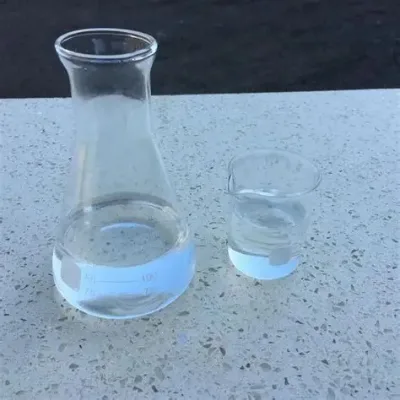
Mechanical Equipment Lubricating Oil White Oil
$0.80 - $1.00

Beijing Zhonghang Hangte Lubrication Technology Co., Ltd.
- Verified by SGS
- Trading Company
- China Beijing
- Lead time60 days
- Avg. response≤ 4h
Main productsIndustrial Lubricants, Industrial Lubricating Grease, Automotive Lubricating Oil, Automotive Lubricating Grease, Aviation Lubricating Oil, Aviation Lubricating Grease, Aviation Rust Prevention Oil, Aviation Gear Oil, Special Lubricating Oil, Special Lubricating Grease
Main marketsDomestic

901 Aviation Anti-Rust Oil 901 Displacing Type Rust Preventive Oil 17L/ Barrel
$130.00 - $140.00
MOQ: 20


Petroking Petroleum Hebei Co., Ltd.
- Verified by CTI
- Trading Company
- China Hebei
- Lead time30 days
- Avg. response≤ 7h
Main productshydraulic oil
Main marketsSouth America,Southeast Asia/ Mideast


Comprehensive Sourcing Guide
Antirust Cold Heading Oil Supplier Concentration and Factory Types
Current data indicates a concentration of suppliers operating from Tianjin, China, alongside a significant cluster in Hebei, China. These regions appear to host entities offering Engine oil, Lubricating oil, and specialized Cold Heading Oil products. The supplier landscape includes both Trading Companies and Manufacturer/Factory types, suggesting a mix of direct production capabilities and distribution networks. Some entities list main products that extend beyond lubricants to include Calcined Petroleum Coke and Graphite Electrode, indicating potential vertical integration or diversified chemical portfolios. Buyers should note that while specific factory locations are observed, the exact distribution of manufacturing capacity versus trading volume varies by entity.
When evaluating the factory type, it is crucial to distinguish between pure trading firms and those with manufacturing capabilities. The observed data shows some suppliers claiming both Trading Company and Manufacturer/Factory status, which requires careful verification of their actual production assets. Buyers should look for evidence of OEM and ODM service capabilities, as these often correlate with direct factory involvement. The presence of specific product attributes like API Standard quality or ISO certifications can further hint at manufacturing maturity. However, without explicit factory floor verification, buyers must treat these claims as preliminary indicators rather than confirmed production realities.
How to Verify Antirust Cold Heading Oil Suppliers
Verification begins with checking for recognized system certifications such as ISO 9001, ISO 14001, and ISO 14064, which appear in the supplier profiles. Some entities display third-party verification marks like TUVRHEINLAND, which adds a layer of credibility to their operational claims. Buyers should cross-reference these certifications with the specific product attributes listed, such as the API Standard quality or NSF specifications found in product details. The presence of an OEM ODM service tag suggests a capacity for customization, but this must be validated against the supplier's actual technical documentation and past performance records.
Response time and lead time metrics provide immediate insight into supplier reliability and operational efficiency. Observed response times vary, with some suppliers indicating a response time of 1 day, while others show figures around 4.16 days. Lead times also differ significantly, ranging from 15 days to 45 days depending on the specific product and order volume. Buyers should prioritize suppliers with shorter, consistent lead times and rapid response rates, as these factors directly impact project timelines. It is essential to confirm that these metrics apply to the specific Antirust Cold Heading Oil variant required, as general company metrics may not reflect the speed of specialized chemical production.
What to Compare Across Antirust Cold Heading Oil Suppliers
Comparing suppliers requires a detailed analysis of pricing structures, minimum order quantities, and product specifications. Price ranges observed vary widely, with some products listed between $2.59 and $3.11 per unit, while others range from $36 to $48, and bulk drum orders can reach $410 to $450. Minimum Order Quantities (MOQ) also fluctuate, with some suppliers requiring as little as 1 unit or 1 barrel, while others mandate 10 or 100 units. Buyers must align these commercial terms with their inventory needs and budget constraints to avoid overstocking or incurring unnecessary shipping costs for small batches.
Product specifications and physical attributes are equally critical for comparison. Key differentiators include the product's appearance, such as Oily Liquid or Light Yellow, and its functional properties like Metal Antirust or Increasing Lubricity. The Place of Origin is consistently noted as Hebei, China, for many items, which may influence logistics and quality consistency. Buyers should also compare packaging details, ranging from single items to 200L drums, and check for specific grades like Industrial Grade or SAE specifications. Ensuring that the product's general composition, such as Base Oil, matches the application requirements is vital for performance in cold heading processes.
Common Antirust Cold Heading Oil Sourcing Risks
One significant risk involves the discrepancy between claimed product attributes and actual performance. While suppliers list features like Anti-wear and Longer Service Life, these claims must be backed by independent test results or verified quality standards. The variation in product names, such as "Anti-Rust Lubricant" versus "Cold Heading Oil," can lead to confusion regarding the specific chemical formulation required for different metalworking applications. Buyers should request detailed technical data sheets to confirm that the product meets the specific viscosity and anti-rust requirements of their machinery and processes.
Another risk lies in the variability of lead times and response capabilities across different supplier types. A supplier with a 45-day lead time may not be suitable for urgent production needs compared to one offering 15-day delivery. Additionally, the mix of Trading Companies and Manufacturers can complicate communication and accountability. If a trading company acts as an intermediary, delays or quality issues may be harder to resolve directly with the production facility. Buyers should establish clear communication channels and define service level agreements to mitigate the risk of supply chain disruptions caused by these structural differences.
Antirust Cold Heading Oil Regional Sourcing and Logistics
Sourcing from Hebei, China, offers access to a dense network of chemical manufacturers, but logistics planning must account for regional infrastructure. The observed location data points to Hebei as a primary origin for many lubricant products, including those with specific packaging like 200L drums. Buyers should consider the proximity of these suppliers to major ports to optimize shipping costs and transit times. The single gross weight of products, ranging from 16 kg to 173 kg per unit, significantly impacts freight calculations and requires careful selection of shipping methods to ensure cost-effectiveness.
Logistics also involve managing the specific packaging requirements of the products. Some items are packaged in barrels of 18L, while others come in larger 200L drums or custom OEM packaging. The single package size dimensions, such as 30x30x50 cm or 58x58x89 cm, affect container loading efficiency and storage requirements at the destination. Buyers should verify that the supplier's packaging aligns with their handling capabilities and storage facilities. Additionally, understanding the origin location helps in assessing potential customs duties and import regulations specific to the region, ensuring a smoother entry of goods into the buyer's country.
Antirust Cold Heading Oil Commercial Terms and Order Planning
Commercial terms regarding pricing and MOQs require careful planning to balance cost efficiency with inventory management. The observed price ranges and MOQs suggest that larger orders often yield better unit economics, but the minimums can be restrictive for smaller buyers. Some suppliers offer flexible MOQs as low as 1 unit, which is beneficial for trial runs, while others require bulk purchases of 100 units. Buyers should negotiate based on their projected annual consumption to secure favorable pricing tiers without overcommitting to inventory that may become obsolete.
Order planning must also account for the service capabilities and customization options available. Many suppliers offer OEM and ODM services, allowing for branded packaging or specific formulation adjustments. However, these customizations may extend lead times or increase costs. Buyers should confirm the timeline for custom orders and ensure that the supplier's capacity for OEM/ODM aligns with their production schedule. Additionally, verifying the quality standards, such as API or SAE specifications, is essential before finalizing orders to ensure the product meets the rigorous demands of industrial cold heading operations.
FAQs
What is the typical lead time for cold heading oil orders?
Lead times vary by supplier, with some offering 15 days and others up to 45 days for delivery. Buyers should confirm specific timelines based on order volume and current production schedules before finalizing purchase agreements to ensure timely project completion.
What are the minimum order quantities for industrial lubricants?
Minimum order quantities range from 1 barrel to 100 units depending on the specific product type and packaging. Some suppliers accept single items while others require bulk purchases, so verify the exact MOQ for your selected grade and volume needs.
Which certifications do these lubricant suppliers typically hold?
Many suppliers maintain ISO 9001, ISO 14001, and ISO 14064 certifications to ensure quality and environmental compliance. Some also hold QC 080000 and ISO 20000 standards, providing assurance of consistent manufacturing processes and reliable product specifications for industrial applications.
Where are the primary manufacturing locations for these oils?
Products originate from regions including Tianjin and Hebei in China. These locations serve as key hubs for producing engine oils, lubricating greases, and specialized cold heading oils used in heavy machinery and metal forming industries across various global markets.
How quickly do suppliers typically respond to inquiries?
Response times generally range from 1 day to approximately 4 days depending on the supplier. Faster responses often indicate higher availability, while longer times may reflect complex order processing or high demand periods requiring careful coordination with the sales team.
What price ranges apply to anti-rust cold heading oils?
Prices vary significantly, with some products listed between 2.60 and 48.00 per unit, while bulk drums range from 410 to 450. Costs depend on volume, packaging, and specific performance features like extreme pressure or long-term rust protection capabilities required for your operation.
Are OEM and ODM services available for custom lubricants?
Yes, many suppliers offer OEM and ODM services to customize packaging and formulations for specific industrial needs. This allows buyers to brand products or adjust specifications like viscosity and additives to match their unique machinery requirements and production line standards effectively.