Source Antique Leather Restaurant Chair for Hotels, Bars, Dining
Compare 30 Antique Leather Restaurant Chair options featuring wooden frames, high-density sponge, and down feather padding. Buyers can evaluate customization, delivery times, and specifications for use in hotels, bars, and dining rooms; compare the available evidence and request quotations based on your requirements.
Key considerations
Products List

Luxury Restaurant Group Luxury Antique Genuine Leather Metal Dining Chair
$310.00 - $315.00
MOQ: 1 Pieces

Boutique Hotel Antique Genuine Leather Comfortable Living Room Dining Chair
$310.00 - $330.00
MOQ: 1 Pieces

Genuine Leather Wooden Luxury Dining Room Living Room Cafe Restaurant Chair
$250.00 - $260.00
MOQ: 1 Pieces


Luxury Restaurant Group Luxury Italy Real Leather Vintage Dining Chair
$275.00 - $285.00
MOQ: 1 Pieces


Commercial Classic Restaurant Chair with Dark Wood Tables Comfort Design
$37.00 - $139.00
MOQ: 2 Pieces


Contemporary Restaurant Dining Chair with Leather Upholstery and Gold Frame
$85.00 - $150.00
MOQ: 5 Pieces


Vintage Style Hotel Restaurant Furniture Chair Classic Leather Dining Chair
$60.00 - $120.00
MOQ: 2 Pieces
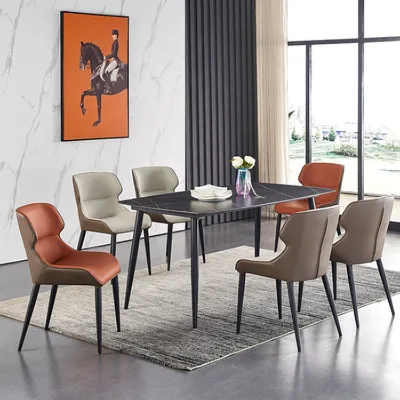


Comfortable Luxury Design Dining Chair with Leather Seat for Restaurant Home
$10.00 - $18.00
MOQ: 100 Pieces

Elegant Modern Style Leather Dining Chair for Restaurant Living Room Garden
$10.00 - $18.00
MOQ: 100 Pieces

Comfortable Modern Design Dining Chair with Leather Back for Restaurant Home
$10.00 - $18.00
MOQ: 100 Pieces


Contemporary Dining Chair for Cafes and Restaurants with Custom Height
$10.00 - $18.00
MOQ: 100 Pieces
Comprehensive Sourcing Guide
Antique Leather Restaurant Chair Sourcing Guide
Procuring antique leather restaurant chairs requires balancing historical aesthetic appeal with modern durability standards. The observed market features models with medium back heights and round seating shapes, often constructed with wooden frames and high-density sponge padding. Buyers must distinguish between genuine leather options and those utilizing down feather blends to ensure the finish matches the intended vintage ambiance.
Selection criteria should prioritize the specific customization capabilities offered by suppliers, as many listings allow for tailored colors and designs. While some units are fixed, others offer unfixed configurations suitable for varied dining layouts. Understanding these structural differences is essential before finalizing orders, as the choice between fixed and rotary mechanisms directly impacts the chair's stability and long-term utility in high-traffic commercial environments.
Product Scope and Observed Listing Signals
The current market presents a diverse range of antique-style leisure chairs, with prices observed between 10 and 330 USD depending on material composition and finish. Listings frequently highlight customization options for logos, materials, and colors, allowing buyers to align the product with specific brand identities. The observed minimum order quantities vary significantly, ranging from single pieces to one hundred units, providing flexibility for both small boutique hotels and large restaurant chains.
Buyers should note that product origins are primarily located in China, with specific hubs like Foshan, Guangdong, serving as key manufacturing centers. The condition of listed items is consistently new, yet the style descriptions often emphasize antique aesthetics combined with modern comfort features. This blend of old-world charm and contemporary construction methods defines the scope of available inventory, requiring careful review of individual product descriptions to verify specific design elements.
Technical Specifications to Verify
Technical due diligence must focus on the structural integrity of the wooden frames and the density of the internal padding. Specifications indicate seat thicknesses around 1.2mm and the use of high-density foam or down feather blends, which are critical for maintaining comfort during extended dining periods. Buyers should verify whether the frame is constructed from wood or stainless steel, as this choice influences the chair's weight capacity and resistance to wear in commercial settings.
Surface treatments and packing methods also require close inspection to ensure the product arrives in pristine condition. Some listings specify standard cartons, while others utilize hard cartons or kraft paper with foam protection to prevent damage during transit. The delivery times observed range from 15 to 45 days, necessitating early planning to align with opening schedules or renovation timelines. Confirming these logistical details prevents delays and ensures the furniture meets the required aesthetic and functional standards.
Compliance and Safety Documentation
Ensuring regulatory compliance is a critical step when sourcing furniture for public dining spaces. Several suppliers list certifications such as ISO, CE, RoHS, and CCC, which indicate adherence to international safety and environmental standards. Buyers must request valid documentation for these certifications to verify that the materials used, particularly the leather and foam, meet local fire safety and chemical emission requirements for commercial establishments.
Beyond general certifications, specific product standards should be confirmed to guarantee the safety of the end-user. The observed listings mention customized standards, implying that manufacturers can tailor production to meet specific regional regulations. It is vital to confirm that the surface treatments and finishing processes do not introduce hazardous substances, ensuring the chairs are safe for guests in hotels, bars, and dining rooms.
Cost Drivers and Commercial Terms
Pricing for antique leather restaurant chairs is influenced by material quality, customization complexity, and order volume. The observed price range reflects the difference between basic models and those featuring genuine leather or intricate custom designs. Buyers should analyze the cost per unit against the expected lifespan and maintenance requirements, as higher initial investment often correlates with superior durability and aesthetic longevity in a commercial setting.
Commercial terms regarding delivery and payment are equally important for budget management. Lead times vary from 15 to 35 days depending on the complexity of the customization and current production capacity. Suppliers often welcome OEM and ODM requests, which can impact the final cost and timeline. Understanding these variables allows procurement teams to negotiate effectively and plan inventory replenishment without disrupting business operations.
Supplier Qualification and Quality Control
Evaluating supplier qualifications involves verifying their production capabilities and quality assurance processes. Many manufacturers offer top-grade quality assurances and support customization for logos and designs, indicating a mature supply chain capable of handling bespoke orders. Buyers should assess the supplier's history of delivering to the hospitality sector, as experience in this niche often translates to better understanding of durability requirements and aesthetic expectations.
Quality control measures should be explicitly defined before production begins to prevent defects in the final shipment. The observed listings mention various packing standards, from standard cartons to specialized foam protection, which are essential for maintaining the integrity of the antique finish. Establishing clear inspection protocols and acceptance criteria ensures that the delivered chairs meet the specified standards for material, finish, and structural soundness.
Long-Term Procurement Checks
Sustainable procurement requires establishing a framework for ongoing quality monitoring and supplier performance evaluation. Buyers should implement regular audits to ensure that subsequent orders maintain the same level of craftsmanship and material quality as the initial purchase. This consistency is crucial for maintaining a uniform look across all dining areas and upholding the brand's reputation for quality and comfort.
Long-term relationships with suppliers can also facilitate better pricing and priority production scheduling during peak demand periods. By maintaining open communication regarding usage feedback and maintenance needs, buyers can work with manufacturers to refine future designs. This collaborative approach ensures that the antique leather chairs continue to meet the evolving needs of the restaurant or hotel while preserving their classic appeal and functional integrity.
FAQs
What materials are used in antique leather restaurant chairs?
These chairs typically feature a wooden frame combined with high-density sponge and down feather padding for comfort. The upholstery is often genuine leather, providing a durable and classic finish. Some models may include stainless steel frames or medium back designs, ensuring structural integrity while maintaining an antique aesthetic suitable for various dining environments.
Can I customize the color and logo of these chairs?
Yes, customization is available for logo, material, color, and design. Buyers can select customized colors to match their interior decor. OEM and ODM services are welcome, allowing for tailored specifications. This flexibility ensures that the antique leather restaurant chairs align perfectly with specific brand identities and aesthetic requirements for hotels or dining rooms.
What is the typical delivery time for these chairs?
Delivery times generally range from 15 to 45 days depending on the specific supplier and order volume. Some manufacturers offer a 15-25 day lead time, while others may require 25-35 days. It is advisable to confirm the exact schedule with the supplier, as production capacity and customization complexity can influence the final shipping date for bulk orders.
Are these chairs suitable for commercial use in hotels?
Yes, these chairs are designed for commercial usage in bars, hotels, dining rooms, and bedrooms. They are classified as leisure chairs with a medium back height and armrests, providing comfort for guests. The sturdy construction using wood and high-density foam ensures durability in high-traffic environments, making them a practical choice for hospitality and restaurant settings.
What certifications do these antique leather chairs have?
Certifications may include ISOCCC, CE, ISO, RoHS, and CCC, depending on the manufacturer. These standards ensure quality and safety compliance for international markets. Buyers should verify specific certification documents with the supplier before ordering, as not all models or production batches may carry every listed certification, and requirements can vary based on the destination market regulations.
What is the minimum order quantity for these chairs?
The minimum order quantity is typically one piece, allowing for sample orders or small purchases. However, bulk pricing and production efficiency may vary with larger quantities. Buyers can start with a single unit to evaluate quality and design before committing to larger orders, making it accessible for both small businesses and large hospitality chains seeking antique leather restaurant chairs.