Source Antique Green Wine Bottles for Beverage, Food, and Liquor
Compare 30 Antique Green Wine Bottle options from Chinese manufacturers. These glass containers support customization, various sealing types like cork or screw caps, and eco-friendly features for beverage and food packaging needs; compare the available evidence and request quotations based on your requirements.
Key considerations
Products List


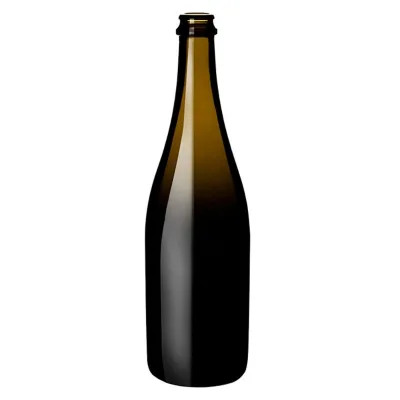
375ml 750ml Antique Green Premium Heavy Sparkling Wine Bottle Champagne Glass Bottle
$0.30 - $0.40
MOQ: 10000 Pieces




Bordeaux 750ml Wine Bottle Antique Green Glass Bottle for Red Wine Wholesale Glassware
$0.25 - $0.50
MOQ: 6000 Pieces


Empty Antique Green Wine Packaging 750ml Champagne Shaped Glass Wine Bottle
$0.25 - $0.50
MOQ: 6000 Pieces

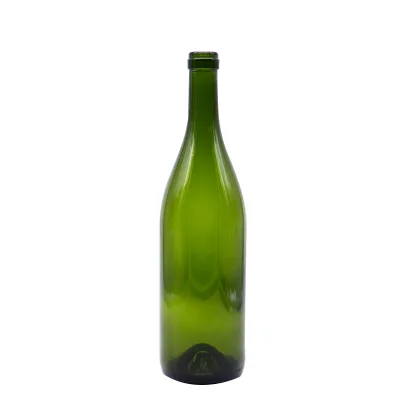
187ml Antique Green 187ml Glass Burgundy Wine Bottle with Aluminum Screw Cap
$0.25 - $0.50
MOQ: 6000 Pieces


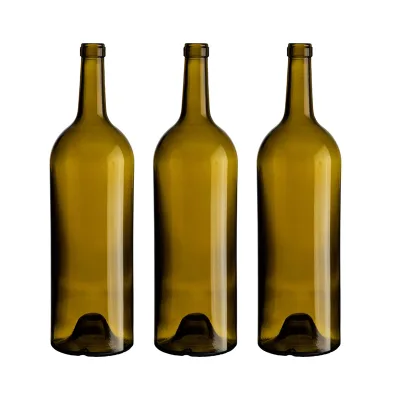


Wholesale Empty Antique Green Glass Wine Bottles with Cork Lid 750ml 500ml
$0.20 - $0.35
MOQ: 5000 pieces
Comprehensive Sourcing Guide
Antique Green Wine Bottle Sourcing Guide
Procuring antique green wine bottles requires distinguishing between genuine vintage inventory and modern reproductions designed to mimic historical aesthetics. Buyers must verify that the "antique" designation refers to the specific glass coloration and surface texture rather than the age of the vessel itself. The supplied data indicates that modern manufacturers offer glass bottles with customizable surface handling, including frosting and painting, which can be utilized to achieve a distressed, aged appearance suitable for premium branding.
Sourcing strategies should prioritize suppliers who explicitly offer customization for both the bottle shape and the cap material, as the "antique" look often depends on the specific finish of the closure. While the core product is identified as a glass bottle, the availability of metal or plastic lids allows for a tailored aesthetic that complements the green glass. Buyers should focus on suppliers who can provide samples to validate the color depth and texture before committing to large-scale orders, ensuring the final product meets the desired historical visual standards.
Product Scope and Observed Listing Signals
The market for these vessels typically includes standard round bottle shapes with capacities ranging from 187ml to 750ml, though custom volumes are frequently available. Listings often highlight features such as being eco-friendly and lead-free, which are critical for modern beverage applications. The observed price range of 0.08 to 1.95 USD suggests a wide variance based on glass thickness, color intensity, and the complexity of the surface treatment applied to the bottle.
Buyers should note that while some listings specify a minimum order quantity of 5,000 pieces, others may require volumes up to 50,000 pieces, significantly impacting the initial capital outlay. The product scope extends beyond simple storage to include specialized sealing types like rubber stoppers, cork finishes, and screw caps, each offering a different visual and functional profile. Understanding these listing signals helps buyers align their inventory needs with the specific production capabilities of the supplier, ensuring the selected bottle supports the intended beverage type, whether it be wine, liquor, or spirits.
Technical Specifications to Verify
Verification of the glass material and color consistency is paramount, as the "antique green" hue must be uniform across the entire batch to maintain brand integrity. The supplied facts confirm that the primary material is glass, with options for transparent or colored finishes, but buyers must explicitly request color samples to ensure the green shade matches the historical aesthetic. Additionally, the surface handling processes, such as frosting or printing, must be evaluated for durability and adherence to the glass substrate to prevent peeling or fading during shipping and storage.
Capacity and dimensional accuracy are equally critical, with standard models available in 250ml, 330ml, 500ml, and 750ml sizes, alongside fully customizable options. Buyers must confirm that the bottle's neck finish aligns with the chosen closure type, whether it is a screw cap, dropper, or sprayer, to ensure a secure seal. The shape is predominantly round, but the specific curvature and wall thickness should be verified against the intended liquid's viscosity and the required shelf-life stability, as these factors influence the bottle's structural integrity and visual appeal.
Compliance and Safety Documentation
Ensuring that the glass bottles meet international safety standards is essential for protecting both the consumer and the brand reputation. The supplied data mentions SGS certification, which serves as a baseline indicator of quality control, but buyers should request specific test reports regarding lead content and heavy metal leaching, especially since the product is marketed as lead-free. This documentation is crucial for beverages intended for human consumption, as it verifies that the glass composition does not introduce harmful substances into the wine or spirits stored within.
Beyond material safety, compliance with packaging and shipping standards must be confirmed to prevent breakage during transit. The observed packaging options include cartons, pallets, and bulk arrangements, all of which must be validated for their ability to protect the fragile glass. Buyers should verify that the supplier adheres to relevant export standards for glassware, ensuring that the packaging design minimizes movement and absorbs shock. This due diligence prevents financial losses from damaged goods and ensures that the product arrives in pristine condition, ready for immediate labeling and distribution.
Cost Drivers and Commercial Terms
The final cost of antique green wine bottles is heavily influenced by the customization level, particularly regarding color consistency and surface treatments like frosting or printing. While base prices may appear low, the addition of specific finishes or custom molds can significantly increase the unit cost. Buyers must analyze the trade-off between standard inventory, which often has a lower MOQ of 5,000 pieces, and custom orders that may require higher volumes and longer lead times, potentially reaching 10 days or more depending on the complexity of the request.
Commercial terms regarding shipping and payment are equally critical, as the heavy nature of glass bottles increases freight costs. The observed shipping methods include air express and sea shipping, with sea freight being the more economical choice for large orders despite the longer transit time. Buyers should negotiate clear terms for packaging, such as palletized bulk shipments, to optimize container space and reduce per-unit shipping costs. Understanding these cost drivers allows for accurate budgeting and prevents unexpected expenses that could erode profit margins on the final beverage product.
Supplier Qualification and Quality Control
Selecting a qualified supplier involves verifying their production capacity and their ability to maintain consistent quality across large batches. The data indicates that suppliers offer OEM services and accept customization, but buyers must assess their track record for delivering on time and meeting strict color specifications. A robust quality control process should include random sampling during production and final inspection before packaging to ensure that every bottle meets the required aesthetic and functional standards.
Buyers should also evaluate the supplier's flexibility in handling defects and their willingness to provide free samples for pre-production approval. The availability of free samples is a positive indicator of supplier confidence, allowing for a thorough evaluation of the bottle's color, shape, and seal integrity. Establishing a clear communication channel for quality feedback ensures that any deviations from the agreed-upon specifications are addressed immediately, preventing the acceptance of substandard inventory that could damage the brand's reputation in the marketplace.
Long-Term Procurement Checks
Establishing a long-term partnership requires regular audits of the supplier's production processes and adherence to agreed-upon quality metrics. Buyers should implement a schedule for periodic re-inspection of the glass bottles to ensure that the color and surface finish remain consistent over time, as variations can occur due to changes in raw materials or manufacturing conditions. This proactive approach helps maintain brand consistency and prevents the introduction of defective products into the supply chain.
Furthermore, buyers must monitor the supplier's ability to scale production in response to fluctuating market demand without compromising quality. The observed MOQ ranges from 5,000 to 50,000 pieces, indicating that suppliers may have different capacity thresholds. Developing a flexible procurement strategy that accommodates both small batch testing and large volume replenishment ensures that the business can adapt to market changes efficiently. Regular reviews of lead times and shipping performance will also help identify potential bottlenecks and ensure a reliable supply of antique green wine bottles for ongoing operations.
FAQs
What is the standard capacity for antique green wine bottles?
The standard capacity for these bottles is typically 750ml, which aligns with common wine packaging requirements. Some suppliers also offer 187ml, 200ml, 250ml, 330ml, and 500ml options. Customized volumes are available upon request to meet specific product needs.
What materials are used for antique green wine bottles?
These bottles are primarily made of glass, which ensures durability and a premium appearance suitable for wine and other beverages. The material is recyclable and eco-friendly, supporting sustainable packaging goals. Customization options are available for specific material requirements.
What sealing types are available for these wine bottles?
Common sealing types include screw caps, cork finishes, and rubber stoppers. The choice depends on the intended use and preservation needs of the beverage. Suppliers can provide various cap options to ensure a secure and aesthetically pleasing closure.
What is the minimum order quantity for antique green wine bottles?
The minimum order quantity varies by supplier, with common thresholds including 5,000 pieces and 50,000 pieces. Some suppliers offer stock availability at lower MOQs. Buyers should confirm specific MOQ requirements based on their volume needs and customization preferences.
What certifications are available for these glass wine bottles?
Suppliers often provide SGS certification to verify product quality and safety standards. This certification helps ensure that the bottles meet international requirements for food and beverage packaging. Buyers should request documentation to verify compliance with their specific regulatory needs.
What surface handling options are available for these bottles?
Surface handling options include frosting, painting, and printing to enhance the bottle's appearance. Customized surface treatments are available to match brand identity and design preferences. These processes allow for unique branding and visual differentiation in the market.
What packaging options are provided for shipping these bottles?
Bottles are typically packed in cartons or pallets for safe transportation. Custom packaging solutions are available to meet specific logistics requirements. Suppliers may offer safety carton packages or bulk pallet options to ensure product integrity during shipping.