Find App Control Lightsaber for Cosplay, Dueling & Gifts
Browse 13 App Control Lightsaber listings from Guangdong manufacturers, including Xenopixel and Proffie models with RGB LED blades, aluminum alloy hilts, and USB-C charging. Compare features, MOQs, and prices from 1.5 to 210 USD, then request samples or quotes for wholesale orders.
Key considerations
Products List
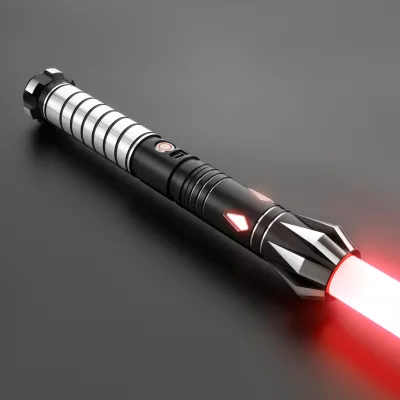
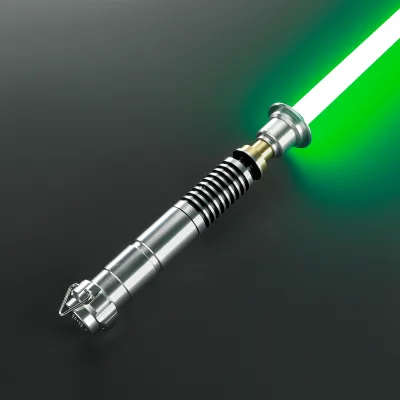
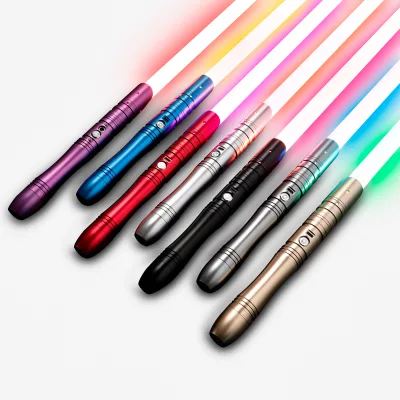
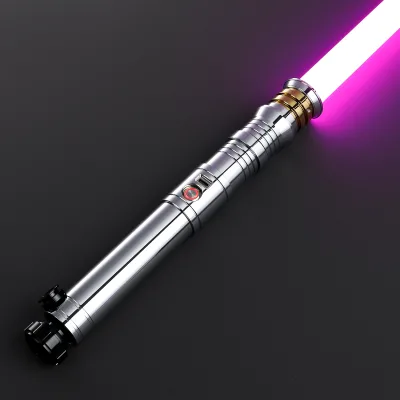
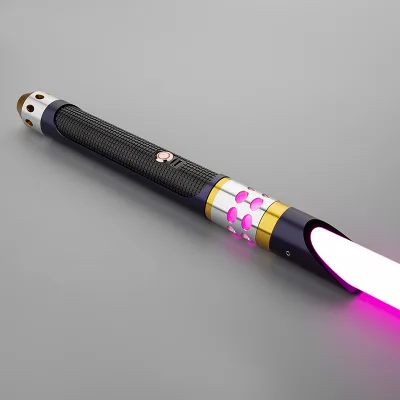
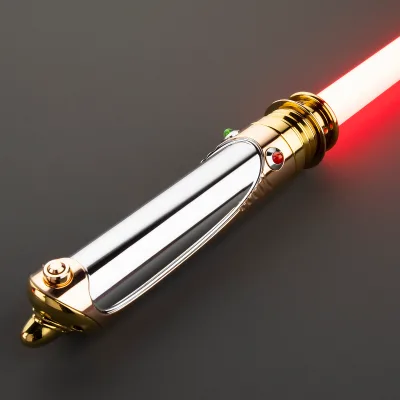
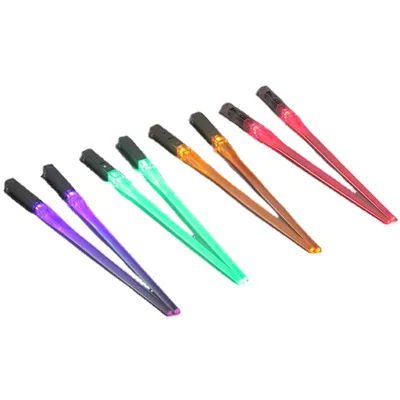


Comprehensive Sourcing Guide
App Control Lightsaber Sourcing Guide
Sourcing electronic prop weapons requires a disciplined approach to balancing aesthetic fidelity with functional reliability. The market for these items, often categorized under cosplay or interactive entertainment, has evolved from simple plastic toys to complex devices featuring programmable logic, high-fidelity audio, and dynamic lighting effects. Buyers must navigate a landscape where product names like "Lightsaber" are used broadly, yet the underlying technology varies significantly between basic LED props and advanced systems with sound fonts and clash detection. Understanding the distinction between a static prop and an interactive device is the first step in defining procurement requirements.
The term "app control" suggests a level of customization and connectivity that goes beyond standard off-the-shelf models. While many listings highlight features like RGB LEDs and multiple sound fonts, true app integration often implies the use of specific controller boards, such as Proffie or Xenopixel, which allow users to customize blade behavior, sound sets, and light effects via mobile applications. Procurement teams must verify whether the "app control" feature is a native capability of the included board or if it requires additional configuration. This distinction impacts not only the unit cost but also the technical support and training required for end-users or retailers.
Product Scope and Observed Listing Signals
The current market offers a diverse range of lightsaber products, primarily originating from Guangdong, China, with a notable concentration of brands such as hengge, LGT Saberstudio, and Nexussaber. These manufacturers provide various configurations, ranging from empty hilts to fully assembled units with pre-installed electronics. The observed product count indicates a healthy supply base, allowing buyers to compare different tiers of quality and feature sets. It is crucial to recognize that while the core product name remains consistent, the internal components, such as the blade material and hilt construction, vary to meet different price points and durability expectations.
Listing signals reveal a strong emphasis on visual and auditory immersion, with features like 12W RGB LEDs, 2-3W speakers, and extensive sound font libraries being common selling points. Many suppliers highlight the availability of OEM and ODM services, indicating that these manufacturers are equipped to handle custom branding and design modifications for bulk orders. The presence of sample availability and drop shipping support suggests a flexible supply chain structure, catering to both large-scale distributors and smaller retailers. Buyers should pay close attention to these signals to determine if a supplier’s capabilities align with their specific distribution model and customization needs.
Technical Specifications to Verify
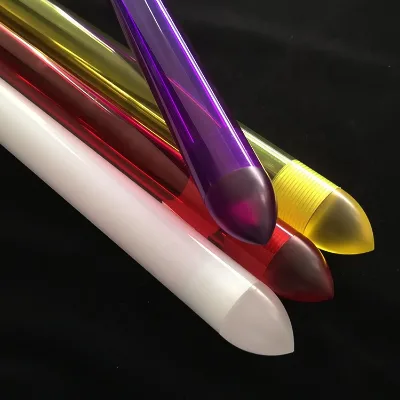
When evaluating technical specifications, the blade construction is a primary area of concern. Most observed products utilize polycarbonate blades with a default length of 92cm and a thickness of 2mm, though some variants offer 3mm thickness for enhanced durability. The blade tip is often designed as a removable bullet tip with a 1-inch outer diameter, which can affect compatibility with different hilt designs. Buyers must verify the material grade of the polycarbonate, as higher-quality materials resist cracking and yellowing better over time. Additionally, the hilt is typically constructed from aluminum alloy 6063, providing a sturdy and premium feel, but the finish quality and weight distribution should be assessed to ensure comfortable handling during extended use.
The electronic system is another critical specification, with battery capacity and charging methods varying across models. Common configurations include 3000mAh 18650 3.7V batteries, with charging times ranging from 2 to 8 hours depending on the specific model and charger type. Some units support USB-C and DC charging, offering flexibility for users. The controller board, whether it is a standard RGB setup or an advanced system like Proffie or Xenopixel, dictates the number of sound fonts and light effects available. Buyers should confirm the number of sound fonts, such as the 6/9 sets or 34 fonts observed in some listings, and verify the speaker quality, which is typically rated at 2-3 watts with 4/8 ohm impedance, to ensure clear audio output during dueling or display.
Compliance and Safety Documentation
Safety is paramount when sourcing electronic devices with lithium-ion batteries. Buyers must ensure that suppliers provide relevant safety certifications, such as CE and ROHS, which indicate compliance with European health, safety, and environmental protection standards. The observed listings mention specific certificate numbers, such as CE BSTXD200414606402EC and WUX202209093813EC, which should be verified for authenticity and relevance to the specific product batch. These certifications are essential for importing goods into regulated markets and demonstrate that the manufacturer adheres to recognized safety protocols.
In addition to external certifications, the internal safety systems of the battery and charging circuitry must be evaluated. Many advanced models include features like backward protection, overload protection, and over-discharge protection, which help prevent battery damage and reduce the risk of fire or explosion. Buyers should request detailed documentation on these safety mechanisms and verify that the battery cells are sourced from reputable manufacturers. Understanding the safety architecture of the product is crucial for liability management and ensuring the long-term reliability of the device for end-users.
Cost Drivers and Commercial Terms
The cost of lightsaber products is influenced by several factors, including the complexity of the electronic system, the quality of materials, and the level of customization required. Basic models with standard RGB LEDs and fewer sound fonts will be priced lower than advanced units featuring Proffie or Xenopixel boards with extensive customization options. The observed price range of 1.5 to 210 USD reflects this disparity, with higher prices corresponding to more sophisticated features and premium build quality. Buyers should align their budget with the desired feature set, avoiding over-specification for products that will be used primarily for display rather than active dueling.
Commercial terms such as MOQ, lead times, and shipping options also impact the total cost of ownership. While some suppliers offer low MOQs starting from 1 unit, others may require higher volumes for custom orders. The availability of drop shipping and mixed orders can reduce logistical costs for smaller buyers, while OEM/ODM services may incur additional setup fees. Buyers should negotiate clear terms regarding sample costs, which are often refundable upon bulk order, and clarify who bears the responsibility for shipping and import duties. Understanding these commercial dynamics helps in forecasting total expenses and planning inventory levels effectively.
Supplier Qualification and Quality Control
Supplier qualification involves assessing the manufacturer’s production capabilities, quality control processes, and after-sales support. Buyers should prioritize suppliers who offer sample availability, allowing for thorough testing of product features before committing to large orders. The ability to produce test samples is a strong indicator of a supplier’s confidence in their product quality and their willingness to engage in a transparent procurement process. Additionally, suppliers with established OEM/ODM capabilities are better positioned to handle custom branding and design requirements, ensuring that the final product meets specific market expectations.
Quality control measures should be clearly defined in the procurement agreement, including inspection criteria for both the hilt and blade components. Buyers should verify that the supplier conducts routine checks on electronic functionality, such as LED brightness, sound clarity, and battery performance. Requesting detailed product specifications and material certificates from the supplier can help ensure consistency across batches. Establishing a clear communication channel for addressing defects or discrepancies is essential for maintaining product quality and customer satisfaction, particularly when dealing with complex electronic devices.
Long-Term Procurement Checks
Long-term procurement success depends on the ability to monitor product performance and supplier reliability over time. Buyers should establish a feedback loop with end-users to gather insights on durability, battery life, and electronic functionality. This data can inform future purchasing decisions and help identify any recurring issues that need to be addressed with the supplier. Regularly reviewing supplier performance metrics, such as on-time delivery rates and defect percentages, ensures that the supply chain remains robust and responsive to market changes.
As technology evolves, suppliers may introduce new features or upgrade existing components, such as improved battery management systems or enhanced sound fonts. Buyers should stay informed about these developments to ensure that their product offerings remain competitive. Maintaining a relationship with suppliers who are committed to innovation and quality improvement can provide a strategic advantage in the market. By proactively managing supplier relationships and staying attuned to technological advancements, buyers can secure a reliable supply of high-quality lightsaber products that meet the evolving needs of their customers.
FAQs
What materials are used in App Control Lightsaber hilts and blades?
The listed lightsabers use aluminium alloy 6063 hilts paired with polycarbonate blades. The blades are typically 92cm long with 2mm thickness and 1 inch outer diameter, and are removable with a bullet tip. Polycarbonate offers excellent transparency and smooth surface finish, and options include clear, opal, black, red, and other colors depending on the model.
Which electronic board options are available for app control lightsabers?
Listed options include Baselit, Xenopixel, and Proffie configurations, plus empty hilts for self-assembly. Baselit models use a 12W RGB LED in the hilt, while pixel and Proffie versions support more advanced effects. Feature sets can include blaster, lock-up, flash on clash, six or nine sound fonts, and volume adjustment, with one model listing 34 sound fonts and 12 light effects.
How long does charging and playing take on a typical App Control Lightsaber?
These lightsabers use a 3000mAh 18650 3.7V safety battery inside the hilt. Charging time is typically 2 to 4 hours, and playing time after a full charge ranges from 4 to 8 hours depending on the board type, sound font usage, and light effects. Charging is supported through USB-C and DC, and safety systems cover over-discharge and overload protection.
What is included in the App Control Lightsaber package?
A standard package includes the lightsaber hilt, the blade, and a USB charging cable. Single package sizes are around 96X12X7 cm or 97X8X7 cm depending on the model, with single gross weights of roughly 0.96 to 1.6 kg. Selling units are single items, and empty hilt versions are also offered for buyers who only need the handle.
Can I order App Control Lightsaber samples before placing a bulk order?
Yes, samples are available, and test samples are listed among the topics of concern for these products. Suppliers also support drop shipping and accept mixed orders, so you can evaluate different board types and hilt colors before committing. Sample pricing and terms vary by model, so confirm details with the supplier before ordering.
Which certifications and tests apply to these app control lightsabers?
Products list ROHS testing as a standard, and certification records such as CE BSTXD200414606402EC and WUX202209093813EC appear on the listings. Certification coverage can differ between models and board types, so always request the specific certificate documents for the exact configuration you intend to purchase before finalizing a bulk order.
Can suppliers provide OEM or ODM customization for app control lightsabers?
Yes, OEM and ODM services are available on the listed products. Customization can cover hilt colors such as silver, black, gold, grey, red, blue, and purple, as well as sound fonts and blade options. Brand names on the listings include hengge, LGT Saberstudio, and Nexussaber, and products originate from Guangdong, China. Discuss artwork, packaging, and minimum quantities directly with suppliers.
What age range and audience suits app control lightsabers?
These lightsabers are rated for ages 14 years and up and are unisex. Stated uses include heavy dueling support, cosplay, training, sport, gifting, and general fun. Because hilts are machined aluminium and blades are rigid polycarbonate designed for dueling, younger children should not use them, and adult supervision is sensible for teenagers during practice.