Source Spiderman Plastic Toy Gun for Promotions, Gifts, and Play
Find 30 listings for the Spiderman Plastic Toy Gun, featuring models like JH-26080304 and 0075. Compare OEM/ODM options, ENASTM certifications, and packaging details from Guangdong suppliers to match your specific toy requirements; compare the available evidence and request quotations based on your requirements.
Key considerations
Products List
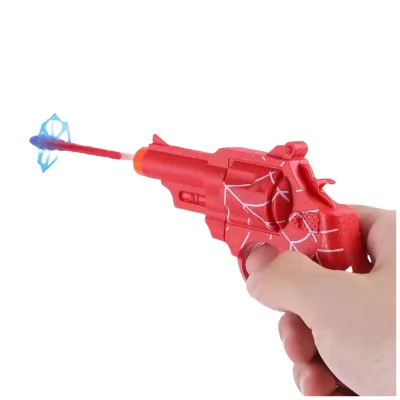


Operated Plastic Gun Toy with Light & Sound Kids of Plastic Kids Toy Gun
$2.10 - $2.30
MOQ: 100 Pieces


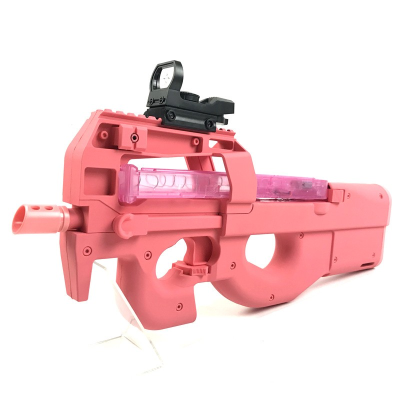


Colorful Plastic Spider Revolver Gun Shaped Suction Cup Bullet Toy Candy
$19.00 - $22.00
MOQ: 200 Boxes


Comprehensive Sourcing Guide
Spiderman Plastic Toy Gun Sourcing Guide
Sourcing Spiderman-themed plastic toy guns requires careful navigation of intellectual property rights, safety regulations, and material quality standards. Buyers must distinguish between licensed merchandise and generic action figures to avoid legal complications. The market offers a wide variety of designs, from simple blasters to complex action figures with painted details. Understanding the specific product attributes, such as material composition and age appropriateness, is crucial for selecting the right inventory for your target demographic.
This guide provides evidence-based procurement strategies for sourcing these items from manufacturers in Guangdong, China. It covers technical specifications, compliance documentation, cost drivers, and supplier qualification processes. By focusing on verified facts and trusted industry knowledge, buyers can make informed decisions that balance cost efficiency with product safety and legal compliance. The following sections detail the essential steps for successful sourcing, ensuring that your procurement efforts align with global market standards and consumer expectations.
Product Scope and Observed Listing Signals
The observed product listings indicate a diverse range of Spiderman-themed plastic toys, including toy guns, action figures, and inflatable items. Key attributes include materials such as plastic and PP, with colors predominantly in red and black. Age ranges vary from 3-8 years to 14 years and up, suggesting a broad market appeal. Customization options are available, allowing for OEM/ODM services, which is beneficial for brands seeking unique product offerings. The presence of various models, such as JH-26080304 and 0075, highlights the variety in design and functionality.
Listing signals also reveal details about packaging and shipping terms. Products are packed in cartons or color boxes, with outer carton specifications provided for some models. Shipping terms like FOB, CIF, and DDP are mentioned, indicating flexible logistics options. The lead time is noted as 30 days, which is a critical factor for inventory planning. Additionally, the shape and style of the products, ranging from human figures to cartoon toys, offer diverse aesthetic choices. Buyers should carefully review these signals to align product selection with their specific market needs and customer preferences.
Technical Specifications to Verify
Verifying technical specifications is essential to ensure product quality and functionality. Key attributes to confirm include the material composition, which is primarily plastic and PP, ensuring durability and safety. The age range should be clearly defined, with options for 3-8 years and 8-13 years, to match the intended user demographic. Product dimensions, such as 10cm tall for action figures or 414.518 for other items, should be verified to ensure they meet size expectations. Additionally, the type of product, whether folding, inflatable, or action figure, must be confirmed to align with the desired product category.
Further verification should include the printing and customization options. Logo printing methods, such as pad print or full color, should be assessed for quality and durability. The presence of painted details on action figures and the functionality of arms in certain models are also important technical aspects. Buyers should request samples to physically inspect these features, ensuring that the product meets the specified standards. Confirming these details helps prevent discrepancies between ordered and received goods, reducing the risk of returns or customer dissatisfaction.
Compliance and Safety Documentation
Compliance with safety standards is paramount when sourcing toys, especially those intended for children. Certifications such as ENASTM and CE are mentioned in the listings, indicating adherence to European and American safety standards. Buyers must verify the validity of these certifications by requesting test reports from accredited laboratories. These reports should confirm that the products meet specific safety requirements, including chemical composition, mechanical properties, and flammability. Ensuring compliance is crucial for market access and consumer trust, particularly in regulated markets like the EU and US.
In addition to certifications, buyers should check for intellectual property rights. Spiderman is a copyrighted character, and using it without proper licensing can lead to legal issues. Buyers must ensure that the supplier has the necessary licenses or that the product is a generic design that does not infringe on existing copyrights. Documentation such as license agreements or IP clearance certificates should be requested and reviewed. This step is vital to avoid legal disputes and ensure that the products can be legally sold in the target market.
Cost Drivers and Commercial Terms
Several factors influence the cost of Spiderman plastic toy guns, including material quality, customization options, and order volume. The observed price range of $0.1 to $41.11 USD reflects the diversity in product complexity and features. Higher-priced items likely include more detailed designs, additional accessories, or premium materials. Minimum Order Quantities (MOQs) range from 3 to 5000 units, offering flexibility for both small and large buyers. Understanding these cost drivers helps buyers budget effectively and negotiate favorable terms with suppliers.
Commercial terms such as payment methods, shipping costs, and lead times also impact the overall cost. The mentioned lead time of 30 days should be factored into inventory planning to avoid stockouts. Shipping terms like FOB, CIF, and DDP affect who bears the transportation costs and risks. Buyers should clarify these terms in the contract to avoid unexpected expenses. Additionally, customization costs, such as logo printing or packaging design, should be discussed upfront to ensure they are included in the final price. Transparent communication about these terms is key to a successful procurement process.
Supplier Qualification and Quality Control
Qualifying suppliers is a critical step in ensuring product quality and reliability. Buyers should verify the supplier's business license, manufacturing capabilities, and quality control processes. Suppliers located in Guangdong, China, are known for their expertise in toy manufacturing, but due diligence is still necessary. Requesting references or case studies from previous clients can provide insights into the supplier's performance and reliability. Additionally, conducting factory audits, either in person or through third-party agencies, can help assess the production environment and quality management systems.
Quality control measures should be established to monitor product consistency and compliance. This includes implementing pre-production samples, in-process inspections, and final random inspections. Buyers should define clear quality standards and acceptance criteria in the contract. Regular communication with the supplier during production can help identify and address issues early. Furthermore, establishing a feedback loop for post-delivery quality assessments can help improve future orders. A robust quality control system minimizes the risk of defects and ensures that products meet the specified requirements.
Long-Term Procurement Checks
Long-term procurement success requires continuous monitoring and evaluation of supplier performance. Buyers should establish key performance indicators (KPIs) such as on-time delivery rate, product quality, and responsiveness to issues. Regular reviews of these metrics can help identify areas for improvement and strengthen the supplier relationship. Additionally, staying updated on changes in safety regulations and market trends is essential to ensure ongoing compliance and relevance. Buyers should proactively engage with suppliers to discuss new product developments and potential improvements.
Building a diversified supplier base can mitigate risks associated with single-source dependencies. Buyers should consider sourcing from multiple suppliers to ensure supply chain resilience. Regularly evaluating alternative suppliers can also help maintain competitive pricing and quality standards. Furthermore, fostering a collaborative relationship with suppliers can lead to better terms and innovation. By implementing these long-term checks, buyers can ensure a stable and efficient procurement process, supporting sustainable business growth and customer satisfaction.
FAQs
What materials are used for the Spiderman toy gun?
The product is primarily constructed from plastic and PP materials. These durable components ensure safety for children aged 3 to 13 years. The manufacturing process involves injection molding with painted finishes to create detailed action figures suitable for various play styles.
Which certifications does the toy gun meet?
The toy gun meets ENASTM and CE certification standards. These certifications verify that the product adheres to international safety requirements for children's toys. Buyers can rely on these documented standards when sourcing products for markets with strict regulatory compliance needs.
Can I customize the logo on the toy gun?
Yes, customization is available for logo printing on the product. Options include simple color pad printing or full color imprinting depending on your requirements. OEM and ODM services are offered to help brands create unique designs that match their specific marketing strategies effectively.
What is the lead time for production orders?
The standard lead time for production is approximately 30 days. This duration allows for quality control and efficient manufacturing processes. Buyers should plan their inventory accordingly to ensure timely delivery, especially when ordering large quantities that may require extended production schedules.
How is the product packaged for shipping?
Products are packed in color boxes and then placed into outer cartons for protection. Some items may also be shipped in cartons depending on the specific model ordered. This packaging ensures the toys remain secure during transit and are ready for retail display upon arrival.
What is the minimum order quantity for this item?
The minimum order quantity ranges from 3 to 5000 units depending on the specific product configuration. Flexible MOQs allow buyers to test the market with smaller orders or fulfill large retail demands. This range accommodates both small businesses and large distributors seeking reliable supply chains.
Where is the product manufactured?
The product is manufactured in Guangdong, China. This location is a major hub for toy production with established supply chains. Buyers can expect efficient logistics and access to a wide range of manufacturers specializing in plastic toys and action figures for global export.