Source TPR Stress Relief Squeeze Toys for Promotions
Find 30 TPR Stress Relief Squeeze Toys from verified suppliers. Compare PU foam and soft silicone options for promotional gifts, anxiety relief, and kids' play. Review customization, MOQ, and packaging details to select the right stress ball for your business needs.
Key considerations
Products List


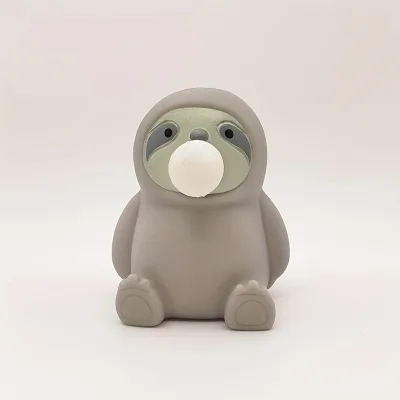


Capsule Toy TPR Soft Color Change Squishy Ball Squeeze Toys Stress Ball Toys
$0.14 - $0.16
MOQ: 10000 Pieces



Comprehensive Sourcing Guide
TPR Stress Relief Squeeze Toys Sourcing Guide
Buyers evaluating this category must first distinguish between PU foam and TPR variants, as the supplied data indicates both materials are actively marketed for stress relief. The observed listings reveal a clear split where some products are explicitly labeled as PU foam while others specify TPR or soft silicone compositions. This material distinction directly impacts the tactile feel, durability, and suitability for specific user demographics, requiring procurement teams to verify the exact polymer blend before finalizing orders.
The commercial landscape for these items shows a wide variance in minimum order quantities, ranging from small batches of 10 units to large industrial orders of 10,000 units. This flexibility suggests a market catering to both promotional agencies needing small, customized runs and larger retailers seeking bulk inventory. Procurement strategies should align with these MOQ ranges to optimize cash flow, ensuring that the chosen supplier can accommodate the specific volume requirements without imposing unnecessary financial barriers on smaller initial orders.
Product Scope and Observed Listing Signals
The product scope encompasses a diverse range of stress relief items, including stress balls, squishy toys, and squeeze funny toys designed for anxiety relief and kids playing. Listings frequently highlight customization options such as custom logos, colors, and packaging details, indicating that these items are primarily intended for promotional use or branded corporate gifts. Buyers should note that while the core function remains consistent, the specific application varies from general adult stress management to targeted play for children aged 8 to 13 years and up.
Observed listing signals reveal significant variation in packaging and physical dimensions, with some items packed individually in OPP bags while others utilize carton packaging for bulk shipping. The single package sizes range from compact 1x1x1 cm units to larger dimensions like 10.0x8.0x8.4 cm, reflecting differences in product density and intended presentation. Procurement teams must carefully review these physical attributes to ensure the selected items fit within their logistical constraints and meet the specific branding or gifting requirements of their end customers.
Technical Specifications to Verify
Technical verification begins with confirming the exact material composition, as the market offers both TPR and PU foam options with distinct performance characteristics. Buyers should request detailed material safety data sheets to ensure the selected polymer meets the required softness and elasticity for the intended use case, whether it is for high-frequency squeezing or long-term durability. The presence of specific model numbers like ANN0713 or OLW1089 in listings suggests that standardization exists, but buyers must confirm that the specific model matches the desired physical properties and weight specifications.
Dimensional accuracy and weight consistency are critical technical parameters that vary significantly across the observed product range. Some listings specify a single gross weight of 0.8 kg for larger units, while others indicate a lightweight 40g profile for smaller squishy toys. Procurement teams must validate that the single package size and gross weight align with shipping cost calculations and that the product dimensions remain consistent across production batches to avoid discrepancies in retail packaging or consumer expectations.
Compliance and Safety Documentation
Compliance verification is essential given the diverse age ranges associated with these products, which include items suitable for children aged 8 to 13 years and up. Buyers must ensure that suppliers provide evidence of safety testing, particularly for toys intended for younger demographics, to confirm the absence of harmful substances in the TPR or silicone materials. While specific certification names like ENCE are observed in some listings, procurement teams should not assume universal compliance and must request current test reports for every batch to verify adherence to relevant regional safety standards.
Documentation regarding the origin of materials and manufacturing processes is equally important for maintaining brand integrity and meeting import regulations. The observed data indicates origins in Fujian and Zhejiang, China, which are known manufacturing hubs, but buyers should verify that the production facilities adhere to international quality management systems. Ensuring that the supplier can provide traceability for the raw materials used in the TPR or PU foam is a critical step to mitigate risks associated with supply chain disruptions or regulatory non-compliance.
Cost Drivers and Commercial Terms
Cost drivers in this category are heavily influenced by the level of customization required, including custom logos, specific colors, and unique packaging configurations. The observed price range of 0.14 to 4.5 USD suggests that basic, unbranded items are significantly cheaper than those featuring complex printing or specialized molds. Buyers should analyze the cost impact of each customization option to determine the optimal balance between brand visibility and unit cost, ensuring that the final price point remains competitive within their target market.
Commercial terms regarding minimum order quantities and lead times vary widely, with some suppliers accepting orders as low as 10 units while others require volumes up to 10,000 units. This variance allows for flexible procurement strategies, but buyers must negotiate clear terms regarding production lead times and payment schedules to manage cash flow effectively. Understanding the relationship between order volume and unit price is crucial, as larger orders often yield better per-unit costs but require higher upfront capital and longer storage commitments.
Supplier Qualification and Quality Control
Supplier qualification should focus on verifying their capability to handle both OEM and ODM requests, as the observed data indicates a strong market preference for customized solutions. Buyers must assess the supplier's experience with specific materials like TPR and PU foam to ensure they can maintain consistent quality across different product lines. The ability to accept custom orders for logos and colors is a key differentiator, and suppliers should demonstrate a robust process for managing these variations without compromising the structural integrity of the stress relief toys.
Quality control protocols must be established to ensure that the final products meet the specified weight, size, and material standards. Buyers should implement a rigorous inspection process that includes checking for defects in the molding, verifying the accuracy of custom printing, and confirming that the packaging details match the agreed-upon specifications. Regular audits of the production line and random sampling of finished goods are essential to maintain consistency and prevent the distribution of substandard items that could damage the buyer's brand reputation.
Long-Term Procurement Checks
Long-term procurement success depends on establishing a reliable supply chain that can adapt to fluctuating market demands and evolving consumer preferences. Buyers should maintain open communication channels with suppliers to stay informed about material availability and potential production delays, ensuring that inventory levels remain sufficient to meet customer needs. The ability to scale orders up or down based on market trends is a critical factor, and suppliers must demonstrate the flexibility to accommodate these changes without significant disruptions to the delivery schedule.
Continuous monitoring of product performance and customer feedback is necessary to identify areas for improvement and ensure long-term satisfaction. Buyers should track metrics such as return rates, customer complaints, and repeat order volumes to assess the quality and appeal of the stress relief toys over time. By maintaining a proactive approach to quality management and supplier relationship building, procurement teams can secure a competitive advantage and ensure a steady supply of high-quality TPR Stress Relief Squeeze Toys for their business.
FAQs
What materials are used for these stress relief toys?
These toys are made from PU foam, TPR, or soft silicone materials. The product descriptions confirm the use of PU foam for stress balls and TPR or soft silicone for squishy squeeze toys. Buyers can select based on the desired texture and durability for promotional or personal use.
Can I request a custom logo on these squeeze toys?
Yes, custom logo printing is available for these products. The listings explicitly state that customized logos can be printed on the items. This customization option allows buyers to brand the stress relief toys for promotional campaigns or corporate gifts effectively.
What is the minimum order quantity for these toys?
The minimum order quantity starts at 10 pieces for some items. Other listings indicate an MOQ of 100 pieces depending on the specific product model. Buyers should verify the exact MOQ for their chosen model number before placing an order.
Are these toys suitable for children in specific age groups?
Yes, these toys are designed for children aged 8 to 13 years and those 14 years and up. The product attributes specify this age range to ensure safety and suitability. They function as anti-stress squeeze toys suitable for kids playing and anxiety relief.
How are these stress balls packaged for shipment?
Packaging details vary by product but often include OPP bags or poly bags. Some items are packed with 10 pieces into one poly bag, while others use carton packaging for bulk orders. The specific packing method depends on the selected model and order quantity.
Which certifications do these products meet?
Some of the listed products hold the ENCE certification. This certification is explicitly mentioned in the product attributes for certain stress ball models. Buyers seeking certified items should verify the specific model number to confirm compliance with this standard.
Where are these toys manufactured?
These toys originate from China, specifically from Fujian and Zhejiang provinces. The product facts list these locations as the place of origin for the various models. Buyers can expect manufacturing to take place within these regions of China.