Source Articulated Photovoltaic Panel Lift for Farms, Homes, and Construction
Compare 30 Articulated Photovoltaic Panel Lift options for farms, home use, and construction works. These electric hoists feature aluminum alloy construction, remote control, and lifting heights up to 20m to transport solar panels efficiently; compare the available evidence and request quotations based on your requirements.
Key considerations
Products List


Solar Panel Ladder Elevator Ladder Lifter Photovoltaic Panel Hoist Lift
$336.00 - $440.00
MOQ: 2 pieces

Electric Solar Panel Ladder Lift Photovoltaic Panel Hoist Lift Glass Elevator
$336.00 - $440.00
MOQ: 2 pieces


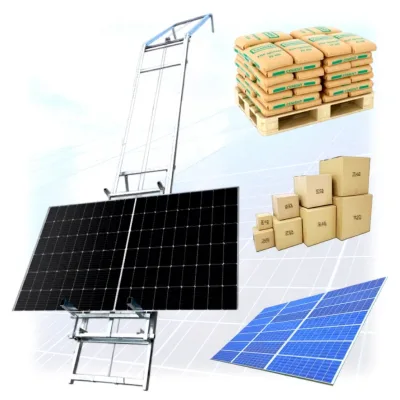


Innovative Automatic Self-Propelled Folding Lift Platform for Easy Access
$6000.00 - $20000.00
MOQ: 1 Pieces


PV Panel Bevel Extension Lift for Solar Panels and Solar Bracket Installation
$350.00 - $400.00
MOQ: 5 Pieces

Comprehensive Sourcing Guide
Articulated Photovoltaic Panel Lift Sourcing Guide
Procurement professionals must first distinguish between general lifting equipment and specialized articulated systems designed specifically for solar panel installation. The observed market data indicates a strong presence of electric hoists and small cranes marketed as solar panel lifts, with specific models like the MIDE-SPH and MDSPL4-18 appearing frequently. Buyers should verify that the articulated mechanism is explicitly intended for transporting photovoltaic modules to rooftops or elevated farm structures, rather than generic construction materials.
The product listings reveal a diverse range of lifting heights, typically spanning from 4 to 18 meters, with some configurations extending up to 20 meters. This variability requires careful alignment with the specific site constraints of the project, whether it involves building construction, warehouse operations, or agricultural farms. Sourcing teams must ensure the selected unit matches the vertical reach required for the target installation height while maintaining stability during the lifting process.
Product Scope and Observed Listing Signals
Buyers should scrutinize the listed application scenarios to confirm the equipment is suitable for the intended environment, such as drywall panel hoisting or general building material lifting. The observed data highlights that these units are often marketed for use in farms, home use, and construction works, suggesting a versatile design that can adapt to various industrial and residential settings. It is critical to validate that the specific model selected supports the weight and dimensions of the solar panels being handled.
The material composition of the lifting equipment is another key signal, with aluminum alloy and steel being the primary materials observed in the product specifications. These materials offer a balance of durability and weight reduction, which is essential for mobile lifting operations. Procurement teams must verify that the structural integrity of the aluminum alloy and steel components meets the demands of repeated lifting cycles without compromising safety or performance.
Technical Specifications to Verify
Technical due diligence must focus on the lifting capacity and speed to ensure the equipment can handle the load efficiently. The observed load capacities range from 150kg to 240kg, with specific models listing a 200kg limit, which must be sufficient for the heaviest solar panel arrays planned for installation. Additionally, the lifting speed of 10 to 16 meters per minute should be evaluated against project timelines to ensure that the installation process remains efficient and cost-effective.
Power requirements and control methods are equally critical for operational safety and ease of use. The observed voltage of 220V and power rating of 2.2kw indicate a standard electric power source, but buyers must confirm compatibility with local power infrastructure. Furthermore, the availability of remote control or wireless control options should be verified to allow operators to manage the lift from a safe distance, reducing the risk of accidents during the installation of heavy photovoltaic panels.
Compliance and Safety Documentation
Safety compliance is paramount when sourcing lifting equipment for solar panel installation, and the presence of CE certification is a baseline requirement observed in the market. Buyers must ensure that the supplier provides valid CE marks and ISO9001:2015 certification to confirm adherence to international quality and safety standards. These certifications serve as evidence that the manufacturing process and final product have undergone rigorous testing and quality assurance procedures.
In addition to general certifications, specific machinery test reports should be requested to validate the performance and safety of the lifting system. The observed data indicates that some suppliers provide machinery test reports, which are essential for verifying the structural integrity and operational safety of the equipment. Procurement teams should insist on these documents to ensure that the lifting equipment meets all necessary safety regulations before deployment on a construction site or farm.
Cost Drivers and Commercial Terms
The price range for articulated photovoltaic panel lifts is significant, observed between 210 and 90,000 USD, reflecting the wide variation in capacity, height, and customization options. Buyers must analyze the cost drivers, such as the lifting height, load capacity, and material quality, to understand the pricing structure. It is essential to request detailed quotes that break down the costs associated with the motor, transmission system, and control mechanisms to avoid hidden expenses.
Commercial terms, including minimum order quantities and packaging standards, also influence the total cost of ownership. The observed MOQ ranges from 1 to 5 units, offering flexibility for smaller projects, while packaging options vary from standard export packages to specific packing boxes. Procurement teams should negotiate terms that align with their project scale, ensuring that the shipping and handling costs are minimized while maintaining the integrity of the equipment during transit.
Supplier Qualification and Quality Control
Supplier qualification requires a thorough assessment of the manufacturer's origin and production capabilities, with Hebei, China, being a noted origin for these products. Buyers should verify the supplier's track record in producing electric hoists and lifting equipment, ensuring they have the necessary infrastructure to maintain consistent quality. The condition of the products, typically listed as new, should be confirmed through factory audits or third-party inspections to guarantee that the equipment is not refurbished or damaged.
Quality control measures must be integrated into the procurement process to ensure that the delivered equipment meets the specified standards. The observed specifications, such as the weight of 55kg and single gross weight of 85kg, should be verified against the actual delivered units to prevent discrepancies. Buyers should implement a rigorous inspection protocol that includes checking the splicing of the three-section structure and the functionality of the electric control system before final acceptance.
Long-Term Procurement Checks
Long-term procurement success depends on establishing a reliable supply chain that can support ongoing maintenance and spare parts availability. Buyers should verify the availability of replacement parts for the motor, wire rope slings, and control systems to minimize downtime during the operational life of the equipment. A proactive approach to maintenance planning ensures that the lifting equipment remains in optimal condition, reducing the risk of unexpected failures during critical solar panel installation phases.
Performance monitoring and feedback loops are essential for continuous improvement in the procurement process. Buyers should track the performance of the articulated photovoltaic panel lifts in real-world applications, noting any issues related to lifting speed, capacity, or control responsiveness. This data should be used to refine future procurement decisions, ensuring that the selected equipment continues to meet the evolving needs of the solar installation industry.
FAQs
What is the lifting capacity of the solar panels lift?
The lifting capacity ranges from 150kg to 240kg, with specific models supporting up to 200kg. This range accommodates standard photovoltaic panel weights for efficient transport. The equipment is designed for stability during vertical movement in construction and farm settings. Always verify the exact load rating for your specific panel size before operation to ensure safety and compliance with the machinery test report provided.
Can the Articulated Photovoltaic Panel Lift be customized?
Yes, customization is available for the solar panel lifting equipment. Buyers can request specific modifications to suit unique project requirements or site conditions. The product supports various applications including building construction and warehouse use. Custom options may include control methods like wireless remote control. Contact suppliers directly to discuss specific customization needs and ensure the final configuration meets your operational standards.
What certifications does the solar panels lift have?
The equipment holds CE certification, ensuring compliance with European safety standards. Some listings also mention ISO9001:Condition:New, indicating quality management adherence. These certifications verify the product meets essential safety and performance requirements for industrial use. The CE mark is critical for importing into many global markets. Always request valid certification documents from the supplier to confirm the specific batch meets regulatory standards for your region.
How high can the solar panel lift raise panels?
The lifting height typically ranges from 4 to 18 meters, with some models extending up to 20 meters. This vertical reach allows for efficient installation on multi-story buildings or large structures. The electric hoist mechanism ensures smooth and controlled ascent. Select the model based on your specific building height requirements. The 4-18m range covers most standard construction projects, while taller options are available for specialized high-rise applications.
What is the power source for the electric hoist?
The power source is electric, operating on a 220V voltage supply. The motor power is typically 2.2kw, providing sufficient energy for lifting operations. This electric system ensures quiet and clean operation suitable for indoor and outdoor use. The power source supports continuous lifting speeds of 10-16m/min. Ensure your site has adequate electrical infrastructure to support the 220V requirement for safe and efficient operation.
What material is used to construct the lift?
The lift is constructed from aluminum alloy, steel, and metal components. Aluminum alloy is often used for the main structure to reduce weight while maintaining strength. Steel parts provide durability for high-load applications. The material choice ensures resistance to corrosion and wear in various environments. This combination offers a balance of lightweight portability and heavy-duty performance for transporting solar panels in construction and farm settings.