Source ASME EN GB Door Latch for Household, Bedroom, and Channel Use
Compare 30 verified ASME EN GB Door Latch options from Chinese manufacturers. Buyers can review stainless steel and iron models with varying lock body types, finishes, and customization levels for household and bedroom applications.
Key considerations
Products List


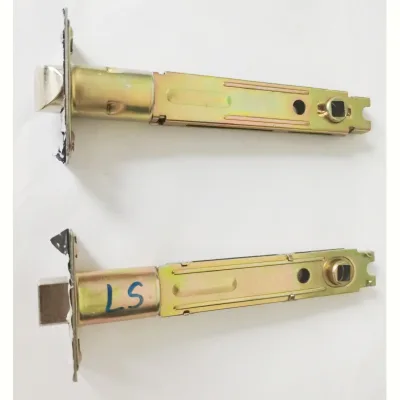
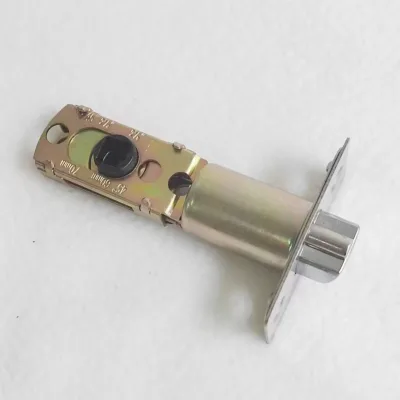
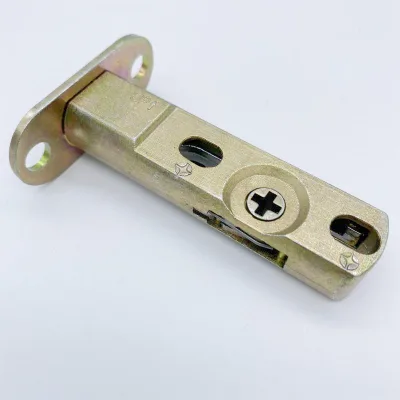
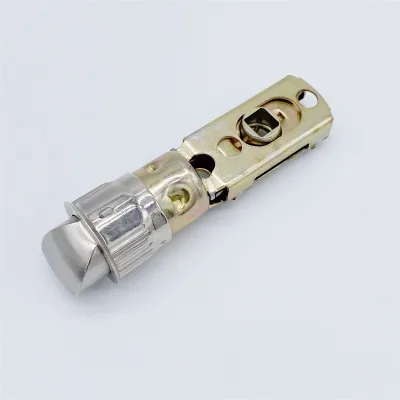


OEM Toggle Lock Hasp Latch /Hasp Side Door Lock/Cabinet Toggle Hasp Latch
$0.51 - $1.53
MOQ: 100 Pieces


Comprehensive Sourcing Guide
Strategic Sourcing Guide for ASME, EN, and GB Compliant Door Latches
The global procurement landscape for door latches and locking mechanisms requires a nuanced understanding of regional standards, specifically the American Society of Mechanical Engineers (ASME), European Norms (EN), and British Standards (GB). Buyers sourcing these components must navigate a complex matrix of material specifications, mechanical tolerances, and compliance requirements. This guide synthesizes available market data and technical attributes to provide a disciplined framework for evaluating suppliers and selecting products that meet rigorous safety and performance criteria. The focus remains on evidence-based decision-making, ensuring that procurement strategies align with verified product attributes rather than unconfirmed marketing claims.
Technical Specifications and Mechanical Attributes
When evaluating door latches, the primary technical differentiators lie in the lock body structure, material composition, and dimensional tolerances. The market offers a diverse range of configurations, from single-bolt mechanisms to triple-lock systems. A critical observation in current product listings is the prevalence of stainless steel and iron as primary materials. Stainless steel variants are often associated with higher corrosion resistance and durability, particularly for exterior applications, while iron-based latches are frequently utilized for interior or heavy-duty structural applications where cost-efficiency is a priority.
Dimensional compatibility is a paramount concern. Specifications indicate that door thickness fits can be customized, yet standard profiles often align with specific metric ranges. For instance, certain lock cylinder lengths are standardized at 70mm, while backsets are commonly observed at 60mm. Width and thickness variations are equally critical; some models feature a width of 42mm with a thickness of 1.8mm, whereas others may present as narrow as 18mm. The pin diameter, another vital mechanical parameter, is observed at 7mm in specific high-security configurations.
The style of the lock cylinder also dictates the application. European style lock cylinders are distinct from traditional American profiles, often requiring specific bore hole dimensions and mounting hardware. Furthermore, the key type plays a significant role in security; double-row anti-dialing keys are a notable feature in high-security models, designed to resist manipulation. The lock body type, whether quad, triple, or single bolt, determines the locking mechanism's engagement points. For example, a "Stay Locked" shape attribute suggests a specific mechanical state where the latch remains engaged under certain conditions, a feature often required for fire-rated or high-security door assemblies.
Compliance and Certification Verification
Navigating the regulatory landscape for door latches involves verifying adherence to ASME, EN, and GB standards. While specific certification documents like CE or EN1935 are often cited in the broader industry, buyers must exercise caution. These standards are not universally applied to every listed product without explicit verification. The "Anti-theft Standard: A" observed in some product data points indicates a specific security rating, but this should be treated as a product-specific attribute rather than a blanket certification for all inventory.
Buyers must distinguish between generic compliance claims and verified test results. The ASME standards, particularly those related to door hardware, focus on operational life, mechanical strength, and fire resistance. Similarly, EN standards in Europe and GB standards in the United Kingdom often reference specific performance thresholds for latch retraction force and bolt throw. When sourcing, it is essential to request third-party test reports that explicitly reference the specific standard number (e.g., EN 1935 for door hardware performance) rather than relying on general statements.
The "A" key level and "A" anti-theft standard observed in the data suggest a tiered security classification. However, without explicit documentation linking these levels to the specific ASME or EN clauses, procurement teams should treat them as internal supplier classifications. The verification process should involve a direct request for the test methodology used to achieve these ratings. For instance, does the "A" rating refer to the number of cycles tested, the resistance to forced entry, or the material hardness? Clarity on these metrics is essential for ensuring that the purchased latches meet the legal and safety requirements of the target market.
Cost Drivers and Pricing Dynamics
The pricing of door latches is influenced by a complex interplay of material costs, manufacturing processes, and order volume. The observed price range in the market spans from $0.10 to $15.00 USD, a wide spectrum that reflects significant variation in quality, material, and security features. Stainless steel components generally command a higher price point due to the raw material cost and the complexity of machining. Conversely, iron-based latches with simpler finishes may fall into the lower end of the price spectrum.
Manufacturing processes also drive cost. Die casting is a common method for producing complex latch bodies, offering high precision and repeatability. Surface treatments, such as coloring, nickel plating, or the "SSS" finish, add value but also increase the unit cost. The "Sn" finish and "Nickel Plated" options indicate different levels of corrosion protection and aesthetic appeal, which directly impact the final price.
Order volume is another critical cost driver. The Minimum Order Quantity (MOQ) varies significantly, ranging from 1 unit to 3,000 units. A specific product listing indicates an MOQ of 500 pieces, which suggests that smaller buyers may face higher per-unit costs or may need to consolidate orders with other items to meet supplier thresholds. Customization options, such as specific backsets, key types, or branding (OEM), typically incur additional setup fees and higher unit prices. Buyers should anticipate that highly customized orders will deviate from the base price range and require longer lead times, often extending to 30 working days as observed in the market data.
Typical Applications and Usage Scenarios
The application of door latches is dictated by the specific requirements of the building environment. The data indicates a strong presence of these products in household door locks, bedroom installations, and channel lock applications. The "Night Latch Lock" and "Center Door Lock" designations suggest specific use cases where privacy and security are paramount. For instance, a night latch is typically used for securing a door from the inside while allowing egress, a critical feature for residential safety.
The "Stay Locked" shape attribute implies applications where the door must remain securely closed without manual intervention, such as in fire-rated assemblies or secure storage areas. The "Door Catch" type is often used for lightweight interior doors where a full locking mechanism is unnecessary, serving primarily to keep the door closed. The versatility of these products is further highlighted by the "Customized" door thickness fit, allowing them to be adapted for various door profiles found in commercial and residential construction.
In commercial settings, the durability and security features become even more critical. The "Double Row Anti Dialing Key" and "Triple" lock body types are suitable for high-traffic areas or sensitive zones where unauthorized access must be prevented. The material choice also plays a role; stainless steel is preferred for exterior doors exposed to weather, while iron or plated finishes may suffice for interior partitions. Understanding the specific usage context is essential for selecting the correct latch type, as a mismatch between the product's design intent and the application can lead to premature failure or security breaches.
Supplier Evaluation and Selection Criteria
Selecting a reliable supplier for door latches requires a rigorous evaluation of their capabilities, consistency, and transparency. The "OEM" brand attribute observed in the data suggests that many suppliers offer private labeling and customization services, which is a significant advantage for buyers looking to brand their own hardware lines. However, the presence of OEM capabilities does not guarantee quality; it merely indicates the supplier's flexibility.
Buyers should prioritize suppliers who provide clear documentation regarding their manufacturing processes. The "Die Casting" process and "Surface Treatment" methods like "Coloring" or "Nickel Plating" should be verified for consistency. A supplier's ability to maintain tight tolerances on dimensions, such as the 60mm backset or 70mm cylinder length, is a strong indicator of quality control. Additionally, the "White Box" or "Box Packing" specifications indicate attention to packaging standards, which is crucial for protecting the product during transit and maintaining a professional presentation.
The lead time is another critical factor in supplier evaluation. The observed delivery time of 30 working days suggests that production cycles can be lengthy, particularly for customized orders. Buyers must assess whether this timeline aligns with their project schedules and supply chain requirements. Furthermore, the MOQ of 500 pieces or higher may require buyers to plan their inventory carefully to avoid overstocking or stockouts. A reliable supplier should be transparent about their capacity to handle fluctuating order volumes and their ability to meet delivery deadlines consistently.
Quality Control and Long-Term Procurement Considerations
Ensuring the long-term reliability of door latches requires a robust quality control (QC) strategy. Buyers should implement incoming inspection protocols that verify critical dimensions, material composition, and finish quality. The "Stainless Steel" and "Iron" materials must be tested for corrosion resistance and mechanical strength, especially if the latches are intended for harsh environments. The "Anti-theft Standard: A" and "Key Level: A" claims should be validated through periodic testing to ensure they remain consistent over time.
Long-term procurement considerations also include the availability of spare parts and the lifecycle of the product. As the "Customization" attribute suggests, many latches are tailored to specific needs, which can complicate the sourcing of replacement parts years after the initial purchase. Buyers should establish relationships with suppliers who can support long-term maintenance and provide consistent product specifications. The "30 Working Days" lead time should be factored into the procurement strategy to ensure that replacement orders can be fulfilled without disrupting operations.
Finally, the market's dynamic nature requires buyers to stay informed about changes in standards and regulations. While specific standards like EN1935 are mentioned in the background, the regulatory landscape is subject to change. Buyers should maintain a proactive approach to compliance, regularly reviewing their product specifications against the latest ASME, EN, and GB requirements. By focusing on verified attributes and maintaining a disciplined approach to supplier evaluation, buyers can secure a supply chain that delivers high-quality, compliant door latches for their specific needs.
Comparative Analysis of Product Attributes
To facilitate a clearer understanding of the diverse product landscape, the following table summarizes key attributes observed in the market data. This comparison highlights the variations in materials, dimensions, and features that buyers should consider during the selection process.
| Attribute Category | Product Variant A | Product Variant B | Product Variant C |
|---|---|---|---|
| Material | Stainless Steel | Iron | Iron |
| Lock Body Type | Quad | Triple | Single Bolt |
| Key Type | Double Row Anti Dialing | Customized | Standard |
| Finish | SSS / Coloring | Nickel Plated | Sn |
| Backset | 60mm | 60mm | Customized |
| Cylinder Length | 70mm | 70mm | 3 inch |
| Usage | Household, Bedroom | Door | Door |
| MOQ | 500 PCS | 1-3000 | 1-3000 |
| Lead Time | 30 Working Days | Variable | Variable |
| Standard | 55/60/65x72mm | 8-12mm | 65.8*70MM |
This table illustrates that while there are commonalities in backset dimensions and cylinder lengths, significant differences exist in material composition and lock body structures. Buyers must align these attributes with their specific project requirements to ensure optimal performance and compliance. The variability in MOQ and lead times further underscores the need for careful planning and supplier communication to mitigate risks associated with supply chain disruptions.
FAQs
What materials are used for asme en gb door latches?
Stainless steel and iron are the primary materials used for these latches. Stainless steel offers higher corrosion resistance for exterior applications, while iron is often chosen for interior or heavy-duty structural uses where cost-efficiency is a priority.
How can I find latches with specific backset dimensions?
You can find latches with a 60mm backset by filtering for that specific dimension. Some models also offer customized door thickness fits to ensure compatibility with various door profiles found in commercial and residential construction projects.
Which key types provide high security for these locks?
Double row anti-dialing keys are available for high-security configurations. These keys are designed to resist manipulation and are often paired with A-level key ratings to enhance protection against unauthorized access in sensitive areas.
Can I customize the finish and packaging for bulk orders?
Customization is available for surface treatments like coloring, nickel plating, and SSS finishes. Products are typically packed in white boxes, but specific packaging and branding options like OEM can be arranged for larger orders.
What is the typical lead time for manufacturing these latches?
The standard delivery time is 30 working days for production and shipping. This timeline may extend for highly customized orders requiring specific dimensions, finishes, or branding that deviate from standard inventory specifications.
How do I verify the anti-theft standard for a specific model?
Some models carry an Anti-theft Standard A rating, but this should be treated as a product-specific attribute. Buyers must request third-party test reports to verify that the rating aligns with specific ASME or EN clauses.