Source ASME Drilling Rig Seal for Mining, Construction, and Drifting
Find 30 verified options for the ASME Drilling Rig Seal suitable for mining machines, construction equipment, and drilling rigs. Compare specifications including material, surface treatment, and certifications to select the right component for your industrial needs; compare the available evidence and request quotations based on your requirements.
Key considerations
Products List

Drill Equipment High-Pressure Seal Gasket/Heavy Duty Drilling Rigs/Mining Machinery Parts
$1000.00 - $200000.00
MOQ: 1 Pieces


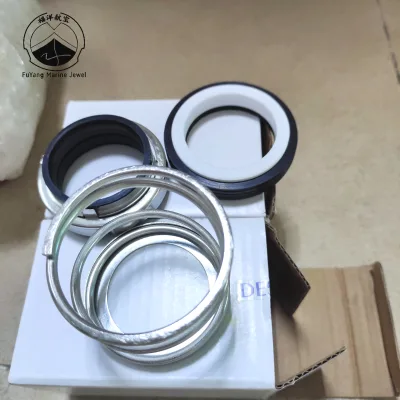
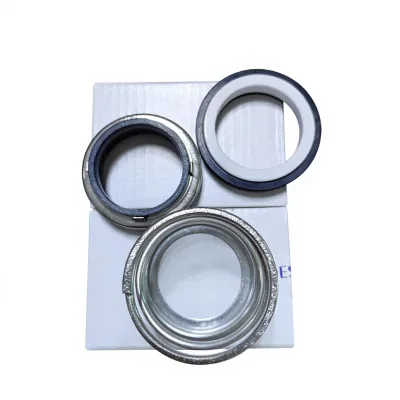


Ffkm Drilling O Ring Seal Rubber Seals with Different Finish Appearance
$0.01 - $0.05
MOQ: 1000 Pieces

Hydraulic Rock Drill Seals Drifter Sealing Seal Kit Rock Drill Seal Kits
$85.00 - $99.00
MOQ: 10 Pieces


Comprehensive Sourcing Guide
ASME Drilling Rig Seal Sourcing Guide
Procuring seals for ASME-compliant drilling rigs requires a disciplined approach to material selection and dimensional accuracy. The supplied data indicates that available components are primarily constructed from alloy steel and rubber, with specific models like 225763 and 805085611 designed for heavy-duty applications. Buyers must distinguish between metallic structural seals and elastomeric rotary seals, as their performance characteristics differ significantly under high-pressure hydraulic conditions.
Verification of the seal’s intended environment is critical before placing orders. The observed listings highlight applications in mining machines, construction equipment, and underground dump trucks, suggesting that the seals must withstand abrasive particulates and extreme mechanical stress. Sourcing teams should prioritize suppliers who offer customizable dimensions and materials, ensuring that the seal geometry matches the specific bore and shaft tolerances of the drilling rig’s hydraulic system.
Product Scope and Observed Listing Signals
The current market signals reveal a diverse range of sealing solutions tailored for industrial machinery. Listings show products with model numbers such as F1600HL and 018835-506, indicating a broad inventory that covers various pump and rotary seal requirements. The presence of both sand-blasted and galvanized surface treatments suggests that suppliers offer options for corrosion resistance, which is vital for equipment operating in harsh mining or construction environments.
Packaging methods observed include wooden cases, crates, and PE bags with cartons, reflecting the need for robust protection during international shipping. The origin of these goods is predominantly China, with specific mentions of Chongqing as a manufacturing hub. Buyers should note that while some items are described as standardized, others support extensive customization, allowing for tailored solutions that address unique operational challenges in drilling operations.
Technical Specifications to Verify
Dimensional accuracy is the primary technical requirement for any drilling rig seal. Buyers must verify that the supplier provides precise drawings or CAD files that align with ASME standards, ensuring compatibility with existing hydraulic ports and cylinder bores. The observed data mentions adjustable dimensions and materials, which implies that off-the-shelf solutions may not always fit; therefore, custom manufacturing capabilities are a key technical differentiator for reliable performance.
Material composition directly influences the seal’s longevity and resistance to wear. The listings indicate the use of rubber, specifically NBR (Nitrile Butadiene Rubber), which offers good resistance to petroleum-based hydraulic fluids. However, for high-pressure applications, buyers should confirm the hardness durometer and temperature range of the elastomer. Additionally, the mention of "high pressure" and "vacuum" operation suggests that the seal design must maintain integrity under fluctuating pressure differentials common in drilling rigs.
Compliance and Safety Documentation
Certification status is a non-negotiable aspect of supplier qualification. The observed listings frequently cite ISO 9001, indicating that the manufacturing processes adhere to international quality management standards. Some suppliers also reference ISO 14001:2015 and ISO 45001:2018, which demonstrate a commitment to environmental management and occupational health and safety. These certifications provide assurance that the production facility maintains consistent quality control and ethical manufacturing practices.
Standards compliance extends beyond quality management to include material and dimensional specifications. The data references GB, DIN, ASTM, GOST, JIS, ANSI, BS, ASME, and AISI standards, highlighting the global applicability of the products. Buyers must ensure that the specific seal model they select meets the ASME requirements mandated by their equipment manufacturer. Documentation should include material test reports and dimensional inspection certificates to verify that the delivered parts meet the specified tolerances.
Cost Drivers and Commercial Terms
Pricing in this sector is influenced by material costs, customization levels, and order volume. The observed price range is wide, from $0.01 to $200,000, reflecting the disparity between simple O-rings and complex, custom-engineered sealing assemblies. Buyers should analyze the cost structure based on the complexity of the seal design, the type of elastomer or alloy steel used, and the surface treatment processes required for durability.
Minimum Order Quantities (MOQ) typically range from 1 to 1000 units, offering flexibility for both prototype testing and bulk procurement. For standard items, lower MOQs may be available, while custom-designed seals often require higher volumes to justify tooling and setup costs. Buyers should negotiate clear terms regarding packaging, shipping responsibilities, and payment schedules to manage cash flow and logistical risks effectively.
Supplier Qualification and Quality Control
Quality control processes are essential to prevent premature seal failure in critical drilling operations. The observed listings emphasize "100% inspection before shipment," a practice that significantly reduces the risk of defective parts entering the supply chain. Buyers should request detailed quality control plans that outline the inspection methods, such as visual checks, dimensional measurements, and pressure testing, to ensure every unit meets specifications.
Supplier qualification also involves assessing their ability to provide consistent performance over time. The mention of "wear-resistant and pressure-resistant" attributes suggests that suppliers understand the operational demands of their products. Buyers should evaluate the supplier’s track record in the mining and construction equipment sectors, verifying their ability to deliver durable seals that can withstand the abrasive and high-pressure conditions typical of drilling rigs.
Long-Term Procurement Checks
Establishing a long-term partnership with a reliable supplier requires ongoing performance monitoring. Buyers should track seal failure rates and field performance data to identify any recurring issues with material quality or dimensional accuracy. Regular audits of the supplier’s quality management system can help ensure that they continue to meet ISO standards and maintain the high level of inspection rigor observed in initial listings.
Continuous communication regarding product updates and standard changes is vital for maintaining operational efficiency. As drilling rig technologies evolve, suppliers may introduce new materials or designs that offer improved performance. Buyers should stay informed about these developments and periodically review their sealing solutions to ensure they remain optimal for their specific applications, leveraging the supplier’s customization capabilities to adapt to changing operational needs.
FAQs
What certifications do asme drilling rig seals have?
These seals typically hold ISO 9001 certification for manufacturing processes. Some products also include ISO 14001 and ISO 45001 standards. This ensures quality control and safety compliance during production and shipment for mining and construction equipment applications.
Can I get customized dimensions for these seals?
Yes, customization is available for adjustable dimensions and materials. Buyers can request specific sizes to fit drilling machines or underground dump trucks. This flexibility supports comprehensive specifications required for various heavy machinery applications in the mining industry.
Which materials are used for asme drilling rig seals?
Common materials include alloy steel and rubber for durability. Some seals are designed with NBR rubber for high-pressure performance. These materials ensure wear resistance and pressure resistance suitable for hydraulic power sources and vacuum operation conditions.
How are these products packed for shipment?
Products are packed in wooden cases, crates, or standard export cartons. Some smaller items use PE bags with cartons or plastic boxes. This packaging protects the seals during transit from China or Chongqing to ensure they arrive in new condition.
What is the minimum order quantity for these seals?
The minimum order quantity ranges from one to one thousand units depending on the supplier. Buyers should check specific listings for exact MOQ values. This flexibility allows small procurement teams to source necessary parts for drilling rigs without large initial commitments.
Are these seals suitable for underground dump trucks?
Yes, these seals are suitable for underground dump trucks and drilling rig machines. They are designed for high-pressure applications and offer flexible durability. The quality control process includes 100% inspection before shipment to ensure reliability in demanding mining environments.
What surface treatments are applied to these seals?
Surface treatments include sand blasting and galvanizing for corrosion resistance. Some items may have no processing depending on the material type. These treatments enhance the longevity of the seals when used in harsh mining machine parts and construction equipment settings.