Source ASTM 304 Stainless Steel Sheet for Ship, Boiler, and Container Use
Compare 30 listings of ASTM 304 Stainless Steel Sheet available from suppliers in China. Buyers can evaluate grades, thicknesses, and surface finishes for ship plates, boiler plates, and container applications; compare the available evidence and request quotations based on your requirements.
Updated
Key considerations
Products List


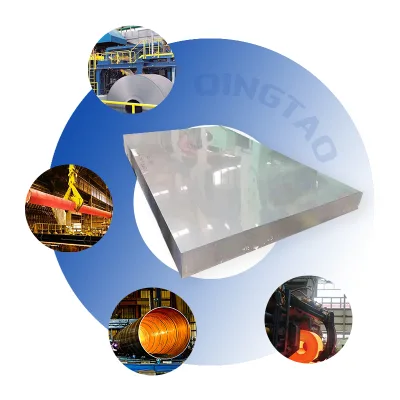
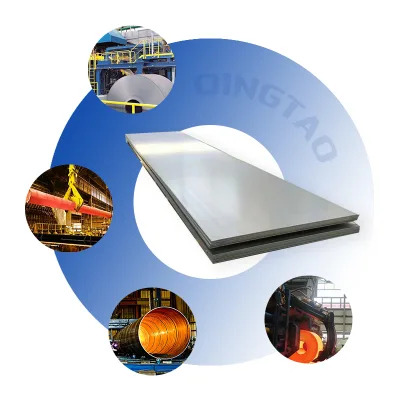
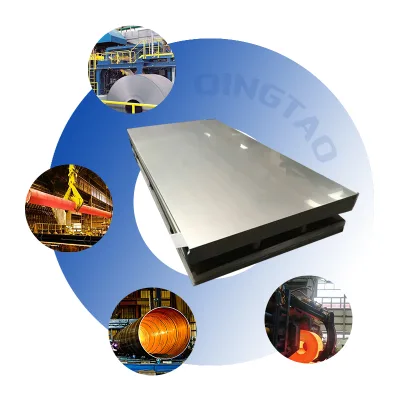
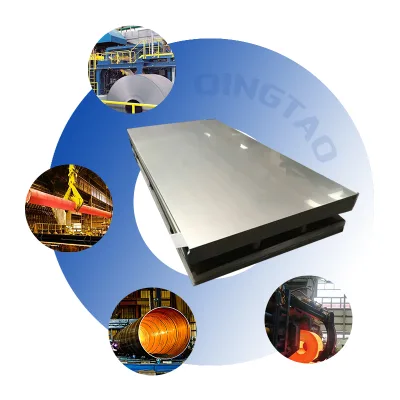
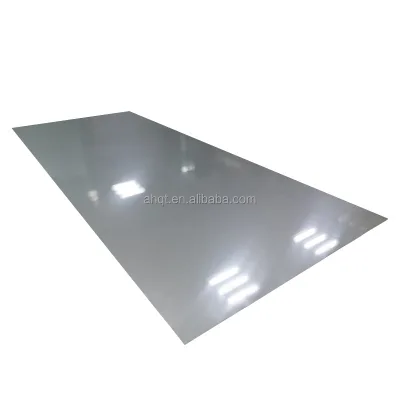


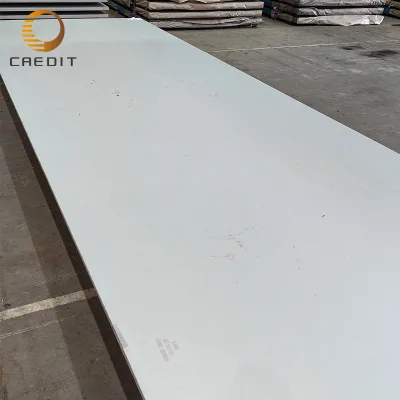
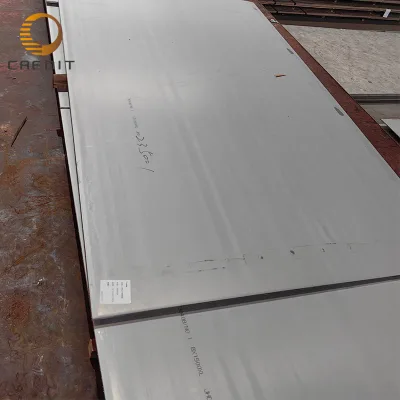


Comprehensive Sourcing Guide
ASTM 304 Stainless Steel Sheet Sourcing Guide
Procuring ASTM 304 stainless steel sheets requires a disciplined approach to verifying material composition and surface integrity, as these factors directly influence corrosion resistance and formability in industrial applications. Buyers must distinguish between generic "300 Series" listings and specific 304-grade offerings, ensuring that the supplier provides clear documentation of the steel grade to avoid substitution with lower-cost alternatives like 201 series. The observed market data indicates a wide range of product models, including 304, 304L, and other variants within the 300 series, which necessitates precise specification alignment during the initial inquiry phase to prevent costly material mismatches.
The sourcing landscape for these sheets is characterized by significant variability in thickness, width, and surface finish options, reflecting the customizable nature of modern steel manufacturing. Suppliers often list thickness ranges from 0.1mm to 300mm and widths up to 2000mm, allowing for tailored solutions but requiring rigorous verification of stock availability against specific project requirements. Understanding these dimensional tolerances, which may vary by ±1% or more, is critical for engineers designing components that demand tight fitment, particularly when the sheets are intended for applications such as boiler plates, ship plates, or container construction where structural integrity is paramount.
Product Scope and Observed Listing Signals
The current market for stainless steel sheets exhibits a broad spectrum of product attributes, with observed price points ranging from $0.9 to $3,500 USD, reflecting differences in grade, thickness, and surface treatment. Minimum order quantities (MOQs) typically span from 1 to 1,000 units, offering flexibility for both small-scale prototyping and large-volume industrial procurement. Buyers should note that while many listings advertise "Stock" availability, the actual delivery time can depend heavily on the specific quantity ordered, with some suppliers indicating lead times of 8-14 days, while others state that delivery is contingent upon order volume.
Surface treatments and finishes vary significantly across listings, with options including bright, grinding, coated, and various mill finishes such as 2B, Ba, No.1, No.4, Hl, and 8K. These finishes are not merely aesthetic but impact the material's resistance to corrosion and its suitability for specific environments, such as food processing or architectural cladding. The observed product models include 304, 316L, 309S, 310S, and others, indicating that buyers must carefully filter search results to isolate true 304-grade materials, as generic "300 Series" tags may encompass a wide array of compositions with differing mechanical properties and corrosion resistance levels.
Technical Specifications to Verify
Verifying the exact chemical composition and mechanical properties of ASTM 304 stainless steel is essential to ensure compliance with performance expectations. Buyers should request mill test certificates that confirm the carbon content, chromium, and nickel levels, as these elements define the austenitic structure and corrosion resistance of the 304 grade. The observed listings mention various standards such as ASTM, JIS, EN, DIN, and GB, but buyers must ensure that the specific ASTM A240 or equivalent standard is explicitly cited for the sheet product, as different standards may have varying tolerances and testing requirements for yield strength and tensile strength.
Dimensional accuracy is another critical technical parameter that requires verification, especially for precision manufacturing applications. The observed specifications indicate thickness ranges from 0.3mm to 200mm and widths up to 2000mm, but buyers must confirm the exact tolerance levels for their specific order, as deviations can impact assembly and fit. Additionally, the surface finish must be matched to the application's requirements, whether it be a rough No.1 finish for industrial use or a polished 8K finish for decorative purposes, ensuring that the supplier's capabilities align with the project's technical demands.
Compliance and Safety Documentation
Compliance with international standards and certifications is a non-negotiable aspect of sourcing stainless steel sheets for regulated industries. The observed listings mention certifications such as ISO, RoHS, IBR, and various national standards like AISI, ASTM, and GB, but buyers must verify that these certifications are current and applicable to the specific product batch. For applications involving pressure vessels or boiler plates, IBR certification may be required, while food and pharmaceutical applications may necessitate compliance with FDA, GMP, or SMS standards, ensuring that the material does not contaminate sensitive products.
Safety documentation should also include material safety data sheets (MSDS) and declarations of conformity, which provide critical information on the material's handling, storage, and disposal. Buyers should ensure that the supplier provides clear documentation regarding the origin of the steel, as the observed listings indicate origins in Mainland China, and verify that the supply chain adheres to ethical and environmental regulations. This due diligence helps mitigate risks associated with non-compliant materials and ensures that the purchased sheets meet all legal and safety requirements in the destination market.
Cost Drivers and Commercial Terms
Several factors influence the final cost of ASTM 304 stainless steel sheets, including raw material prices, manufacturing complexity, and surface treatment requirements. The observed price range of $0.9 to $3,500 USD reflects these variables, with higher costs associated with thicker plates, specialized finishes, or smaller order quantities that do not benefit from economies of scale. Buyers should anticipate that custom sizes or non-standard thicknesses may incur additional charges, as these require specific production runs rather than being drawn from existing stock.
Commercial terms such as payment methods, shipping arrangements, and warranty policies also play a significant role in the total cost of ownership. The observed listings indicate that packing is typically done in standard export packages or waterproof paper with steel strips, but buyers should confirm if special packaging is required for long-distance shipping to prevent damage. Additionally, lead times can vary based on quantity and customization needs, so buyers should negotiate clear delivery schedules and penalties for delays to ensure that project timelines are not compromised by supply chain disruptions.
Supplier Qualification and Quality Control
Evaluating supplier qualifications is crucial to ensuring the reliability and consistency of ASTM 304 Stainless Steel Sheet supplies. Buyers should verify the supplier's manufacturing capabilities, including their ability to produce cold-rolled sheets with the specified surface finishes and dimensional tolerances. The observed listings mention brands such as Hefei Qingtao and origins in Shandong, China, but buyers should conduct due diligence to confirm the supplier's reputation, production capacity, and history of fulfilling orders on time and to specification.
Quality control processes should be transparent and robust, with suppliers providing detailed inspection reports and test results for each batch. Buyers should inquire about the supplier's internal quality management systems and whether they adhere to international standards such as ISO 9001. Additionally, buyers may consider third-party inspections or sampling before shipment to verify that the delivered sheets meet the agreed-upon specifications, reducing the risk of receiving non-conforming materials that could impact downstream manufacturing processes.
Long-Term Procurement Checks
Establishing long-term procurement relationships with reliable suppliers requires ongoing monitoring and evaluation of performance metrics. Buyers should track key indicators such as delivery punctuality, product consistency, and responsiveness to issues to ensure that the supplier continues to meet their evolving needs. The observed market data suggests that lead times can vary, so buyers should maintain open communication with suppliers to stay informed about potential delays or changes in production schedules that could impact their operations.
Regular audits and reviews of supplier performance can help identify areas for improvement and strengthen the partnership over time. Buyers should also stay informed about market trends and price fluctuations in the stainless steel industry to negotiate favorable terms and secure supply during periods of high demand. By maintaining a proactive approach to supplier management, buyers can mitigate risks and ensure a steady supply of high-quality ASTM 304 stainless steel sheets for their projects.
FAQs
What certifications are available for ASTM 304 stainless steel sheets?
Certifications such as AISI, ASTM, GB, EN, DIN, IBR, ISO, and RoHS are available for these products. Buyers can verify compliance with specific industry standards. These documents ensure material quality and safety for applications like ship plates, boiler plates, and container plates. Always request valid certificates from the supplier to confirm adherence to required international norms.
Can ASTM 304 stainless steel sheets be customized for specific needs?
Yes, customization is available for ASTM 304 stainless steel sheets. Buyers can request specific sizes, thicknesses, and surface finishes to match their project requirements. The standard export package or custom packaging can be arranged. This flexibility supports diverse industrial applications, ensuring the material fits precise engineering specifications and operational demands effectively.
What is the typical lead time for ordering ASTM 304 stainless steel sheets?
Delivery time depends on the order quantity and production schedule. Stock items may ship faster, while custom orders require manufacturing time. Buyers should confirm lead times with the supplier before placing orders. This ensures timely project completion. Factors like surface treatment and packaging requirements may also influence the final delivery schedule for international shipments.
Which surface finishes are offered for ASTM 304 stainless steel sheets?
Surface finishes include 2B, Ba, No.1, No.4, Hl, and 8K. These options cater to different aesthetic and functional requirements. Buyers can choose based on their application needs, such as corrosion resistance or visual appeal. The surface treatment process ensures durability and quality. Selecting the right finish is crucial for long-term performance in industrial environments.
What are the standard thickness ranges for ASTM 304 stainless steel sheets?
Thickness ranges typically span from 0.1mm to 300mm or as required. This wide range supports various industrial applications, from thin sheets to heavy plates. Buyers can specify exact dimensions to meet their project needs. The flexibility in thickness allows for diverse manufacturing processes. Always verify specific thickness availability with the supplier for precise ordering.
How is ASTM 304 Stainless Steel Sheet packaged for shipping?
Packaging includes standard export packages or custom solutions as required. Options may involve waterproof paper and steel strip packing to protect the material. This ensures safe transit and prevents damage during handling. Buyers can request specific packaging methods to suit their logistics needs. Proper packaging is essential for maintaining product quality upon arrival at the destination port.
What grades of stainless steel are commonly available alongside ASTM 304?
Common grades include 200 Series, 300 Series, and 400 Series. Specific models like 304L, 316L, and 310S are often available. These grades offer varying levels of corrosion resistance and strength. Buyers can select the most suitable grade for their application. The availability of multiple grades ensures flexibility in sourcing materials for diverse industrial requirements and performance needs.