Source Beer Cooling Coil for Condenser, Cooler, and Heater
Find 30 Beer Cooling Coil options from Guangdong suppliers. Compare stainless steel, copper, and aluminum tube coils with ISO certification. Evaluate tube diameters, wall thicknesses, and custom bending services for industrial refrigeration applications; compare the available evidence and request quotations based on your requirements.
Key considerations
Products List
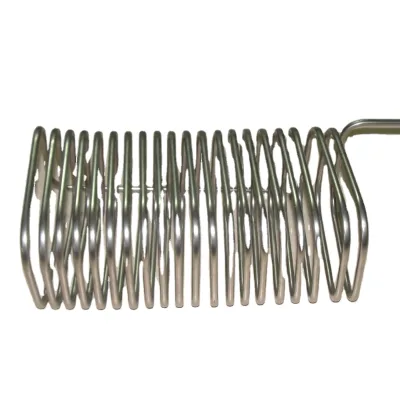


Efficient High-Temperature Stainless Steel Cooling Coil for Cooling Solutions
$20.00 - $100000.00
MOQ: 1 Pieces


Comprehensive Sourcing Guide
Beer Cooling Coil Sourcing Guide
Sourcing beer cooling coils requires a precise understanding of thermal exchange dynamics and material compatibility within refrigeration systems. These components serve as critical heat transfer elements, functioning primarily as condensers, coolers, or heaters in beverage processing environments. Buyers must recognize that the coil’s efficiency directly impacts the temperature stability of the product, making material selection and geometric design paramount. The observed market offers a wide spectrum of configurations, from simple tube coils to complex assemblies with specific frame and fin materials. Understanding these variations is the first step in defining a procurement specification that aligns with operational throughput and energy efficiency goals.
The procurement landscape for these industrial parts is characterized by significant customization potential and varied supply capabilities. Suppliers often accept customized orders, allowing buyers to tailor tube dimensions, coil pitches, and end formations to their specific machinery. This flexibility is essential for integrating new cooling units into existing production lines or for upgrading older systems with more efficient heat exchangers. However, this customization introduces complexity in verification and quality control. Buyers must navigate a market where supply abilities range widely, and where the distinction between standard off-the-shelf items and bespoke engineering solutions is critical for managing lead times and inventory costs effectively.
Product Scope and Observed Listing Signals
The product scope for beer cooling coils encompasses a diverse array of tube coil configurations designed for industrial refrigeration. Listings frequently highlight specific tube end forming techniques, including beads, expansion, double flare, reduction, and swage, which determine how the coil integrates with piping systems. The physical dimensions are highly variable, with tube outer diameters typically ranging from 4 to 30 millimeters and wall thicknesses from 0.4 to 3 millimeters. Coil outer diameters can span from 20 to 600 millimeters, accommodating everything from compact chillers to large-scale brewery condensers. These physical parameters define the mechanical fit and fluid dynamics of the cooling unit, requiring careful alignment with the host equipment’s inlet and outlet specifications.
Material composition is a primary differentiator in the observed listings, with stainless steel, copper, and aluminum being the most common choices. Some suppliers offer tubes made from titanium or combinations of stainless steel and other alloys, while fins may be constructed from aluminum, stainless steel, or copper. The frame material often includes galvanized steel or zinc-galvanized variants to provide structural integrity and corrosion resistance. Surface treatments such as E-coating, nano coating, or epoxy coating are available to enhance durability in harsh chemical or humid environments. Buyers should note that while some listings specify a single material, others offer a range, necessitating clear communication to ensure the selected material meets both thermal performance and hygiene standards for food and beverage applications.
Technical Specifications to Verify
Verifying tube diameter and wall thickness is the initial technical checkpoint for any procurement project. While some listings specify a standard tube diameter of 9.52 millimeters, others offer a range including 5mm and 7mm options. The wall thickness directly influences pressure rating and thermal conductivity, so buyers must confirm these dimensions against their system’s operating pressure and flow rate requirements. Additionally, the section shape is typically round, but the tube type can be either smooth or grooved, with grooved tubes often providing enhanced heat transfer efficiency due to increased surface area. Confirming these geometric details ensures that the coil will physically fit within the designated space and perform as expected under thermal load.
The manufacturing process and surface treatment significantly impact the coil’s longevity and performance. Techniques such as cold rolling or cold drawing are commonly used to form the tubes, with surface treatments ranging from polished finishes to specialized coatings like epoxy or nano coatings. These processes affect the internal smoothness, which influences fluid friction and pressure drop, as well as the external resistance to corrosion. Buyers should verify whether the coil features fixed or variable pitches, as this affects the density of heat exchange and the overall footprint of the unit. Understanding these technical nuances allows for a more accurate prediction of the coil’s efficiency and maintenance requirements over its operational lifespan.
Compliance and Safety Documentation
Documentation verification is a critical step in ensuring that the purchased coils meet industry safety and quality benchmarks. While some listings indicate ISO certification, buyers must confirm the specific scope and validity of these certifications, as they do not automatically guarantee compliance with food-grade standards. The absence of a machinery test report in some listings is a notable gap that requires immediate clarification. Buyers should request detailed test results, including pressure testing and leak detection reports, to verify the integrity of the welds and joints. Without this data, the risk of premature failure or contamination in a beer cooling application remains unmitigated.
Hygiene and material safety are paramount when sourcing components for beverage processing. Buyers must ensure that all materials, including fins, frames, and coatings, are approved for contact with food and beverage products. This involves verifying that no harmful substances leach from the coatings or materials into the cooling medium. Additionally, the warranty terms, often listed as one year, should be reviewed to understand the supplier’s commitment to product reliability. Buyers should also inquire about the video outgoing-inspection process, which provides visual evidence of the product’s condition before shipment. This step adds a layer of transparency and accountability, reducing the risk of receiving defective or non-compliant units.
Cost Drivers and Commercial Terms
Several factors influence the total cost of ownership for beer cooling coils, with material selection being the most significant driver. Stainless steel and titanium tubes command higher prices than copper or aluminum due to their superior corrosion resistance and durability. The complexity of the end forming process, such as welding fittings or double flares, also adds to the manufacturing cost. Buyers should consider the trade-off between initial purchase price and long-term maintenance costs, as higher-quality materials may reduce downtime and replacement frequency. Additionally, the customization level, including specific coil pitches and frame materials, can significantly impact the final price, making it essential to define requirements clearly to avoid unnecessary expenses.
Commercial terms, including minimum order quantities and packaging details, play a crucial role in procurement planning. Listings show a wide range of minimum order quantities, from single items to hundreds of pieces, allowing for flexibility in order sizing. Packaging is typically done in cartons with pallet loading or wooden cases, which affects shipping costs and handling requirements. Buyers should also consider the supply ability, which may be limited to 10,000 pieces per month for some suppliers, potentially impacting lead times for large orders. Understanding these commercial constraints helps in negotiating favorable terms and ensuring a steady supply chain that aligns with production schedules.
Supplier Qualification and Quality Control
Evaluating supplier qualification requires a thorough review of their manufacturing capabilities and quality assurance processes. Buyers should verify the supplier’s experience in producing beer cooling coils and their ability to handle customized orders. The presence of video outgoing-inspection is a positive indicator, suggesting that the supplier has a structured quality control process. However, buyers should also request references or case studies to assess the supplier’s reliability and consistency. Additionally, the place of origin, often Guangdong, China, should be considered in the context of the supplier’s export experience and logistical capabilities. A qualified supplier should demonstrate a clear understanding of the technical requirements and provide comprehensive support throughout the procurement process.
Quality control extends beyond the initial inspection to include ongoing monitoring and feedback mechanisms. Buyers should establish clear communication channels with the supplier to address any issues that arise during installation or operation. Regular audits of the supplier’s quality management system can help ensure that production standards are maintained over time. Additionally, buyers should consider the supplier’s ability to provide technical support and troubleshooting assistance. A supplier that offers proactive support can help minimize downtime and resolve issues quickly, adding value to the procurement relationship. Building a strong partnership with a qualified supplier is essential for long-term success in managing Beer Cooling Coil procurement.
Long-Term Procurement Checks
Long-term procurement success depends on establishing robust performance monitoring and maintenance protocols. Buyers should track the performance of the installed coils, including heat transfer efficiency and pressure drop, to identify any deviations from expected behavior. Regular maintenance checks, such as cleaning and inspection for corrosion or leaks, can extend the lifespan of the coils and prevent costly failures. Buyers should also maintain a record of warranty claims and supplier responses to assess the reliability of the product and the supplier over time. This data-driven approach allows for informed decision-making regarding future purchases and helps in negotiating better terms based on past performance.
Continuous improvement in procurement strategies involves staying informed about industry trends and technological advancements. Buyers should regularly review their specifications to ensure they align with the latest efficiency standards and material innovations. Engaging with industry forums and attending trade shows can provide insights into new products and best practices. Additionally, building a diverse supplier base can mitigate risks associated with supply chain disruptions. By maintaining a proactive and informed approach to procurement, buyers can ensure that their beer cooling systems remain efficient, reliable, and cost-effective over the long term.
FAQs
What materials are used for beer cooling coils?
Beer cooling coils are manufactured from stainless steel, copper, aluminum, or titanium tubes. Fin materials may include aluminum, stainless steel, or copper, while frames are often galvanized steel. These material choices ensure durability and thermal efficiency for refrigeration applications.
Can beer cooling coils be customized for specific needs?
Yes, customization is accepted for beer cooling coils. Buyers can specify tube outer diameters ranging from 4 to 30mm and wall thicknesses from 0.4 to 3mm. Coil outer diameters can range from 20 to 600mm, with fixed or variable pitches available.
What is the warranty period for these coils?
The warranty period for these beer cooling coils is one year. This coverage applies to the manufactured unit, ensuring quality assurance for refrigeration parts. Buyers should verify specific terms with the supplier, as the standard offering includes this one-year warranty for peace of mind.
How are beer cooling coils packaged for shipping?
Beer cooling coils are packaged in carton packing with pallet loading for standard shipments. For larger or specialized orders, wooden cases or wooden boxes may be used. This packaging ensures protection during transit from the port of dispatch, such as Guangzhou, to the final destination.
What is the supply ability for beer cooling coils?
The supply ability is 10,000 pieces per month. This capacity supports regular replenishment for industrial buyers. The production process includes bending, winding, and end forming, allowing for consistent output. Buyers requiring higher volumes should confirm lead times and scheduling with the manufacturer directly.
Which certifications do beer cooling coils have?
Beer cooling coils typically hold ISO certification. This indicates adherence to international quality management standards. Buyers should request the specific certification documents from the supplier to verify compliance. The machinery test report is noted as not available, so quality verification relies on the provided video outgoing inspection.