Source Chrome Coated Etched Press Plate for Offset Printing
Find 30 listings for Chrome Coated Etched Press Plate suitable for letterpress and offset printing applications. Compare specifications such as magnesium and zinc materials, thickness standards, and customization options from verified suppliers to identify the best fit for your production needs.
Key considerations
Products List


Zinc Etching Plate for Printing Engraving and Hot Stamping Applications
$34.00 - $39.00
MOQ: 100 sheet


Coated Good Price Excellent Quality Customrized Chemical Zinc Etching Plate
$35.00 - $42.00
MOQ: 100 sheet


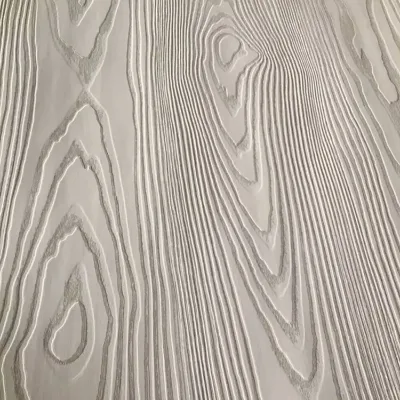


$126.90 - $128.00
MOQ: 150 Square Meters


High Quality 304 Stainless Steel Press Plate for Hot Press Machine Lamination
$50000.00 - $80000.00
MOQ: 1 Pieces

High Quality Stainless Steel Press Plate for MDF Lamination 304 Stainless Steel Sheet
$50000.00 - $80000.00
MOQ: 1 Pieces

Comprehensive Sourcing Guide
Chrome Coated Etched Press Plate Sourcing Guide
Buyers evaluating chrome-coated etched press plates must first distinguish these specialized components from standard printing plates, as the chrome layer provides critical durability and chemical resistance for high-volume offset and letterpress applications. The observed market data indicates a wide variance in product models, ranging from specific dimensions like 5'*10' to custom configurations, suggesting that procurement strategies must prioritize precise dimensional matching over generic specifications.
Procurement teams should verify that the listed product attributes align with the intended printing process, as the observed usage data includes both offset and letterpress printing requirements. Since the supply chain features diverse materials such as magnesium and zinc alongside aluminum alloys, buyers must confirm that the specific plate substrate supports the chrome coating process to ensure consistent ink transfer and image fidelity during production runs.
Product Scope and Observed Listing Signals
The current market listings reveal a broad spectrum of product types, including items explicitly labeled as printing plates with positive styles and others categorized under general aluminum or magnesium alloys. Buyers must carefully parse the product descriptions to identify whether the offering is a finished chrome-coated etched plate or a raw substrate like the 1000 Series aluminum or non-alloy materials observed in the data, as this distinction fundamentally alters the procurement scope.
Listing signals such as "Seaworthy Packing" and "Moisture-Proof Paper + Carton + Sea-Worthy Wooden" indicate that the supply chain is prepared for international logistics, yet the variation in packing standards requires explicit confirmation before ordering. Procurement professionals should scrutinize the "Customization: Available" attribute to determine if the supplier can adapt the plate dimensions, such as the observed 500x1000mm or 610x914mm standards, to meet specific press requirements rather than relying on fixed stock sizes.
Technical Specifications to Verify
Technical verification must begin with the substrate material, as the observed data lists magnesium, zinc, and aluminum alloys, each requiring different etching and chrome plating protocols. Buyers should demand detailed metallurgical reports to confirm the alloy grade, such as the 1000 Series or specific temper ranges like T3 to T8, ensuring the base material possesses the necessary hardness and surface uniformity to support the chrome coating without delamination during high-speed printing.
Surface treatment and dimensional tolerances are equally critical, with observed specifications ranging from polished surfaces to specific thickness standards like 1.5-7.0mm. Procurement teams must verify the surface hardness, noting observed values like Hv900, and confirm that the plate thickness and width, which may be customized, fall within the tight tolerances required for modern high-speed presses to prevent registration errors and ensure consistent print quality.
Compliance and Safety Documentation
Compliance verification requires a rigorous review of certification documents, as the observed listings include CE, EN, GB, ASTM, and ISO standards, though the specific applicability to chrome-coated etched plates must be confirmed. Buyers should request the exact test reports associated with these certifications to ensure the chrome plating process and the final product meet the safety and environmental regulations of the destination market, particularly regarding heavy metal content and chemical handling.
Safety documentation must also address the handling of the chemical processes involved in etching and plating, as the observed product types include chemicals and specific surface treatments. Procurement teams should verify that the supplier provides Material Safety Data Sheets (MSDS) for the chrome coating and any etching agents used, ensuring that the product can be safely stored and transported under the observed "Export Standard Package" conditions without posing risks to personnel or the environment.
Cost Drivers and Commercial Terms
Cost structures for chrome-coated etched press plates are heavily influenced by the raw material composition, with the observed listings featuring magnesium, zinc, and aluminum alloys that carry different market valuations. Buyers must analyze the price range of 0.1 to 80,000 USD to understand the scale of investment required, recognizing that high-performance chrome-coated plates for industrial applications will command a premium over standard substrates, and that customization options will further impact the final unit cost.
Commercial terms such as payment methods, including TT and LC, and minimum order quantities like the observed 5-ton requirement for aluminum alloys, significantly affect cash flow and inventory planning. Procurement professionals should negotiate delivery times, which vary from 15 to 30 days, and clarify sample availability policies to ensure that the supplier can meet the production schedule without incurring penalties for late delivery or failing to meet the specific lead time expectations of the printing facility.
Supplier Qualification and Quality Control
Supplier qualification should focus on the manufacturer's ability to maintain consistent quality across the diverse product models observed, ranging from specific model numbers like PP-5'*10' to custom-drawn specifications. Buyers must assess the supplier's quality control protocols, particularly regarding the surface treatment processes like cold drawing and polishing, to ensure that the chrome coating adheres uniformly and that the final product meets the strict dimensional and hardness standards required for professional printing operations.
Quality control verification must include a review of the supplier's track record for delivering new condition products that meet the observed standards, such as the 100X50X50 cm dimensions or specific alloy grades. Procurement teams should request evidence of their production capabilities, including the ability to handle the "Proximity Exposure: Vacuum Contact" processes if applicable, and verify that their packing methods, such as wooden cases or seaworthy packaging, protect the delicate chrome surface during transit.
Long-Term Procurement Checks
Long-term procurement strategies must account for the variability in product standards and the need for consistent supply of chrome-coated etched plates that meet evolving printing technology demands. Buyers should establish a framework for periodic re-verification of supplier certifications and material grades, ensuring that the supplier continues to adhere to the observed standards like ASTM or ISO and that the product performance remains stable over multiple production cycles.
Sustainability and supply chain resilience are critical considerations, as the observed data indicates a reliance on specific origins like China and Shandong, which may present geopolitical or logistical risks. Procurement teams should develop contingency plans that include diversifying suppliers or verifying alternative material sources, such as the observed aluminum alloys or magnesium options, to mitigate the risk of disruption and ensure a steady flow of high-quality printing plates for ongoing offset and letterpress operations.
FAQs
What materials are used for chrome coated etched press plates?
These plates are typically manufactured from magnesium or zinc substrates. The chrome coating provides a durable, wear-resistant surface ideal for high-volume printing. Magnesium offers excellent etching characteristics, while zinc provides a harder base. Both materials ensure precise image reproduction and long service life in offset and letterpress applications.
Can these printing plates be customized to specific dimensions?
Yes, customization is available for various dimensions and specifications. Manufacturers often accommodate customer drawings and parameters to meet exact press requirements. Standard sizes like 500x1000mm or 610x914mm are common, but bespoke widths and lengths can be produced. This flexibility ensures the plates fit seamlessly into existing printing workflows and machinery setups.
What certifications are required for chrome coated etched press plates?
Common certifications include CE, EN, GB, ASTM, and ISO standards. These ensure the plates meet international safety and quality benchmarks for industrial use. Buyers should verify specific certification requirements with suppliers to guarantee compliance with local regulations. Proper certification also indicates consistent manufacturing processes and reliable product performance in commercial printing environments.
How is the packaging handled for international shipping?
Plates are typically packed in seaworthy wooden cases or moisture-proof paper with cartons. This robust packaging protects the delicate chrome surface from damage during transit. Export-standard packages are used to ensure safety. Proper packing prevents moisture ingress and physical impact, preserving the plate's integrity until it reaches the printing facility for installation and use.
What is the typical lead time for production and delivery?
Lead times generally range from 15 to 30 days depending on order volume and specifications. Standard orders may be delivered within 15 to 18 days, while customized or larger batches can take up to 30 days. Buyers should confirm exact delivery schedules with suppliers to align with their production planning and ensure timely availability for printing jobs.
Which printing processes are compatible with these etched plates?
These plates are suitable for offset printing, letterpress printing, and flexo printing. The chrome coating enhances durability and ink transfer consistency across various techniques. They are designed to handle high-speed printing operations while maintaining image quality. Selecting the right plate type ensures optimal performance and longevity in specific printing environments and substrate types.