Source Auto Motorcycle Tire Valve for cars, trucks, and scooters
Find 30 listings for Auto Motorcycle Tire Valve from verified suppliers. Compare specifications, materials, and certifications for motorcycle, car, and truck applications to identify the right fit for your needs.
Key considerations
Products List
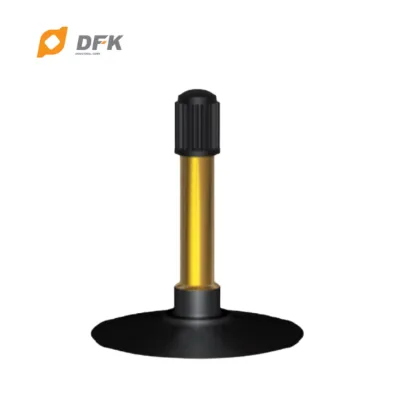
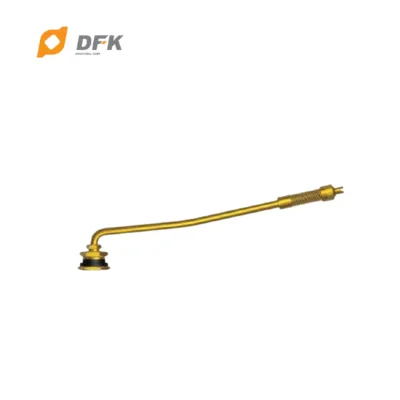
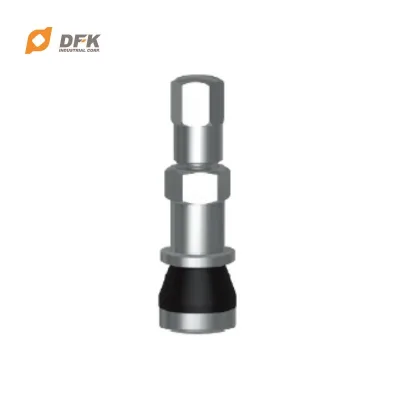


Himile Tyres And Tires Bicycle Tyre Valve Tube Valves Motorcycle Tire Car Tyre Valve.
$0.09 - $0.12
MOQ: 10000 Pieces


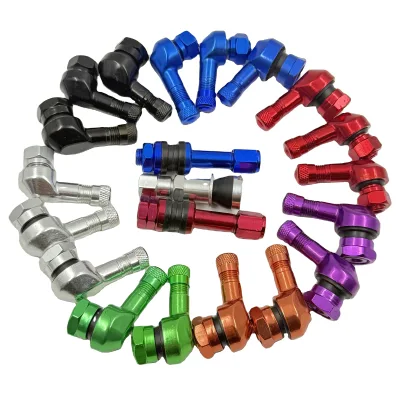


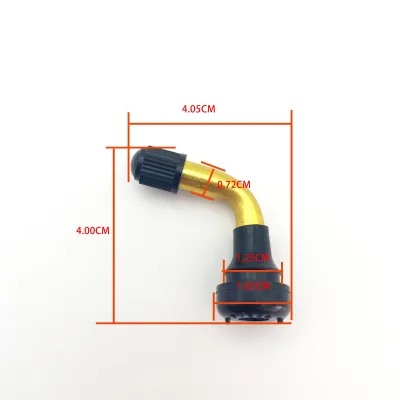
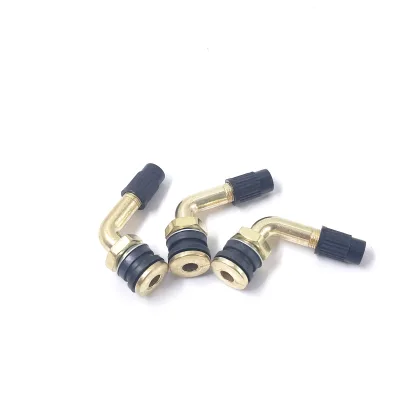
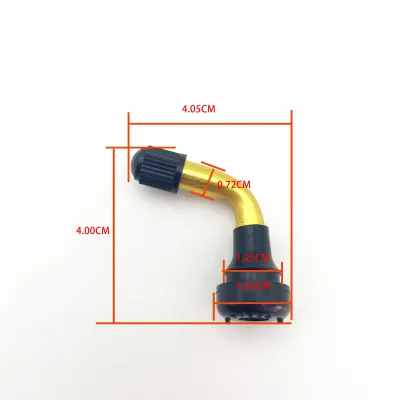
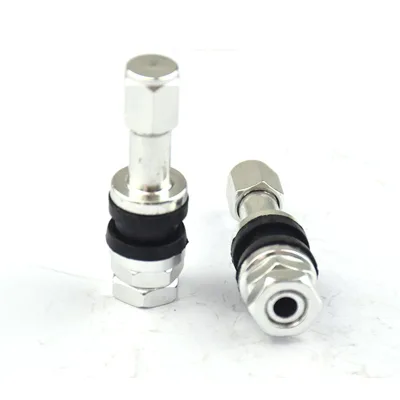
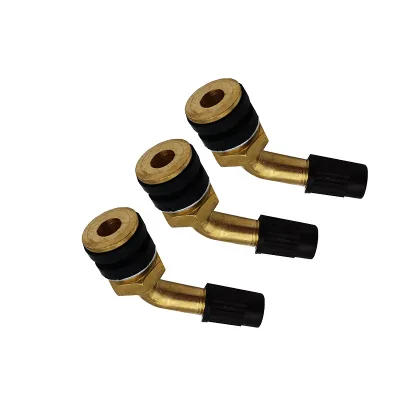
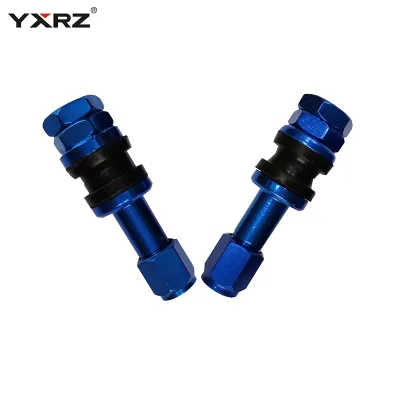
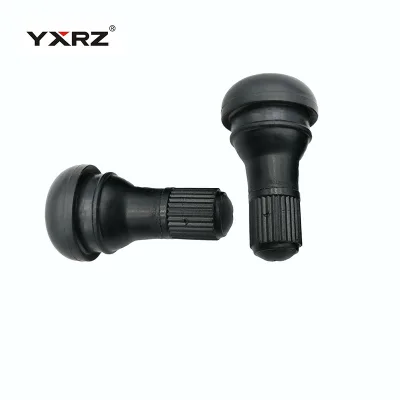
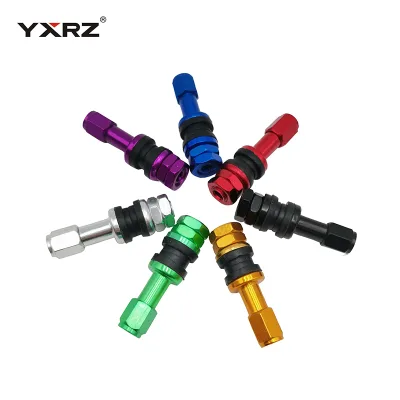
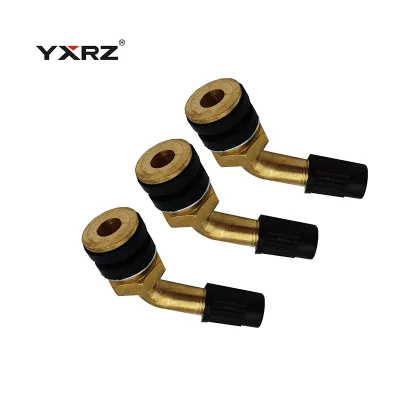

Vompetitive Price Auto Spare Parts Motorcycle Accessories Pressure Control Valve
$2.00 - $5.00
MOQ: 100 Pieces
Comprehensive Sourcing Guide
Strategic Sourcing Guide for Motorcycle and Automotive Tire Valves
Understanding Product Variants and Technical Specifications
The market for auto and motorcycle tire valves presents a diverse array of configurations, each engineered for specific vehicle dynamics and tire architectures. When sourcing these components, buyers must first distinguish between the fundamental types: tube-type valves and tubeless tire valves. The supplied data indicates a clear segmentation where certain models, such as the JS87C and TR161, are explicitly categorized as tube or tubeless tire valves, while others are designated for specific vehicle classes like off-the-road (OTR) trucks or passenger cars.
Technical specifications are the primary differentiator in this category. The physical dimensions of the valve stem, the rubber base diameter, and the hole size are critical parameters that must align with the vehicle's rim specifications. For instance, specific models in the dataset feature a rubber base diameter of 28mm or a dual dimension of 46mm by 28mm, with a precise hole size of 3.0mm. The valve height is another crucial metric, with observed ranges extending from 30mm to 33mm. These dimensions are not merely aesthetic; they determine the compatibility with the rim hole and the structural integrity of the seal.
Material composition is equally vital for performance and longevity. The observed product attributes highlight the use of stainless steel, brass, and general metal alloys. Brass is frequently cited for its corrosion resistance and machinability, making it a standard choice for many motorcycle and automotive applications. However, stainless steel options are also available, offering enhanced durability in harsh environments. The rubber components, which form the seal against the rim, are typically constructed from NR (Natural Rubber) or BR (Butyl Rubber), with black being the standard color. The choice between these materials often depends on the operating temperature range and the chemical resistance required for the specific application, whether it is a high-performance motorcycle or a heavy-duty agricultural vehicle.
Compliance, Certification, and Regulatory Standards
In the global B2B procurement landscape, verifying compliance and certification is a non-negotiable step. The data provided confirms that reputable suppliers in this sector often hold ISO9001 certification, which validates their quality management systems. Additionally, some product listings reference ISO and RoHS certifications, indicating adherence to international quality standards and restrictions on hazardous substances. These certifications are not merely marketing labels; they serve as evidence that the manufacturing processes meet rigorous international benchmarks.
Buyers must also scrutinize the specific standards associated with each valve model. The dataset includes references to standards such as JS87C, TR161, TR4A-30A, and C3E. These alphanumeric codes represent specific industry standards that dictate the performance requirements, pressure ratings, and dimensional tolerances of the valves. For example, the TR series (e.g., TR87, TRJ661, TR416SS) is widely recognized in the automotive industry for specific valve configurations. When sourcing, it is essential to ensure that the product's stated standard matches the regulatory requirements of the destination market. A valve certified for one region may not automatically meet the safety or performance criteria of another.
Furthermore, the "OE NO." (Original Equipment Number) is a critical identifier for compatibility. The presence of numbers like TR87, TRJ661, and TR416SS suggests that these valves are designed to replace or match specific OEM specifications. Procurement teams should verify that the OE numbers on the product align with the vehicle manufacturer's requirements to ensure a seamless fit and function. This verification process helps prevent compatibility issues that could lead to air leaks, rim damage, or safety hazards.
Cost Drivers and Pricing Dynamics
The pricing structure for motorcycle and automotive tire valves is influenced by a complex interplay of factors, including material costs, customization levels, and order volume. The observed price range in the market spans from $0.04 to $5.99 USD, reflecting the vast difference between basic, non-customized components and specialized, high-performance units. The lower end of this spectrum typically corresponds to standard brass or metal valves with minimal customization, while the higher end may include stainless steel variants, complex rubber base designs, or valves with specific OEM certifications.
Customization is a significant cost driver. The data indicates that customization support, including OEM and ODM services, is available. Products that require custom branding, unique dimensions, or specialized material formulations will naturally command a higher price point. Conversely, standard items with "Non-Customized" attributes tend to be more cost-effective. The "Selling Units" attribute, listed as "Single item," suggests that some suppliers offer flexible purchasing options, allowing buyers to order small quantities for testing or prototyping before committing to larger volumes.
Order volume also plays a pivotal role in pricing. The observed Minimum Order Quantity (MOQ) ranges from 1 to 60,000 units. Buyers seeking to minimize upfront costs may find suppliers with low MOQs attractive, though the per-unit cost will likely be higher. Conversely, bulk purchasers can leverage economies of scale to negotiate more favorable pricing, potentially bringing the unit cost closer to the lower end of the observed range. The "Supply Ability," noted as "Valves," implies that suppliers have the capacity to handle large orders, but the actual lead time and pricing will depend on the specific volume requested and the production schedule.
Typical Applications and Vehicle Compatibility
The versatility of tire valves is evident in the wide range of applications documented in the product attributes. These components are not limited to a single vehicle type but are designed for motorcycles, bicycles, scooters, cars, buses, trucks, and even agricultural engineering vehicles. The specific application dictates the required valve type and specifications. For instance, the "Off The Road (OTR) Valve" is explicitly designed for heavy-duty trucks, while the "Motorcycle Valve" and "Electric Bicycle" valves are tailored for two-wheeled transport.
The installation method is another key factor in determining application suitability. The data specifies "Clamp-in" as the installation type for certain models, which is a common method for securing the valve to the rim. This installation style must be compatible with the rim design of the target vehicle. Additionally, the usage categories, such as "Agricultural Engineering Vehicle," "Bus," and "Motorcycle," highlight the need for valves that can withstand varying levels of stress, vibration, and environmental exposure.
When selecting a valve for a specific application, buyers must consider the operating environment. A valve used on a motorcycle may require different durability characteristics compared to one used on a heavy-duty truck. The rubber type (NR/Br) and the valve height (30/33mm) are critical in ensuring that the valve can handle the specific pressure and load requirements of the intended vehicle. Misalignment between the valve specifications and the application can lead to premature failure, air loss, or safety incidents.
Supplier Evaluation and Supply Chain Considerations
Evaluating suppliers for tire valves requires a comprehensive approach that goes beyond price and product specifications. The "Place of Origin" is a significant factor, with the data showing products originating from both Taiwan and China. While both regions have established manufacturing capabilities, buyers should assess the specific supplier's track record, production capacity, and quality control measures. The "Port of dispatch" is listed as FOB KEELUNG, which is a key logistical detail for international buyers planning their shipping and customs clearance.
Supplier reliability is paramount in ensuring a consistent supply of high-quality valves. The "Customized support" attribute, offering OEM and ODM services, indicates that suppliers are capable of adapting to specific buyer needs. However, buyers should verify the supplier's ability to maintain consistency across large production runs. The "Packaging Details," which include polybag and carton options, as well as "Standard" or "as Per Customers Request" packing, suggest flexibility in logistics. Buyers should confirm that the packaging meets their requirements for protection during transit and storage.
Lead times and supply ability are also critical considerations. While the "Supply Ability" is noted as "Valves," the actual capacity to fulfill large orders within a specific timeframe must be confirmed. The "Condition" of the products is listed as "New," which is a standard expectation, but buyers should ensure that the supplier has robust inventory management to prevent delays. Additionally, the "Certification" status, such as ISO9001, should be verified through third-party audits or documentation to ensure ongoing compliance.
Quality Control and Long-Term Procurement Strategy
Implementing a robust quality control (QC) strategy is essential for mitigating risks associated with tire valve procurement. Given the safety-critical nature of these components, buyers should establish clear QC protocols that include incoming inspection, in-process monitoring, and final testing. The "Certificate" attributes, such as ISO9001 and RoHS, provide a baseline for quality, but buyers should also request specific test reports for pressure retention, material integrity, and dimensional accuracy.
Long-term procurement considerations involve building a strategic relationship with suppliers who can adapt to changing market demands. The availability of customization, including OEM and ODM support, allows buyers to differentiate their products and respond to specific customer needs. However, this requires a deep understanding of the supplier's capabilities and a clear communication channel for design changes and specification updates.
Buyers should also consider the total cost of ownership, which includes not only the purchase price but also the costs associated with quality failures, returns, and potential safety liabilities. Investing in high-quality valves from reputable suppliers can reduce these risks and enhance the overall reliability of the final product. Regular audits, performance reviews, and feedback loops with suppliers can help maintain high standards and foster a collaborative partnership that benefits both parties.
Comparative Analysis of Key Product Attributes
To facilitate informed decision-making, the following table summarizes the key attributes observed in the product data, highlighting the diversity in specifications and applications.
| Attribute Category | Observed Values / Options | Relevance to Procurement |
|---|---|---|
| Material | Stainless Steel, Brass, Metal | Determines corrosion resistance and durability; Brass is common, Stainless for harsh environments. |
| Valve Type | Tube, Tubeless Tire Valve | Must match tire architecture (tube vs. tubeless) of the target vehicle. |
| Standard/Model | JS87C, TR161, TR4A-30A, C3E, TR87, TRJ661 | Critical for compatibility; must align with OEM specifications and regional standards. |
| Application | Motorcycle, Car, Bus, Truck, OTR, Agricultural | Dictates required pressure ratings, dimensions, and material strength. |
| Dimensions | Rubber Base: 28mm/46*28mm; Hole Size: 3.0mm; Height: 30/33mm | Precise fitment is essential; deviations can cause leaks or installation failure. |
| Certification | ISO9001, ISO, RoHS | Validates quality management and environmental compliance; essential for export markets. |
| Customization | OEM, ODM, Non-Customized | Affects lead time, cost, and product differentiation capabilities. |
| Origin | Taiwan, China | Influences logistics, tariffs, and perceived manufacturing quality. |
| Packaging | Polybag/Carton, Standard, Custom Request | Impacts shipping costs and product protection during transit. |
This comparative analysis underscores the importance of a meticulous selection process. Buyers must align their specific vehicle requirements with the precise technical specifications of the valves. By carefully evaluating the material, standard, and application fit, procurement teams can ensure the selection of components that meet both performance and safety standards. The diversity in the market offers flexibility, but it also demands a disciplined approach to sourcing to avoid compatibility issues and ensure long-term reliability.
FAQs
What materials are used for auto motorcycle tire valves?
Valves are constructed from stainless steel, brass, or general metal alloys. Brass offers corrosion resistance while stainless steel provides enhanced durability for harsh environments.
Which certifications do these tire valves typically hold?
Reputable products often carry ISO9001 certification for quality management and ISO or RoHS for hazardous substance restrictions. These standards validate adherence to international manufacturing benchmarks.
How do I find valves with specific OE numbers?
Search for models matching specific Original Equipment Numbers like TR87, TRJ661, or TR416SS. These identifiers ensure the valve aligns with vehicle manufacturer requirements for a seamless fit.
Can I get custom branding on these valve products?
Yes, OEM and ODM customized support is available for branding and design modifications. Non-customized standard items are also offered for cost-effective procurement of basic components.
What is the price range for these tire valves?
The observed market price spans from 0.04 to 5.99 USD per unit. Costs vary based on material type, customization levels, and order volume discounts.
Which vehicle types are compatible with these valves?
Valves are designed for motorcycles, bicycles, scooters, cars, buses, trucks, and agricultural vehicles. Specific models exist for tube tires and tubeless tire architectures.
What are the standard dimensions for these valves?
Common specifications include a rubber base diameter of 28mm or 46mm by 28mm and a hole size of 3.0mm. Valve heights typically range from 30mm to 33mm.