Source Auto Open Kids Umbrella for School, Travel, and Play
Find and compare 30 Auto Open Kids Umbrella options from verified suppliers in Zhejiang. Buyers can evaluate features like frame material, fabric type, and size to select the right rainshade or sun umbrella for children.
Key considerations
Products List


Auto Open and Auto Close Promotion Umbrella Folding Umbrella Windproof Umbrella
$1.50 - $3.50
MOQ: 100 Pieces


Fun and Functional Kids' Straight Umbrella with Auto Open/Close Feature
$7.23 - $7.33
MOQ: 1200 Pieces

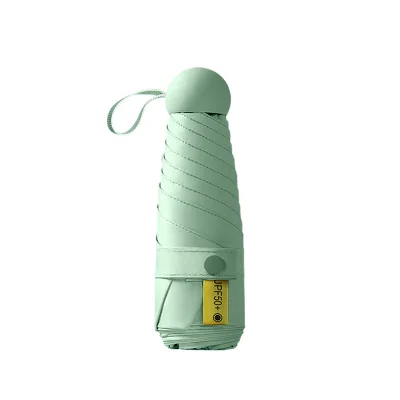

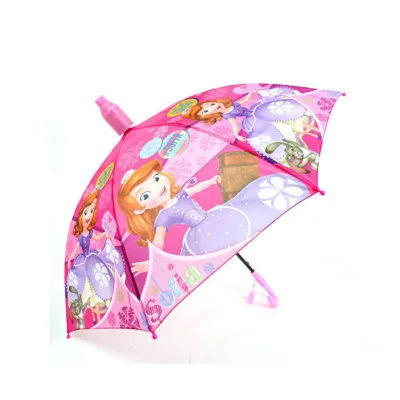


Straight Automatic Child 15" Customizable Printing Kids Umbrella for Gifts
$1.20 - $2.00
MOQ: 500 Pieces
Comprehensive Sourcing Guide
Strategic Sourcing Guide for Auto-Open Kids Umbrellas
Technical Specifications and Product Architecture
When sourcing an auto-open kids umbrella, the primary objective is to identify products that balance safety, durability, and ease of use for young users. Based on current market observations, the core architecture of these umbrellas typically revolves around specific mechanical and material configurations. The most prevalent feature for this category is the automatic opening mechanism. Buyers should verify that the product explicitly lists "Auto Open" or "Automatic Open" as a standard function, as this reduces the physical effort required by children and minimizes the risk of finger pinching during deployment.
The structural integrity of the umbrella is defined by its frame and ribs. Market data indicates a divergence in frame materials, with options ranging from Stainless Steel to Iron and Fiberglass. Stainless Steel frames are often preferred for their corrosion resistance and high tensile strength, which is critical for withstanding wind gusts without snapping. Conversely, Iron frames offer a cost-effective alternative but require robust plating to prevent rust, especially given the "Waterproof" and "Water Repellency" claims often associated with these items. The ribs are consistently described as "Metal Ribs," a standard that ensures the canopy maintains its shape during operation.
Canopy dimensions are a critical specification for child safety and usability. The observed standard sizes for this segment include 15-inch, 17-inch, and 19-inch diameters. A 19-inch model, often designated with an "8K" or 8-panel configuration, provides a larger coverage area, which is beneficial for protecting a child from rain. However, smaller 15-inch models may be more manageable for younger children. The fabric composition is another vital technical variable. While Polyester is a common material offering good water resistance, Pongee fabric is also observed, often paired with "Anti UV" properties. Buyers must distinguish between products that are merely "Waterproof" and those that offer specific "Anti UV" protection, as the latter is essential for sun umbrellas intended for outdoor play.
The handle design significantly impacts the user experience. Options include "Long Umbrella Handle," "Plastic Handle," and "Plastic Curved Handle." For children, a curved handle often provides a more ergonomic grip, while a long handle might be preferred for shared use or specific styling. The aesthetic finish, such as a "Wrinkle Border on Canopy" or "Pure Color" elements, should be evaluated for durability, ensuring that the design does not peel or fade after repeated exposure to moisture.
Compliance, Certification, and Safety Standards
Safety compliance is non-negotiable when procuring umbrellas for children. The target demographic, identified as "Children," necessitates rigorous adherence to safety standards that mitigate risks such as sharp points, choking hazards, and toxic materials. While specific certification statuses like CE or EN 71 are frequently referenced in the broader umbrella industry, buyers must verify that the specific supplier provides valid, up-to-date test reports for these standards rather than relying on general claims.
The EN 71 series, particularly EN 71-1, covers mechanical and physical properties, which are highly relevant for toys and children's products. This standard assesses factors like sharp edges, small parts, and tensile strength. For an auto-open mechanism, the risk of pinching is a primary concern; therefore, the product must be tested to ensure the opening action is smooth and does not trap fingers. Additionally, the materials used, including the plastic handles and metal ribs, must be free from hazardous substances.
Buyers should explicitly request documentation confirming that the product meets the relevant safety standards for the target market. It is insufficient to assume that a product labeled for children automatically complies with all local regulations. The "prod_standard" field often lists dimensions like "19"X8K" or "15inch * 8panel," but these are dimensional specifications, not safety certifications. A robust compliance check involves verifying that the supplier has conducted third-party testing for the specific model, such as the "JUNYU024" or "CU008" models observed in the market, to ensure they meet the safety requirements of the destination country.
Cost Drivers and Pricing Dynamics
Understanding the cost structure of auto-open kids umbrellas is essential for effective budgeting and negotiation. The observed price range in the market spans from $0.20 to $7.33 USD, a wide variance that reflects differences in material quality, customization, and order volume. Several key factors drive these costs.
First, the frame material is a primary cost determinant. Stainless Steel frames generally command a higher price point than Iron frames due to the raw material cost and the additional processing required for anti-corrosion treatment. Fiberglass frames, while offering superior flexibility and wind resistance, may also be priced higher than standard metal options. Second, the fabric type influences cost; Pongee fabric with Anti UV coating is typically more expensive than standard Polyester. The inclusion of specialized features, such as "Wrinkle Border" designs or specific color customizations, adds to the manufacturing complexity and unit cost.
Order volume is another significant driver. The Minimum Order Quantity (MOQ) ranges from 5 to 6,000 units. Buyers purchasing at the lower end of the MOQ spectrum, such as 5 to 100 units, will likely face a higher unit price due to the fixed costs of setup and production runs. Conversely, bulk orders approaching the 6,000-unit threshold can leverage economies of scale to achieve prices near the lower end of the observed range. Customization services, which are listed as "Available," also introduce variable costs. Requests for specific branding, unique color combinations, or tailored packaging (e.g., "Each with OPP Bag" versus "Export Carton") will increase the per-unit cost.
Finally, the origin of the product plays a role in pricing. Products originating from Shaoxing City or Shangyu City in Zhejiang Province benefit from established supply chains and manufacturing clusters, which can help optimize costs. However, logistics, import duties, and shipping fees to the final destination must be factored into the total landed cost, not just the factory gate price.
Typical Applications and Usage Scenarios
Auto-open kids umbrellas serve diverse functions depending on the specific configuration and features of the product. The primary application is protection against precipitation. Products labeled as "Rainshade" with "Waterproof" and "Water Repellency" attributes are designed for heavy rain scenarios. In these contexts, the "Auto Open" feature is particularly valuable, allowing children to quickly deploy the umbrella without assistance, which is crucial in sudden downpours.
A secondary but equally important application is sun protection. Models identified as "Sun Umbrella" with "Anti UV" properties are intended for use during sunny weather. The "Pure Color" and "Wrinkle Border" aesthetics often appeal to children, making these umbrellas suitable for school commutes, playground activities, and outdoor events. The "Anti UV" feature is a critical differentiator here, as it provides a layer of protection against harmful solar radiation, which is a significant health consideration for children's skin.
The "Long Umbrella Handle" and "Short Umbrella Handle" variants cater to different usage scenarios. Long handles may be preferred for older children or for situations where the umbrella needs to be held while carrying other items. Short, curved handles are often designed for younger children who require a more compact and easily grippable tool. The "19inch" size is ideal for providing ample coverage for a single child, while "15inch" models might be used for younger toddlers or as a secondary accessory.
Supplier Evaluation and Geographic Sourcing
When evaluating potential suppliers, buyers should focus on geographic clusters known for umbrella manufacturing. The supplied data highlights "Shaoxing City, Zhejiang Province" and "Shangyu City, Zhejiang Province" as key production hubs. These regions in China have developed specialized ecosystems for umbrella manufacturing, offering access to a wide range of materials, components, and skilled labor.
Supplier evaluation should extend beyond location to include production capabilities and lead times. The "Sample Time" is observed to be around 7 days, which is a standard benchmark for initial product validation. Buyers should ensure that the supplier can meet this timeline to keep the procurement process on schedule. For mass production, the "Delivery Time" can vary significantly, with some suppliers indicating a lead time of 30 days. This duration should be factored into the procurement calendar, especially for seasonal products where timing is critical.
The "prod_packing" specifications, such as "68X22X25cm, 36PCS/CTN" or "Export Carton," provide insight into the supplier's logistics efficiency. Standardized packing reduces damage during transit and optimizes container space, which can lower shipping costs. Buyers should verify that the packing method aligns with their distribution requirements. Additionally, the availability of customization services indicates a supplier's flexibility. A supplier that can accommodate specific requests for model numbers like "JMSK36" or "CU001" demonstrates a capacity for tailored production, which is valuable for brands looking to differentiate their offerings.
Quality Control and Long-Term Procurement Strategy
Implementing a robust quality control (QC) strategy is essential to ensure that the procured umbrellas meet safety and performance expectations. Given the mechanical nature of the "Auto Open" mechanism, QC should include functional testing of the opening and closing cycles. Buyers should request sample units to test the smoothness of the operation and the durability of the locking mechanism. The "Metal Ribs" and "Frame Material" should be inspected for structural integrity, ensuring they can withstand typical wind conditions without bending or breaking.
For long-term procurement, building a relationship with suppliers who offer consistent quality and reliable lead times is crucial. The "Customization" availability suggests that suppliers are willing to adapt to changing market needs, which is a positive indicator for long-term partnerships. Buyers should establish clear quality benchmarks, including fabric strength, water repellency efficacy, and handle durability. Regular audits or third-party inspections during production can help identify and rectify issues before the goods are shipped.
Furthermore, buyers should consider the lifecycle of the product. Umbrellas are subject to wear and tear, and the "Anti UV" and "Waterproof" properties may degrade over time. Sourcing from suppliers who use high-quality materials like Stainless Steel or Fiberglass can extend the product's lifespan, reducing the frequency of replacement and enhancing customer satisfaction. By focusing on these quality metrics and maintaining open communication with suppliers, buyers can secure a steady supply of reliable auto-open kids umbrellas that meet the needs of their target market.
FAQs
What frame materials are available for auto open kids umbrellas?
Available frame materials include stainless steel, iron, and fiberglass. Stainless steel offers high tensile strength and corrosion resistance, while iron provides a cost-effective alternative. Fiberglass is also observed for superior flexibility and wind resistance in specific models.
Which sizes are standard for these auto open children umbrellas?
Standard sizes observed in the market are 15-inch, 17-inch, and 19-inch diameters. The 19-inch model often features an 8-panel configuration for larger coverage, while 15-inch models are more manageable for younger children or toddlers.
Can buyers request customization for these auto open umbrellas?
Yes, customization is available for these products. Buyers can request specific branding, unique color combinations, or tailored packaging options like export cartons or individual OPP bags to meet specific brand requirements.
What is the typical sample time for auto open kids umbrellas?
The typical sample time is around 7 days. This standard benchmark allows buyers to validate product quality and functionality before committing to larger production runs or mass orders.
How are the umbrella ribs constructed in these products?
The ribs are consistently described as metal ribs. This construction ensures the canopy maintains its shape during operation and provides structural integrity against wind gusts for the auto-open mechanism.
Which fabric types are used for waterproof or anti-UV protection?
Common fabric types include polyester and pongee. Polyester offers good water resistance, while pongee is often paired with anti-UV properties for sun protection. Some models also feature water repellency for heavy rain scenarios.