Source Auto Parts Car Fuel Filter for VW, Benz, and BMW Repair
Compare 30 listings for Auto Parts Car Fuel Filter designed for replacement and repair across major brands like Volkswagen, Benz, and BMW. Buyers can evaluate specifications such as filtration efficiency, material, and delivery times to find suitable options.
Key considerations
Products List
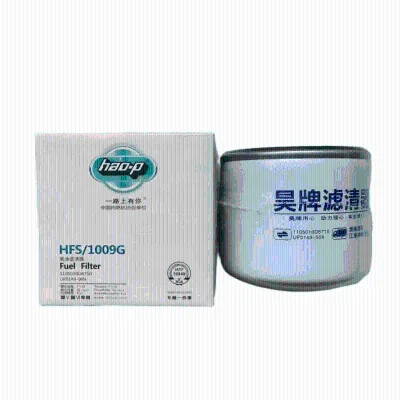


$1.00 - $100.00
MOQ: 1 Pieces


Comprehensive Sourcing Guide
Strategic Sourcing Guide for Automotive Fuel Filters
Navigating the global market for automotive fuel filters requires a disciplined approach that balances technical precision with supply chain reliability. For procurement professionals sourcing "Auto Parts Car Fuel Filter" components, the primary objective is to secure parts that ensure engine longevity while maintaining strict adherence to original equipment manufacturer (OEM) specifications. The market presents a diverse array of options, ranging from simple replacement units to complex filtration assemblies. This guide outlines the critical factors buyers must evaluate, drawing from verified product attributes and industry standards to mitigate risk and ensure operational continuity.
Technical Specifications and Performance Metrics
The foundation of any successful procurement strategy lies in a rigorous understanding of the technical specifications required for the specific vehicle application. Fuel filters are not generic components; they are engineered to handle specific flow rates, pressures, and particle sizes. When evaluating potential suppliers, buyers must verify that the product attributes align with the engine's demands.
Key technical parameters to scrutinize include the filtration efficiency, maximum pressure tolerance, and flow capacity. Verified data indicates that high-performance units can achieve filtration efficiencies of more than 99.9%, ensuring that contaminants are effectively removed from the fuel stream. The physical dimensions of the filter element are equally critical. For instance, specific models may have a height of 110mm with an outer diameter of 81mm, while others designed for different applications might measure 152mm in height with a 123mm outer diameter. These dimensional variances dictate compatibility with the vehicle's fuel system housing.
Furthermore, the internal structure and material composition determine the filter's durability and effectiveness. The core material is often a specialized paper designed for high filtration accuracy, with some units capable of filtering particles as small as 10 microns. The thread specifications must also match exactly; a mismatch in thread pitch, such as 1-12unf, can lead to installation failures or leaks. Buyers should also consider the maximum pressure rating, which in some verified cases reaches 50psi (3.4bar), and the maximum flow rate, which can be as high as 25gpm (94.6lpm). These metrics are not merely marketing points but engineering constraints that must be met to prevent engine damage.
Material Composition and Construction Standards
The longevity of an auto fuel filter is directly correlated with the quality of its materials. The body material is typically constructed from steel to withstand the rigors of the engine bay environment, providing structural integrity against vibration and thermal expansion. Inside the housing, the filtration medium is often a paper core, which offers a high surface area for trapping impurities while maintaining low flow resistance.
It is essential to distinguish between different filtration grades. While some products are labeled as "Hepa Filter" grade, which is typically associated with air filtration, fuel filters utilize specific paper grades optimized for liquid applications. The structure of the filter element or assembly must be robust enough to handle the continuous flow of gasoline without degrading. The medium used, whether paper or synthetic, must be compatible with the fuel type to prevent chemical breakdown.
Buyers should also examine the packaging standards, as these often reflect the manufacturer's attention to detail. Verified examples show that products are packed in cartons with specific dimensions, such as 51x41x17cm, or in standard boxes with kraft cartons for export. Some suppliers offer customization options for packaging, which can be vital for branding or logistics efficiency. The presence of a "Customization" attribute in product listings suggests that the supplier is flexible, but buyers must confirm that custom packaging does not compromise the protection of the filter during transit.
Compliance, Certification, and Quality Assurance
In the automotive industry, compliance is non-negotiable. While specific certification statuses can vary by supplier, buyers must verify that the products meet recognized quality management standards. One verified standard mentioned in product data is ISO9001, which indicates that the manufacturing process adheres to international quality management principles. Additionally, some listings reference ISOTSFuel:Gasoline, suggesting specific compliance with fuel-related standards, though buyers should request official documentation to confirm the scope of such certifications.
Quality assurance extends beyond the initial manufacturing phase. A critical metric for procurement is the quality guarantee period. Verified data points to a 12-month quality guarantee for certain auto parts, providing a safety net for buyers against premature failures. This guarantee should be clearly defined in the contract, covering defects in material and workmanship.
When evaluating suppliers, buyers should also check for the "Original Parts" attribute. Products marked as "Yes" for original parts suggest a higher likelihood of meeting OEM specifications, whereas aftermarket alternatives require more rigorous testing. The "Condition" of the product is universally listed as "New," but buyers must ensure that the "New" status implies unused, factory-fresh inventory rather than refurbished or remanufactured units.
Cost Drivers and Procurement Economics
The pricing of automotive fuel filters is influenced by several factors, including material costs, production complexity, and order volume. The observed price range in the market spans from $0.30 to $100.00 USD. This wide variance reflects the difference between simple spin-on filters and complex filtration assemblies with custom engineering. The minimum order quantity (MOQ) also plays a significant role in the total cost of ownership, with observed ranges from 1 to 1000 units.
Buyers must balance the unit price against the total cost of the supply chain. While a lower unit price might be attractive, it could come with higher MOQs that tie up capital in inventory. Conversely, suppliers offering low MOQs might charge a premium per unit. The "Selling Units" are typically listed as single items, allowing for flexible purchasing, but bulk orders often unlock better pricing tiers.
Lead time is another critical cost driver. Standard delivery times observed in the market are approximately 30 days after receiving a deposit, though some suppliers offer expedited options with a one-week delivery window. Delays in delivery can halt production lines, incurring significant opportunity costs. Therefore, buyers should factor in the reliability of the delivery schedule when calculating the total cost of procurement, not just the sticker price.
Supplier Evaluation and Verification
Selecting the right supplier requires a thorough vetting process that goes beyond the product listing. The "Place of Origin" is a key indicator of supply chain stability. Verified data shows that many fuel filters originate from Shandong, Zhejiang, or Wenzhou City in China. While these regions have established manufacturing ecosystems, buyers should verify the specific factory's capacity and history.
Suppliers should be evaluated on their ability to provide samples for evaluation. Most verified listings indicate that samples are available for testing, allowing buyers to physically inspect the product before committing to a large order. This step is crucial for verifying the "Filtration Efficiency" and "Filtration Accuracy" claims. Additionally, the "Customization" attribute suggests that suppliers can tailor products to specific needs, but buyers must ensure that the customization process does not introduce variability that could affect quality.
The "Delivery Time" and "Lead Time" should be cross-referenced with the supplier's historical performance. A supplier promising 30 days but consistently delivering in 45 days poses a risk to the buyer's inventory management. Buyers should also check the "Quality Guarantee" terms and ensure they are legally binding. Finally, the "Pattern" of the product, such as "Dry" filters, should be verified against the specific application requirements to ensure compatibility.
Typical Applications and Vehicle Compatibility
Fuel filters are designed for specific vehicle brands and models, and misapplication can lead to catastrophic engine failure. Verified product attributes list compatibility with major automotive brands including Volkswagen, WuLing, Benz, BMW, Chery, Chevrolet, and Cadillac. However, the "Suitable for Car Brands" list is not exhaustive, and buyers must verify compatibility for each specific model year and engine type.
The "Application" is generally listed as "Liquid," indicating the filter's use in fuel systems, but the specific fuel type (e.g., gasoline) must be confirmed. Some products are designed for "replace/repair" purposes, meaning they are intended as direct replacements for OEM parts. The "OEM Number" is a critical identifier for compatibility; for example, the number AC199176AA is associated with specific filter models. Buyers should cross-reference these numbers with their vehicle's service manual to ensure a perfect fit.
The "Type" of filter, whether it is an oil filter, fuel filter, or a combination, must be clearly identified. Confusing these types can result in the installation of the wrong component. Additionally, the "Medium" and "Structure" of the filter must match the vehicle's fuel system design. For instance, a filter designed for a high-pressure direct injection system may not be suitable for a traditional port injection system.
Long-Term Procurement and Supply Chain Resilience
Sourcing auto parts is a long-term endeavor that requires building resilient supply chains. Buyers should prioritize suppliers who offer "Customization" and have a track record of meeting "Delivery Time" commitments. The ability to provide samples for testing is a strong indicator of a supplier's confidence in their product quality.
Long-term considerations also include the availability of spare parts and the consistency of the product quality over time. A supplier that maintains strict adherence to standards like ISO9001 is more likely to deliver consistent quality. Buyers should also consider the "Package" and "Standard" of the product to ensure that the logistics chain can handle the items without damage.
Finally, buyers should maintain open communication with suppliers regarding any changes in specifications or standards. The automotive industry is dynamic, and requirements can shift rapidly. By staying informed and maintaining a flexible procurement strategy, buyers can ensure a steady supply of high-quality fuel filters that keep their vehicles running efficiently and safely.
FAQs
What is the filtration efficiency of these auto parts car fuel filters?
The filtration efficiency exceeds 99.9 percent for high-performance units. This ensures contaminants are effectively removed from the gasoline stream to protect engine components.
Which car brands are suitable for these auto parts car fuel filters?
These filters are suitable for Volkswagen, WuLing, Benz, BMW, Chery, Chevrolet, and Cadillac. Buyers must verify specific model year compatibility before purchasing.
Can I get samples for evaluating these auto parts car fuel filters?
Samples can be provided for evaluating the product quality and performance. This allows buyers to verify filtration accuracy and physical dimensions before placing bulk orders.
What is the delivery time for these auto parts car fuel filters?
The standard delivery time is 30 days after receiving the deposit. Some suppliers may offer expedited one-week delivery, but this depends on current capacity.
How are these auto parts car fuel filters packaged for export?
Products are packed in standard boxes with kraft cartons or custom cartons. Specific dimensions like 51x41x17cm are used for carton packaging to ensure safe transit.
What is the quality guarantee period for these auto parts car fuel filters?
A 12-month quality guarantee is provided for certain auto parts. This covers defects in material and workmanship to ensure long-term reliability for the buyer.
Which specifications define the physical dimensions of these auto parts car fuel filters?
Dimensions vary by model, with some measuring 110mm height and 81mm outer diameter. Others may have a height of 152mm and an outer diameter of 123mm.