Source Auto Parts Injection Molds for Cars, Appliances, Electronics
Find 30 Auto Parts Injection Molds tailored for cars, household appliances, and electronics. Compare single and multi-cavity options with hot runner systems, various steel grades like P20 and S136, and customized designs from Chinese manufacturers; compare the available evidence and request quotations based on your requirements.
Key considerations
Products List




Comprehensive Sourcing Guide
Auto Parts Injection Molds Sourcing Guide
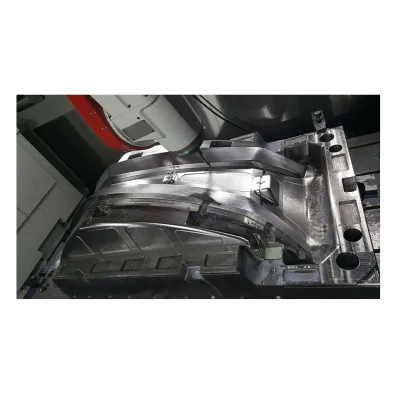
Buyers evaluating Auto Parts Injection Molds must first distinguish between single-cavity and multi-cavity configurations based on their specific production volume needs. The observed market data indicates that suppliers offer both single-cavity setups for prototyping or low-volume runs and multi-cavity systems designed for high-efficiency mass production. Understanding this distinction is critical because the choice directly impacts the unit cost, cycle time, and the overall scalability of the manufacturing line.
Procurement teams should also verify the specific design software and molding process combination used by the supplier to ensure compatibility with their existing engineering workflows. Listings frequently mention tools like UG and Pro-E, alongside process types such as injection molding or progressive die operations. Confirming that the supplier utilizes compatible 3D formats like STP or Step is essential for seamless data exchange and accurate mold replication without costly rework or translation errors.
Product Scope and Observed Listing Signals
The product scope for Auto Parts Injection Molds extends beyond simple automotive components to include applications in household appliances, electronics, and furniture. Buyers should note that observed listings often describe these molds as versatile tools capable of producing parts for diverse industries, including car bumpers and general hardware. This broad application range suggests that a single supplier may possess the flexibility to handle varied project requirements, provided they can demonstrate experience with the specific material and geometry involved.
When scanning listings, buyers must pay close attention to the stated production models and material specifications to ensure alignment with project goals. Specific model identifiers like MI016 or IM046 appear alongside material choices such as PVC, PA66+GF, and HDPE. It is vital to cross-reference these specific material grades with the intended part performance requirements, as the wrong plastic selection can lead to premature failure or non-compliance with industry standards for durability and chemical resistance.
Technical Specifications to Verify
Technical verification begins with the mold steel selection, as the choice of material dictates the mold's lifespan and resistance to wear. Suppliers list various steel grades including P20h, 718h, 2316, S136, and 2738, each offering different balances of hardness, corrosion resistance, and polishability. Buyers must confirm that the selected steel grade matches the abrasive nature of the plastic material being processed and the expected shot count, which can range significantly based on the specific application and production intensity.
The runner system and surface finish process are equally critical technical parameters that influence part quality and production efficiency. Most observed listings specify hot runner systems from brands like Yudo or Sure, which help reduce material waste and improve cycle times compared to cold runner systems. Additionally, the surface finish process, often described as polishing, must be verified to ensure it meets the aesthetic and functional requirements of the final auto part, particularly for visible exterior components.
Compliance and Safety Documentation
Compliance verification requires a rigorous check of the certifications held by the mold manufacturer, as these documents validate their adherence to international quality and safety standards. The market data shows a mix of certifications including ISO, TSCE, and FDA, which are relevant for different sectors of the automotive and consumer goods supply chain. Buyers should request current certificates to ensure the supplier maintains active compliance, as outdated or generic claims do not guarantee that the specific mold production process meets the necessary regulatory thresholds.
Safety documentation must also cover the specific standards applied to the mold design and the materials used within the production environment. While some listings reference standards like HASCO or DME, buyers need to confirm if these apply to the specific mold components or the overall manufacturing facility. It is essential to verify that the mold design incorporates safety features for operation and that the materials used, such as the specified mold steel and plastic resins, do not pose hazards during the molding or subsequent part usage.
Cost Drivers and Commercial Terms
Cost drivers for Auto Parts Injection Molds are heavily influenced by the complexity of the design, the number of cavities, and the specific materials selected for the mold construction. A multi-cavity mold utilizing high-grade steel like S136 will inherently cost more than a single-cavity mold made from P20h, reflecting the increased machining time and material expense. Buyers should analyze the total cost of ownership, considering that higher initial investment often correlates with longer mold life and lower per-part costs over extended production runs.
Commercial terms regarding packaging and shipping are also significant factors that affect the final landed cost and delivery timeline. Observed listings indicate various packing methods, ranging from wooden cases and wood boxes to steel boxes, each offering different levels of protection during transit. Procurement teams must clarify who bears the cost of specialized packaging and ensure that the shipping terms align with the delivery schedule, as improper packaging can lead to damage and costly delays in the supply chain.
Supplier Qualification and Quality Control
Supplier qualification should focus on their ability to assist in design and their track record with specific mold standards and formats. Many suppliers offer design assistance and support various 3D file formats, which is a crucial capability for ensuring that the mold design is optimized before manufacturing begins. Buyers should verify the supplier's experience with the specific standards they claim to follow, such as HASCO or DME, to ensure that the mold components are interchangeable and meet industry expectations for fit and function.
Quality control processes must be validated through the supplier's documentation of spare parts availability and mold life expectations. Listings often mention spare parts like ejectors, water tips, and seal rings, which are essential for maintaining continuous production and minimizing downtime. Buyers should request a detailed maintenance plan and verify the stated mold life, such as the observed 0.8 million shots, to ensure that the supplier's quality control measures are robust enough to sustain the claimed production capacity over the long term.
Long-Term Procurement Checks
Long-term procurement checks require a strategic review of the supplier's ability to support future production needs and potential design modifications. Buyers should assess whether the supplier can provide updates to the mold design software files and spare parts lists as production requirements evolve or as new automotive standards are introduced. This forward-looking approach ensures that the mold remains a viable asset throughout its lifecycle, rather than becoming obsolete due to a lack of support or incompatible updates.
Finally, buyers must establish clear protocols for ongoing performance monitoring and periodic quality audits of the mold and its output. Regular inspections should verify that the mold continues to produce parts within the specified tolerances and that the surface finish remains consistent over time. Establishing a schedule for these checks helps identify wear and tear early, allowing for timely maintenance or part replacement, which is essential for maintaining the high quality standards required in the automotive industry.
FAQs
What design software supports Auto Parts Injection Molds?
Design software such as UG and Pro-E supports the creation of Auto Parts Injection Molds. These tools enable precise 3D modeling in STP, Step, X-T, or Igs formats. This ensures accurate mold cavity design for single or multi-cavity configurations. Engineers use these standards to streamline the manufacturing process and maintain consistency across complex automotive component production.
Can Auto Parts Injection Molds be customized for specific applications?
Yes, Auto Parts Injection Molds can be fully customized for specific applications. Customization is available for various industries including cars, household appliances, electronics, and furniture. Manufacturers offer tailored solutions to meet unique product requirements. This flexibility allows buyers to obtain molds that precisely fit their production needs and material specifications.
Which materials are used for auto parts injection mold construction?
Mold construction utilizes materials like P20h, 718h, 2316, S136, 2738, and Stc. Aluminum materials are also available for specific needs. These steels ensure durability and precision during the injection molding process. The choice of mold steel depends on the required mold life and the type of plastic material being processed, such as PVC or PA66+GF.
What certifications are standard for Auto Parts Injection Molds?
Standard certifications include ISO, TSCE, and FDA compliance. Some molds feature TSCustomized certifications for specific client requirements. These certifications ensure that the manufacturing process meets international quality and safety standards. Buyers can verify these credentials to ensure the molds are suitable for regulated industries like automotive and household appliances.
How is the mold life determined for Auto Parts Injection Molds?
Mold life is typically rated at approximately 0.8 million shots. This lifespan depends on the mold steel quality and the plastic material used. Hot runner systems from brands like Yudo or Sure enhance efficiency. Proper maintenance and correct installation, whether fixed or mobile, also significantly impact the total number of shots the mold can sustain.
What packing methods are used for shipping Auto Parts Injection Molds?
Packing methods include wooden cases, wood box packing, and steel boxes. Exported wooden cases are commonly used for safe international shipping. These robust packaging options protect the intricate mold components during transit. The choice of packing depends on the mold size and the specific shipping requirements to ensure the product arrives in perfect condition.