Source Arduino Development Board for Server, Workstation, and Computer
Explore 30 options for the Arduino Development Board, including models like R4, CSC-217, and Nano. Compare wired and wireless variants with features such as ESD protection and RoHS certification for server, workstation, and computer applications; compare the available evidence and request quotations based on your requirements.
Key considerations
Products List




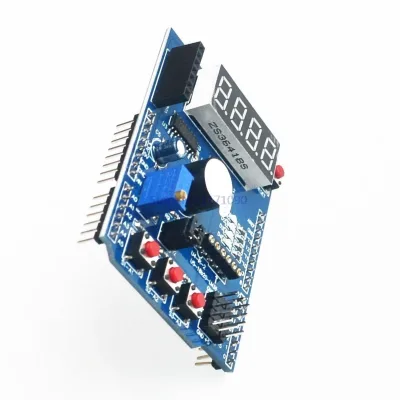
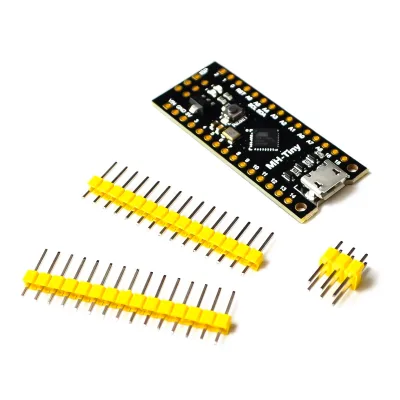
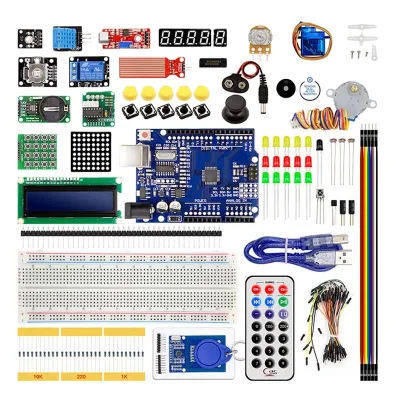
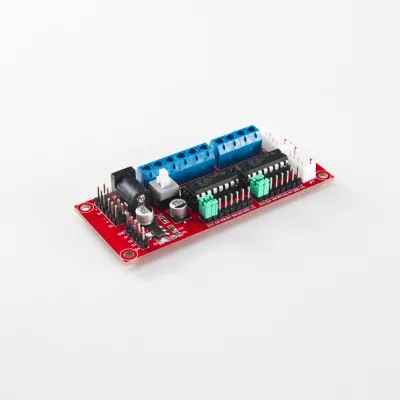
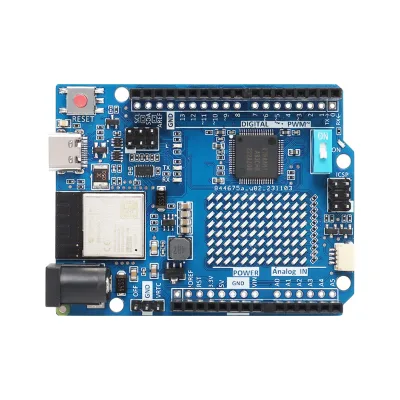
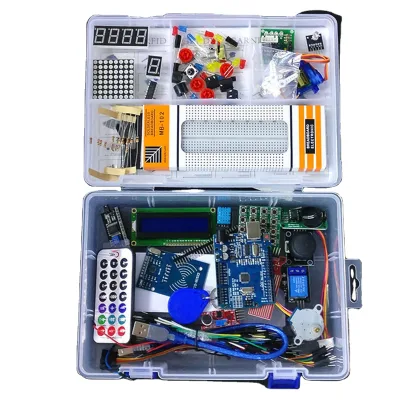


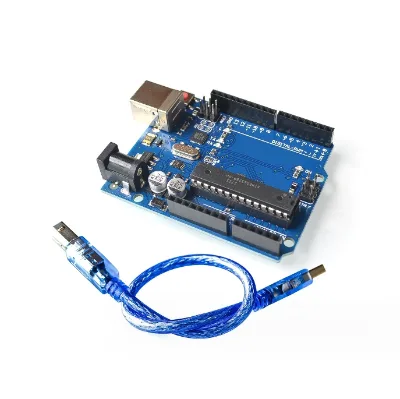
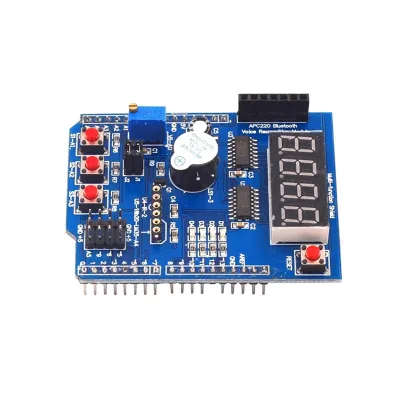
Comprehensive Sourcing Guide
Arduino Development Board Sourcing Guide
Procurement professionals must first distinguish between wired and wireless expansion boards when selecting components for server or workstation integration. The available market data indicates a mix of products supporting Ethernet connectivity alongside those featuring Bluetooth capabilities, requiring buyers to align network protocols with specific infrastructure needs. This distinction is critical because the physical interface dictates the cabling and signal integrity requirements for the final assembly.
Buyers should also evaluate the physical form factor and packaging standards to ensure compatibility with existing inventory handling systems. Listings show variations ranging from generic packages to specialized ESD packing, which directly impacts the safety of the components during transit. Understanding whether a product arrives in a box, carton, or specific ESD packaging helps logistics teams plan for proper storage and handling procedures to prevent electrostatic discharge damage before installation.
Product Scope and Observed Listing Signals
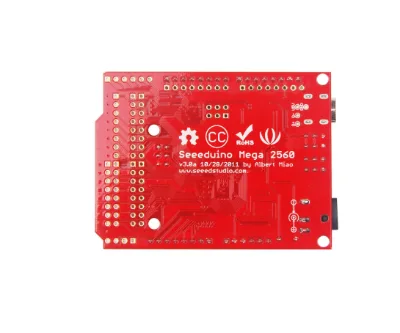
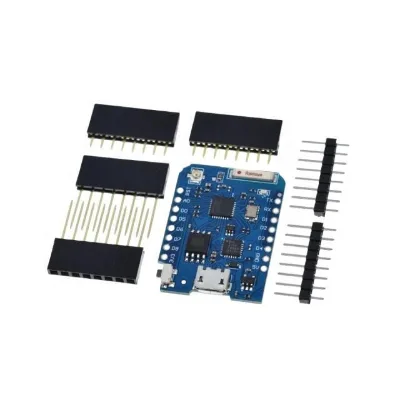
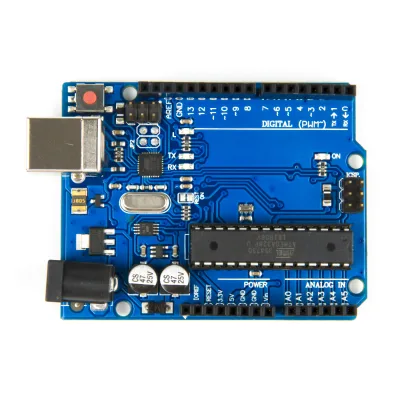
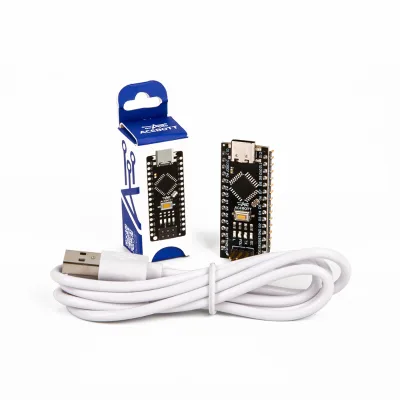
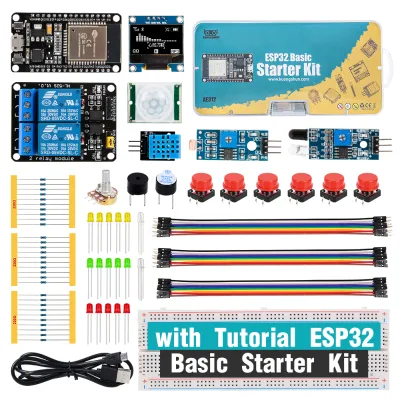
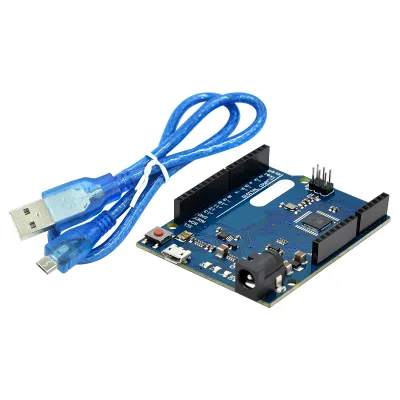
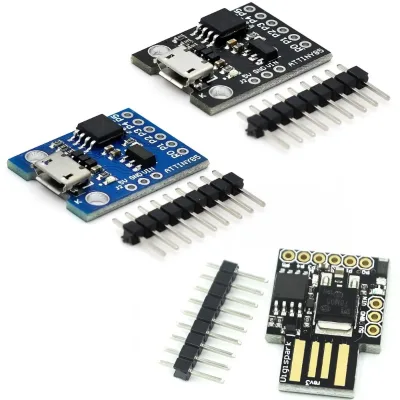
The observed product range includes multifunction expansion boards designed for specific applications like the Csc-217, alongside open-source game programming boards and mini control variants. These items often feature distinct model identifiers such as R4, SAM3X8E, or Mega ATmega2560, indicating a diverse ecosystem of microcontrollers and core chips like the Atmega328p. Buyers must carefully map these model numbers to their specific project requirements to avoid selecting a board with incompatible processing power or memory architecture.
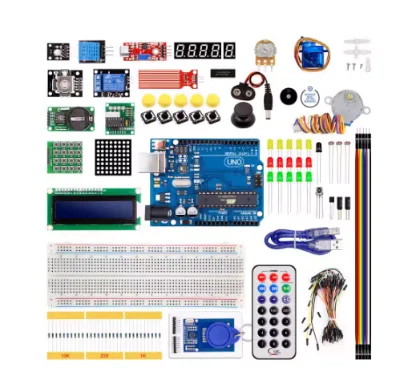
Listing signals also reveal significant variation in customization availability and support networks, with some products explicitly supporting programming for Arduino Due or offering included USB cables. The presence of features like DIP descriptions or specific series names like Nano Development Board suggests a wide spectrum of form factors, from standard sizes to mini control boards. Procurement teams should verify if the specific unit includes necessary accessories like USB drivers or if these are optional add-ons that could delay the project timeline.
Technical Specifications to Verify
Technical verification must begin with the core chip architecture and the specific model number to ensure the board meets processing demands. The supply data highlights models utilizing the SAM3X8E and Atmega328p chips, which serve different performance tiers and pin configurations. Buyers should confirm that the selected board's core chip matches the firmware requirements of their application, as the difference between a Nano and a Mega board can significantly alter the available I/O ports and memory capacity.
Connectivity and interface standards require equal scrutiny, particularly regarding the support for Ethernet or Bluetooth networks and the inclusion of specific USB driver chips like the CH340. The presence of a programming interface for boards like the Arduino Due or the inclusion of a cable as a standard feature affects the immediate usability of the component. Procurement specialists must ensure that the listed specifications for size, dimension, and interface types align with the physical constraints of the target enclosure or system design.
Compliance and Safety Documentation
Safety and compliance documentation is paramount when sourcing electronic components that will be integrated into commercial or industrial systems. The available listings indicate that many products carry RoHS and CE certifications, which are essential for meeting environmental and safety regulations in various global markets. Buyers must request and verify these certificates for every batch to ensure that the components do not contain restricted hazardous substances and meet the necessary electromagnetic compatibility standards.
Electrostatic discharge (ESD) protection is another critical safety aspect that must be verified through both product standards and packaging methods. The data shows that products often adhere to ESD standards and are shipped in ESD packing or boxes, which is vital for protecting sensitive microcontrollers during handling. Procurement teams should confirm that the supplier's packaging standard explicitly states ESD protection to prevent field failures caused by static electricity before the components are even mounted on a circuit board.
Cost Drivers and Commercial Terms
Cost structures for these development boards are influenced by the level of customization, the specific model complexity, and the packaging requirements. While the observed price range spans from 0.7 to 55.9 USD, the final cost is heavily dependent on whether the buyer requires a standard generic package or specialized ESD packing. Additionally, the inclusion of accessories like USB cables or specific driver chips can shift the unit price, making it essential to compare total landed costs rather than just the base unit price.
Commercial terms such as Minimum Order Quantity (MOQ) and payment methods vary significantly across different listings, with some suppliers requiring a minimum of 10 pieces while others accept single items. The data indicates that payment options may include PayPal, TT, Western Union, or Trade Assurance, each carrying different levels of financial risk and processing time. Buyers should negotiate terms that balance the MOQ requirements with their inventory needs to avoid overstocking while ensuring secure payment channels are in place.
Supplier Qualification and Quality Control
Supplier qualification should focus on the origin of the goods and the consistency of their production standards, as the data points to origins in China and Guangdong. Buyers must verify that the supplier maintains a consistent support network and can reliably provide the specific model numbers and customization options observed in the listings. A supplier's ability to deliver products with the correct ESD standards and packaging types is a key indicator of their operational maturity and quality control capabilities.
Quality control processes must be validated through the supplier's adherence to specific standards and their ability to provide consistent product descriptions. The presence of detailed specifications like the "Standard" size or specific model numbers suggests a level of standardization that buyers should expect to be maintained across all units. Procurement teams should request samples to verify that the physical attributes, such as the USB driver chip or the core chip, match the advertised specifications before committing to a larger order volume.
Long-Term Procurement Checks
Long-term procurement strategies require regular audits of the supplier's ability to maintain the specific certifications and standards required for the product lifecycle. Since the market data shows a mix of certifications like RoHS and CE, buyers must ensure these remain valid and that the supplier does not switch to non-compliant components without notification. Continuous verification of the product origin and the consistency of the ESD packing standards is necessary to maintain the integrity of the supply chain over time.
Buyers should also monitor the availability of support networks and customization options to ensure the supplier can adapt to future project requirements. The observed support for various networks and the availability of customization suggest that the market is dynamic, and suppliers must remain flexible to meet evolving technical needs. Establishing a relationship with a supplier who can consistently deliver the required model numbers and technical specifications will mitigate the risk of supply disruptions and ensure project continuity.
FAQs
What customization options are available for arduino development boards?
Customization is available for these boards, allowing buyers to tailor specific features to their project needs. The products support various configurations, including different packing methods like ESD or box packing. Buyers can request modifications to meet unique technical requirements, ensuring the hardware aligns perfectly with their development workflows and integration standards.
Which certifications do these arduino development boards hold?
These boards hold RoHS and CE certifications, ensuring compliance with international safety and environmental standards. This makes them suitable for global distribution and professional use. Buyers can rely on these documented credentials for regulatory compliance in their supply chain, verifying that the components meet necessary quality and safety benchmarks for electronic assemblies.
Can I source arduino development boards with a low MOQ?
Yes, you can source these boards with a minimum order quantity starting from just one piece. Some listings specify an MOQ of ten pieces, offering flexibility for small batches. This low entry point allows buyers to test samples or order small quantities without committing to large volumes, ideal for prototyping or small-scale production runs.
What is the origin of these arduino development boards?
These boards originate from China, with specific production located in Guangdong. This region is known for its robust electronics manufacturing ecosystem. Buyers sourcing from this location benefit from established supply chains and competitive pricing structures, ensuring reliable access to components while maintaining quality control through standardized production processes and verified shipping methods.
How are these arduino development boards packaged for shipping?
The boards are packaged using ESD protection to prevent static damage during transit. Options include generic packages, box packing, and carton shipping. This careful packaging ensures the integrity of sensitive electronic components arrives safely. Buyers receive their orders in secure containers designed to protect the hardware from environmental factors and physical stress during global logistics.
What types of networks do these boards support?
These boards support both Ethernet and Bluetooth networks, providing versatile connectivity options. This dual capability allows for wired and wireless integration in various applications. Buyers can utilize these features for server, workstation, or computer usage, enabling robust data transmission and remote control capabilities within their electronic projects and automated systems.