Source Dual Screen Kids Digital Camera for School, Travel, and Play
Explore 30 Dual Screen Kids Digital Camera options from verified suppliers. Compare features like optical zoom, memory support, and battery life to find the right device for educational projects, family trips, and creative play; compare the available evidence and request quotations based on your requirements.
Key considerations
Products List


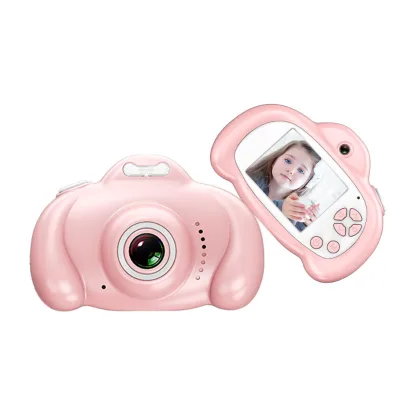

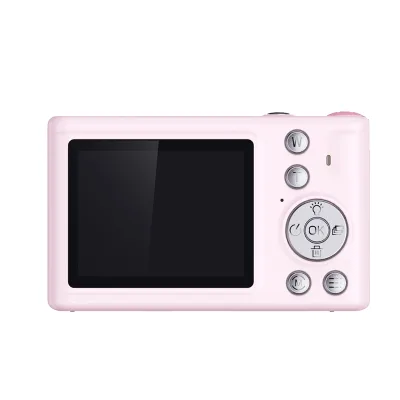
Factory Price Digital Photo Video Recorder Cartoon Children's Gift New Kids Camera
$7.04 - $7.87
MOQ: 100 Pieces


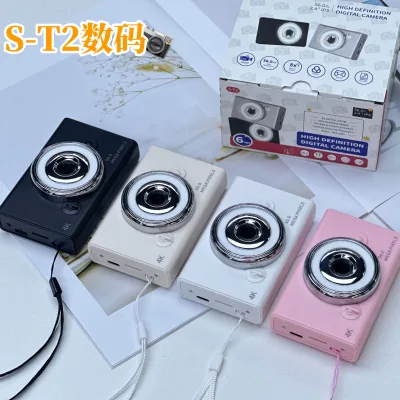
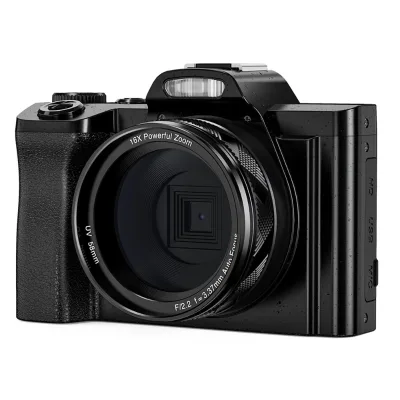
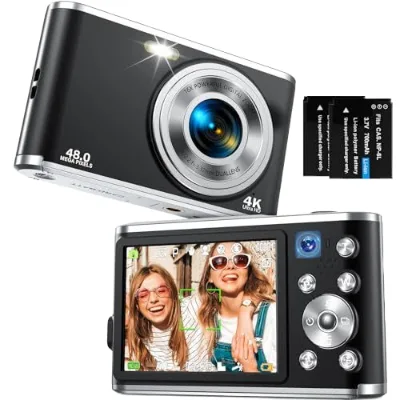

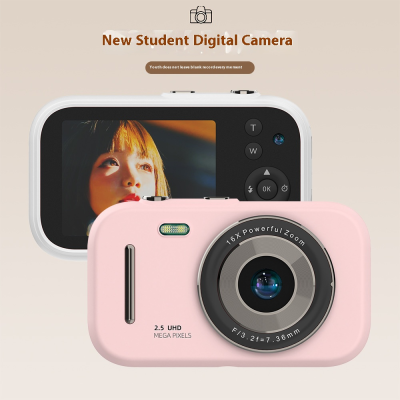
$20.00 - $21.99
MOQ: 50 pieces
Comprehensive Sourcing Guide
Dual Screen Kids Digital Camera Sourcing Guide
Procuring dual screen kids digital cameras requires careful attention to the specific optical and structural features that define this niche category. The observed product data indicates a strong presence of compact digital cameras designed for younger users, featuring optical viewfinders and varying screen sizes between two and three inches. Buyers must distinguish between models that offer true dual-screen functionality and those that rely on a single HD IPS display, as the terminology in listings can sometimes be ambiguous. The presence of an optical viewfinder alongside a digital screen suggests a hybrid design intended to extend battery life while providing a traditional photography experience for children.
The core keyword search results reveal a diverse range of pixel resolutions, from entry-level 2-megapixel sensors to high-definition 48-megapixel variants, often paired with dual-camera setups. It is critical to verify whether the "dual screen" claim refers to a rear LCD and a front-facing selfie screen, or if it implies a secondary display for parental monitoring. The observed models frequently include customization options for colors such as pink, green, blue, and red, which are essential for marketing to specific demographics. Understanding these visual and functional distinctions ensures that procurement teams select devices that align with the intended user experience and safety standards for juvenile consumers.
Product Scope and Observed Listing Signals
The market for these devices is characterized by a wide price range, typically observed between five and eighty-seven US dollars, reflecting significant variation in build quality and feature sets. The minimum order quantities (MOQ) vary substantially, ranging from single units for sampling to five hundred units for bulk commercial orders, allowing buyers to scale their procurement strategies effectively. Many suppliers offer customization services, including logo printing and packaging design, which is a key value proposition for private-label brands entering the children’s electronics market. This flexibility enables retailers to create unique product identities without requiring massive initial inventory commitments.
Observed listings highlight specific technical attributes such as the absence of external flashes and red-eye reduction in some models, while others include WiFi connectivity and video capture capabilities. The memory card support is a critical differentiator, with many devices supporting MicroSD/TF cards up to 256GB, ensuring ample storage for photos and videos. Buyers should note that while some products claim image stabilization, others do not, which directly impacts the quality of handheld shots taken by children. The presence of MP3 music playback and multiple functional levels adds educational and entertainment value, making these devices more than just simple cameras.
Technical Specifications to Verify
When evaluating technical specifications, the image sensor type is a primary consideration, with CMOS sensors being the standard across most observed models. Buyers must verify the actual pixel count, as listings may advertise "4800W" pixels, which often refers to interpolated resolution rather than native sensor output. The screen size is another crucial factor, with options ranging from two to three inches, and the screen type is frequently specified as HD IPS for better viewing angles and color accuracy. It is essential to confirm whether the device includes an optical viewfinder, as this feature can enhance the user experience by reducing screen dependency and conserving battery power during extended use.
Battery capacity and working time are vital for ensuring the device meets the practical needs of young users. The observed lithium batteries typically have a capacity of around 400mAh, providing a working time of four to six hours, which is sufficient for casual use but may require frequent recharging for heavy usage. Buyers should also check the physical dimensions and weight of the device, as compact sizes around 100mm in length are preferred for small hands. The inclusion of a LAN cable in the packing specification suggests data transfer capabilities, but the absence of WiFi in some models means wired connections may be necessary for downloading content to computers.
Compliance and Safety Documentation
Safety is paramount when sourcing electronics for children, and buyers must ensure that all products comply with relevant international safety standards. While specific certification statuses are not provided in the observed data, it is standard practice for manufacturers to adhere to regulations such as CE, FCC, and RoHS for electronic devices sold in global markets. Buyers should request test reports for battery safety, particularly for lithium-ion batteries, to ensure they meet transport and usage safety guidelines. The use of non-toxic materials in the casing is also a critical requirement, as children may handle the devices extensively and potentially put them in their mouths.
Data privacy is another significant concern, especially for devices with WiFi capabilities that may connect to cloud services or mobile apps. Buyers must verify that the software and hardware do not collect unnecessary personal data from young users, in compliance with regulations like COPPA in the United States or GDPR in Europe. The presence of video capture and potential connectivity features necessitates a thorough review of the privacy policy and data handling practices of the supplier. Ensuring that the device operates securely without exposing children to online risks is a non-negotiable aspect of the procurement process for this product category.
Cost Drivers and Commercial Terms
The cost of dual screen kids digital cameras is influenced by several factors, including the resolution of the image sensor, the quality of the lens system, and the inclusion of additional features like WiFi or image stabilization. Higher pixel counts and dual-camera setups typically command higher prices, while basic models with lower resolutions and fewer features are more cost-effective. The customization options, such as custom packaging and logo printing, may incur additional setup fees or higher per-unit costs, depending on the order volume. Buyers should negotiate clearly on these variables to optimize their total cost of ownership.
Commercial terms such as payment methods, shipping arrangements, and warranty policies are essential components of the procurement agreement. The observed MOQ ranges allow for flexibility, but buyers should be aware that lower MOQs may come with higher per-unit prices. Lead times can vary based on the level of customization and the supplier’s production capacity, so it is important to establish clear timelines for delivery. Warranty coverage should be explicitly defined, including the duration and the process for handling defective units, to protect the buyer from potential losses due to product failures.
Supplier Qualification and Quality Control
Selecting a reliable supplier is crucial for ensuring consistent product quality and timely delivery. Buyers should conduct thorough due diligence on potential suppliers, verifying their business licenses, manufacturing capabilities, and past performance in the children’s electronics market. Requesting samples is a vital step in the qualification process, allowing buyers to assess the build quality, user interface, and overall performance of the device firsthand. It is also important to check the supplier’s ability to provide necessary documentation, such as test reports and compliance certificates, to ensure regulatory adherence.
Quality control measures should be established to monitor production consistency and identify potential defects early in the manufacturing process. Buyers may consider implementing third-party inspections or audits to verify that the products meet the agreed-upon specifications and quality standards. The packing specification, which typically includes the camera, color box, instruction manual, and data cable, should be checked for completeness and durability to prevent damage during shipping. Establishing clear quality benchmarks and communication channels with the supplier helps maintain high standards and reduces the risk of receiving subpar products.
Long-Term Procurement Checks
Long-term success in sourcing dual screen kids digital cameras requires ongoing monitoring of market trends and consumer feedback. Buyers should stay informed about emerging technologies, such as improved battery life or enhanced camera features, to ensure their product offerings remain competitive. Regularly reviewing customer reviews and return rates can provide valuable insights into product performance and potential areas for improvement. This feedback loop allows buyers to make informed decisions about future orders and supplier relationships, ensuring that they continue to meet the evolving needs of their target market.
Building a strong relationship with suppliers is also key to long-term procurement success. Open communication and collaboration can lead to better pricing, improved product quality, and more flexible terms over time. Buyers should consider developing a diversified supplier base to mitigate risks associated with supply chain disruptions or quality issues. By maintaining a proactive approach to supplier management and market analysis, buyers can ensure a steady supply of high-quality dual screen kids digital cameras that satisfy both regulatory requirements and consumer expectations.
FAQs
What customization options are available for kids cameras?
Customization is available for product colors and packaging specifications. Buyers can request specific colors like pink, green, or blue, and choose between standard or customized packaging options to meet branding needs.
Which memory card types do these digital cameras support?
These cameras support MicroSD, TF, and SD card types. The maximum supported storage capacity is 256GB, allowing users to store a large number of photos and videos without needing frequent data transfers.
How long does the battery last during operation?
The built-in 400mAh lithium battery provides a working time of 4 to 6 hours. This duration supports extended play sessions for children without requiring immediate recharging after every use.
Can these cameras capture video and play music?
Yes, the cameras support video capture and MP3 music playback formats. Some models offer three-level functionality, enabling children to record videos and enjoy music directly on the device.
What is the screen size and type for these devices?
The devices feature a 2.0-inch HD IPS screen with a size range of 2 to 3 inches. This display provides clear visibility for viewing photos and navigating the camera interface easily.
Which optical zoom range is included in these models?
The cameras include an optical zoom range of 7 to 10 times. This feature allows children to get closer to their subjects while maintaining image clarity without digital distortion.
What are the dimensions and weight of the camera?
Product sizes vary slightly by model, typically around 102 by 62 by 53 millimeters. The gross weight is approximately 14 kilograms per box, which includes the camera and standard packaging materials.