Source Automatic 6-Egg Fried Egg Cooker for Hotels, Restaurants, and Kitchens
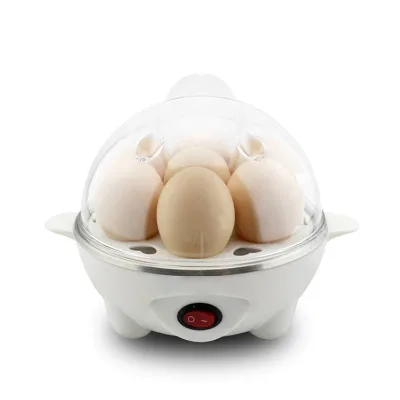
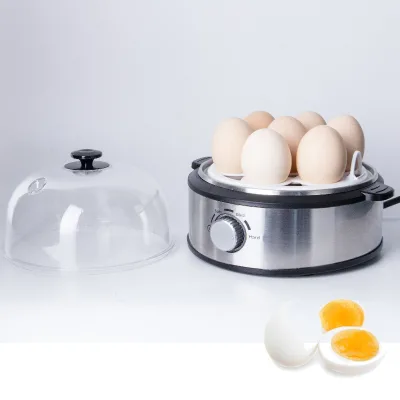
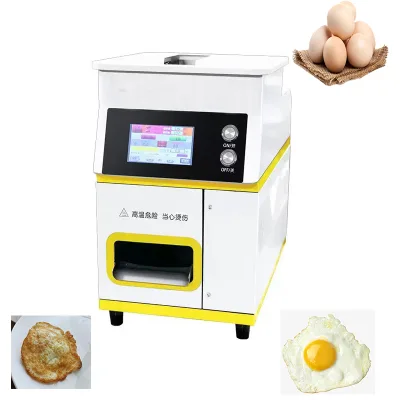
Find and compare 30 automatic 6-egg fried egg cooker models from verified Chinese manufacturers. These electric appliances feature automatic shut-off, timing devices, and stainless steel heating plates suitable for household, commercial, and RV applications.
Key considerations
Products List


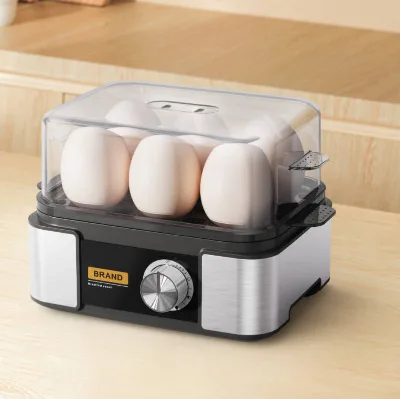
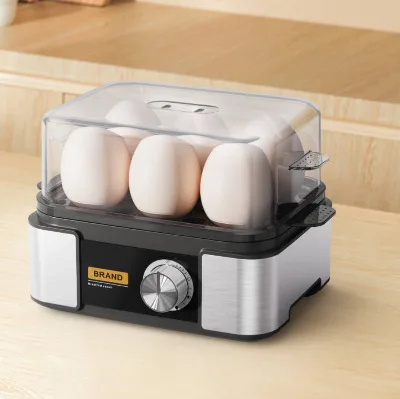
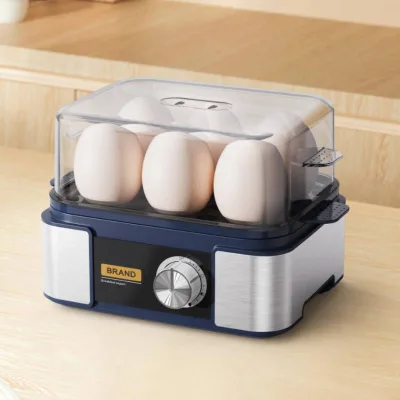
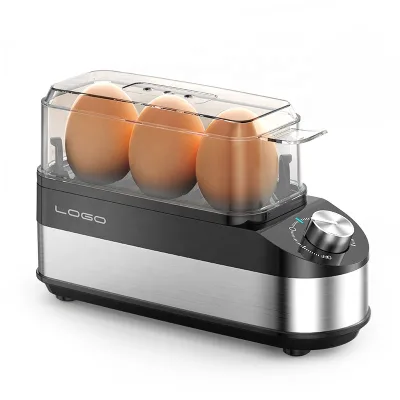
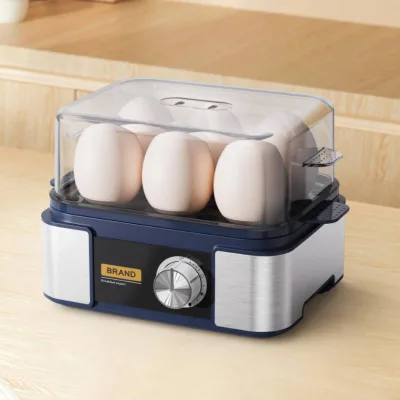
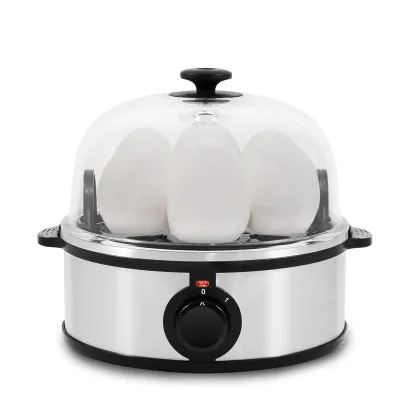
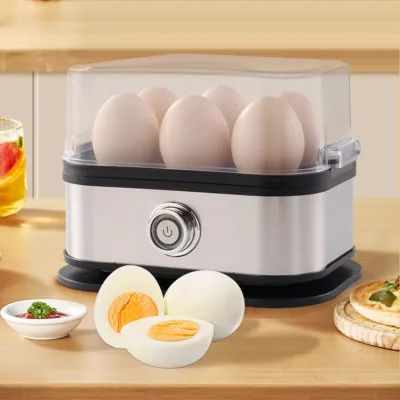
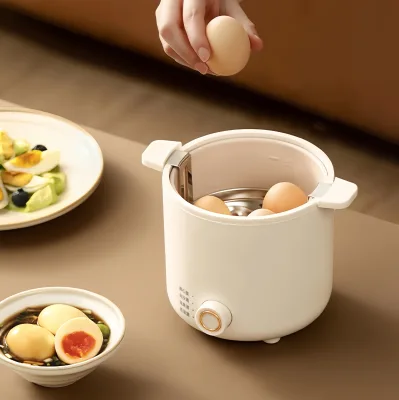


Comprehensive Sourcing Guide
Strategic Sourcing Guide for Automatic 6-Egg Fried Egg Cookers
The global demand for specialized kitchen appliances capable of high-volume, consistent food preparation has elevated the importance of automated cooking solutions. For procurement professionals seeking an automatic 6-egg fried egg cooker, the market offers a diverse array of units designed for efficiency in commercial and residential settings. This guide synthesizes available product attributes, technical specifications, and compliance frameworks to assist buyers in navigating the supply chain effectively. The focus remains on evidence-based selection criteria, ensuring that procurement decisions are grounded in verified product data rather than unverified marketing claims.
Technical Architecture and Operational Specifications
Understanding the internal architecture of the automatic 6-egg fried egg cooker is the first step in defining procurement requirements. The observed product landscape reveals a distinct separation between residential-grade units and those built for heavy commercial use. A primary structural observation is the prevalence of the "Separated Type" configuration, which often allows for easier cleaning and component replacement. The housing material is predominantly plastic, with many models incorporating a blend of ABS and steel to balance cost, weight, and durability. However, the heating interface is consistently specified as stainless steel, a critical material choice for food safety and resistance to corrosion in high-humidity kitchen environments.
Power consumption varies significantly across the catalog, ranging from units rated at 400W to those capable of 1kW output. This variance directly correlates with the intended application; a 400W unit, often associated with a 6-egg capacity standard, is suitable for smaller operations or household use, while 1kW models are better suited for high-throughput commercial kitchens. The control mechanism is almost universally automatic, utilizing electronic boards that may offer multi-level effects to adjust cooking intensity. A key differentiator in the market is the presence or absence of a timing device. Some models, such as those designated with specific model numbers like SE-06C, include a built-in timing device for precise cycle management, whereas others, like the SE-06SP, operate without one, relying on automatic shut-off mechanisms triggered by thermal sensors or cycle completion.
The voltage requirements for these appliances are equally diverse, reflecting the global nature of the supply chain. Buyers must verify compatibility with local grid standards, as observed units support 100-120V, 220-240V, and specific 220V configurations. The plug types are equally adaptable, with options available for CN, EU, US, and UK standards. This flexibility is essential for importers targeting multiple regions. Furthermore, the physical dimensions of the units, such as the W290D376H256mm specification observed in certain models, must be factored into kitchen layout planning to ensure adequate ventilation and workspace.
Compliance Framework and Certification Verification
In the B2B procurement of food-contact appliances, compliance is not merely a regulatory formality but a fundamental component of risk management. The product data indicates a robust array of certifications that buyers should prioritize during supplier vetting. The most frequently observed certification cluster includes CE, CB, LFGB, RoHS, EMC, and GS. These standards address electrical safety, electromagnetic compatibility, and material safety for food contact. Specifically, the LFGB standard is critical for products intended for the German and European markets, ensuring that the materials used in the cooking chamber do not leach harmful substances.
Beyond product-specific certifications, management system certifications provide insight into the supplier's operational maturity. The presence of ISO and BSCI certifications suggests that the manufacturer adheres to international quality management standards and social compliance requirements, respectively. Additional certifications such as EESS, KC, CCC, ETL, ASME, and EMC further expand the market accessibility of these units. For instance, CCC is mandatory for sales within China, while ETL is a recognized safety mark in North America. Buyers must verify that the specific unit being sourced carries the valid certification for the destination market, as the "6-Certification" label observed in some listings implies a comprehensive compliance package but requires validation against the specific model number.
Cost Drivers and Pricing Dynamics
The pricing structure for automatic 6-egg fried egg cookers is influenced by a complex interplay of factors, including power rating, material composition, and the inclusion of advanced features like timing devices. The observed price range spans from $1.78 to $2,200, a disparity that reflects the difference between basic entry-level units and high-end commercial systems. The lower end of the spectrum typically corresponds to single-layer units with plastic housings and basic automatic shut-off features. In contrast, the higher price points are associated with units featuring stainless steel construction, higher wattage (1kW), and advanced electronic control boards.
Material costs play a significant role in pricing. Units utilizing a combination of ABS plastic and stainless steel generally command a premium over those made solely of plastic, due to the enhanced durability and thermal conductivity of the metal components. The packaging type also influences the final cost; "Gift Box + Carton" configurations are more expensive than standard "Color Box" or bulk "Packing" options, as they add value for retail resale. Additionally, the customization options available, such as silk screen printing, laser printing, or UV printing for logos, will incur additional costs. Buyers should be aware that while the base unit price may be low, the total landed cost must account for these value-added services and the specific packaging requirements of the target market.
Application Scenarios and Market Segmentation
The versatility of the automatic 6-egg fried egg cooker allows it to serve a wide range of applications, from small-scale home kitchens to large commercial establishments. The product attributes explicitly list applications in households, hotels, commercial kitchens, RVs, garages, and restaurants. This broad applicability suggests that the design philosophy prioritizes compactness and ease of use without sacrificing output. In a hotel or restaurant setting, the "Noise-free" operation and "Auto shut-off" features are particularly valuable, ensuring a pleasant dining environment and preventing overcooking during high-volume service periods.
For mobile or semi-mobile applications such as RVs and garages, the electric power source and compatibility with various voltage standards (100-120V vs. 220-240V) are critical. The "Eco-friendly" feature noted in the product data aligns with the growing trend toward sustainable kitchen operations, reducing energy waste through precise thermal control. The "Modern" style and availability in white and black colors also cater to aesthetic requirements in boutique hotels and high-end residential kitchens. The ability to handle 1 to 6 eggs per cycle makes these units ideal for breakfast service in hotels, where consistency and speed are paramount.
Supplier Evaluation and Procurement Strategy
When evaluating potential suppliers, buyers must look beyond the basic product listing and assess the depth of the supplier's capabilities. The availability of customization, including logo printing via silk screen, laser, or inkjet methods, indicates a supplier's willingness to engage in OEM or ODM partnerships. The "Small Orders: Accepted" attribute is a significant indicator of supplier flexibility, suggesting that the manufacturer is open to lower Minimum Order Quantities (MOQ), which can range from 1 to 4,500 units depending on the specific model and customization level. This flexibility is crucial for startups or buyers testing the market before committing to large-scale inventory.
The warranty period is another key metric for supplier confidence. A standard 1-year warranty is observed across the product range, but buyers should verify the scope of this warranty, including whether it covers parts, labor, and the specific conditions for "Return and Replacement" or "Onsite Installation" services. The origin of the products is consistently listed as China, which is a major manufacturing hub for small kitchen appliances. However, buyers should ensure that the specific factory has the capacity to meet the required lead times and that the "Oil Cylinder Capacity" (observed as 30PCS or 50PCS in some contexts) aligns with the production schedule.
Quality Control and Long-Term Procurement Considerations
Ensuring long-term product reliability requires a rigorous quality control (QC) strategy. Given the diverse range of materials, from plastic housings to stainless steel heating plates, QC protocols must address both structural integrity and food safety. Buyers should request third-party test reports verifying the compliance of the materials with LFGB and RoHS standards. The "Separated Type" structure offers an advantage in QC, as it allows for easier inspection of internal components and heating elements.
For long-term procurement, the availability of after-sales support is essential. The provision of "Return and Replacement" and "Onsite Installation" services indicates a supplier committed to post-sales support. However, buyers must clarify the logistics of these services, including who bears the cost of shipping for replacements and the response time for onsite installation requests. The "Model Number" consistency is also vital; ensuring that the ordered model (e.g., SE-06C, SE-06SP, or EGC50) matches the specifications in the contract prevents mismatches in voltage, power, or feature sets.
Finally, buyers should consider the scalability of the supply chain. With an observed MOQ range of 1 to 4,500 units, suppliers can accommodate both pilot runs and large-scale deployments. However, the lead time and production capacity must be aligned with the buyer's demand forecast. The "Gift Box +9PCS/Carton" packaging suggests a specific unit count per master carton, which impacts logistics and storage planning. By integrating these technical, compliance, and logistical factors into the procurement strategy, buyers can secure a reliable supply of automatic 6-egg fried egg cookers that meet both operational and regulatory standards.
Comparative Analysis of Key Product Attributes
To facilitate decision-making, the following table summarizes the critical attributes observed across the product range, highlighting the variations that impact procurement strategy.
| Attribute Category | Observation A (Standard/Residential) | Observation B (Commercial/High-End) | Procurement Implication |
|---|---|---|---|
| Power Rating | 400W | 1kW (1000W) | Higher power units require verified electrical infrastructure and may incur higher energy costs. |
| Housing Material | Plastic (ABS) | Plastic + Stainless Steel | Stainless steel blends offer better durability and heat resistance for commercial use. |
| Timing Device | With Timing Device (e.g., SE-06C) | Without Timing Device (e.g., SE-06SP) | Timing devices add precision for consistent cooking; absence relies on auto-shutoff. |
| Certifications | CE, CB, RoHS, EMC | CE, CB, LFGB, GS, EESS, KC, CCC | Verify specific certifications required for the target export market (e.g., LFGB for EU). |
| Packaging | Gift Box + Carton | Color Box / Bulk Packing | Premium packaging increases unit cost but adds retail value; bulk reduces shipping volume. |
| Control Type | Electronic Board (3-Level) | Electronic Board (Advanced) | Advanced boards may offer better energy efficiency and user interface customization. |
| Warranty | 1 Year | 1 Year (with Onsite Service) | Verify if onsite installation is included or an add-on service for commercial contracts. |
This comparative view underscores the necessity of matching product specifications to the specific operational context. A buyer sourcing for a high-volume hotel chain should prioritize the 1kW models with stainless steel components and comprehensive certifications, whereas a buyer for a boutique retail store might focus on the aesthetic appeal and gift packaging of the standard 400W units. By adhering to these evidence-based criteria, procurement professionals can mitigate risk and ensure the acquisition of high-quality, compliant automatic 6-egg fried egg cookers.
FAQs
What certifications are available for automatic 6-egg fried egg cookers?
These units typically carry CE, CB, LFGB, RoHS, EMC, and GS certifications. Additional marks like EESS, KC, CCC, ETL, and ASME may also be present depending on the specific model and target region.
How does the power rating affect the cooker performance?
Power ratings range from 400W for household use to 1kW for commercial applications. Higher wattage models support faster cooking cycles and higher throughput in busy kitchen environments.
Can I customize the logo on the automatic 6-egg fried egg cooker?
Yes, customization is available through silk screen, laser, UV, hot stamping, 3D, or inkjet printing methods. Buyers can select specific techniques to match their brand identity requirements.
Which voltage options are supported for these electric cookers?
The devices support 100-120V, 220-240V, and specific 220V configurations. Plug types include CN, EU, US, and UK standards to ensure global compatibility for various electrical grids.
What is the typical MOQ range for ordering these units?
The minimum order quantity ranges from 1 to 4,500 units depending on the model and customization level. Small orders are accepted, allowing flexibility for startups and large-scale deployments.
How is the heating plate material selected for food safety?
The heating plate is consistently made of stainless steel to ensure corrosion resistance and food safety. The housing often combines plastic or ABS with steel for durability and cost efficiency.
Does the automatic 6-egg fried egg cooker include a timing device?
Some models feature a built-in timing device for precise cycle management, while others rely on automatic shut-off mechanisms. Buyers should verify the specific model number for timing capabilities.
What warranty and after-sales services are provided?
A standard 1-year warranty is offered with options for return, replacement, and onsite installation. Buyers should verify the specific scope of support for their target market.